






In a crowded marketplace where hundreds of food products compete for a shopper's split-second attention, packaging is no longer just a protective shell. It is a silent salesperson, a brand ambassador, and often the single most important factor in whether a product makes it from the shelf into the basket. Among the many packaging innovations that have shaped modern food retail, few have proven as consistently effective as window packaging.
Window packagingboxes and cartons that feature a transparent panel allowing shoppers to see the product inside has become a defining feature of bakeries, confectioneries, delis, gourmet food brands, and countless retail food categories. It bridges the gap between "tell" and "show," letting the food speak for itself. This guide takes a deep look at why window packaging matters so much in the food industry, how it influences buying behaviour, what materials and design choices make it work, and where the format is heading next.
What Is Window Packaging for Food?
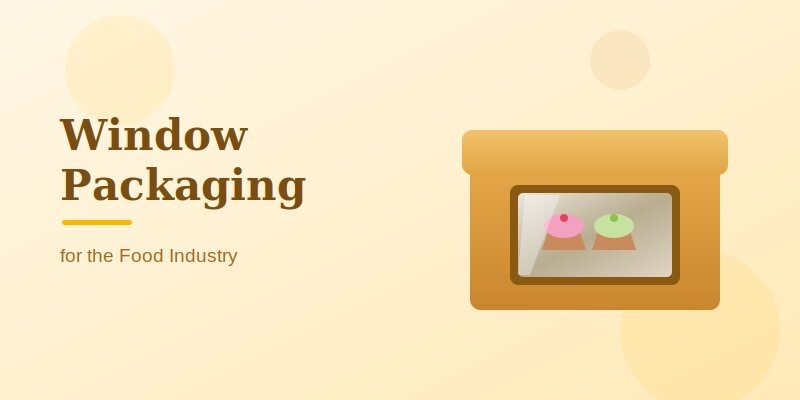
Window packaging refers to any food carton, box, or container that incorporates a clear or semi-clear opening typically covered with a transparent, food-safe film so that part or all of the contents is visible without opening the pack. The window may be cut into the top, front, side, or even wrap around a corner of the box, depending on the product and the effect the brand wants to achieve.
The concept is simple, but its impact is significant. Instead of relying entirely on printed photographs or written descriptions, a window lets the actual product become the hero of the packaging. A beautifully iced cupcake, a row of glossy chocolate truffles, or a stack of golden cookies does more to sell itself than any illustration could. The box provides structure, protection, and branding real estate, while the window delivers instant, honest proof of what's inside.
Window packaging appears across an enormous range of formats: cake boxes with clear lids, cookie cartons with rectangular front cut-outs, chocolate boxes with heart-shaped windows, pastry boxes with full-view tops, and takeaway containers with transparent panels. Whatever the shape, the underlying purpose remains the same to combine visibility with protection and presentation.
Why Window Packaging Matters in the Food Industry
1. It Turns Product Visibility Into a Sales Advantage
The most obvious benefit of window packaging is that it lets customers see exactly what they are buying. In food retail, appearance is inseparable from appetite. People eat with their eyes first, and the desire to buy is often triggered the moment they see a product that looks fresh, colourful, and appealing.
A transparent window removes the guesswork. Shoppers do not have to imagine what a product looks like based on a stock photo or a vague description they can view the real item, judge its size and quality, and make a confident decision on the spot. For visually driven categories such as bakery, confectionery, and desserts, this direct line of sight can be the difference between a passing glance and a completed purchase.
This visibility is especially powerful for products whose value lies in their craftsmanship. Handmade macarons, decorated cakes, artisan bread, and gourmet chocolates all reward close inspection. Window packaging gives that craftsmanship a stage.
2. It Builds Trust Through Transparency
Modern consumers are more discerning and more sceptical than ever. They read labels, question claims, and want reassurance that what they are paying for matches what they receive. Window packaging answers that demand for transparency in the most literal way possible.
When a customer can physically see the product's colour, texture, freshness, and portion size the transaction feels more honest. There is no gap between expectation and reality, no risk that the image on the box oversells what's inside. This kind of visual honesty builds trust, and trust is the foundation of repeat business.
For newer or lesser-known brands, this is invaluable. A shopper who has never tried a product may hesitate to buy on the strength of branding alone. But being able to see the quality of the food itself lowers that barrier and encourages a first purchase. Over time, that first positive experience becomes loyalty.
3. It Drives Shelf Appeal and Impulse Purchases
Retail shelves and counter displays are ruthlessly competitive environments. A product typically has just a few seconds to capture attention before a shopper moves on. Window packaging gives food brands a decisive edge in this battle for the eye.
A visible, attractive product creates an immediate emotional response. A tray of colourful doughnuts or a box of glossy chocolates seen through a clear panel can trigger a craving that a printed image simply cannot match. This is the engine of impulse buying the unplanned purchases that account for a substantial share of food and confectionery sales.
Because the product itself becomes part of the visual merchandising, window packaging effectively lets the food do the marketing. On a busy shelf lined with fully printed boxes, a window pack stands out precisely because it offers something real to look at. That distinctiveness translates directly into higher pick-up rates and stronger sales.
4. It Enhances Branding Without Sacrificing Space
A common misconception is that adding a window means giving up valuable branding real estate. In practice, well-designed window packaging strikes a deliberate balance between visibility and brand communication.
The area around the window remains available for logos, brand colours, taglines, ingredient information, and storytelling. A bakery might place its logo above a top window, use the sides for its story and certifications, and let the window frame the product like artwork. The result is a package that showcases both the food and the brand in harmony.
In fact, the interplay between a printed frame and a transparent centre can make branding more memorable. The window draws the eye, and the surrounding design reinforces who made the product and why it's worth buying. This combination creates a cohesive brand experience that lingers in the shopper's memory.
5. It Creates a Premium, Gift-Worthy Perception
Presentation shapes perceived value. The same chocolate can feel like an everyday snack or a luxury indulgence depending entirely on how it is packaged. Window packaging, when paired with thoughtful design and finishing, elevates food products into something that feels special and giftable.
A clear window framed by elegant printing, foil accents, or embossed detailing signals care and quality. It tells the customer that the brand is proud enough of its product to show it off. This is why premium chocolates, luxury baked goods, and gourmet gift assortments so often rely on window boxes they turn an ordinary purchase into an experience worth paying more for.
For occasions such as holidays, birthdays, and corporate gifting, this premium perception is a genuine revenue driver. Consumers are willing to spend more on packaging that looks and feels like a gift, and window boxes deliver that impression effortlessly.
6. It Reduces Uncertainty, Returns, and Complaints
When customers can see exactly what they are getting, there are fewer surprises and fewer disappointments. Window packaging reduces the mismatch between expectation and reality that so often leads to complaints or returns.
A customer who buys a cake after clearly seeing its decoration through the box is far less likely to feel misled than one who relied on a printed picture. This clarity protects the brand's reputation and reduces the friction and cost associated with unhappy customers. In a world where a single negative review can influence dozens of potential buyers, that reassurance carries real commercial weight.
Which Food Products Benefit Most From Window Packaging?
While window packaging can be adapted to almost any food category, some products gain more from it than others. In general, the more visually appealing a product is, the more it benefits from being seen.
Bakery items: Cakes, cupcakes, muffins, croissants, and artisan bread all showcase texture, decoration, and freshness beautifully through a window.
Confectionery: Chocolates, truffles, fudge, and candies rely heavily on visual appeal, colour, and arrangement ideal for window display.
Cookies and biscuits: A window reveals quantity, size, and the golden, homemade look that drives purchases.
Pastries and desserts: Tarts, éclairs, and layered desserts benefit from full-view packaging that highlights craftsmanship.
Macarons and petits fours: These delicate, colourful treats practically demand a window to display their palette.
Gourmet and gift foods: Curated assortments, hampers, and specialty items gain a premium, giftable feel.
Snacks and dried goods: Nuts, granola, dried fruit, and popcorn use windows to convey freshness and portion size.
Choosing the Right Window Material
The window is only as good as the film that fills it. Selecting the right material is essential for both presentation and food safety. Several options are commonly used, each with its own strengths.
PET (Polyethylene Terephthalate): One of the most popular choices for food windows, PET is clear, strong, and food-safe. It offers excellent transparency, resists cracking, and is recyclable, making it a reliable all-round option.
PVC (Polyvinyl Chloride): Valued for its clarity and flexibility, PVC has traditionally been widely used. However, environmental concerns around PVC have led many brands to seek greener alternatives.
PLA (Polylactic Acid): A plant-based, compostable film derived from renewable sources such as corn starch, PLA appeals to eco-conscious brands looking to reduce their environmental footprint while retaining clarity.
Acetate: Known for its high-gloss, glass-like transparency, acetate delivers a premium look often used for luxury confectionery and gift packaging.
Glassine and greaseproof windows: For certain bakery and greasy products, specialised food-grade films help prevent oil migration while maintaining visibility.
The right choice depends on the product's characteristics its moisture content, oil content, weight, and storage conditions as well as the brand's sustainability goals and budget.
Food Safety Considerations
Window packaging must never compromise food safety. Because the window film often sits close to or in direct contact with the product, it must be manufactured from food-grade materials that comply with the relevant regulations in the market where the product is sold.
Brands should ensure that the film, the box board, any coatings, and the adhesives used to attach the window are all appropriate for food contact. Factors such as temperature (for refrigerated or frozen items), humidity, and grease resistance all influence which materials are suitable. A window that fogs up, warps, or reacts with the product will undermine both the appearance and the integrity of the packaging.
Working with a reputable packaging supplier who understands food-contact compliance is the safest way to ensure that window packaging protects the product as reliably as it displays it.
The Sustainability Dimension
Sustainability is now a central concern for both food brands and their customers, and window packaging sits at an interesting crossroads in this conversation. On one hand, the mixed materials paper board plus plastic film can complicate recycling. On the other hand, the industry has responded with a wave of greener solutions.
Compostable films such as PLA, recyclable PET windows, and paperboard sourced from responsibly managed forests all help reduce the environmental impact of window packaging. Some brands are also experimenting with easy-separation designs that allow consumers to remove the film before recycling the board, or with smaller, more efficient window sizes that use less plastic overall.
For environmentally conscious brands, communicating these choices is itself a marketing asset. A window box made from recycled board with a compostable film, clearly labelled as such, reinforces a brand's commitment to sustainability while still delivering all the visual benefits of a window. As regulations tighten and consumer expectations rise, sustainable window packaging will only grow in importance.
Design Best Practices for Window Packaging
Getting the most from window packaging requires more than simply cutting a hole in a box. Thoughtful design ensures the window enhances both presentation and function.
Position the window to reveal the product's best feature. A top window suits cakes and cupcakes where decoration sits on top, while a front window works better for cookies or chocolates arranged vertically. The window should frame the most appetising angle of the product.
Balance the window size with structural strength. A larger window shows more product but can weaken the box and reduce protection. The design should provide enough opening to entice without sacrificing durability.
Leave room for branding. The window should complement the overall design, not overwhelm it. Reserve clear space for the logo, product name, key information, and brand colours so the package communicates identity alongside visibility.
Match materials to the product. Choose board strength and film type based on the weight, moisture, and handling needs of the specific food. Heavier cakes need sturdier board; greasy items need grease-resistant films.
Use finishing touches strategically. Matte or gloss coatings, foil stamping, embossing, debossing, and spot UV around the window can elevate the perceived value and make the product feel premium.
Prioritise food safety at every step. Confirm that all components meet food-contact standards for the intended market and product type.
The Psychology Behind Window Packaging
The effectiveness of window packaging is rooted in consumer psychology. Human beings are strongly influenced by visual and sensory cues, and food triggers some of the most immediate emotional responses of all. Seeing an appetising product activates anticipation and desire in a way that words and images on a box cannot fully replicate.
Transparency also taps into a deep-seated preference for honesty and control. When consumers can inspect a product themselves, they feel empowered rather than persuaded. This sense of agency reduces perceived risk and increases willingness to buy. In behavioural terms, window packaging shifts the decision from "Do I trust this brand's claim?" to "I can see this is good a far easier mental leap.
Finally, the framing effect plays a role. A product presented through an elegant window, surrounded by refined design, is perceived as more valuable than the identical product in a plain wrapper. Packaging shapes not just whether we buy, but how much we're willing to pay and how satisfied we feel afterward.
Challenges and Limitations to Consider
While window packaging offers clear advantages, it is not the right solution for every product, and brands should weigh its limitations. Products that are sensitive to light may deteriorate faster when exposed through a transparent panel, so light-sensitive items may need protective films or reduced window sizes. The added film also introduces a slightly higher material cost and can complicate recycling if not designed thoughtfully.
For some products, complete opacity is actually preferable for example, where the item does not photograph well, where portion inconsistency might disappoint, or where full printed graphics tell a stronger story. The key is to assess honestly whether visibility genuinely helps the product or whether printing would serve it better. Used in the right categories, however, the benefits of window packaging almost always outweigh these considerations.
Trends Shaping the Future of Window Packaging
Window packaging continues to evolve alongside broader shifts in food retail. Several trends are shaping where the format is heading.
Sustainability is the dominant force, pushing brands toward compostable and recyclable window materials and mono-material designs that are easier to process. Minimalist aesthetics clean typography, generous negative space, and a single well-placed window are increasingly popular as brands aim for a premium, uncluttered look. There is also growing interest in creatively shaped windows, from geometric cut-outs to windows that follow the silhouette of the product, adding personality and shelf distinctiveness. As e-commerce grocery and food delivery expand, window packaging is also being adapted for products that need to look appealing both in-store and in unboxing moments captured for social media.
Conclusion
Window packaging has earned its place as one of the most valuable tools in the food industry's packaging toolkit. By letting customers see the product before they buy, it delivers a rare combination of benefits: instant product visibility, genuine transparency and trust, powerful shelf appeal, strong branding, premium perception, and reduced buyer uncertainty all while keeping the food protected.
For bakeries, confectioners, gourmet brands, and food retailers of every size, a well-designed window box does far more than hold a product. It showcases craftsmanship, builds confidence, drives impulse purchases, and turns everyday food into something shoppers want to reach for. When paired with the right materials, careful attention to food safety, and a thoughtful approach to sustainability, window packaging becomes a strategic investment rather than a simple expense.
In a market where first impressions decide sales, giving customers a clear view of exactly what they're buying is one of the smartest moves a food brand can make.