What Are Cereal With Frog on the Box?
Cereal packaging has two jobs. It has to keep the product in good condition, and it has to catch a shopper's eye in a crowded aisle or a small online thumbnail. A frog design gives a brand a friendly, easy-to-describe character to build that identity around.
Protection for Dry Cereal
Most cereal is sold in an inner liner bag, and the carton acts as the outer structure. It keeps flakes, puffs, and clusters from being crushed during stocking and shipping, and it gives the liner a stable shape to sit in. It also shields the printed artwork from scuffs as boxes move from the warehouse to the shelf.
If your cereal needs extra moisture or aroma protection, confirm the liner and carton setup with the packaging team before you order.
A Mascot That Buyers Remember
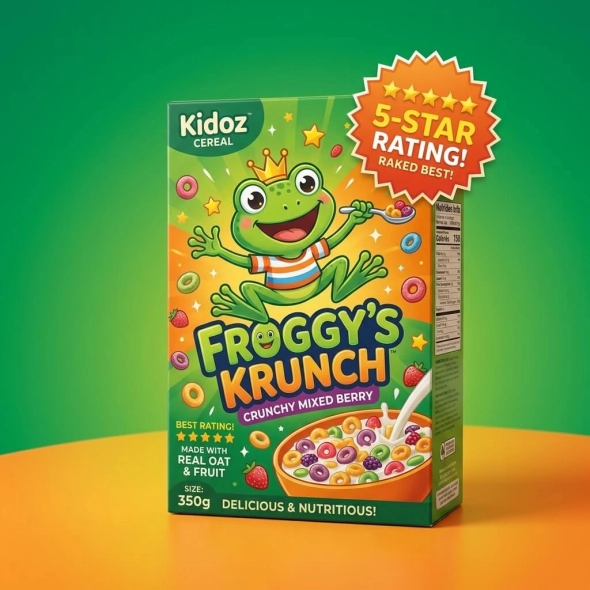
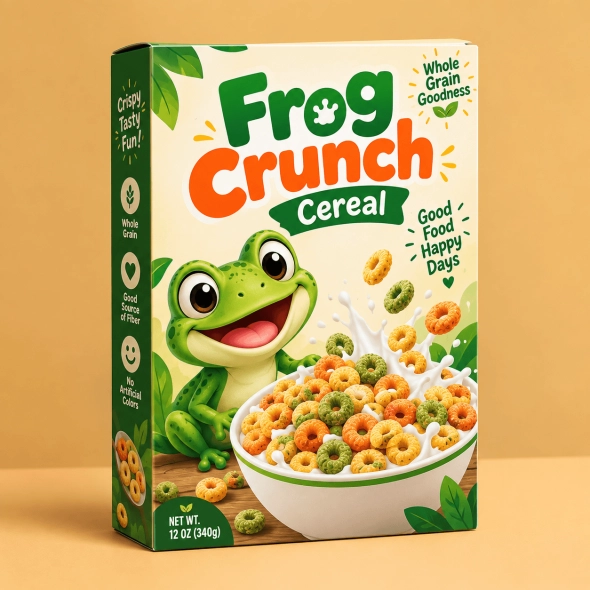
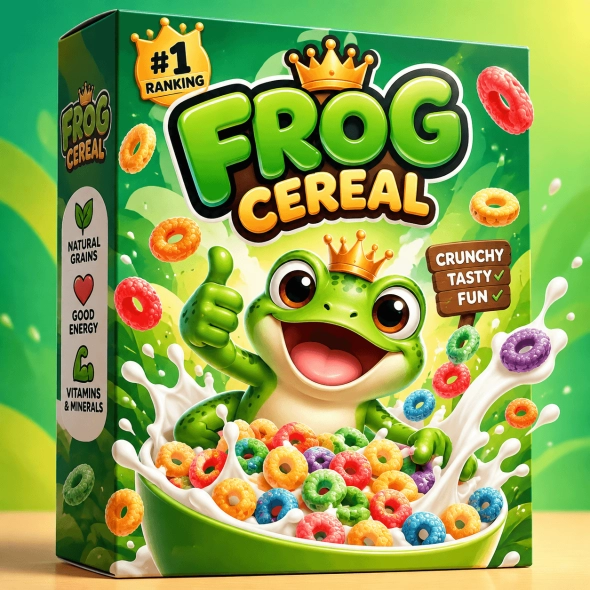
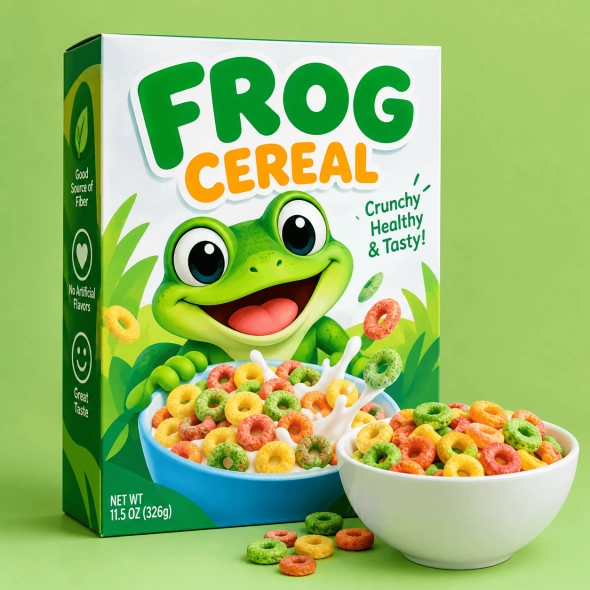
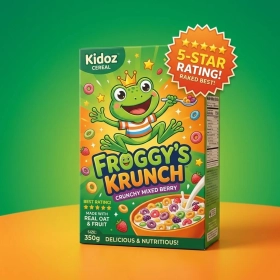
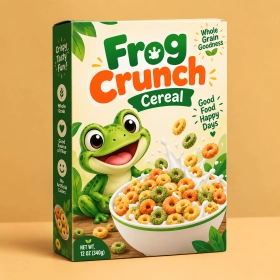
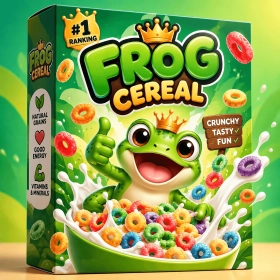
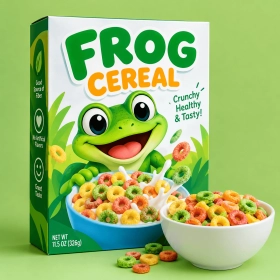
A frog works well on cereal because it is playful and simple to recognize. Kids notice it, and parents can easily describe it when they look for the same box again. Some brands put one large frog on the front panel with bold lettering. Others use a large frog on the front and smaller illustrations on the side panels. If you plan to use a mascot, make sure you own the artwork or have the right to print it.
Materials Used for Cereal Boxes
Cereal cartons are light, so material choice is less about raw strength and more about stiffness, print quality, and cost. The right board keeps panels flat, holds the tuck closure, and gives your frog artwork a clean surface.
Paperboard and Cardboard Options
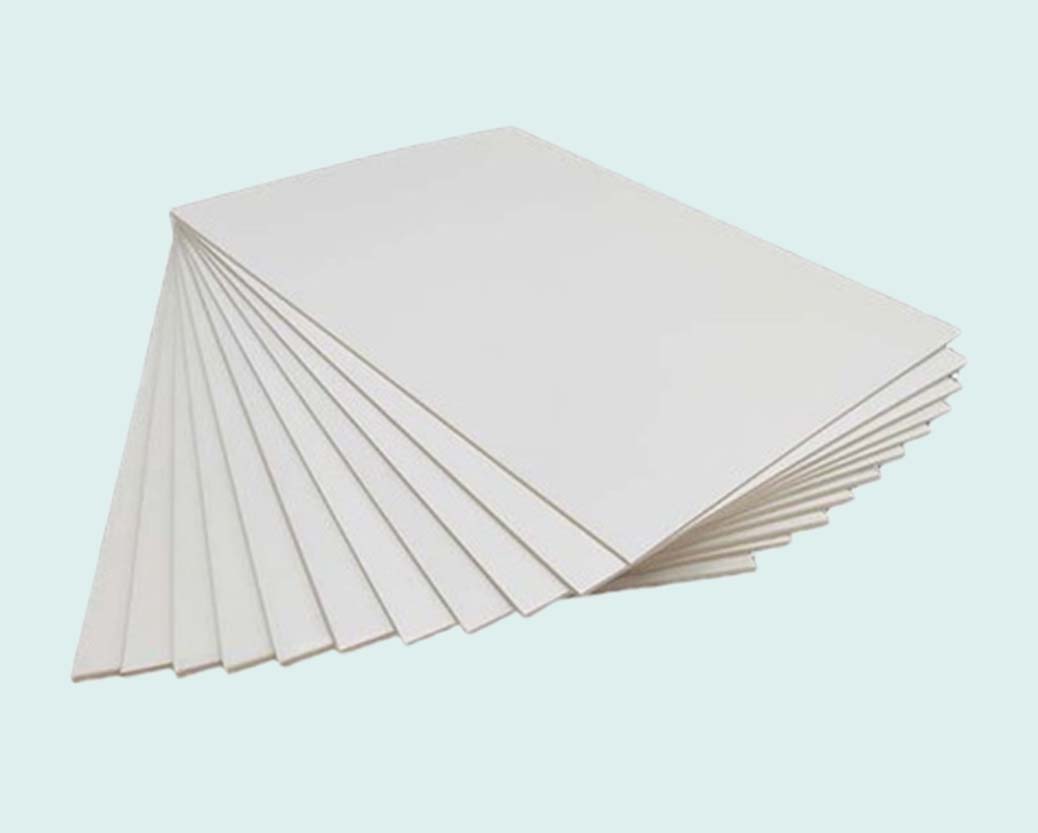
Coated paperboard is the usual choice for retail cereal cartons. Its smooth surface holds bright color well, which matters for illustrated characters. A thicker board feels more substantial on the shelf and resists bending when cartons are stacked, while a lighter board keeps costs down for simple runs.
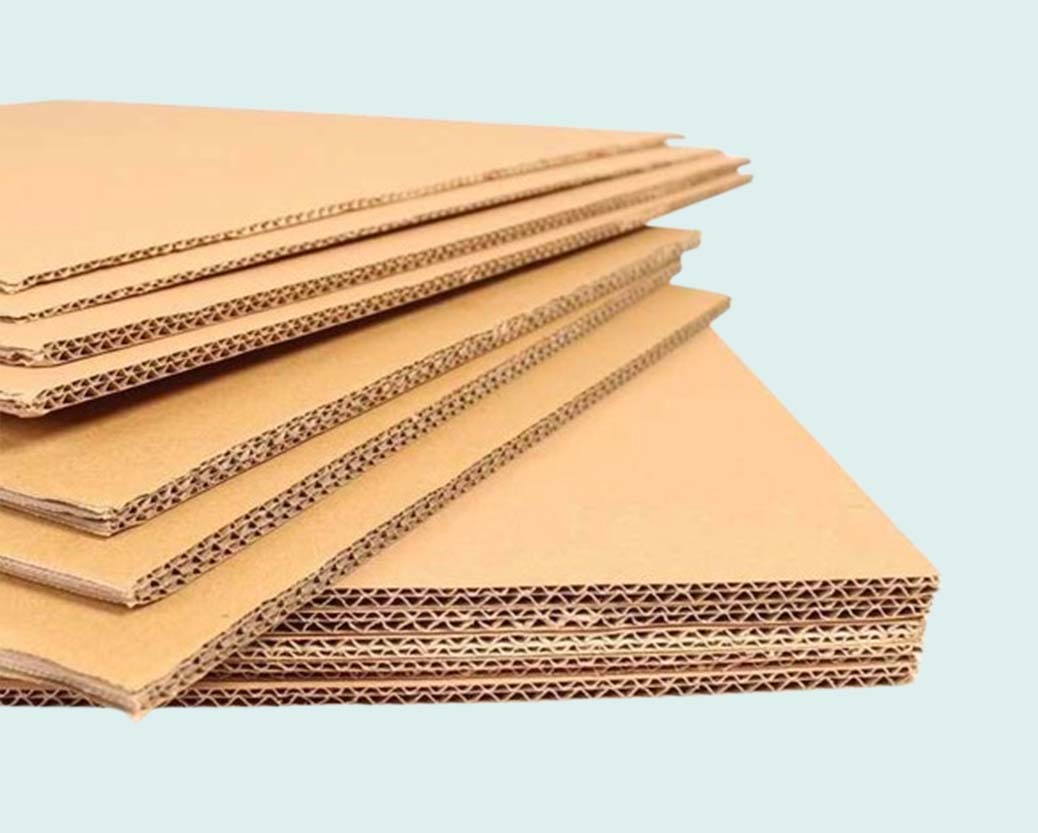
Corrugated cardboard can make sense for shipping cartons that hold several cereal boxes, but it is rarely used for the retail box itself.
Kraft Packaging Options
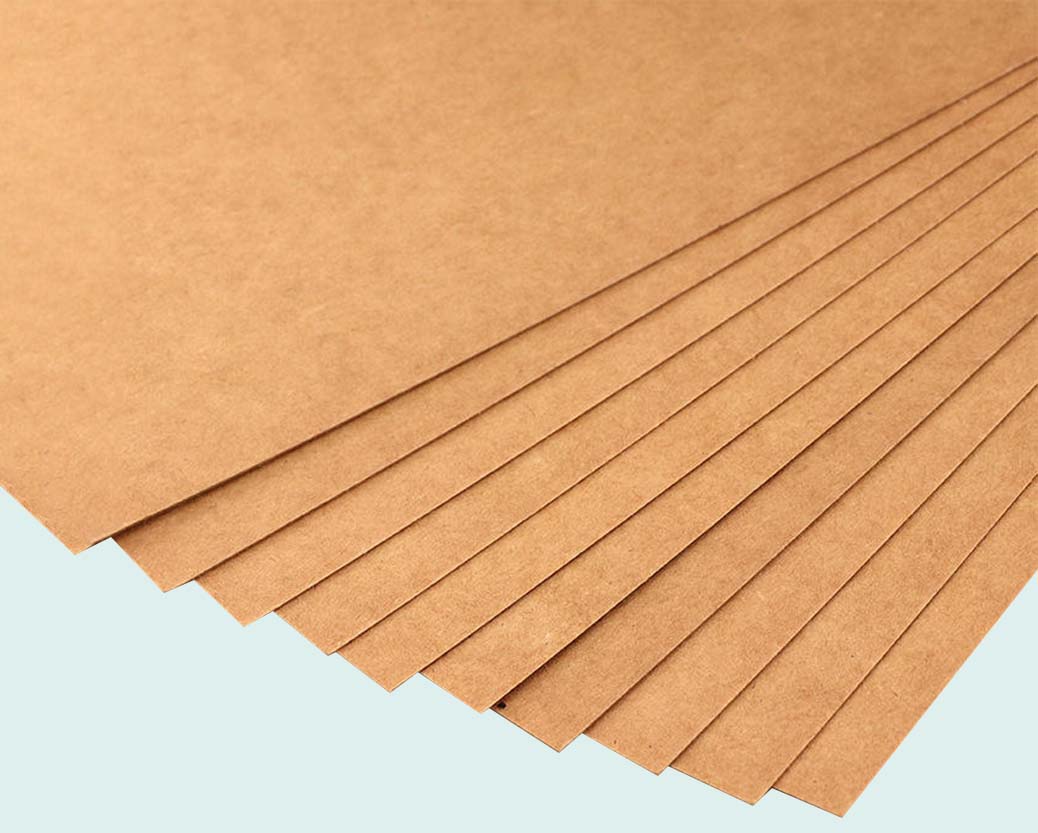
Kraft board suits brands with a natural story, such as granola, oat clusters, or organic-style cereals. A frog illustrated in one or two ink colors on kraft can look hand-drawn and understated. Keep in mind that kraft's brown tone changes how colors print, so bright greens may look softer than they do on white board.
Choosing the Right Material
Start with the weight of the cereal and how the carton will be handled. A family-size box needs a stiffer board than a single-serve carton. Then consider the look: glossy, colorful frog art usually suits white-coated board, while a rustic brand may prefer kraft.
Finally, think about budget and sustainability goals. If recyclability matters to your customers, ask about recyclable board options.
Custom Sizes and Box Styles
Custom Size Packaging
Cereal boxes are built around the inner bag, so measure the filled bag rather than guessing. Extra headroom wastes space, while a tight fit makes the bag hard to insert. Custom cereal with frog on box orders let you match the carton to your actual fill weight, whether that is a single-serve portion, a standard retail box, or a family size.
Shelf fit matters too, since some retailers have size preferences.
Tuck-End Cartons and Other Styles
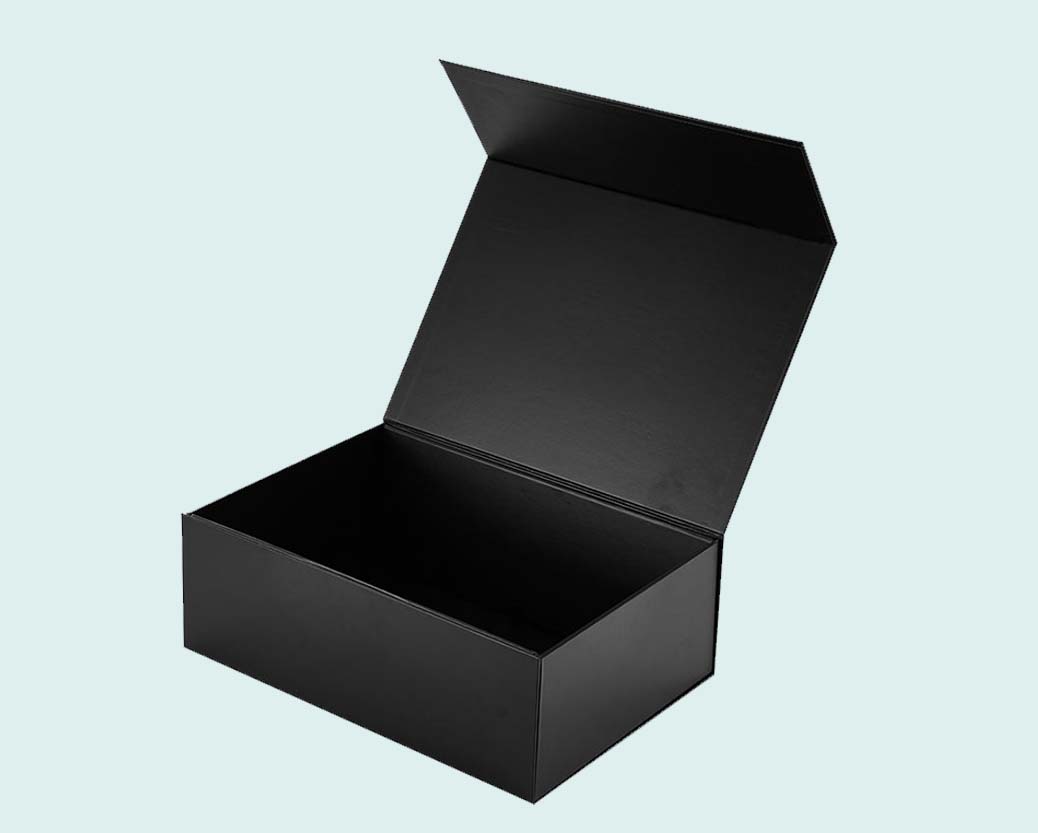
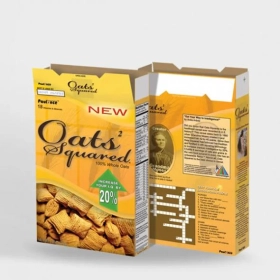
The tuck-end carton is the traditional cereal box and the style shoppers know best. Its large front panel gives the frog artwork plenty of room, and the top flap tucks closed after filling. Some brands add a reclosable design for repeated use at home. Sleeve-style packaging can suit multipacks of small cereal cups or pouches. Choose the style based on how the product is filled and how customers will use it.
Window Boxes and Product Visibility
A window lets shoppers see the cereal, which helps with colorful shapes, marshmallow pieces, or granola clusters. It is less useful for plain flakes, and it takes space away from the frog artwork. A printed image of the cereal on the panel may do the same job without cutting into the design. If you want a window, discuss size and placement with the team before finalizing artwork.
Custom Printing and Branding Options
Custom Logo and Artwork
Printed cereal with frog on box designs usually follows a clear hierarchy: brand logo, frog artwork, flavor name, and required product details. Layouts for cereal with a frog on a box with a logo work best when the logo has room and the frog does not compete with it.
Give your designer the box dimensions and dieline so artwork lands correctly across every panel. Side and back panels typically carry nutrition facts, ingredients, and the barcode, so leave space for them and confirm the labeling rules that apply to your product.
Colors and Finishes
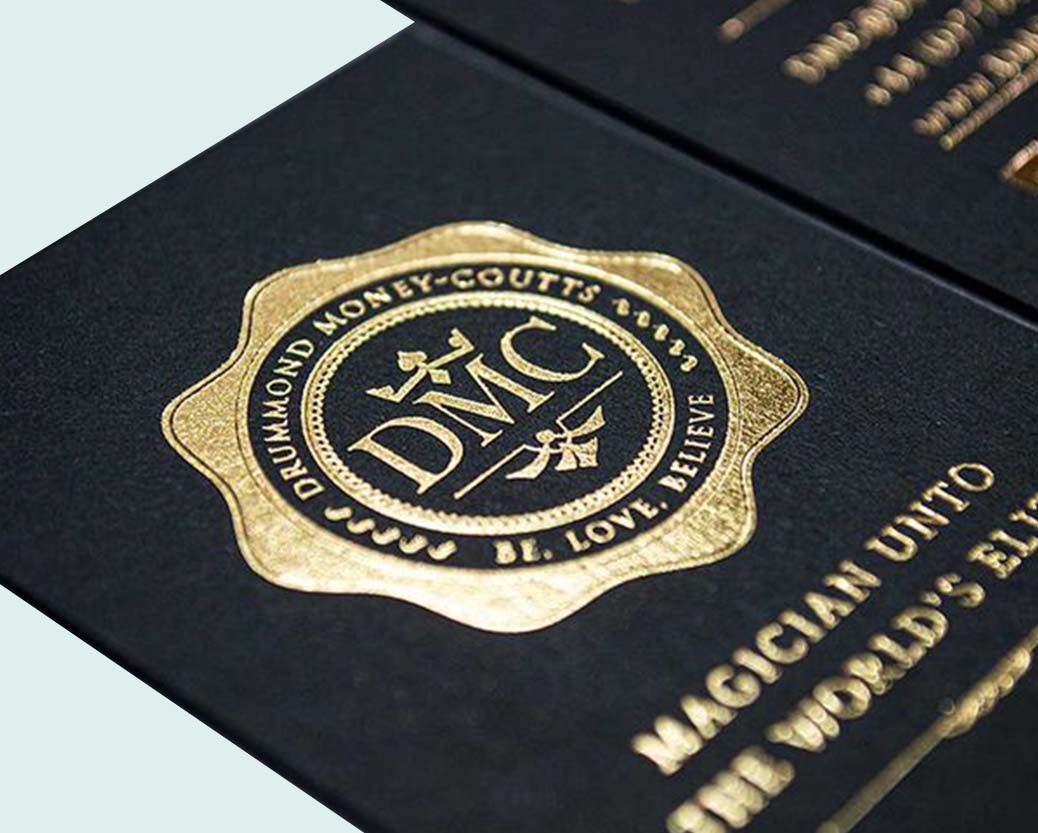
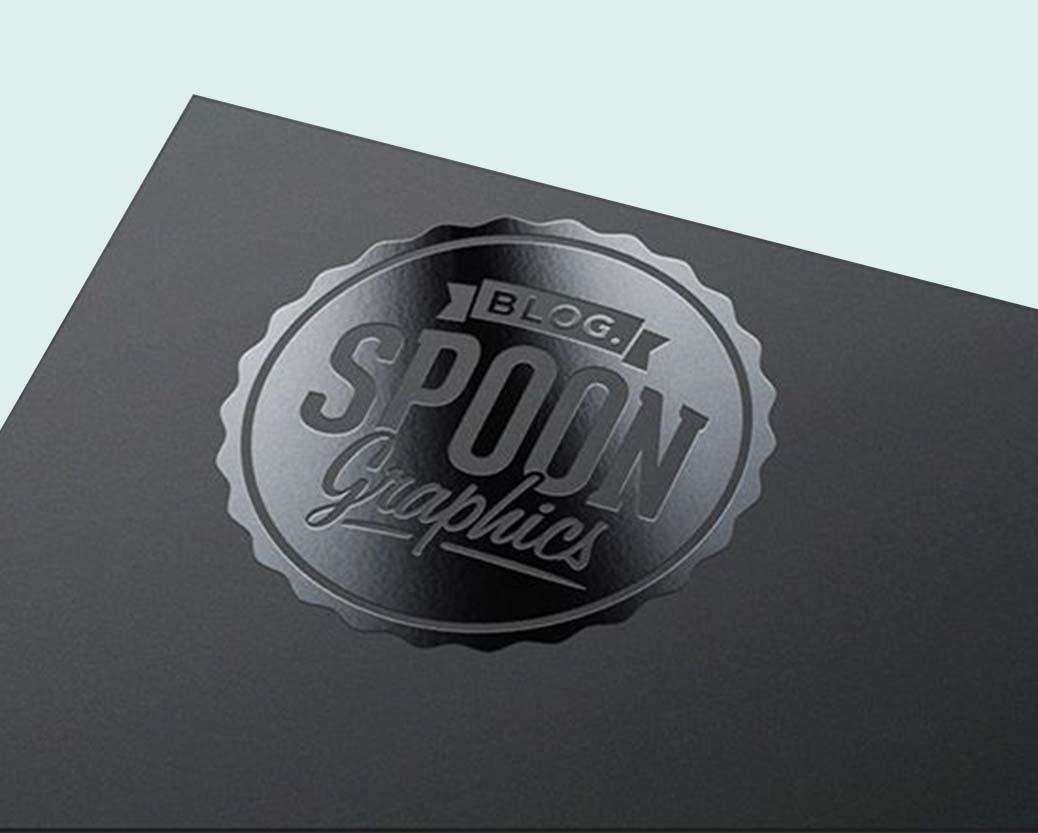
Full-color printing suits illustrated characters with layered greens, yellows, and bright accents. Colors can look different on screen than on board, so ask for proof if exact shades matter. A matte coating gives a softer look, while gloss makes bright art stand out. Spot UV can highlight just the frog or the logo, and foil or embossing may suit premium lines. Ask which finishes are available for your box style and material.
Frog-Themed Cereal Boxes for Different Businesses
Cereal Brands and Startups
Established brands often use one carton design across flavors, changing the frog's pose or color to tell each one apart. Startups may begin with one or two flavors and a small run to test demand before expanding. Specialty makers, such as gluten-free or high-protein cereal brands, may prefer a cleaner layout where the frog supports the ingredient story instead of overwhelming it.
Ecommerce and Subscription Sellers
Online sellers need cartons that survive shipping and look good in product photos. A sturdier board, a secure closure, and an outer shipper carton help boxes arrive with intact corners. Bright frog artwork also helps the product read clearly in small listing thumbnails.
Wholesale Cereal With Frog on Box Packaging
Cereal with frog on box wholesale orders make sense when you fill the same carton design at regular intervals. Ordering in bulk keeps your artwork, colors, and dimensions consistent from one run to the next, which matters when shoppers compare boxes on the shelf.
Benefits of Ordering Packaging in Bulk
Larger quantities usually lower the per-carton cost and reduce how often you need to reorder and prepare files. They also make it easier to line up packaging with your filling schedule, so you are not waiting on cartons when a retail order comes in.
Choosing the Right Order Quantity
Estimate how many boxes you fill each month, then add room for seasonal spikes and new retail accounts. Cartons ship flat, but they still need dry storage away from humidity, so check your available space. If you might change flavors or artwork soon, a smaller first order can be safer than a large one.
How to Choose the Right Cereal Box
Start with the filled bag. Measure it, settle on a fill weight, and pick a size and style from there. Then match the material and finish to how the product sells. Colorful kids' cereal suits coated board with bright printing, while a natural granola line may suit kraft.
Think about where the box will be sold. Retail shelves reward strong front-panel impact, and e-commerce needs durability. Before you approve anything, check your artwork against the dieline, confirm your labeling information, and ask for a proof or sample if you are unsure about colors or fit.