What Are Cube-Shaped Boxes?
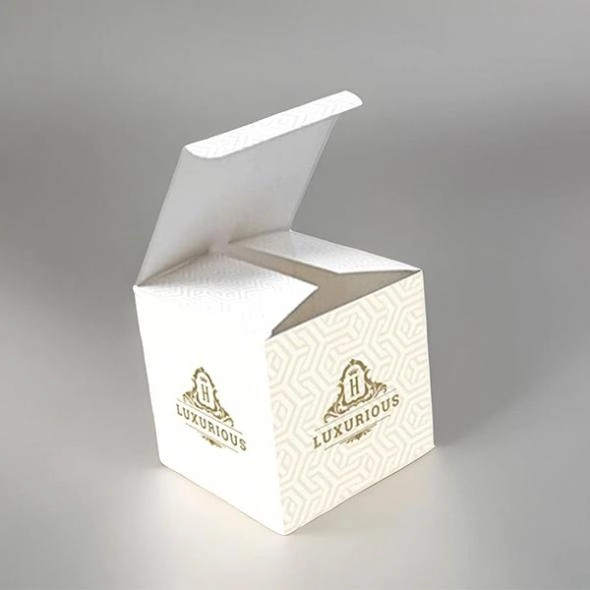
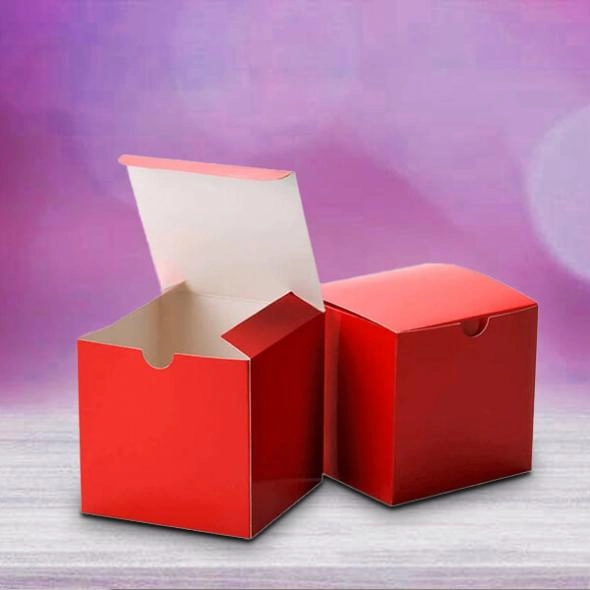
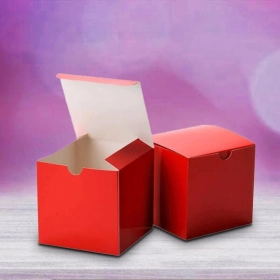
Cube packaging uses a simple geometric structure that can make products easier to arrange, display, and package. The equal-sided design also gives brands plenty of usable surface area for artwork, product information, and logos.
Product Protection and Secure Packaging
The right cube box should fit the product without leaving excessive empty space. A properly sized box can help keep the item positioned during handling, storage, and shipping. For products that need additional support, businesses can consider inserts or internal fitting options where appropriate. The packaging should be selected according to the product's weight, shape, fragility, and intended use rather than choosing a box based on appearance alone.
Professional Product Presentation
A cube structure creates a clean presentation from several viewing angles. This makes it useful for retail counters, gift packaging, subscription products, promotional items, and products displayed individually. Printed artwork can cover the exterior with brand colors, graphics, product details, or a simple logo treatment. The design can remain minimal for a modern appearance or use more detailed artwork for a colorful retail package.
Packaging for Different Business Needs
Custom cube-shaped boxes can suit businesses selling small consumer products, handmade goods, gifts, accessories, promotional merchandise, and specialty retail items. The structure can also work for packaging where the box itself forms part of the presentation.
Materials Used for Cube-Shaped Boxes
Material selection affects how the finished package looks, feels, and performs. Businesses should consider the product's weight, handling conditions, printing requirements, and desired presentation before choosing a board.
Cardboard and Paperboard Options
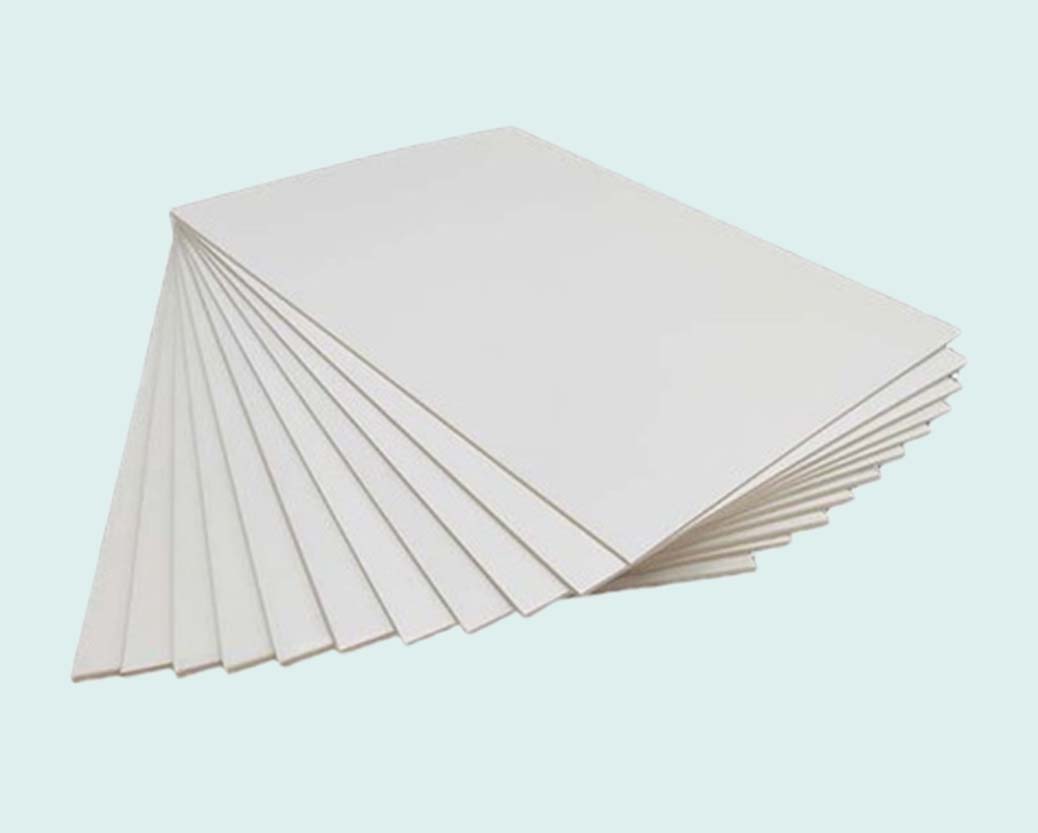
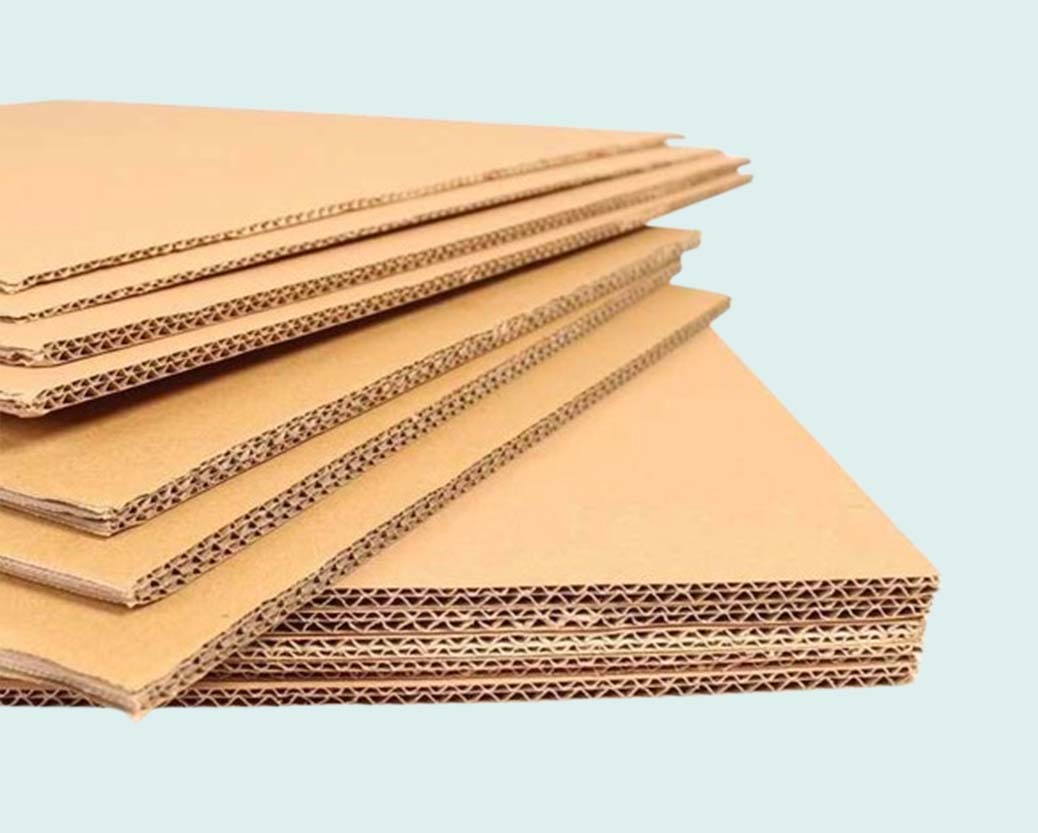
Paperboard and cardboard are practical choices for many lightweight and medium-weight products. They can provide a clean printable surface while keeping the package relatively easy to handle. A retail brand may choose a smoother board when detailed graphics are important, while a business focused on a straightforward package may prefer a simpler paperboard appearance.
Kraft Packaging Options
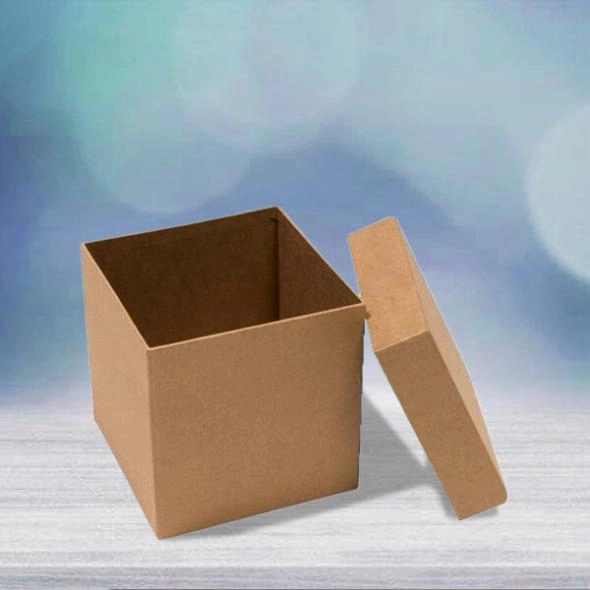
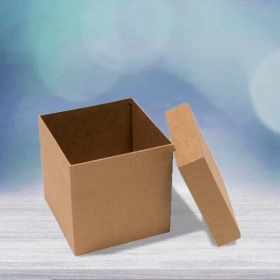
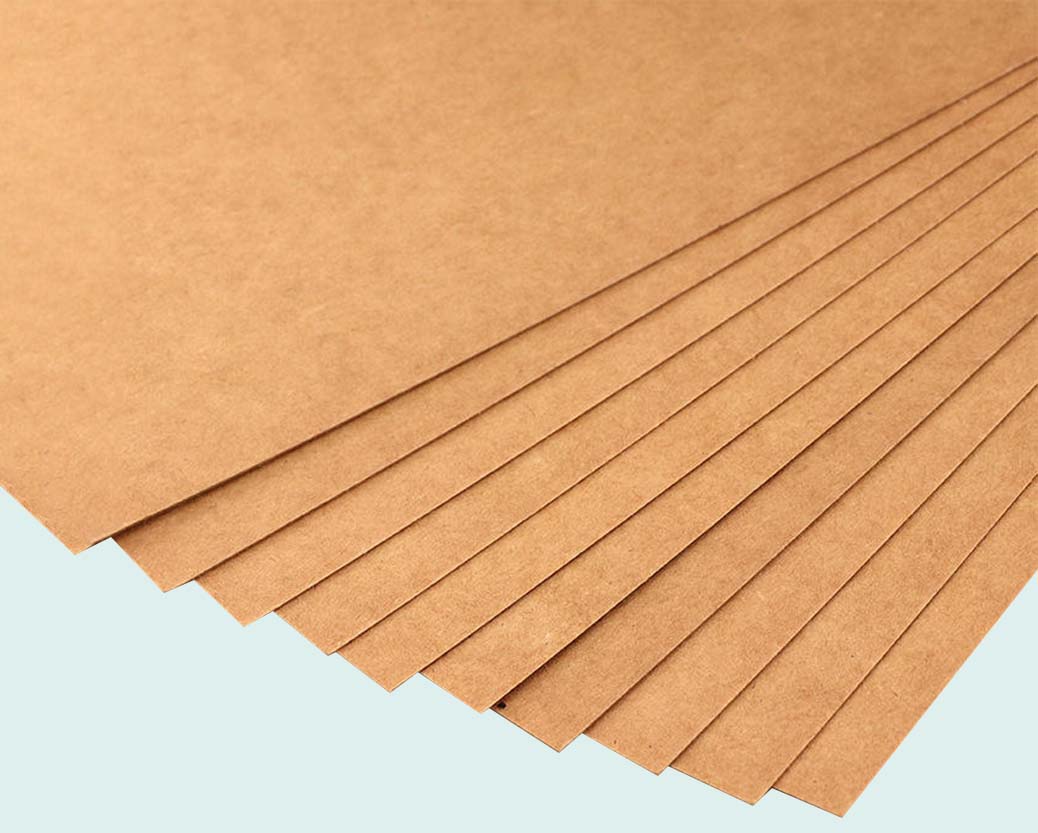
A kraft board can be considered when a natural, understated appearance fits the brand. Its familiar paper texture works particularly well with simple artwork, earthy colors, and minimal branding. Kraft packaging can suit handmade products, gifts, small retail goods, and brands that want their packaging to have a paper-based visual character.
Choosing the Right Material
Start with the product itself. Heavier products may require a sturdier board, while lightweight items may not need the same level of material thickness. The box also needs to match the brand's visual direction. Consider protection, print appearance, handling, storage, and budget together instead of selecting material based on one factor.
Custom Sizes and Box Styles
A cube does not have to follow one universal dimension. Custom sizing allows businesses to create packaging around the actual product rather than forcing the product into an oversized standard package.
Custom Size Packaging
Measure the product's length, width, and height before deciding on the finished box dimensions. Include enough room for the product to fit comfortably without leaving unnecessary empty space. For products that require an insert, padding, or other internal component, account for that space during the packaging design stage. Accurate measurements can also help businesses plan storage and shipping more efficiently.
Popular Cube Box Structures
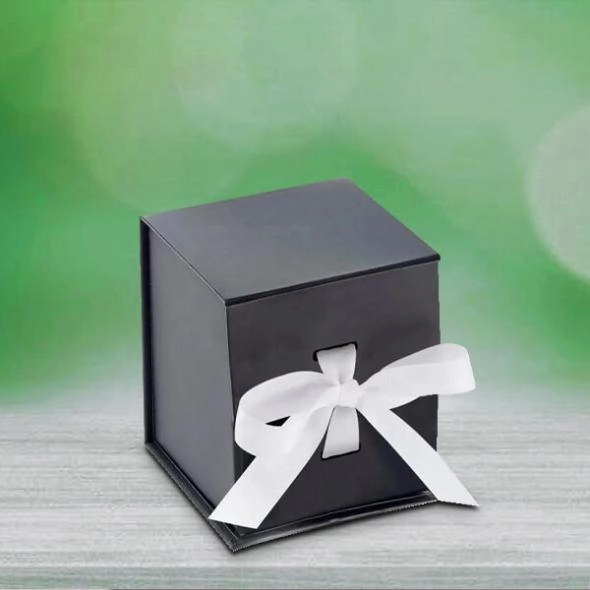
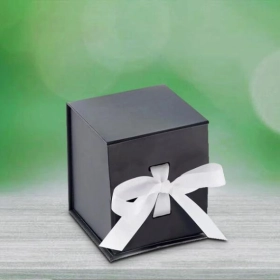
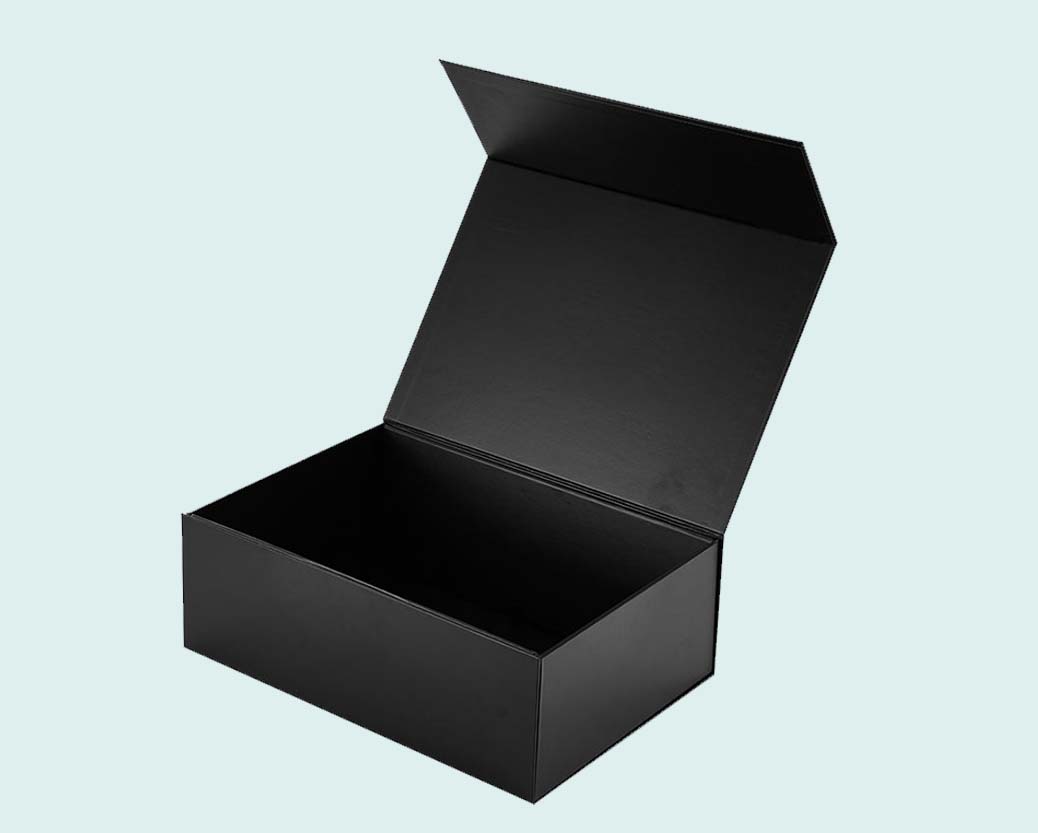
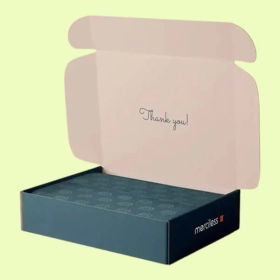
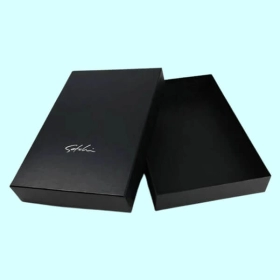
The most suitable box structure depends on how the product will be packed, opened, displayed, and handled. A straightforward folding carton can work well for many retail products, while a more presentation-focused structure may be suitable for gifts or premium items.
The closure should also match the intended use. Products that need frequent access may benefit from an easy-opening design, while gift packaging may prioritize presentation and a secure closing structure.
Window Boxes and Product Visibility
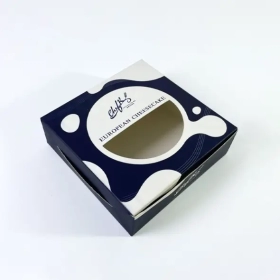
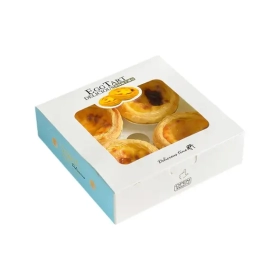
A window can be useful when customers need to see the product without opening the package. This can make sense for visually appealing merchandise, gifts, food items, or products where color and appearance influence purchasing decisions.
A window is not necessary for every cube package. If the product needs complete coverage or the artwork itself is the main visual element, a solid printed box may be more appropriate.
Custom Printing and Branding Options
Printing allows businesses to turn a simple cube structure into branded product packaging. The available design area can be used for logos, colors, illustrations, product information, and other brand elements.
Custom Logo and Artwork
A logo can be placed on the top, side, front, or other suitable panel depending on the box structure and artwork. Businesses can also use repeated branding, patterns, illustrations, or product-specific graphics. For a cleaner package, keep the logo prominent and use supporting design elements sparingly. For retail products, businesses may also use the available panels for product names, descriptions, handling information, or other relevant details.
Colors and Printing Options
Brand colors can help maintain consistency between packaging, websites, retail displays, and other marketing materials. Full artwork can create a more visual package, while one or two colors can give the box a simpler appearance.
Printed cube-shaped boxes can be designed around seasonal campaigns, product launches, gift collections, or permanent brand packaging.
Finishing Options
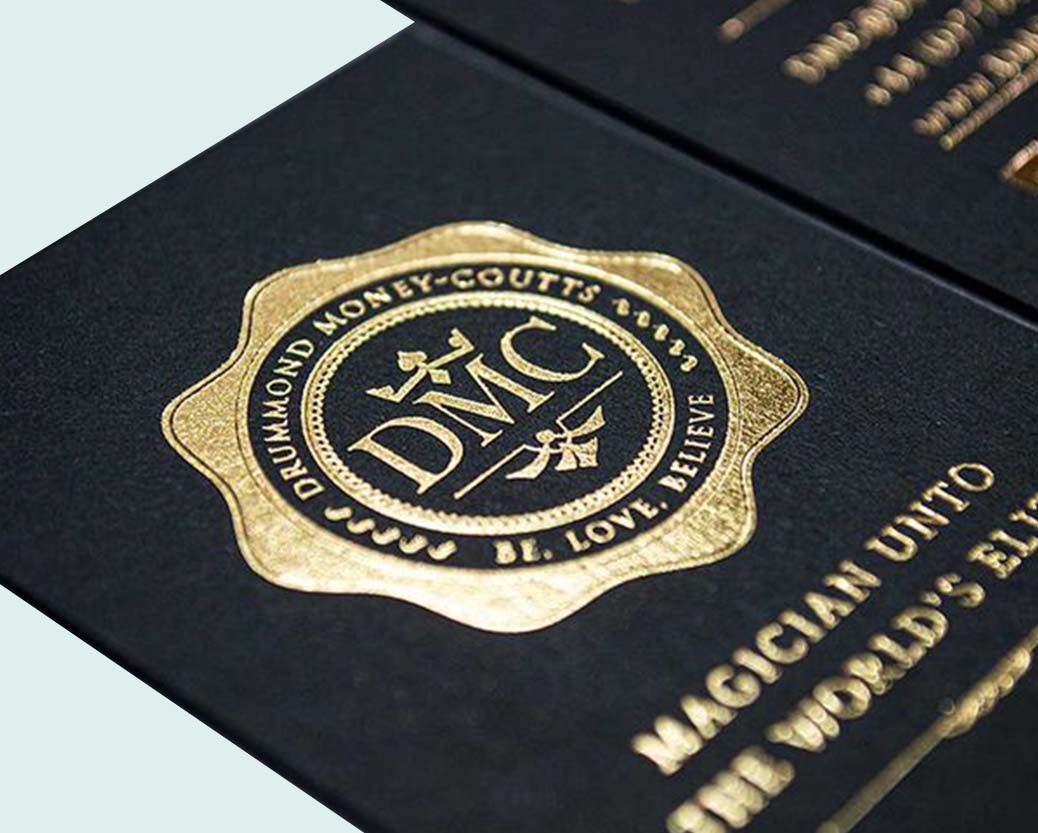
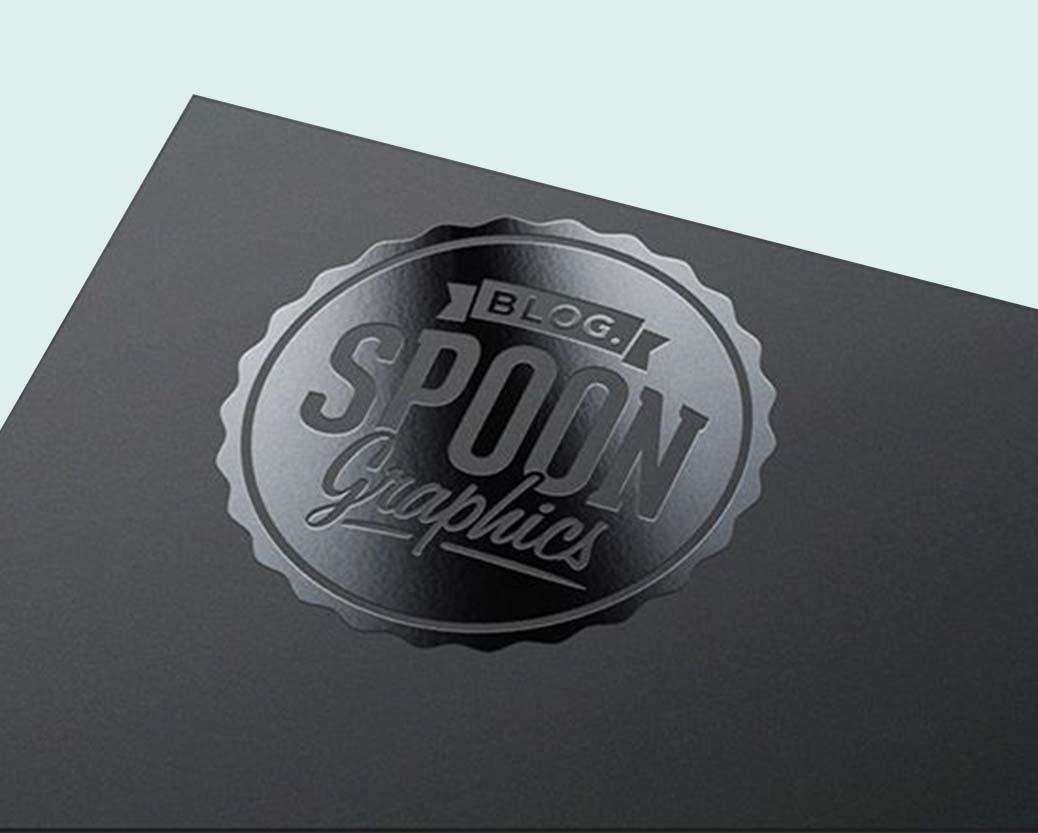
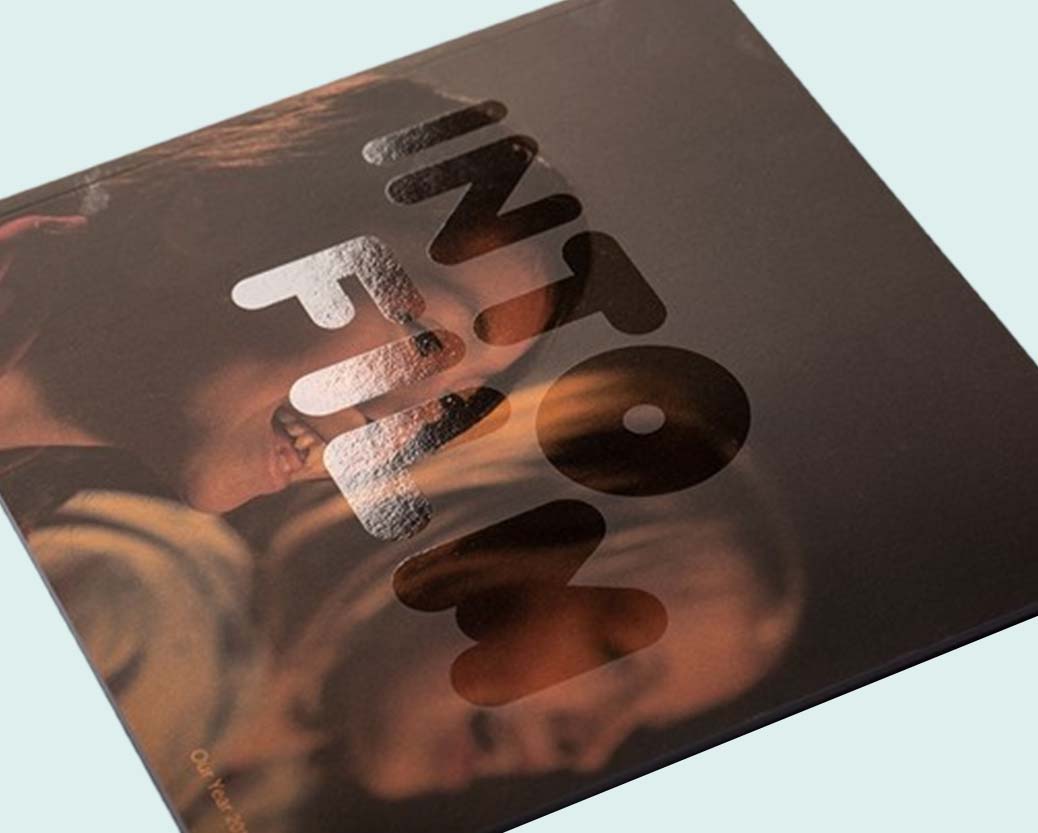
Depending on the packaging design and available production options, finishes such as matte or gloss can change the surface appearance. Foil, embossing, debossing, and spot UV may also be considered when the design calls for additional visual or tactile detail.
The finish should support the artwork rather than overpower it. A simple logo may benefit from a subtle treatment, while premium gift packaging may use a more noticeable finish.
Cube-Shaped Boxes for Different Industries
Cube packaging can adapt to several product categories because businesses can change the dimensions, materials, artwork, and structural details according to the item.
Retail and Gift Products
Retailers can use cube packaging for small merchandise, gift items, accessories, and specialty products. The compact shape can also make individual packages easier to arrange on shelves or displays.
Small Businesses and Handmade Brands
Handmade businesses can use kraft or printed cube packaging to create a consistent look across product collections. Custom sizing can also help each package fit a specific handmade item.
Ecommerce Businesses
For e-commerce sellers, box dimensions and product fit matter during packing and shipping. A properly sized package can reduce unnecessary empty space and give customers a more organized unboxing experience.
Promotional and Event Products
Businesses can use cube boxes for promotional products, event merchandise, samples, and branded giveaways. The exterior provides several panels for logos, campaign artwork, event details, or messaging.
Wholesale Cube-Shaped Boxes Packaging
Businesses with recurring packaging requirements may order cube boxes in larger quantities. Bulk purchasing can help maintain consistent packaging across product batches and reduce the need to reorder after every small production run.
Benefits of Ordering Packaging in Bulk
Wholesale orders can be useful when a business has predictable product demand and enough storage space for packaging inventory. Consistent box dimensions and artwork also make it easier to maintain the same presentation across multiple product batches.
Before ordering, consider product demand, available storage, expected packaging changes, and cash flow. A larger order is not automatically the right choice if product demand is uncertain.
Choosing the Right Order Quantity
Look at recent sales, planned product launches, seasonal demand, and storage capacity. Businesses with steady demand may plan larger packaging orders, while newer brands may prefer quantities that allow them to adjust their design as the product develops.
How to Choose the Right Cube-Shaped Boxes
The right package starts with the product rather than the artwork. Consider dimensions, material, structure, branding, and how the finished package will be handled.
Consider Your Product Dimensions
Measure the product carefully and account for any insert or protective component. The finished box should provide enough space for packing without becoming unnecessarily large.
Choose the Right Material and Style
Consider the product's weight and how it will be handled. Then compare the appearance of cardboard, paperboard, or kraft options with the visual style you want for the brand.
Match Packaging With Your Brand
Use logo placement, colors, graphics, and finishes that fit your existing brand identity. A consistent design can help customers recognize packaging across different products.
Consider Retail and Shipping Requirements
If the boxes will sit on shelves, consider visibility and presentation. If they will travel through an e-commerce fulfillment process, pay closer attention to dimensions, product fit, and the level of protection needed during handling.