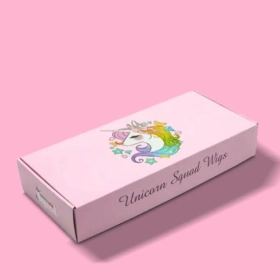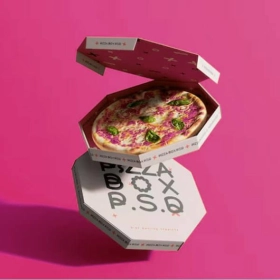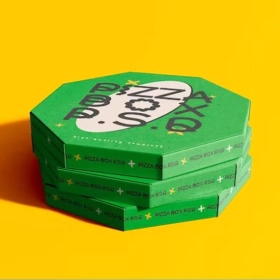








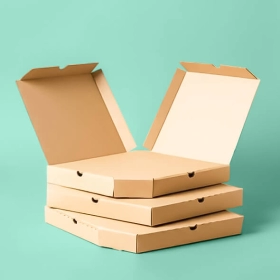












| Box Style | As Mention Above |
|---|---|
| Dimension (L + W + H) | All Custom Sizes & Shapes |
| Minimum Run ( For Boxes and Mylar Bags) | 100 Boxes - 1000 Mylar Bags ( 500 each design) |
| Paper Stock | 10pt to 28pt (60lb to 400lb) Eco-Friendly Kraft, E-flute Corrugated, Bux Board, Cardstock |
| Printing | No Printing, CMYK, CMYK + 1 PMS color, CMYK + 2 PMS colors |
| Finishing | Gloss Lamination, Matte Lamination, Gloss AQ, Gloss UV, Matte UV, Spot UV, Embossing, Foiling |
| Included Options | Die Cutting, Gluing, Scored,Perforation |
| Additional Options | Eco-Friendly, Recycled Boxes, Biodegradable |
| Proof | Flat View, 3D Mock-up, Physical Sampling (On request) |
| Turnaround | 7 - 8 Business Days |
| Shipping | FLAT Position |
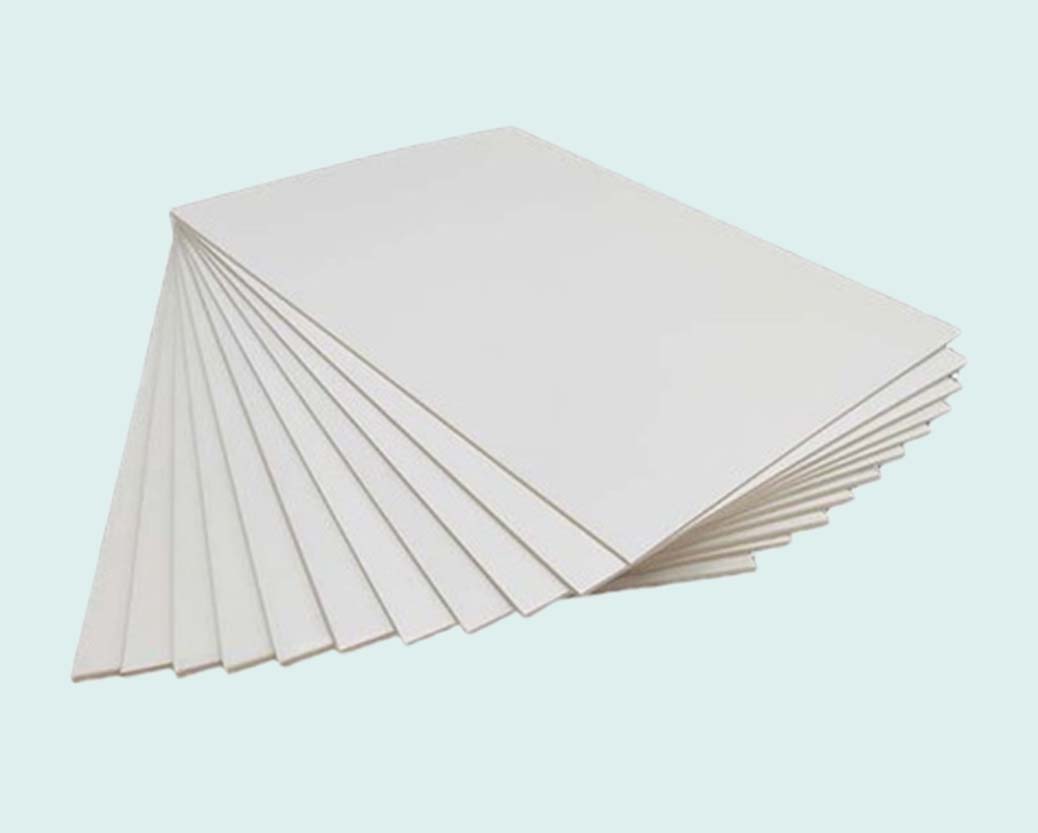
We use eco-friendly cardboard materials designed to minimize environmental impact and reduce waste.

Kraft paper is a sturdy, durable, and dependable material used across multiple industries.
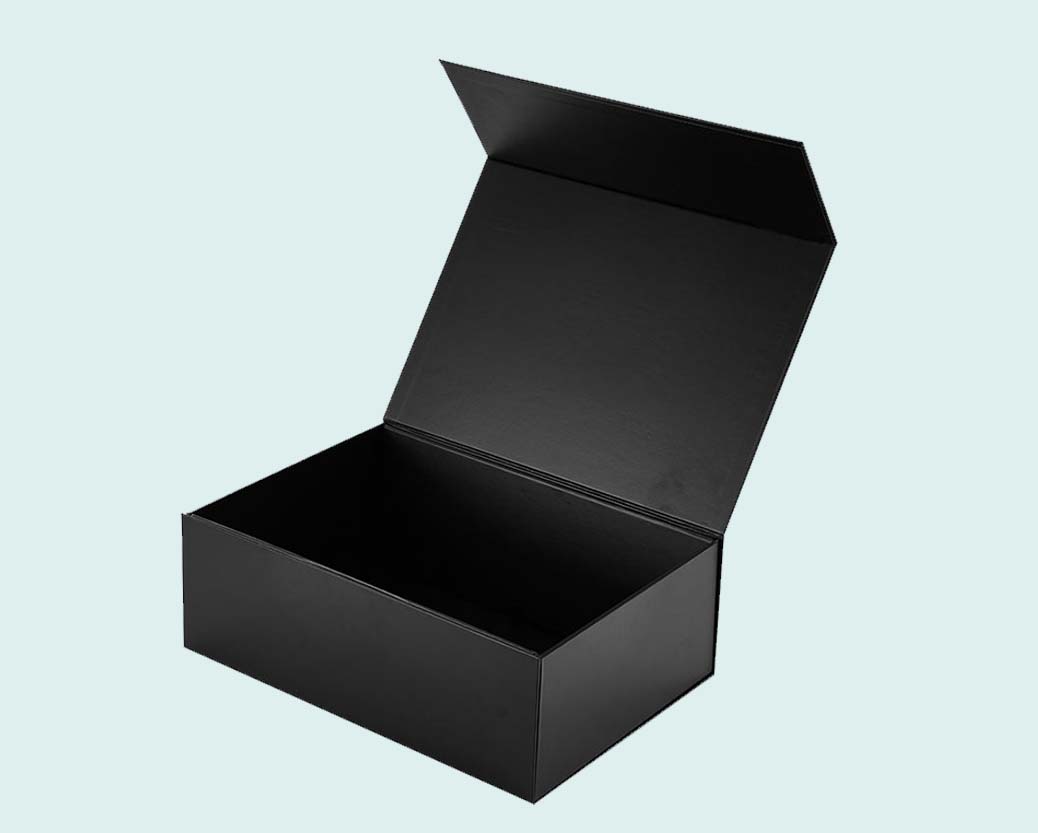
Rigid material is highly protective, cost-effective, and recyclable, offering maximum durability and security.
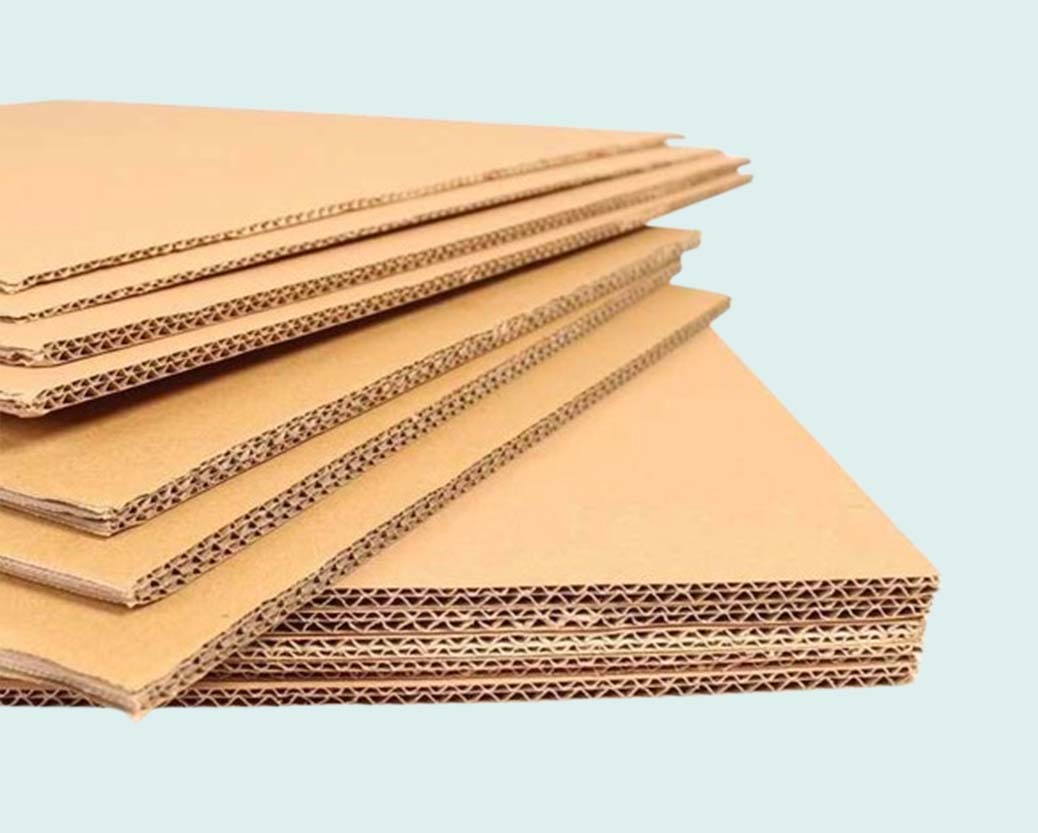
Corrugated material is customizable, cost-effective, and sustainable, making it an excellent choice for branding and shipping.
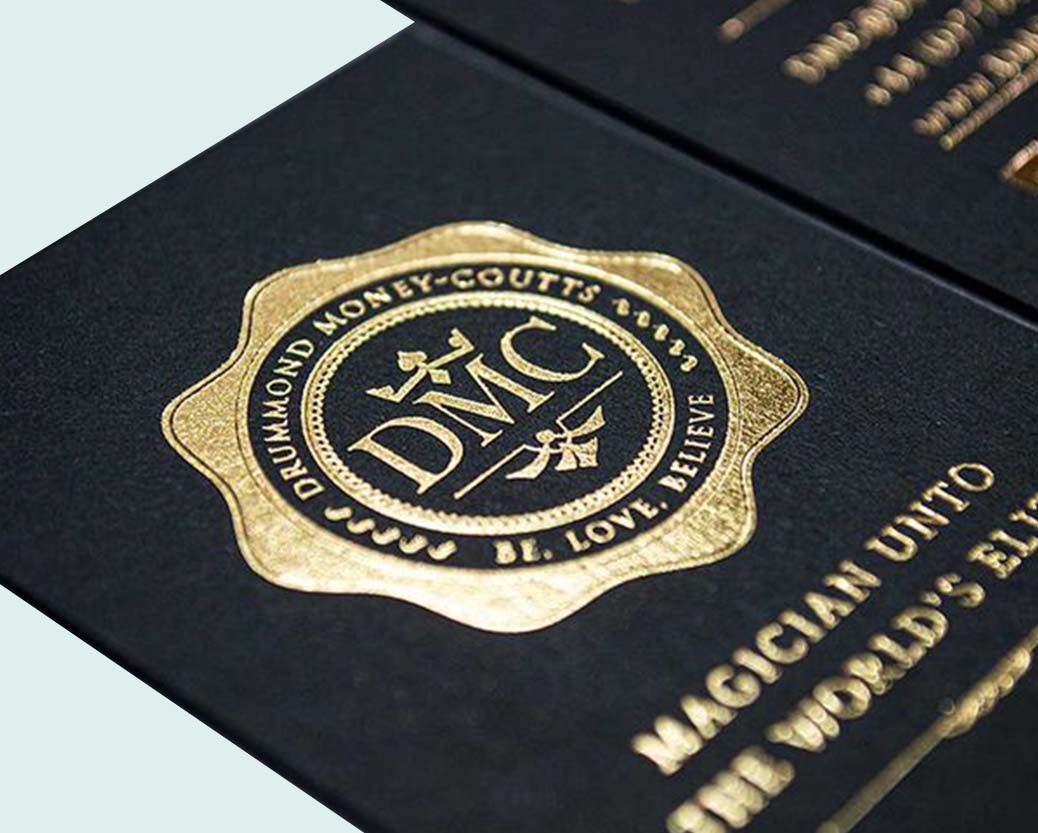
Enhance your product packaging with our premium foil stamping for a sophisticated touch.
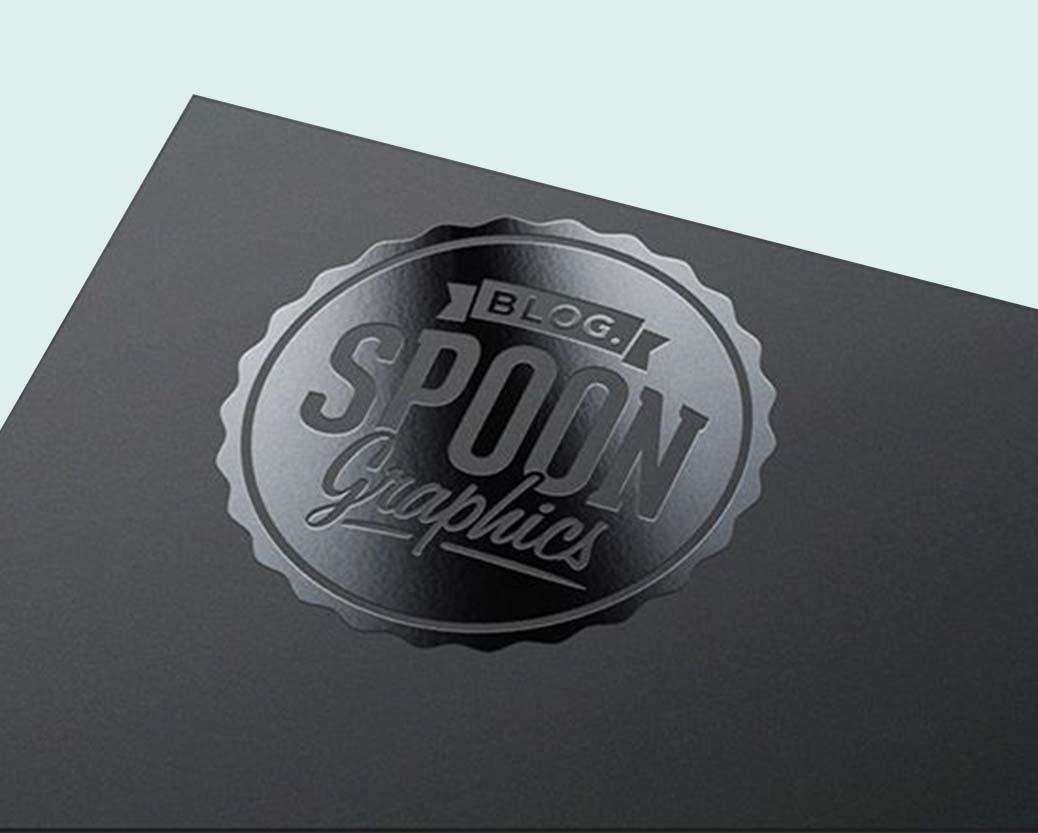
Our high-gloss UV coating enhances shine and provides a sleek, protective finish to your printed materials.
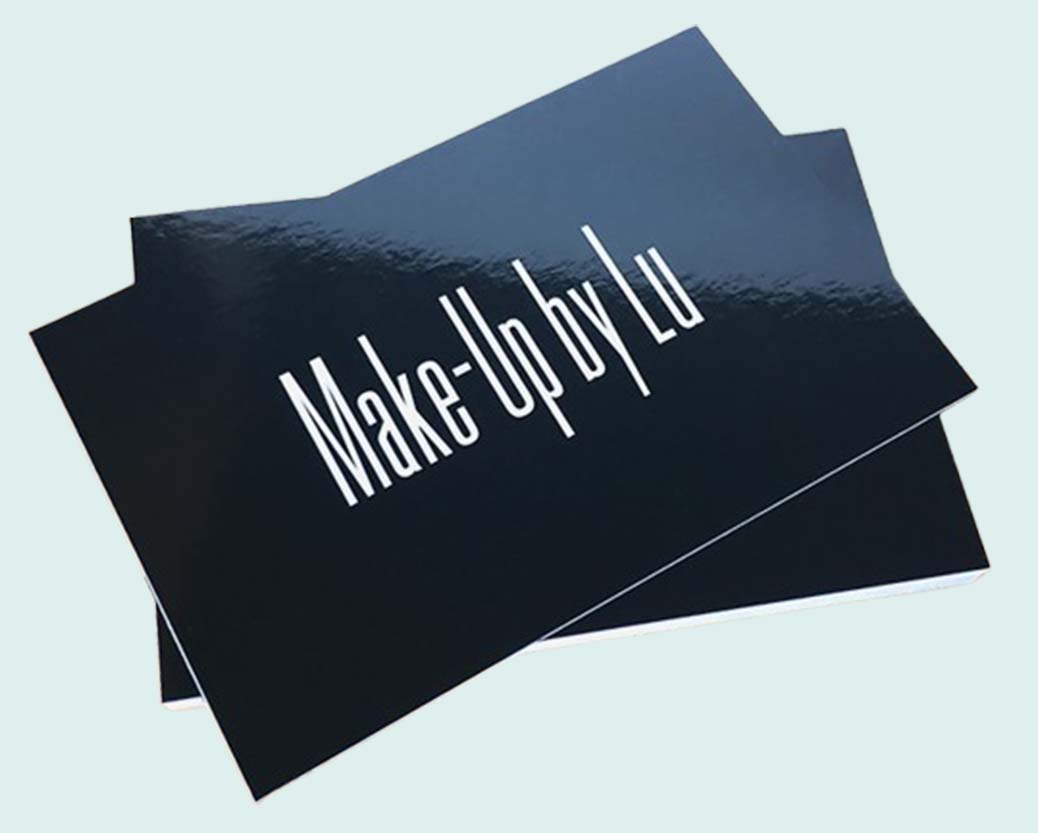
Our glossy finish adds a sleek, eye-catching shine to your packaging.
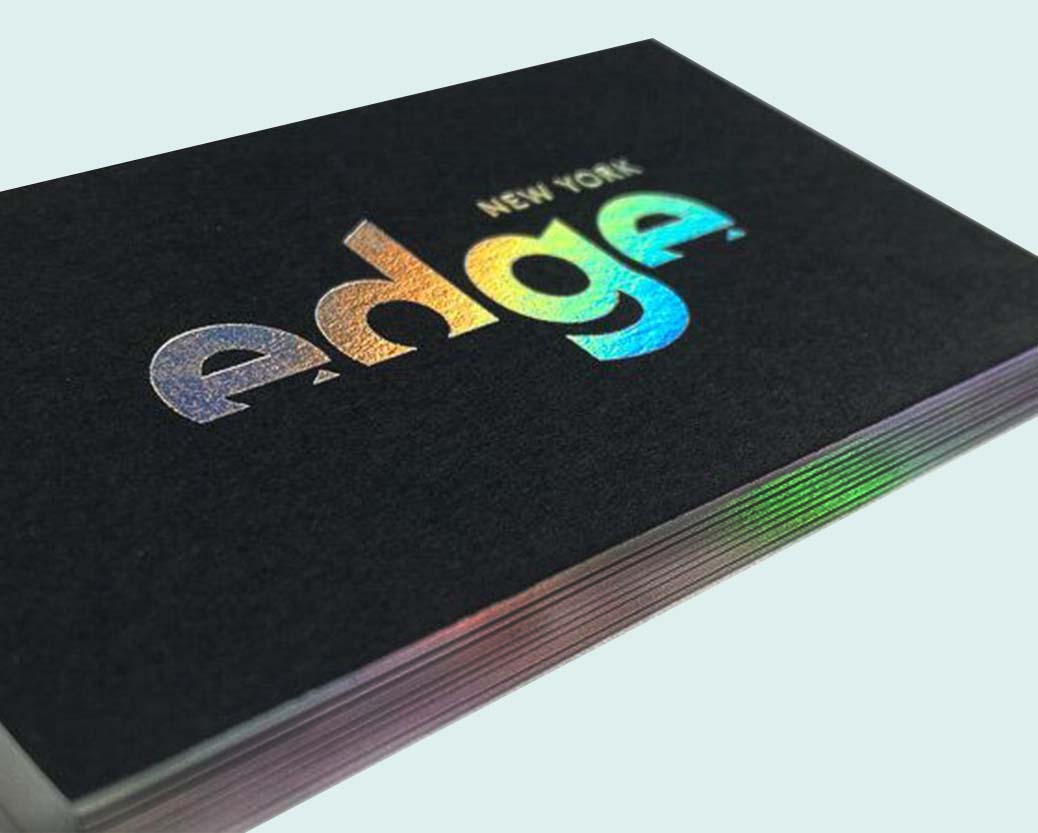
Holographic foil refracts light, creating a stunning rainbow effect from different angles.
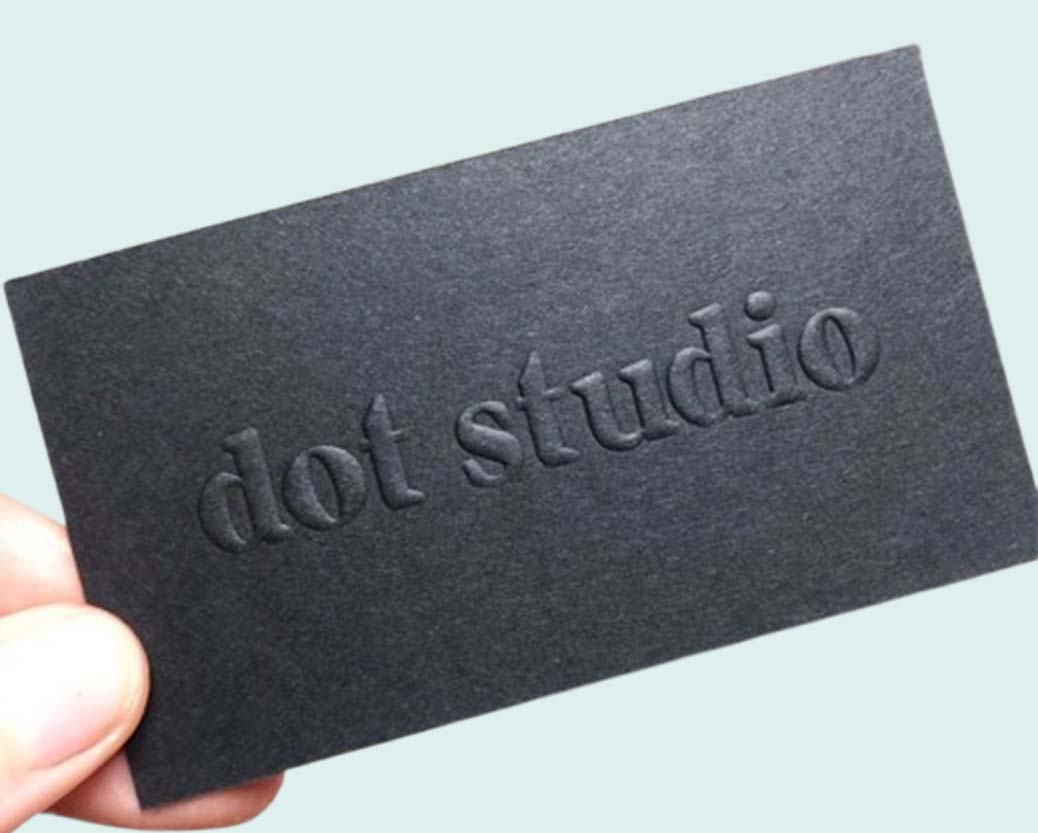
Our embossing technique captures the finest details, adding depth and elegance to your packaging.
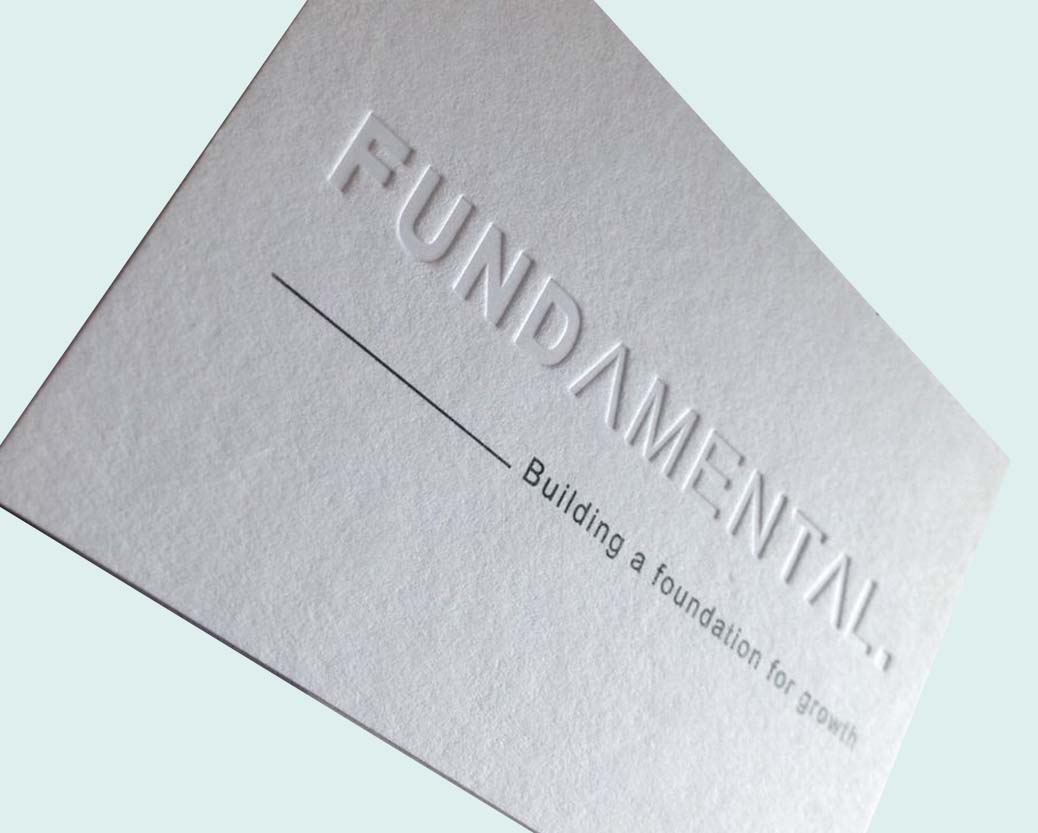
Our debossing technique imprints unique graphics into your packaging, creating a refined and tactile effect.

Our matte finish reduces the visibility of fingerprints and smudges, keeping your packaging looking clean and refined.
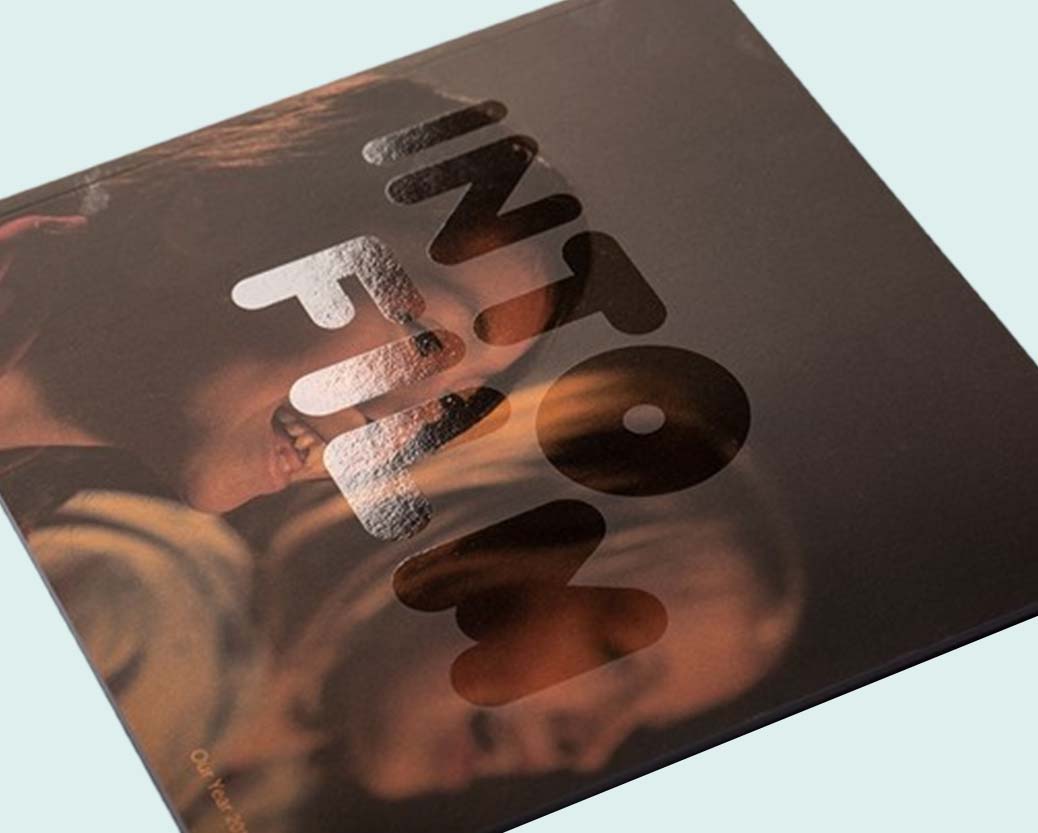
We apply a soft-touch lamination that adds an extra layer of protection, preventing toner chipping.
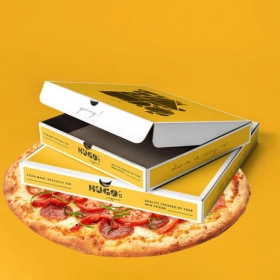
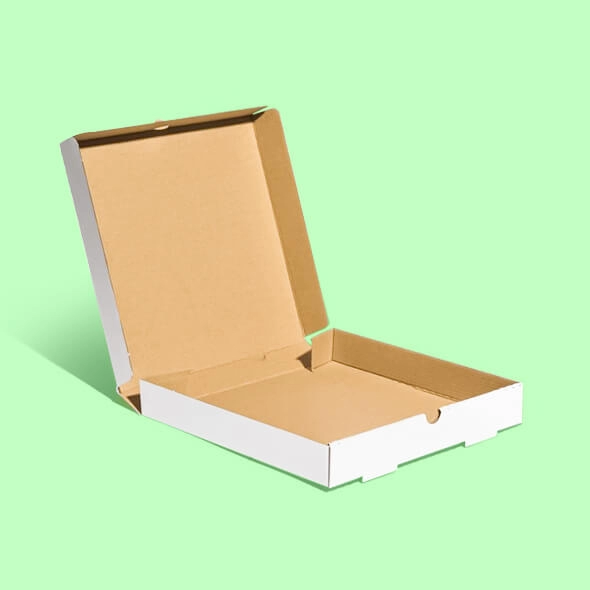
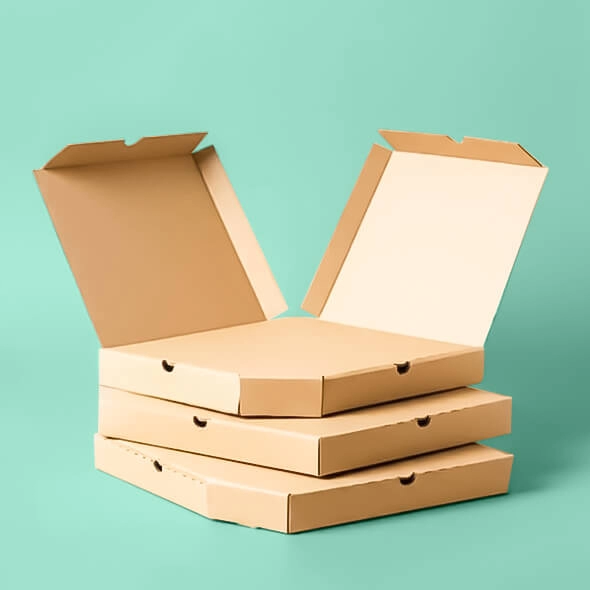
Custom Blank Pizza Boxes for Pizzerias, Restaurants, and Food Businesses
Pizza packaging plays an important role in the food-service and delivery industry. A pizza box is not simply a container used to move food from one location to another. It supports handling, presentation, heat management, order identification, branding, and the overall customer experience.
Custom blank pizza boxes give food businesses the flexibility to choose how their packaging is used. Boxes can remain plain for a simple appearance, be marked with stickers or stamps, or be developed with custom printing for a more consistent brand identity.
At Custom Boxes Zone, pizza boxes can be created for independent pizzerias, restaurant chains, food trucks, cloud kitchens, event caterers, grocery stores, bakeries, and other businesses that prepare flat food products. The box dimensions, board grade, closure, ventilation, artwork, and order quantity can be selected according to the product and delivery requirements.
What Are Blank Pizza Boxes?
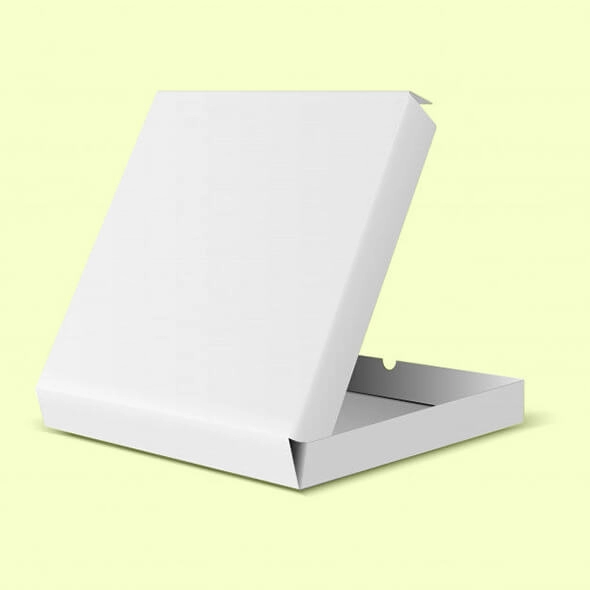
Blank pizza boxes are unprinted or minimally printed food-packaging boxes designed to hold pizzas during takeaway, collection, and delivery. Their plain surface makes them suitable for businesses that prefer a clean appearance or want to apply their own branding after production.
A blank box may be customized using:
- Printed labels
- Branded stickers
- Rubber stamps
- Food-order labels
- Promotional sleeves
- Tamper-evident seals
- Handwritten customer names
- Delivery instructions
- Limited-edition campaign graphics
Businesses can also order pizza boxes with professionally printed logos, colors, contact information, QR codes, or promotional messages.
The phrase “custom blank pizza boxes” generally refers to plain boxes manufactured in a business’s preferred size, structure, material, or quantity. Customization does not always have to involve full-color printing.
Packaging for the Modern Pizza Industry
The pizza industry serves customers through dine-in restaurants, counter collection, local delivery, third-party delivery platforms, food trucks, concession stands, catering services, and frozen or prepared-food retail.
Each sales channel creates different packaging requirements.
A neighborhood pizzeria may need dependable boxes for short-distance delivery. A restaurant chain may prioritize consistent branding across hundreds of locations. A food truck may need boxes that store efficiently in a limited space. A caterer may require multiple sizes for events, while a cloud kitchen may need clear labels to separate orders prepared for different delivery apps.
Custom pizza packaging allows businesses to select boxes based on their actual operations instead of adapting their products to a generic container.
Why Pizza Box Construction Matters
Pizza creates specific packaging challenges. It may be hot, oily, topped with moist ingredients, or transported over uneven roads. The packaging must support the pizza without making the box unnecessarily heavy or difficult to store.
A well-designed pizza box should:
- Support the weight of the pizza
- Remain stable during ordinary handling
- Provide enough internal space for the crust and toppings
- Close securely
- Allow boxes to be stacked appropriately
- Offer space for order labels and branding
- Be easy for employees to assemble
- Fit inside standard delivery bags when required
- Help manage heat and moisture during transportation
No pizza box can preserve the product indefinitely. Delivery distance, pizza temperature, toppings, weather conditions, box construction, ventilation, and handling can all influence the condition of the food when it arrives.
Custom Sizes for Different Pizza Styles
Pizza is prepared in many styles, shapes, and thicknesses. A thin-crust pizza does not necessarily require the same box depth as a deep-dish or heavily topped pizza.
Custom blank pizza boxes can be created for:
- Personal pizzas
- Small pizzas
- Medium pizzas
- Large pizzas
- Extra-large pizzas
- Square pizzas
- Rectangular pizzas
- Flatbreads
- Calzones
- Deep-dish pizzas
- Pizza slices
- Bakery products
- Catering portions
The internal dimensions should be selected according to the finished pizza rather than the baking pan alone.
A box that is too small may touch the toppings or damage the crust. A box that is much larger than the pizza may allow movement during delivery and use more material than necessary. Proper sizing can support presentation, storage, handling, and material efficiency.
Materials Used for Pizza Boxes
Pizza boxes are commonly manufactured from paper-based board materials. The appropriate material depends on the pizza’s size and weight, the required strength, printing expectations, delivery conditions, and budget.
Corrugated Board
Corrugated board is widely used for pizza packaging because its fluted construction provides strength while remaining relatively lightweight.
The corrugated layer can help create separation between the pizza and the outside environment. Different flute profiles and board grades may be considered depending on the box size, stacking requirements, and product weight.
Kraft Board
Kraft board has a natural brown appearance and is often chosen by brands that prefer simple, traditional, or rustic packaging.
It can be left plain, printed with a one-color logo, marked with a stamp, or combined with branded stickers. The final material composition and food-contact suitability should be confirmed before production.
White Board
White pizza boxes provide a bright surface for graphics, labels, and brand colors. They may be suitable for businesses looking for a clean, modern, or premium presentation.
White surfaces can make printed designs appear more vibrant, depending on the printing method and board properties.
Coated and Treated Materials
Some pizza-box applications may require materials designed to manage grease or moisture. The suitability of coatings, liners, inks, adhesives, and other components should be evaluated according to the intended food-contact application and applicable requirements.
Material claims should be based on verified specifications rather than assumptions about all paper-based packaging.
Plain Boxes and Custom-Printed Pizza Boxes
Blank boxes and printed boxes can serve different business needs.
Plain pizza boxes may be appropriate for:
- New pizzerias testing their packaging requirements
- Small-volume food businesses
- Restaurants with frequently changing menus
- Seasonal or temporary food stalls
- Businesses using custom labels
- Stores applying order information by hand
- Catering operations serving different clients
- Brands seeking a minimal presentation
Custom-printed boxes may be more suitable for businesses that want consistent brand visibility across every order.
Printing can include:
- Company logos
- Brand colors
- Store addresses
- Telephone numbers
- Website details
- Social media handles
- QR codes
- Reheating instructions
- Menu highlights
- Promotional offers
- Loyalty-program information
- Ingredient or allergen notices
- Disposal or recycling guidance
The selected information should remain accurate and easy to read. Important content should not be positioned across folds, closing tabs, ventilation openings, or areas likely to be covered by labels.
Turn Every Pizza Delivery Into a Branding Opportunity
A pizza box travels beyond the restaurant. Customers carry it through neighborhoods, apartment buildings, workplaces, schools, events, and public spaces. In that sense, branded pizza packaging can function as a moving advertisement.
However, effective pizza-box branding requires more than placing a large logo on the lid.
A useful design should help customers quickly recognize:
- Which restaurant prepared the order
- How to place another order
- Where the business is located
- How to follow the brand online
- Whether any promotional offer applies
- How to handle or reheat the product
The box should reflect the identity of the restaurant. A traditional Italian-style pizzeria may use classic typography and heritage-inspired graphics. A modern delivery brand may prefer bold colors and simple icons. A family restaurant might choose playful illustrations, while a premium artisan pizzeria may use a restrained design with minimal printing.
Consistent packaging can make a food business look more organized and memorable.
Pizza Boxes for Delivery and Takeaway
Pizza boxes used for collection may only travel a short distance, while delivery boxes can spend more time inside insulated bags, vehicles, and third-party courier systems.
Delivery packaging should be evaluated for:
- Box strength
- Pizza weight
- Delivery distance
- Stacking practices
- Ventilation
- Moisture accumulation
- Insulated-bag dimensions
- Employee handling
- Weather exposure
- Vehicle movement
Boxes should remain level whenever possible. Excessive stacking, rough handling, or placing heavy items on top of pizza boxes can affect both the packaging and the food.
Businesses using third-party delivery services should consider whether their boxes fit commonly used delivery bags and whether order labels remain visible during pickup.
Ventilation and Moisture Management
Freshly prepared pizza releases heat and moisture. When moisture remains trapped inside a closed box, it may affect the texture of the crust and weaken some board materials.
Ventilation openings can allow part of the steam to escape. Their size, number, and placement should be selected carefully because excessive ventilation may also contribute to heat loss.
The most appropriate design depends on:
- Pizza temperature at packing
- Crust thickness
- Topping moisture
- Delivery duration
- Box depth
- Board construction
- Local climate
- Use of insulated delivery bags
Packaging prototypes should be tested under realistic delivery conditions before a large production order is approved.
Grease Management and Pizza Box Liners
Pizza oils and toppings may come into contact with the base of the box. Depending on the application, businesses may consider liners, sheets, pads, or material treatments designed for food packaging.
Possible accessories include:
- Food-grade paper sheets
- Corrugated pizza circles
- Parchment-style liners
- Absorbent pads developed for food use
- Dividers for multiple items
- Small pizza supports or package savers
Any liner or insert that directly contacts food should be verified for its intended application.
Restaurants should also consider whether the additional component is necessary. Avoiding unnecessary packaging can reduce material use, storage requirements, and disposal complexity.
Easy Assembly for Busy Food-Service Operations
Pizza restaurants often process many orders during short periods. Packaging that is difficult to assemble can slow down service and create inconsistencies between employees.
A practical pizza box should be:
- Supplied flat for efficient storage
- Easy to fold
- Simple to lock into position
- Stable after assembly
- Convenient to open and close
- Suitable for the available preparation space
The assembly method should be tested by the employees who will use the packaging. Clear fold lines and reliable locking tabs can support faster preparation during peak hours.
Boxes should be stored in a dry, organized area away from contamination, excessive heat, and moisture.
Packaging for Pizza Slices and Individual Portions
Not every customer orders a full pizza. Slice shops, convenience stores, stadium vendors, schools, cafés, and event caterers may need smaller packaging for individual portions.
Pizza-slice packaging can help:
- Reduce unnecessary space
- Improve portability
- Separate individual orders
- Support counter service
- Simplify labeling
- Reduce the need to use a full-sized box
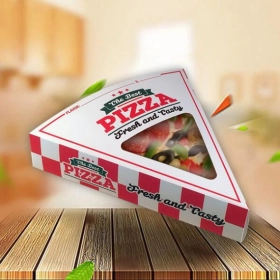
Available structures may include triangular slice boxes, clamshell-style cartons, small folding boxes, or flat food trays with covers.
The box should be selected according to the slice dimensions, topping height, serving temperature, and intended holding time.
Pizza Packaging for Catering and Events
Caterers and event businesses may handle large quantities of pizza for parties, corporate events, schools, weddings, and community gatherings.
Their packaging may require:
- Multiple box sizes
- Clear order identification
- Client-specific labels
- Easy stacking
- Stronger board grades
- Simple assembly
- Space for serving instructions
- Packaging for slices and full pizzas
- Coordinated boxes for side dishes
Blank pizza boxes are particularly useful for caterers serving different clients. The same box can be adapted with event labels, branded stickers, handwritten notes, or temporary promotional materials.
Wholesale Blank Pizza Boxes
Ordering blank pizza boxes wholesale can help restaurants maintain a consistent packaging supply and reduce the need for frequent small purchases.
Bulk ordering may suit:
- Independent pizzerias
- Multi-location restaurant groups
- Food-service distributors
- Catering businesses
- Delivery-only kitchens
- Franchise operators
- Grocery and prepared-food departments
- Event venues
- School and workplace cafeterias
Before placing a wholesale order, evaluate:
- Average weekly pizza volume
- Available storage space
- Required box sizes
- Board strength
- Printing requirements
- Number of restaurant locations
- Seasonal demand
- Delivery schedules
- Assembly process
- Minimum order quantities
Ordering more boxes than the business can store safely may create operational problems. Packaging should remain dry, clean, and protected until use.
Sustainable Pizza Packaging Considerations
Food businesses and customers are increasingly interested in reducing unnecessary packaging and improving material choices. However, environmental terminology should be used accurately.
A paper-based pizza box is not automatically recyclable or biodegradable in every situation. Grease, food residue, coatings, adhesives, inks, local waste-processing rules, and material composition can all affect disposal options.
Businesses can take a more practical approach by considering:
- Right-sized boxes
- Reduced material use
- Verified paper sources
- Recyclable components where facilities accept them
- Limited use of unnecessary coatings
- Clear disposal instructions
- Efficient shipping and storage
- Fewer separate packaging components
Claims such as “eco-friendly,” “compostable,” “biodegradable,” or “100% recyclable” should only be published when they are supported by the material specifications and relevant disposal conditions.
Clear, qualified information is more useful to customers than broad environmental promises.
Pizza Box Printing and Food Packaging
Pizza-box artwork should be developed with the packaging structure and intended use in mind.
Printing options may vary depending on order quantity, board material, design complexity, and production process. A simple one-color logo can create a recognizable appearance without covering the entire box. More detailed printing can be used for promotional graphics, restaurant stories, menu information, or interactive campaigns.
When planning artwork, consider:
- Logo visibility
- Color consistency
- Text readability
- Contact-information accuracy
- Placement of stickers
- Ventilation openings
- Fold and cut lines
- Ink coverage
- Delivery-app labels
- Promotional expiration dates
Designs should be reviewed using an approved dieline before production.
QR Codes and Interactive Packaging
A QR code can connect physical pizza packaging with a restaurant’s digital channels.
It may direct customers to:
- An online ordering page
- A digital menu
- A loyalty program
- Social media accounts
- A review page
- Reheating instructions
- Current promotions
- Catering information
- Store locations
- Allergen information
The QR code should be printed at a usable size and placed on a flat area with sufficient contrast. It should also be tested on multiple devices before the artwork is approved.
The destination page should remain active, mobile-friendly, and relevant to the customer.
Creating a Consistent Restaurant Packaging System
Pizza boxes are often used alongside other packaging products. A coordinated system can give every order a more professional appearance.
Related packaging may include:
- Pizza-slice boxes
- Garlic-bread boxes
- Side-dish cartons
- Food trays
- Sauce containers
- Drink carriers
- Delivery bags
- Napkin sleeves
- Cutlery packaging
- Catering boxes
- Printed stickers
- Tamper-evident labels
These items do not need to look identical, but they should share recognizable colors, typography, logos, or graphic elements.
A consistent packaging system can help customers connect individual products with the same restaurant brand.
Quality Checks Before Production
Before ordering a complete production quantity, businesses should review the box structure and artwork carefully.
Important checks include:
- Internal box dimensions
- Pizza fit
- Box depth
- Board strength
- Ease of assembly
- Locking-tab performance
- Ventilation placement
- Print alignment
- Text accuracy
- Barcode or QR-code function
- Food-contact requirements
- Delivery-bag compatibility
A prototype or production sample can help reveal issues that may not be obvious on a digital design.
Testing should reflect real operating conditions. Place an actual pizza in the sample box, assemble it during a busy service simulation, stack it, carry it in the usual delivery bag, and assess its condition after a realistic journey.
Why Choose Custom Boxes Zone?
Custom Boxes Zone provides custom packaging solutions for food businesses with different product sizes, branding goals, quantities, and distribution methods.
Our team can assist with:
- Custom pizza-box dimensions
- Plain and printed packaging options
- Material selection
- Structural design
- Artwork preparation
- Logo placement
- Ventilation features
- Pizza-slice packaging
- Wholesale quantities
- Box prototypes
- Coordinated food packaging
- Production planning
Our objective is to create packaging that supports the way your business prepares, sells, and delivers pizza.
Available materials, minimum quantities, printing methods, food-contact specifications, production schedules, and shipping terms should be confirmed during the quotation process.
Order Custom Blank Pizza Boxes
Choose blank pizza boxes that fit your pizzas, workflow, and brand requirements. Whether you need plain boxes for labels and stamps or custom-printed packaging for a consistent restaurant identity, the right structure can support product handling and presentation.
Custom blank pizza boxes can be developed for local pizzerias, restaurant chains, food trucks, catering companies, cloud kitchens, retail food departments, and delivery businesses.
Provide your required box dimensions, pizza style, estimated quantity, preferred material, printing requirements, and delivery location to request a custom quotation from Custom Boxes Zone.