Custom Cat Food Boxes That Strengthen Product Presentation
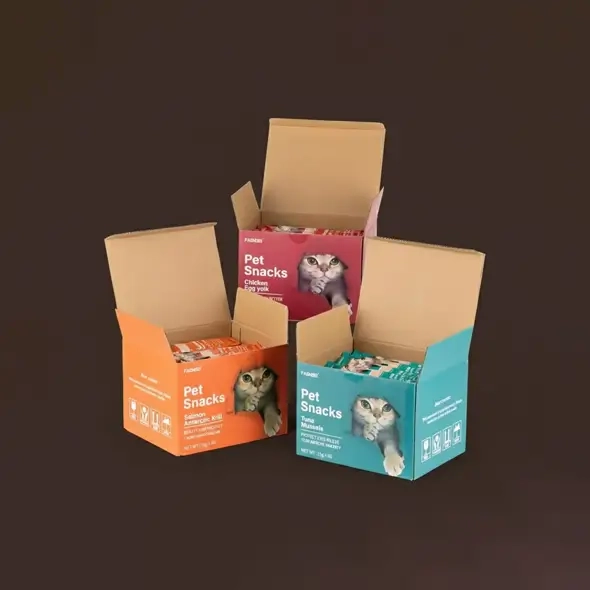
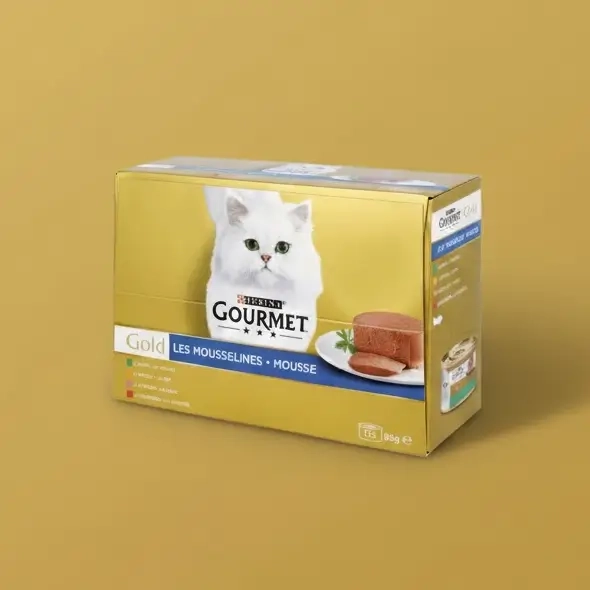
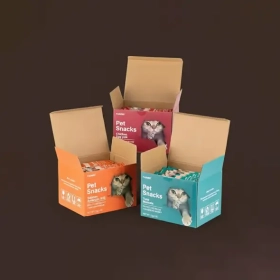
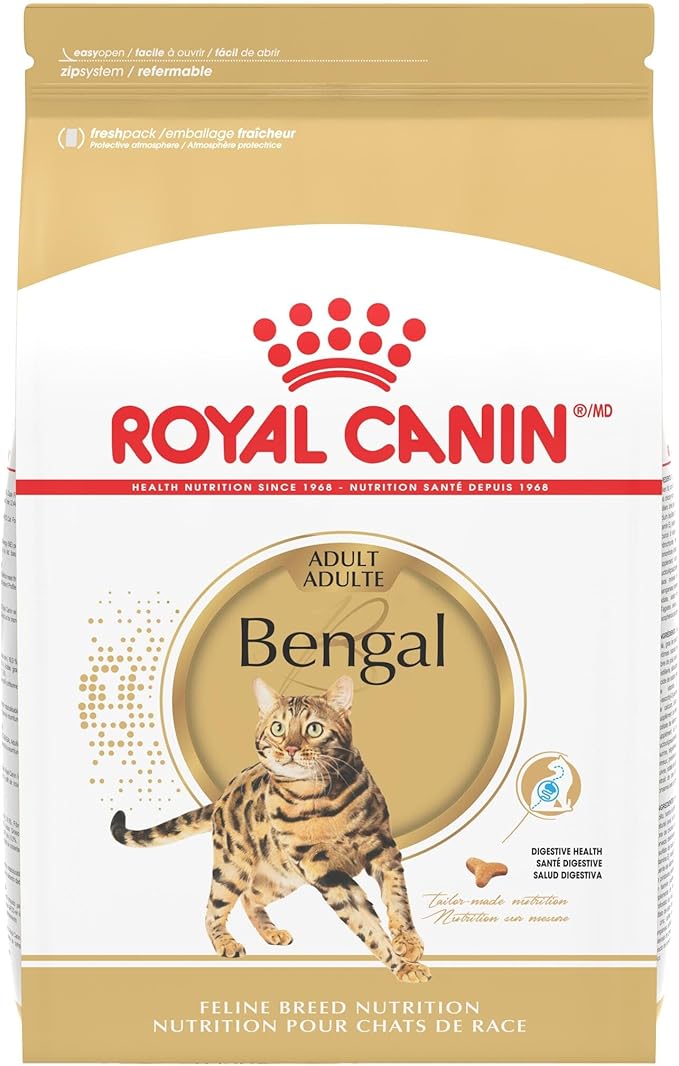
Pet owners judge a food product by more than flavor alone. They also look for clear information, dependable protection, convenient handling, and a brand they can trust. Custom cat food boxes give pet food companies the freedom to combine those needs in one planned package. Instead of placing every formula in a generic carton, you can select the dimensions, stock, structure, artwork, and finish required for your product. These boxes can be created for dry-food pouches, wet-food cans, meal trays, treat packs, supplement jars, sample kits, and monthly subscription assortments. A well-proportioned box keeps containers organized, improves shelf presentation, and gives your marketing message space to communicate clearly.
Packaging Solutions for Different Cat Food Products
Boxes for Dry Food and Kibble
Dry kibble is normally packed in a sealed pouch or bag before being placed inside secondary packaging. A folding carton can add rigidity, create a flat printable surface, and make smaller bags easier to display. It also provides room for feeding guidance, ingredient highlights, product benefits, and brand storytelling.
Multipack Boxes for Wet Food
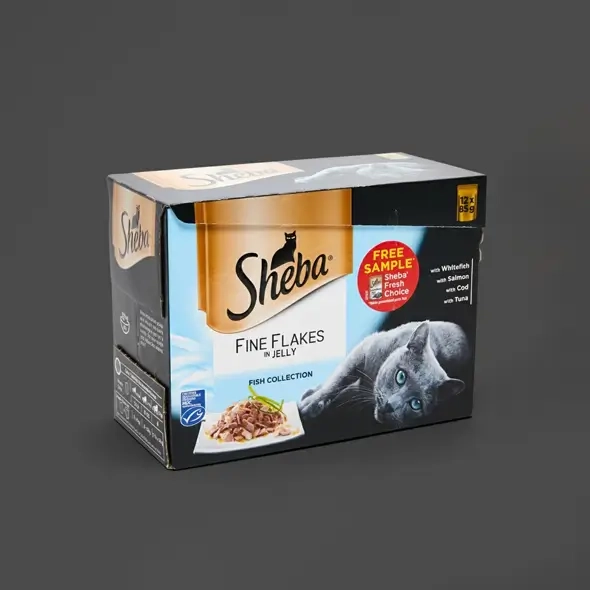
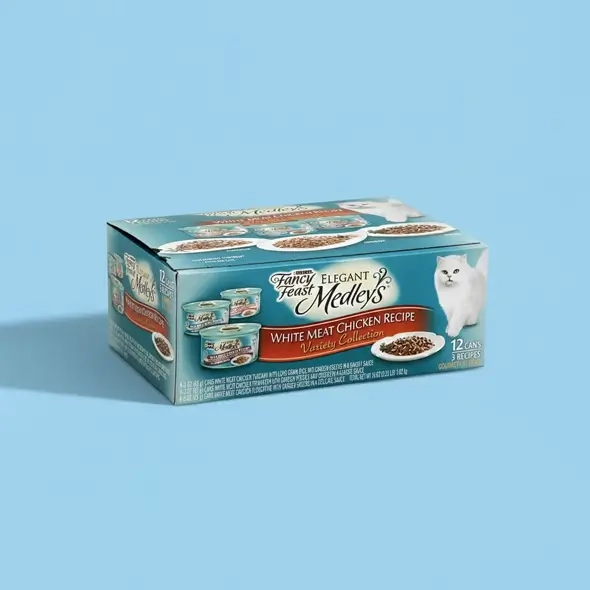
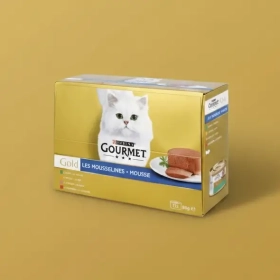
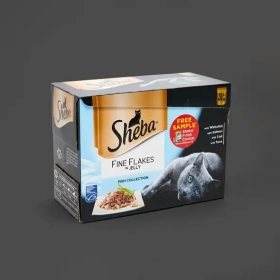
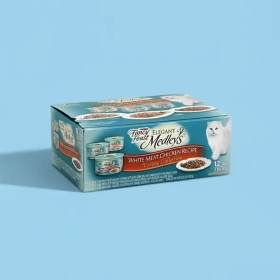
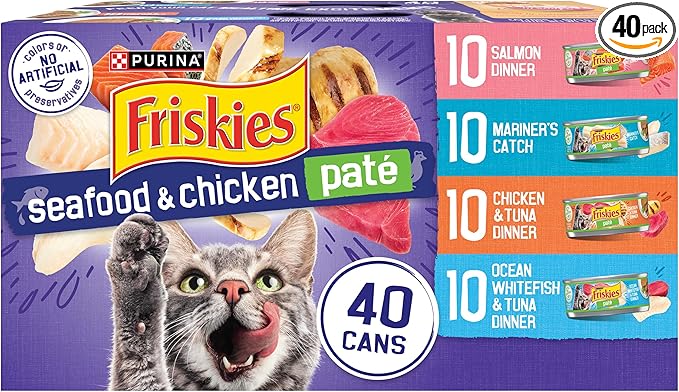
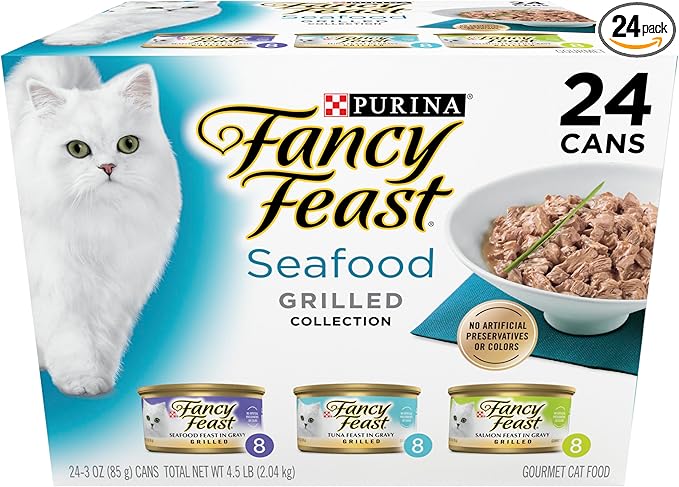
Wet food is commonly supplied in cans, cups, trays, or pouches. Multipack cartons help group several units into a single retail product. Internal dividers, reinforced bottoms, or snug sleeves can keep each container aligned and prevent movement. Board strength should reflect the total packed weight. Carrying cutouts may be added, but they must be positioned carefully so the surrounding panels remain secure during lifting, stacking, and transport.
Packaging for Treats and Supplements
Treats, dental chews, freeze-dried bites, vitamins, and supplements suit compact tuck cartons, sleeves, drawer boxes, or displays. Inserts can hold jars, sachets, droppers, and sample packets neatly.
Accurate Sizes for a Secure Product Fit
Correct sizing reduces product movement, excess material, and wasted shipping space. Boxes can be manufactured for one item, a multipack, or a complete product collection.
How to Measure the Product Correctly
Arrange the containers exactly as they will appear inside the finished box. Measure the total length from left to right, the width from front to back, and the height from the base to the highest point. Add only enough clearance for easy loading, inserts, liners, and variation. Filled pouches should be measured in their filled form instead of lying flat. For cans or jars, include the diameter, lid profile, labels, and protective dividers. When several units are packed together, calculate the full arrangement and the thickness of every partition.
Useful Starting Size Examples
A compact treat carton may begin around 4 x 2 x 6 inches. A small kibble-pouch box may start near 5 x 3 x 8 inches. A six-can multipack could begin around 8 x 6 x 3.5 inches, depending on the can diameter and layout. Subscription mailers may start around 12 x 9 x 4 inches. These dimensions are planning references, not fixed standards. Review a dieline, three-dimensional mockup, or physical sample before production to confirm the fit and closure.
Material Choices for Retail and Shipping Needs
Material affects strength, print quality, shipping weight, sustainability, and customer perception. Select stock according to the packed weight and distribution environment.
Cardboard and Paperboard
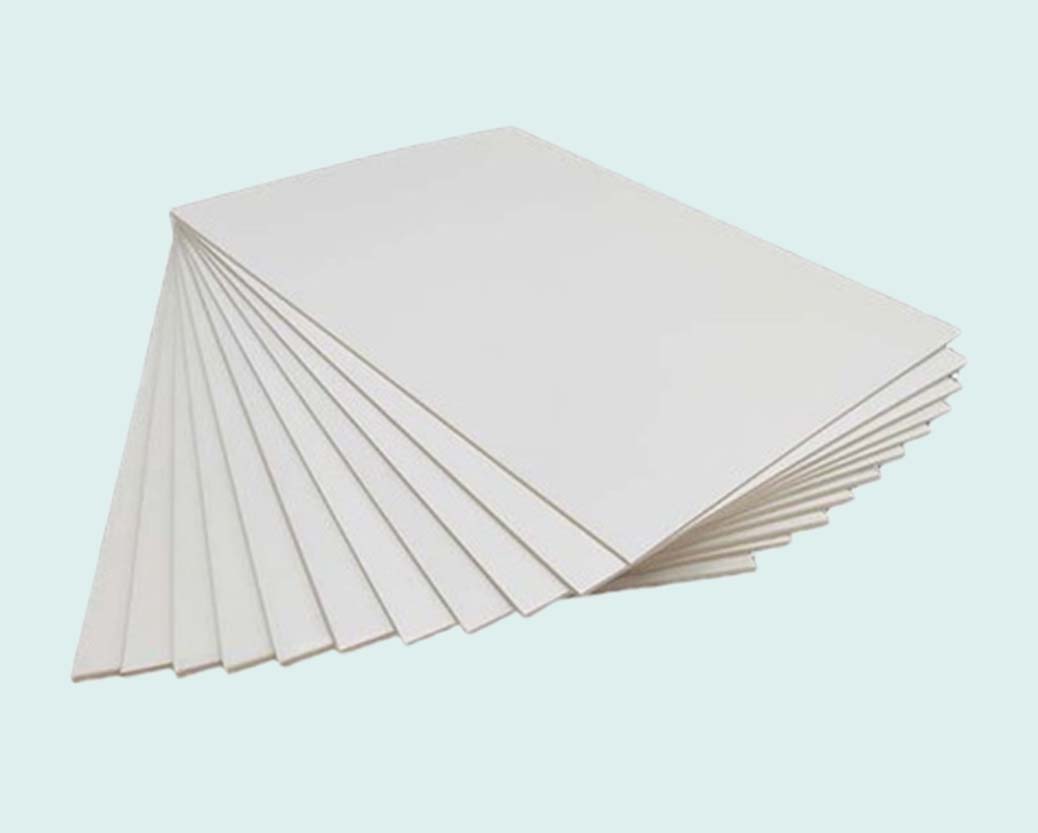
Cardboard is a practical option for printed cat food boxes because it folds efficiently and provides a smooth surface for detailed graphics. It works for tuck-end cartons, sleeves, lightweight multipacks, window boxes, and countertop displays. Lighter stocks suit sample sachets and treats, while thicker grades support jars, cans, and larger pouches. Scoring, die cutting, gluing, and perforation can be incorporated into the structure.
Natural Kraft Stock
Kraft paperboard gives packaging an earthy appearance. It suits natural, limited-ingredient, and sustainability-focused ranges. Dark ink, white printing, simple illustrations, and restrained color palettes can create a distinctive look on its brown surface. Because Kraft changes the appearance of some colors, review a proof before production. A bright sleeve or label can add contrast when required.
Corrugated Board
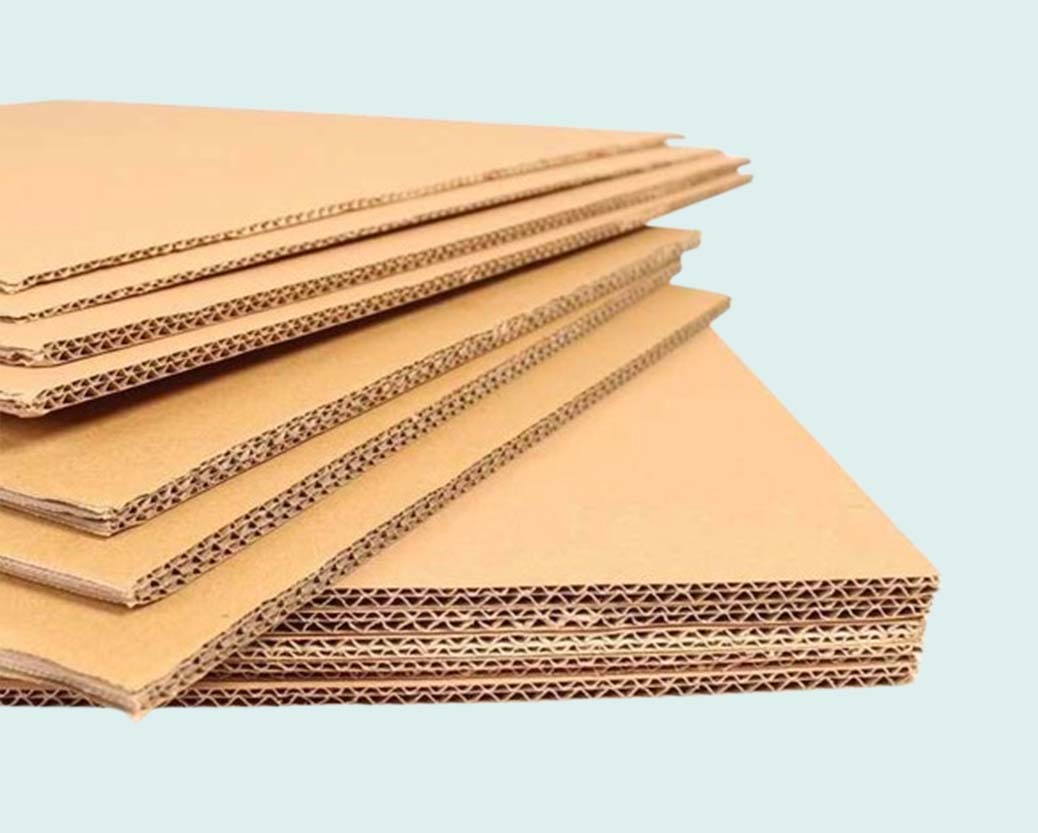
Corrugated material has a fluted inner layer that improves resistance to crushing and impact. It is suitable for e-commerce orders, wholesale cases, heavier multipacks, and subscription deliveries. Custom partitions can stop cans, jars, and pouches from colliding during transit.
Rigid Packaging for Premium Collections
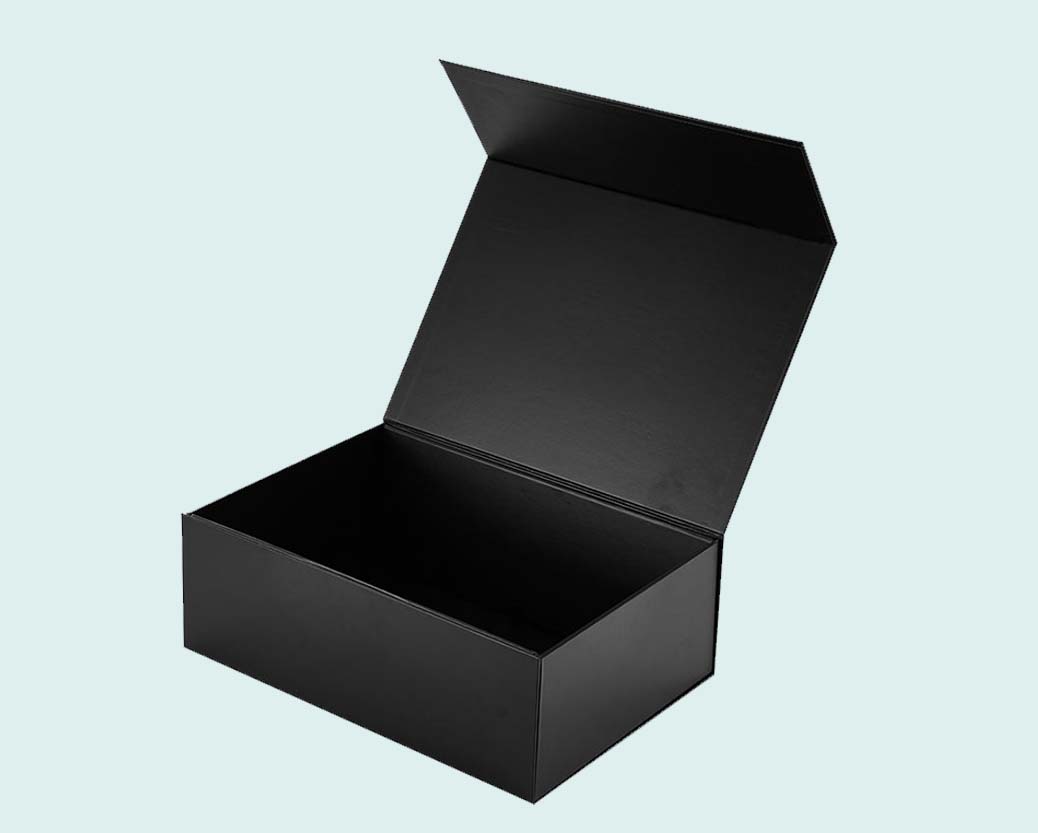
Rigid board creates a substantial presentation for gourmet treats, holiday gift sets, influencer mailers, and premium nutrition collections. Two-piece, magnetic, drawer, and book-style boxes can be paired with fitted paperboard or molded inserts. Decorative wraps, ribbon pulls, metallic details, and soft-touch finishes can give these high-value collections a more exclusive opening experience.
Functional Box Styles and Opening Options
Structure should support filling speed, shelf use, storage, and customer convenience. Straight-tuck and reverse-tuck cartons are efficient for lightweight products. Auto-lock bottoms offer quicker assembly and additional support, while seal-end cartons provide a more permanent closure.
Retail display boxes can use perforated sections that remove cleanly to reveal the products. Sleeves can hold cans or trays together with minimal material. Gable boxes add carrying handles, and tray-and-sleeve structures create a controlled reveal for gift sets.
Printing That Communicates Quality and Trust
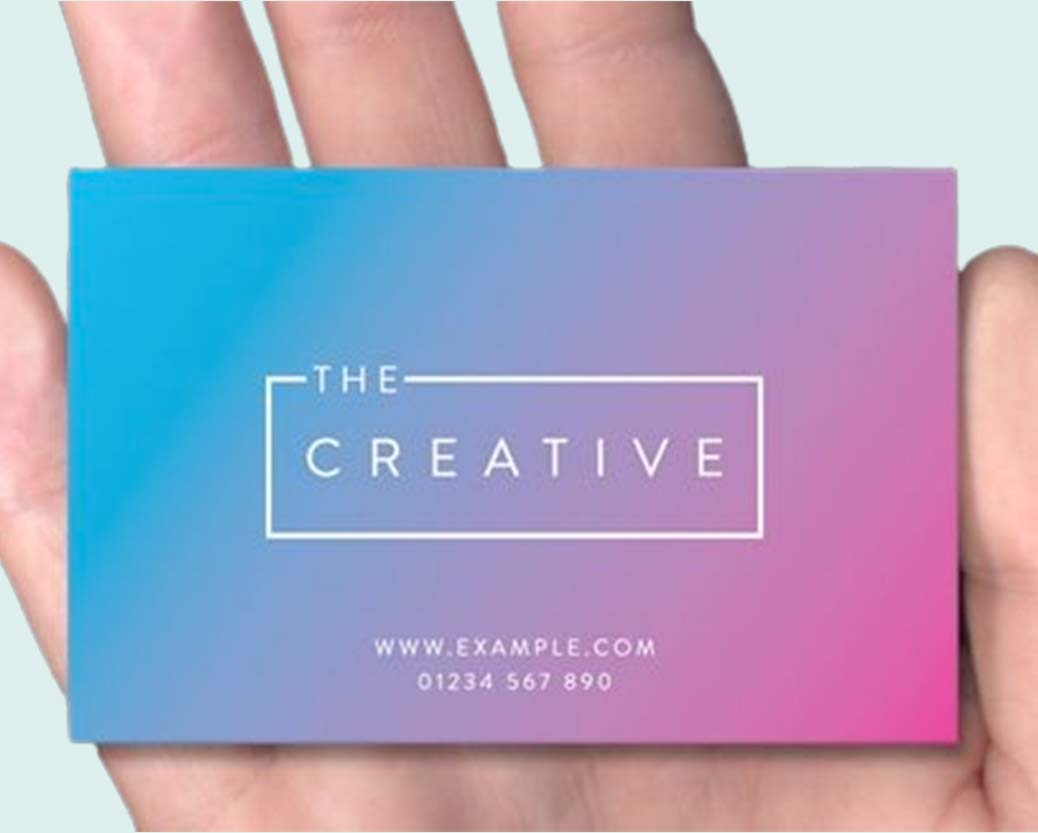
Successful artwork should make information easy to scan while expressing the brand’s personality. Cat food boxes with logo printing can use consistent colors, typography, illustrations, and layouts across kitten, adult, senior, indoor, and special-diet ranges. CMYK printing suits photographs, gradients, and multicolor artwork. PMS colors can help maintain important brand shades. Digital printing works for prototypes and shorter campaigns, while offset printing supports larger quantities and detailed designs.
Panels can carry the product name, flavor, net quantity, ingredients, nutritional details, feeding directions, storage guidance, barcode, batch area, website, and customer-service information. Final artwork should be checked against the labeling rules in every intended sales market.
Building a Clear Product Family
Keep the logo and major layout elements in consistent positions, then use color, icons, or photography to separate flavors and life stages. This strengthens recognition while helping shoppers compare products quickly. Important text should remain readable at print size. Decorative elements must not compete with feeding instructions, warnings, or other essential information.
Finishes That Improve Shelf Appeal
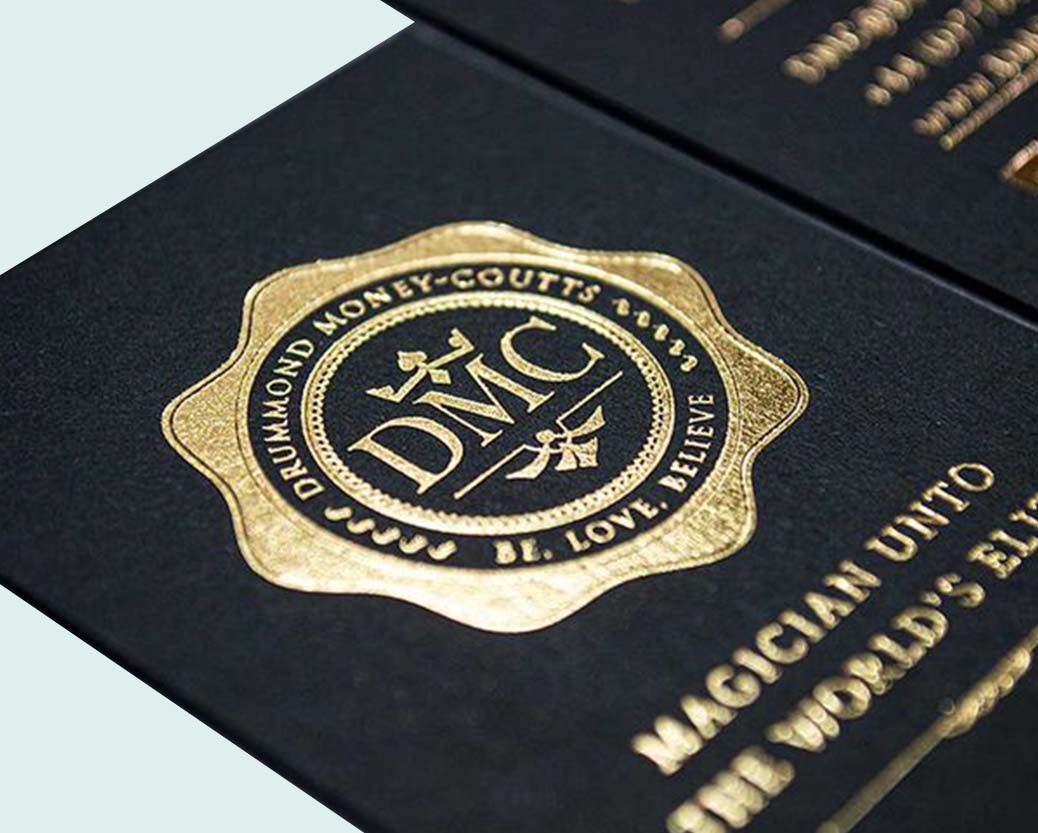
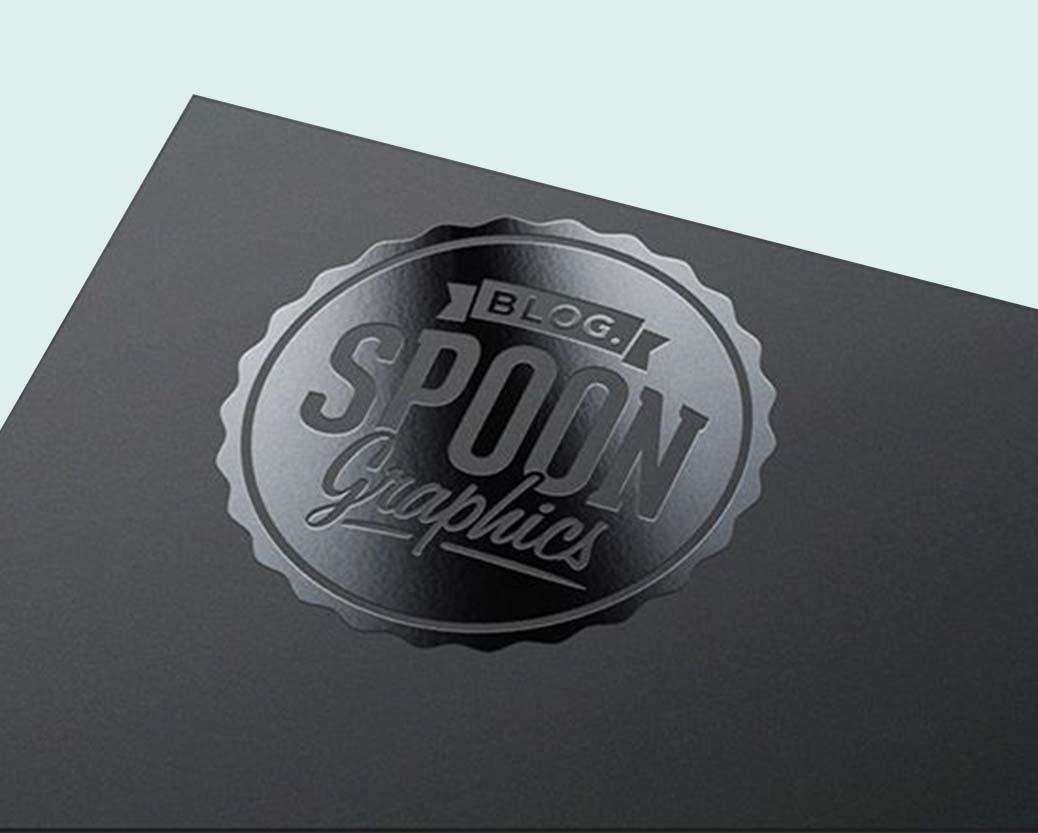
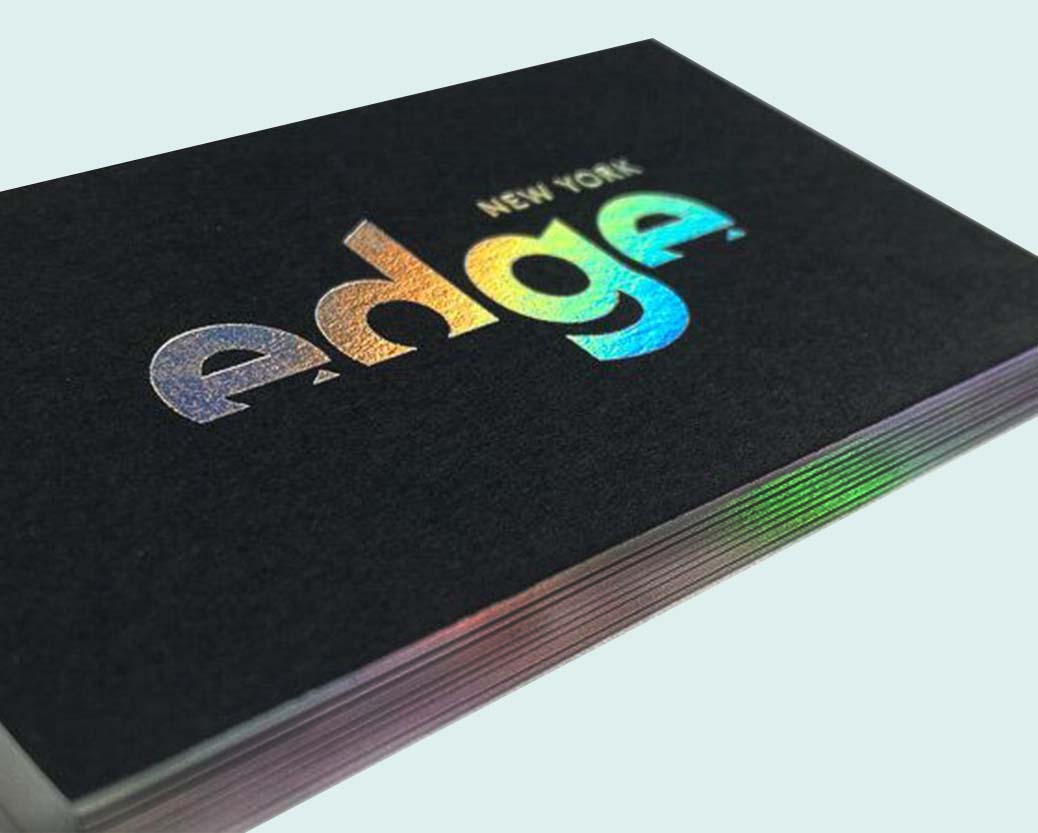
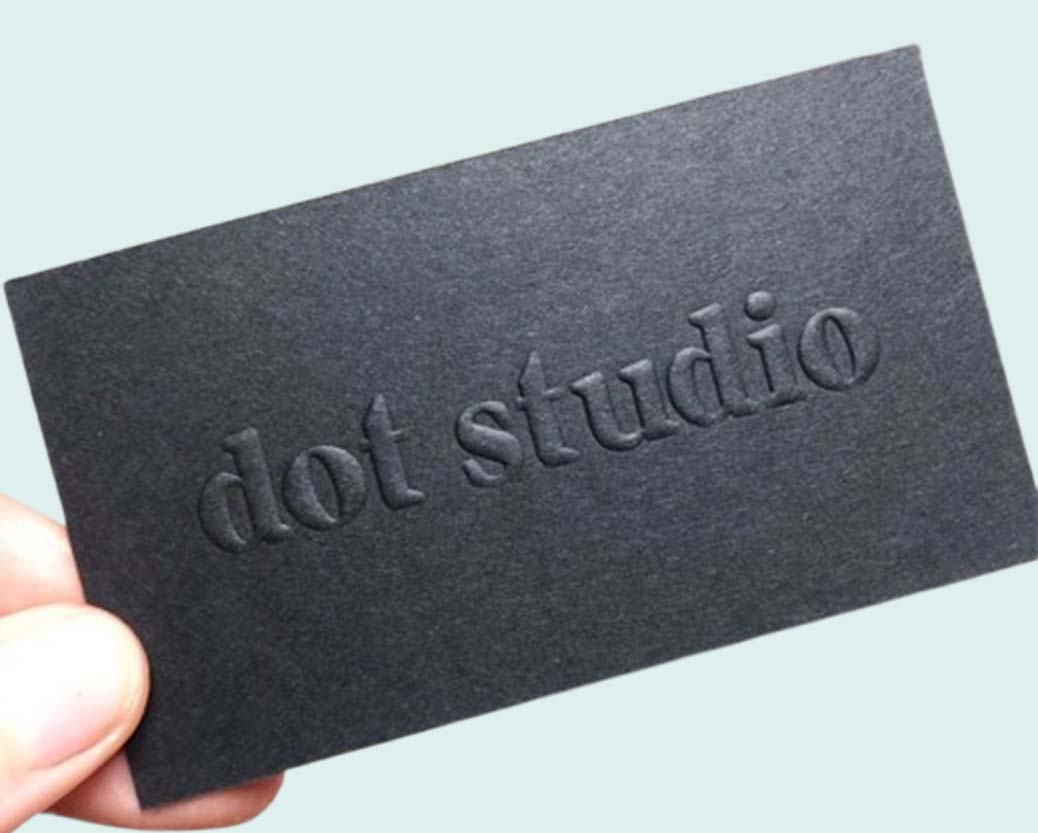
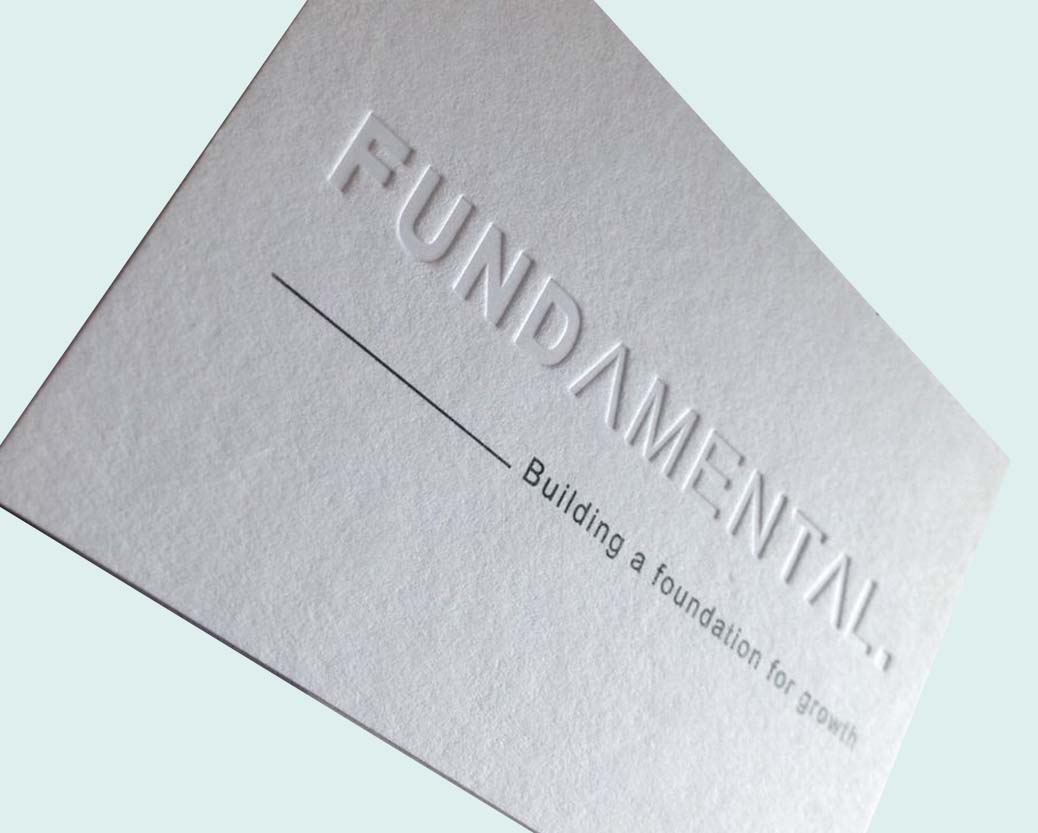
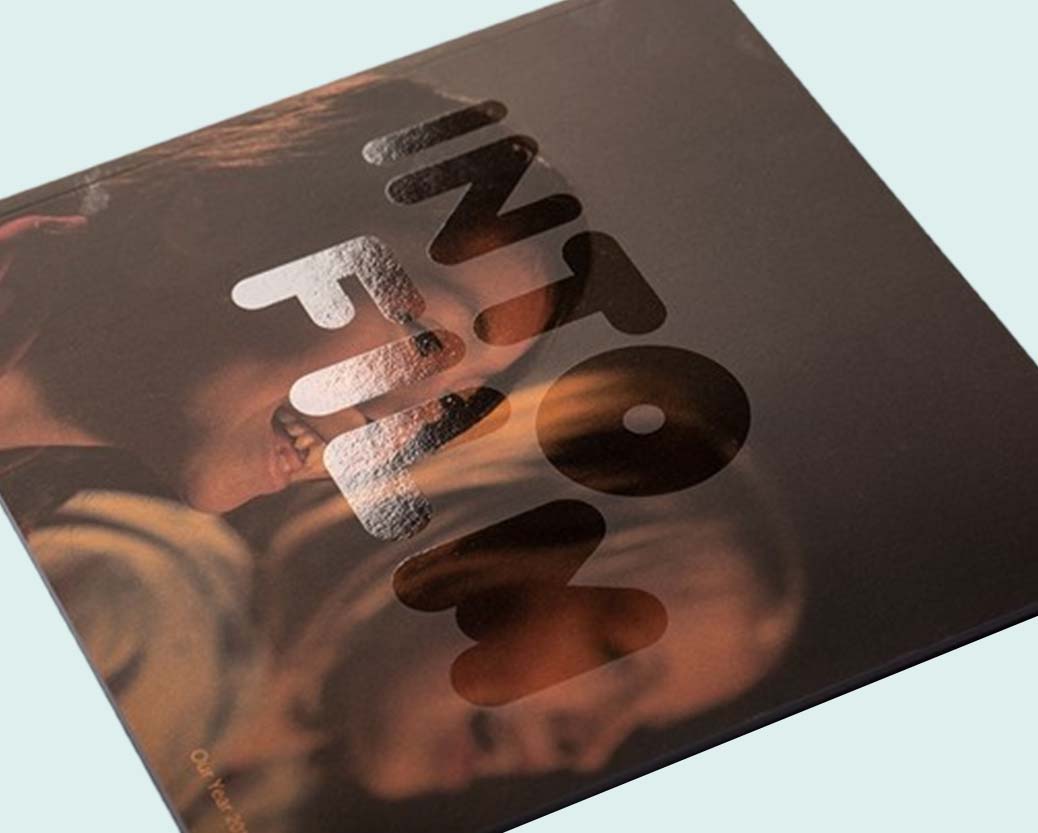
Finishing options add protection, texture, and contrast. Matte lamination creates a refined, low-glare surface. Gloss lamination adds shine and can make photography appear vivid. Soft-touch lamination gives premium cartons a smooth, velvety feel. Spot UV can highlight a logo or product name. Foil stamping adds metallic detail, while embossing and debossing create tactile depth. Holographic foil may suit promotional collections.
Choose finishes with purpose. One or two well-placed effects usually look professional without overcrowding.
Inserts and Dividers for Better Organization
Paperboard partitions separate cans and jars, while die-cut inserts hold supplement bottles, scoops, sachets, or promotional items. Folded platforms can raise products to improve presentation without adding unnecessary filler. The insert should remain stable when the carton is lifted, stacked, or tilted. Testing prototypes for compression, vibration, and drops can reveal weaknesses before production.
Cat Food Boxes Wholesale for Growing Brands
Ordering cat food boxes wholesale helps established companies and growing startups maintain consistent packaging across larger runs. Higher quantities may reduce unit costs, simplify replenishment, and support coordinated launches across several flavors. Before approving bulk production, review the dimensions, board grade, packed weight, artwork, finishes, insert, assembly method, and shipping format. Also consider how much warehouse space flat or assembled cartons will require. One core structure can support a product family while colors, labels, or artwork change, creating efficiency without losing each formula’s identity.
Sustainable Cat Food Packaging Decisions
Sustainability begins with using the correct amount of material, avoiding oversized cartons, reducing unnecessary layers, and choosing a structure that prevents damage and product waste. Recyclable paperboard, Kraft, corrugated stock, and fiber-based inserts can support paper-focused designs. Coatings, windows, adhesives, and mixed materials should also be considered because they may affect local recycling options. When food will touch the package directly, the complete material system should be assessed for that application. Often, the carton functions as secondary packaging around a sealed pouch, can, cup, or jar.
Packaging for Retail, E-Commerce, and Subscriptions
Retail packaging needs strong shelf presence, clear navigation, and efficient stacking. E-commerce packaging needs greater resistance against impact and compression. Subscription boxes should organize several products while creating an enjoyable opening sequence. Custom cat food boxes can be adapted for each sales channel. A retail carton may sit inside a corrugated shipping case, while a direct-to-consumer mailer can carry branding on its exterior and interior.
Why Choose Custom Boxes Zone
Custom Boxes Zone provides flexible sizes, multiple paper stocks, structural options, full-color printing, special finishes, and proofing support. Projects can be planned around the primary container, packed weight, required quantity, distribution method, and brand identity.
Start Your Packaging Project
Begin by sharing the product type, filled dimensions, weight, desired quantity, preferred material, and intended sales channel. Add your artwork, logo, finishing preferences, and insert requirements so the structure can be planned accurately. Well-designed custom cat food boxes can support product protection, organized displays, efficient distribution, and stronger brand recognition. With the right size, stock, printing, and structure, your packaging can present every formula professionally from production to the customer’s home.