

















| Box Style | As Mention Above |
|---|---|
| Dimension (L + W + H) | All Custom Sizes & Shapes |
| Minimum Run ( For Boxes and Mylar Bags) | 100 Boxes - 1000 Mylar Bags ( 500 each design) |
| Paper Stock | 10pt to 28pt (60lb to 400lb) Eco-Friendly Kraft, E-flute Corrugated, Bux Board, Cardstock |
| Printing | No Printing, CMYK, CMYK + 1 PMS color, CMYK + 2 PMS colors |
| Finishing | Gloss Lamination, Matte Lamination, Gloss AQ, Gloss UV, Matte UV, Spot UV, Embossing, Foiling |
| Included Options | Die Cutting, Gluing, Scored,Perforation |
| Additional Options | Eco-Friendly, Recycled Boxes, Biodegradable |
| Proof | Flat View, 3D Mock-up, Physical Sampling (On request) |
| Turnaround | 7 - 8 Business Days |
| Shipping | FLAT Position |
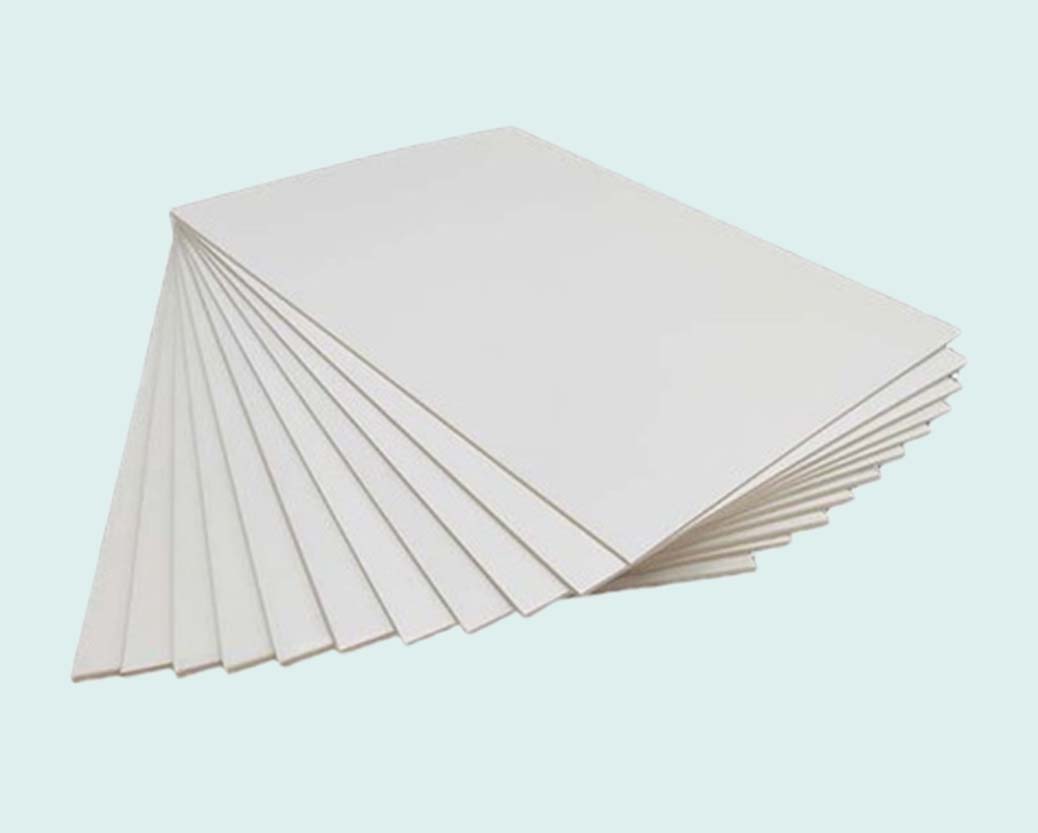
We use eco-friendly cardboard materials designed to minimize environmental impact and reduce waste.
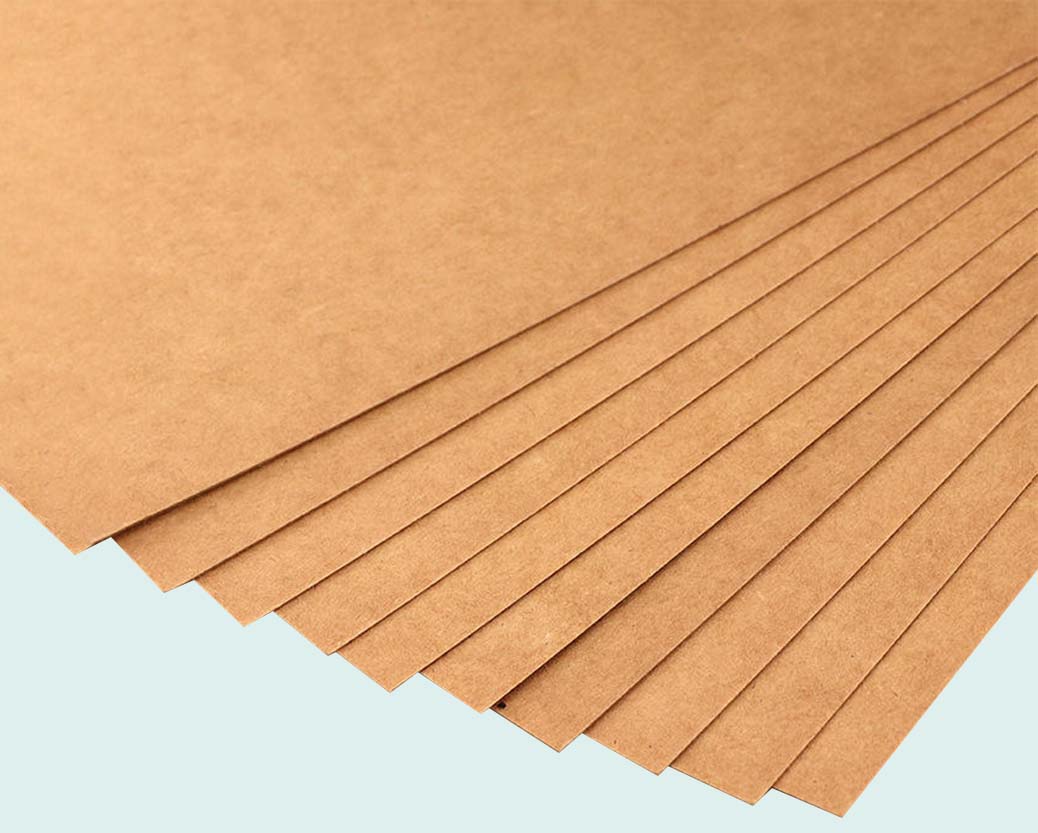
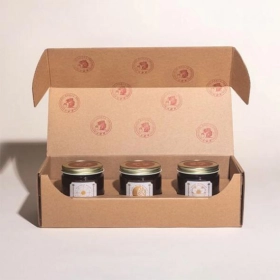
Kraft paper is a sturdy, durable, and dependable material used across multiple industries.
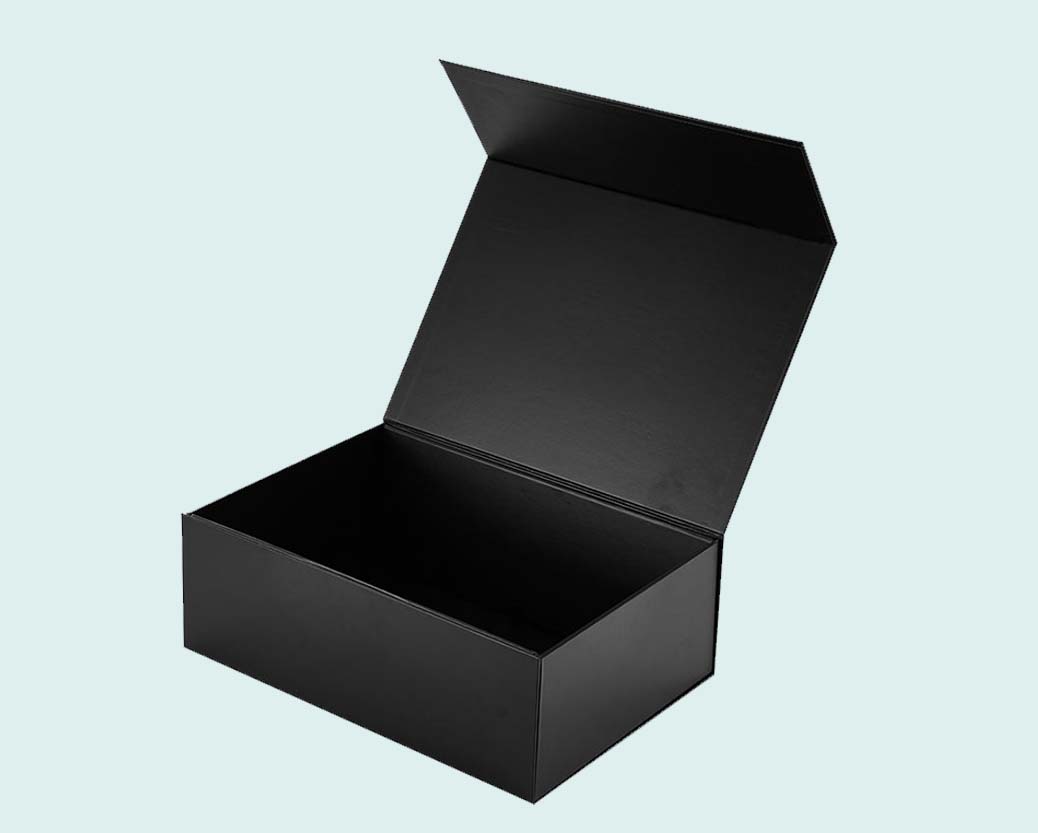
Rigid material is highly protective, cost-effective, and recyclable, offering maximum durability and security.
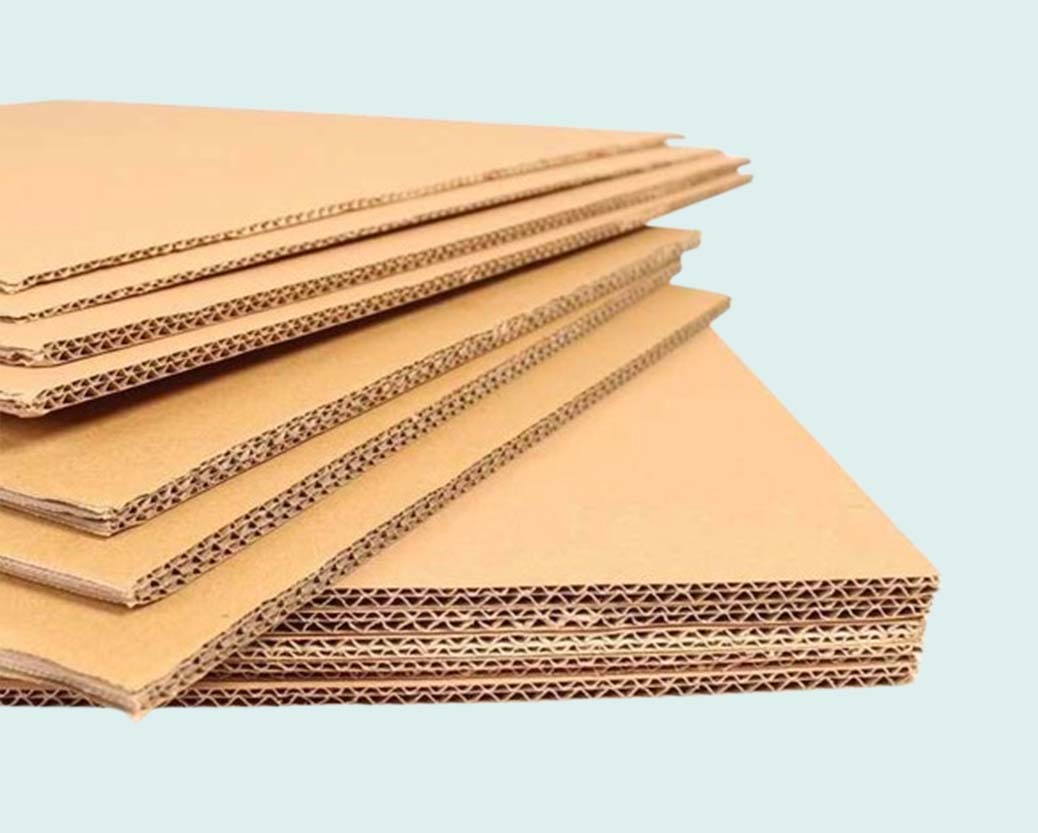
Corrugated material is customizable, cost-effective, and sustainable, making it an excellent choice for branding and shipping.
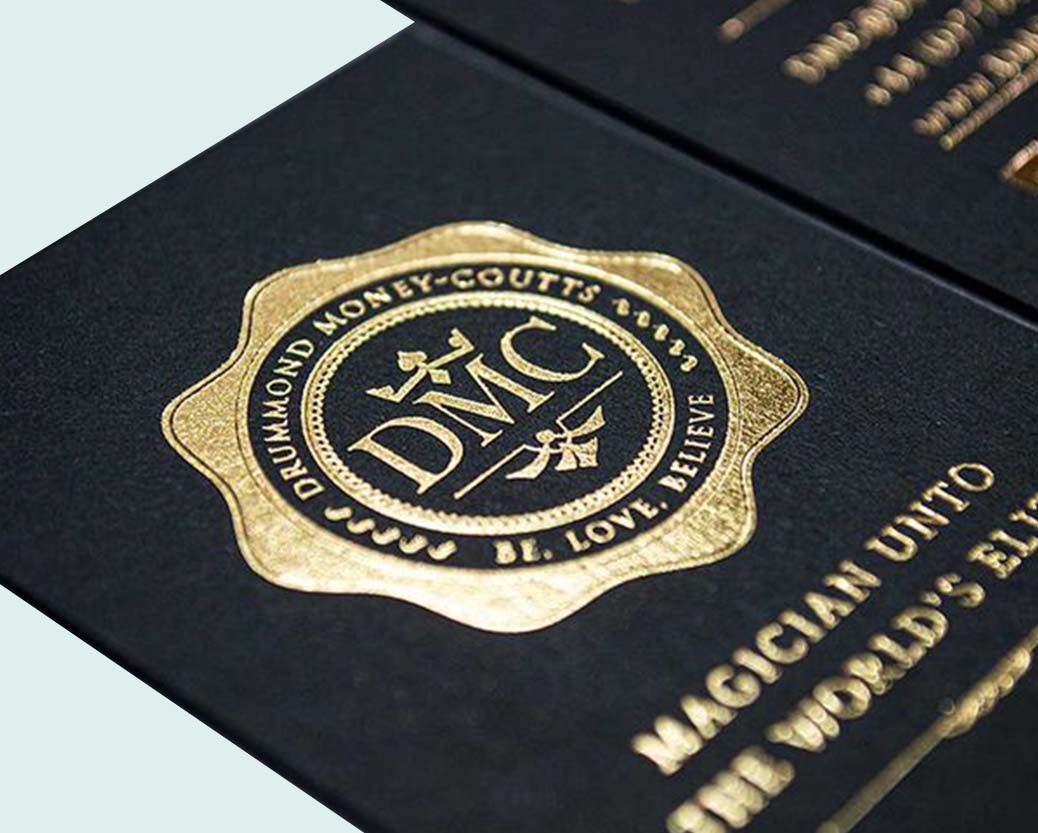
Enhance your product packaging with our premium foil stamping for a sophisticated touch.
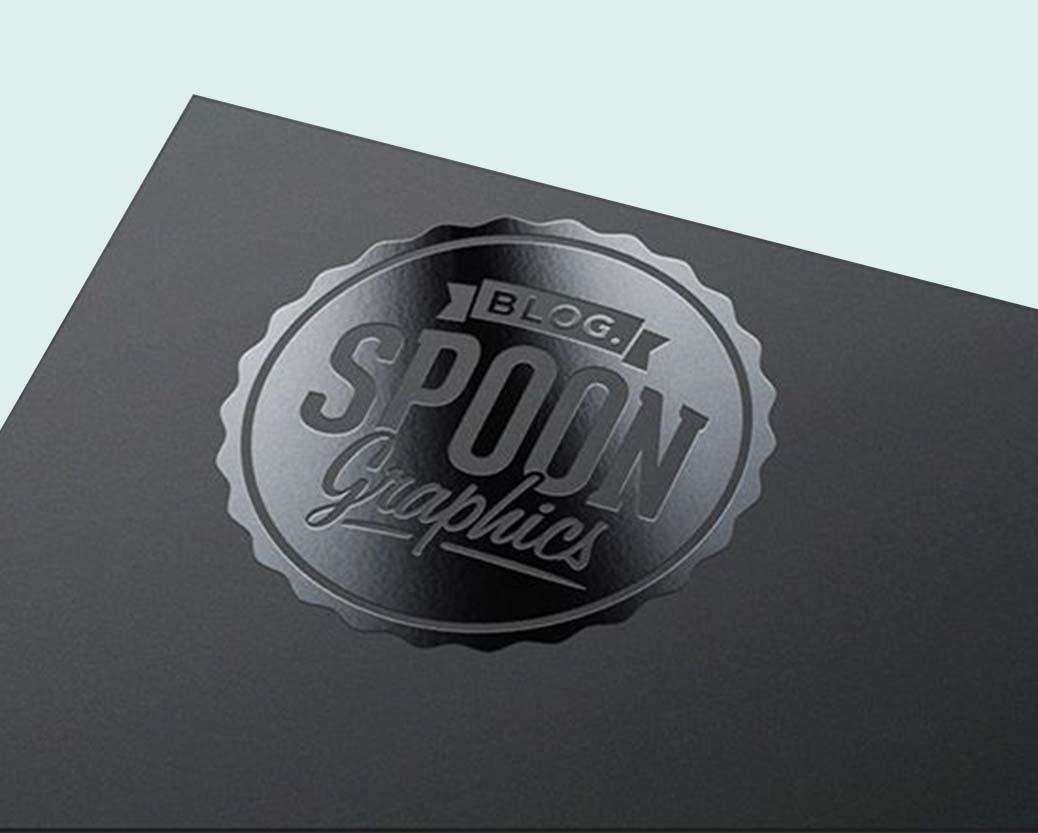
Our high-gloss UV coating enhances shine and provides a sleek, protective finish to your printed materials.

Our glossy finish adds a sleek, eye-catching shine to your packaging.
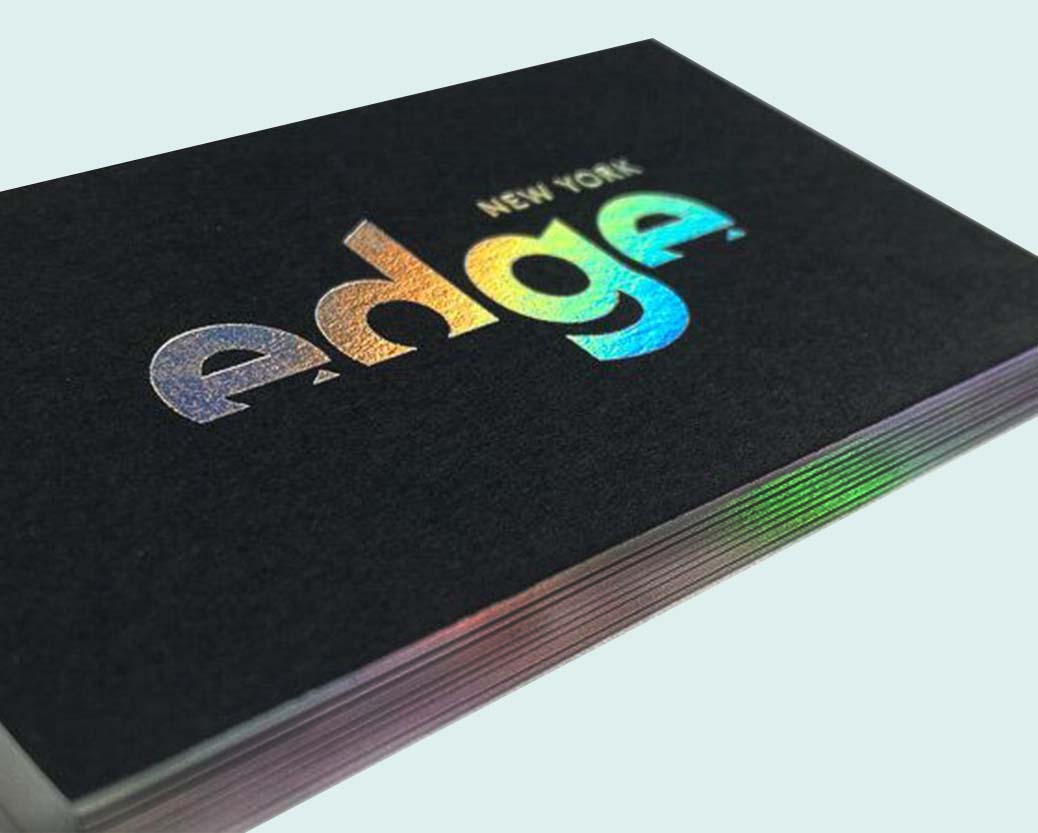
Holographic foil refracts light, creating a stunning rainbow effect from different angles.

Our embossing technique captures the finest details, adding depth and elegance to your packaging.

Our debossing technique imprints unique graphics into your packaging, creating a refined and tactile effect.

Our matte finish reduces the visibility of fingerprints and smudges, keeping your packaging looking clean and refined.

We apply a soft-touch lamination that adds an extra layer of protection, preventing toner chipping.
Why Swimwear Is the Most Packaging Sensitive Apparel Category
Swimwear is not like a t-shirt or a jacket. The fabrics used are polyamide, elastane, polyester-spandex blends, which are engineered composites that react to their environment in measurable ways. Scientific research published in peer-reviewed polymer studies shows that swimwear fabric breaking force can decrease by up to 12.4% after 200 hours of chlorine exposure, and up to 65.7% after 300 hours. That is pool damage. But the damage timeline begins much earlier during storage and transit, and the box the garment lives in determines how much degradation happens before the customer even opens it.
This is the conversation the swimwear packaging industry has mostly ignored. Almost every packaging page you find talks about colors, logos, and branding. Very few talk about what the box is actually protecting against at a material level.
The Hidden Enemy: Moisture and Heat Inside the Box
Elastane fibers are easily damaged by heat, light, atmospheric contaminants such as humidity, moisture, and temperature. This matters for packaging because swimwear sitting in a warehouse, inside a shipping container, or on a retail shelf in a poorly ventilated space is being exposed to exactly these conditions. A box made from cheap, unsealed material allows moisture to migrate inward. A box without the right structural density allows heat to build.
Cardboard swimwear boxes, when properly manufactured, create a stable internal microclimate. The cellulose structure of quality cardboard naturally buffers humidity fluctuation, absorbing slight moisture spikes and releasing them gradually rather than letting them concentrate on the fabric inside. This is why material thickness and coating type in packaging are not just aesthetic choices. They directly affect the condition the swimwear arrives in.
What Packaging Material Choice Actually Communicates to the Fabric Inside
Kraft boxes are made from unbleached wood pulp and have a naturally high tensile strength. They are slightly more porous than coated cardboard, which means they allow very slow air exchange, helpful for breathable storage, but require an inner tissue layer for swimwear to prevent direct fiber contact with the raw surface.
Cardboard boxes with an aqueous or matte coating create a sealed interior surface. This reduces the chance of ink or surface compounds transferring to light-colored or white swimwear fabric a problem that almost no packaging company mentions, but that every swimwear brand has encountered with low-quality boxes.
Rigid boxes create the most stable internal environment. Their compressed multi-layer board construction provides genuine thermal insulation and structural resistance to the pressure changes that happen during transit at altitude in air freight. For premium swimwear brands shipping internationally, rigid packaging is not luxury, it is logistics sense.
The Folding Problem Nobody Talks About
Swimwear is typically sold folded inside its box. Elastane is known to lose strength when exposed to UV radiation for long periods, and direct sunlight while the garment is drying can break down the fibers, leading to loss of stretch and faded colors. Consistent pressure folding over weeks of shelf time adds a different kind of stress crease memory. High-elastane swimwear left folded in a tight box for extended periods can develop permanent fold lines, particularly in thinner fabrics.
The insert design inside a swimwear box matters as much as the box itself. Tissue paper inserts distributed at the fold points reduce crease pressure. Boxes sized with accurate interior dimensions, not oversized, prevent the garment from shifting and bunching during transit, which creates irregular stress points along seams and elastic channels.
Why Swimwear Packaging Cannot Be Generic
Research shows that superficial imperfections in packaging can trigger contamination-related thoughts in consumers and shape their attitudes and behaviors in ways that are not always objectively justified. In plain terms, a slightly dented or scuffed swimwear box makes a buyer question the product inside, even if the swimsuit is perfectly fine. For a product category where the purchase is deeply connected to body image and confidence, first impressions from the package carry unusual psychological weight.
This is especially true for swimwear sold online, where the unboxing moment is the customer's first physical interaction with the brand. The box is not secondary to the product. For the first thirty seconds, the box is the product.
Size Precision and Its Effect on Garment Condition
Standard-sized generic boxes do not account for the variety of swimwear formats. A one-piece swimsuit folded flat requires a different box footprint than a bikini set with separates, which requires a different configuration than a rash guard or a swim trunk with a drawstring. When a box is too large, the garment moves during shipping. Movement inside a box causes friction between fabric and inner surface, and for printed swimwear, repeated friction against an unlined surface causes micro-abrasion on print layers, the kind of surface dulling that is not visible at purchase but becomes apparent after the first wash.
Custom-sized swimwear boxes are not a premium option. For garment integrity over a full shipping and storage cycle, they are the baseline.
A Note on Seasonal Storage and Box Reuse
Swimwear has a distinct seasonal purchase pattern in the USA, with peak buying in spring and early summer. This means a significant portion of swimwear purchased is sometimes stored for months before first use. The single most important factor in keeping swimwear in good condition is removing exposure to humidity, heat, and light during storage. Rigid and well-sealed cardboard boxes serve this function significantly better than plastic bags or flimsy generic boxes.
Brands that communicate the fact that their packaging is designed for long-term garment protection, not just point-of-sale presentation, create a distinct and credible differentiator in the market.