Custom Noodle Boxes for Takeout, Delivery, and Food Brands
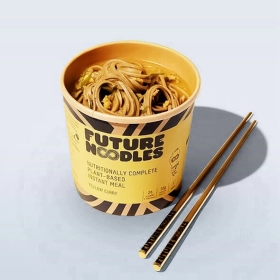
Serve hot noodles with custom noodle boxes built for takeout, delivery, restaurants, food trucks, and growing food brands. Choose practical capacities, food-contact paperboard, grease-resistant barriers, secure closures, comfortable handles, and full-color branding. Custom Boxes Zone creates packaging that supports cleaner handling, stronger presentation, easier transport, and reliable bulk ordering for food businesses of every size nationwide throughout the United States.
Custom Noodle Boxes Built Around Your Menu
Noodle dishes vary in weight, moisture, temperature, and ingredients. A light serving of plain noodles needs a different container from ramen, saucy lo mein, pad Thai, stir-fry, or a heavily topped meal. The box should match the actual recipe instead of relying only on a small, medium, or large label.
Our custom noodle boxes can be developed around your serving size, filling method, holding time, and delivery process. The right structure helps contain the meal, gives customers comfortable access, and creates enough printable space for your restaurant branding.
Choose the Right Size and Capacity
Capacity is usually the best starting point when selecting a noodle container. Common options include 8 oz, 12 oz, 16 oz, 26 oz, and 32 oz, but final dimensions can be adjusted to suit your food and presentation.
| Capacity |
Best Suited For |
Practical Use |
| 8 oz |
Samples, snacks, and side portions |
Tastings, kids’ meals, and light servings |
| 12 oz |
Small individual portions |
Lunch specials and smaller takeaway orders |
| 16 oz |
Regular single servings |
Stir-fry noodles, lo mein, and standard entrées |
| 26 oz |
Large meals |
Generous portions with vegetables or protein |
| 32 oz |
Loaded or shareable dishes |
Family sides, combo meals, and heavier recipes |
These capacities are planning guides rather than universal standards. Noodle thickness, sauce level, toppings, and packing style affect the usable volume. Testing a physical sample with your actual dish is the safest way to confirm fit.
How to Measure a Noodle Box
Measure the length, width, and height at the widest usable points. For tapered containers, confirm both the top and bottom measurements because the base is usually narrower than the opening. Leave enough headspace for mixing, toppings, and secure closure. Too much empty space can make the meal look undersized, while an overfilled container can leak or become difficult to close.
Food-Contact Materials for Hot and Saucy Meals
The material must balance rigidity, print quality, heat handling, and resistance to oil or moisture. Direct-food-contact components should be selected for the intended food type and serving conditions.
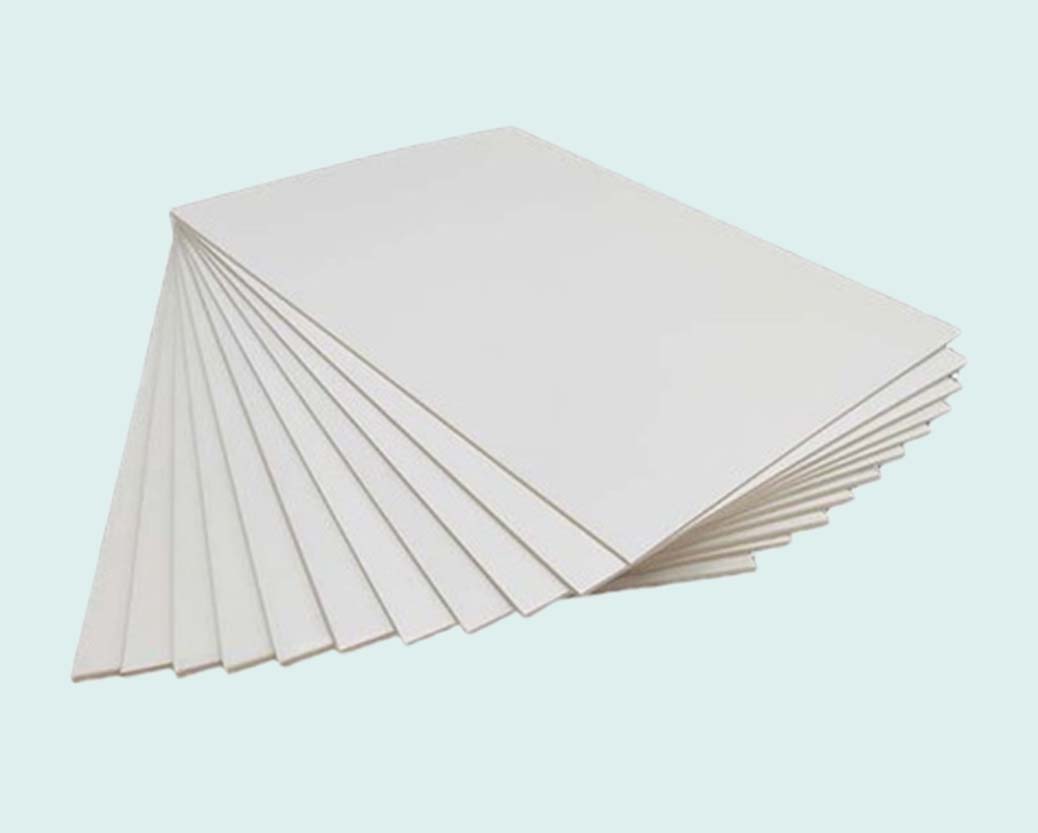
White SBS Paperboard
Solid bleached sulfate paperboard provides a smooth white surface for detailed artwork, bright colors, and small text. It is a strong option for restaurants that want clean, premium-looking packaging with consistent brand colors. SBS can be paired with a suitable inner barrier for hot, oily, or moist foods. The board thickness should be chosen according to the container size and filled weight.
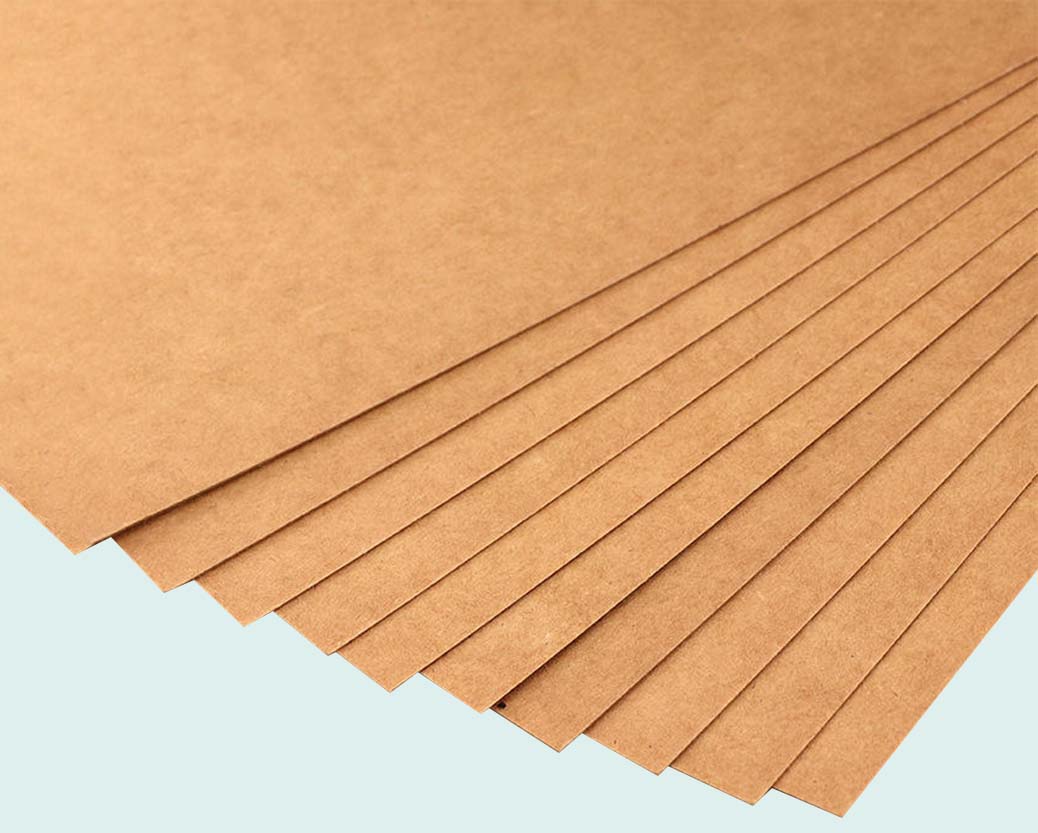
Natural Kraft Paperboard
Kraft paperboard creates a warm, casual, and environmentally conscious appearance. Its brown surface suits street-food concepts, organic restaurants, food trucks, and brands using minimal or earthy artwork. Dark inks, bold line art, and carefully planned white elements can create strong contrast on kraft. The material should still include an appropriate food-contact barrier when used for saucy dishes.
Cardstock and Folding Boxboard
Cardstock and folding boxboard provide good scoring, folding, and printing performance. They work well for compact takeout cartons and promotional packaging when the grade is suitable for direct contact with the intended food. Material thickness may range from lighter stock for small portions to heavier board for larger meals. The final choice should be based on structural testing, not appearance alone.
Corrugated Board for Outer Packaging
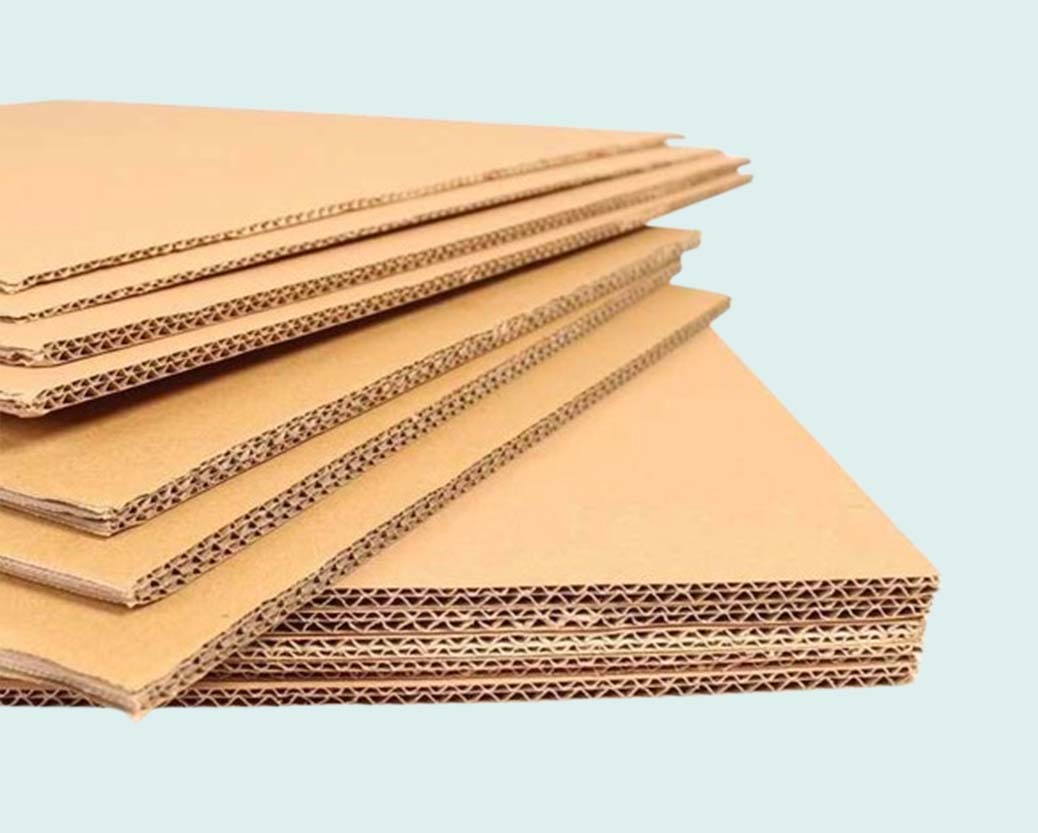
E-flute or micro-flute corrugated board offers added strength for meal kits, catering packs, delivery carriers, and grouped containers. It is generally more suitable as protective outer packaging than as the primary container for loose, wet noodles. A corrugated carrier can hold several individual cartons, sauces, napkins, and utensils while improving stability during transport.
Grease, Moisture, and Leak Resistance
Hot noodles can release steam, oil, and sauce. A suitable internal barrier helps reduce absorption, staining, and softening of the paperboard during normal serving and delivery. The barrier should be selected according to the food’s temperature, fat content, acidity, and expected contact time. Ask for current food-contact documentation and confirm whether the chosen coating is appropriate for your intended U.S. application.
PFAS-Conscious Barrier Options
Restaurants increasingly ask about the chemicals used in grease-resistant food packaging. Request clear information about the coating system and whether PFAS-based grease-proofing agents are used. Water-based, dispersion, or other approved barrier technologies may be available depending on the board and production method. The best option should balance performance, recyclability goals, and verified food-contact suitability.
Popular Noodle Box Styles
Traditional Takeout Pail
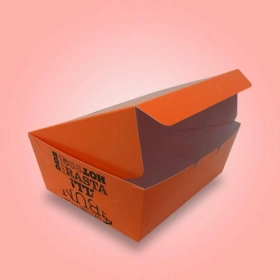
The classic folded pail has a tapered body, overlapping top flaps, and an optional wire or paper handle. It is recognizable, easy to carry, and suitable for many Asian-inspired takeaway meals. The closure should be tested with the intended portion and sauce level. For delivery, the top must remain secure without crushing the food.
Handle-Top Noodle Carton
A die-cut paper handle provides convenient carrying without a separate wire component. This style can offer a cleaner appearance and a broad printable surface. Handle strength should be tested using the fully loaded weight. Larger meals may require reinforced folds or heavier paperboard.
Tuck-Top Takeout Box
A tuck-top closure gives the carton a neat profile and helps protect the meal during pickup or short-distance delivery. Side tabs can improve closure security. This style works well when restaurants need quick assembly and stacking. Ventilation may be added when trapped steam could affect food texture.
Auto-Bottom Carton
An auto-bottom structure opens quickly and forms a stable base, making it useful for busy kitchens. It can reduce assembly time during lunch and dinner rushes. The glued base should be specified for the filled weight and food temperature. A production sample helps verify speed, stability, and leak resistance.
Windowed Noodle Carton
A clear or cellulose-based window can display colorful noodles and fresh ingredients. It works best when product visibility is important for grab-and-go counters or prepared meal displays. Window placement must not weaken the folds or interfere with closure. The window material should also match the intended food-contact and sustainability requirements.
Compartment and Meal-Combo Packaging
Dividers or separate compartments can keep noodles, protein, toppings, sauces, or sides apart until serving. This format is useful for meal kits, catering, and dishes that should not be mixed too early. Compartments increase structural complexity, so the insert and outer carton should be tested together before a large production run.
Printed Noodle Boxes That Strengthen Brand Recognition
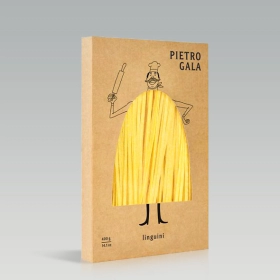
Full-color CMYK printing can reproduce logos, photography, illustrations, menu graphics, QR codes, and promotional messages. PMS color matching may be used when a specific brand shade needs tighter control. Keep the front panel simple enough to recognize from a distance. Use side or back panels for ordering links, social handles, reheating instructions, ingredients, or a short brand story.
Design Every Panel With a Purpose
Place the primary logo where it remains visible while customers hold the box. Avoid putting important text across folds, locking tabs, handles, or heavily curved areas. A strong packaging hierarchy usually includes one main logo, one supporting message, and a limited set of visual elements. Crowded layouts can reduce readability and make the brand look less professional.
Add QR Codes and Promotional Messages
A scannable QR code can direct customers to your menu, loyalty program, delivery page, catering form, or social profile. Leave enough clear space around the code and test it on a printed proof. Seasonal offers and limited-time menu launches can also be incorporated into the design. For frequently changing promotions, a sticker or variable-print area may be more practical than reprinting the full carton.
Noodle Boxes With Logo for a Consistent Takeout Experience
Branded packaging helps connect the meal with your restaurant from the counter to the customer’s home or workplace. Matching colors, typefaces, and messaging across noodle cartons, bags, stickers, cups, and napkins creates a more unified presentation. Logo placement should account for how the box is carried, photographed, stacked, and placed inside a delivery bag. A visible front-facing mark often provides more value than decorative artwork hidden underneath the container.
Finishes and Add-Ons
Matte and Gloss Finishes
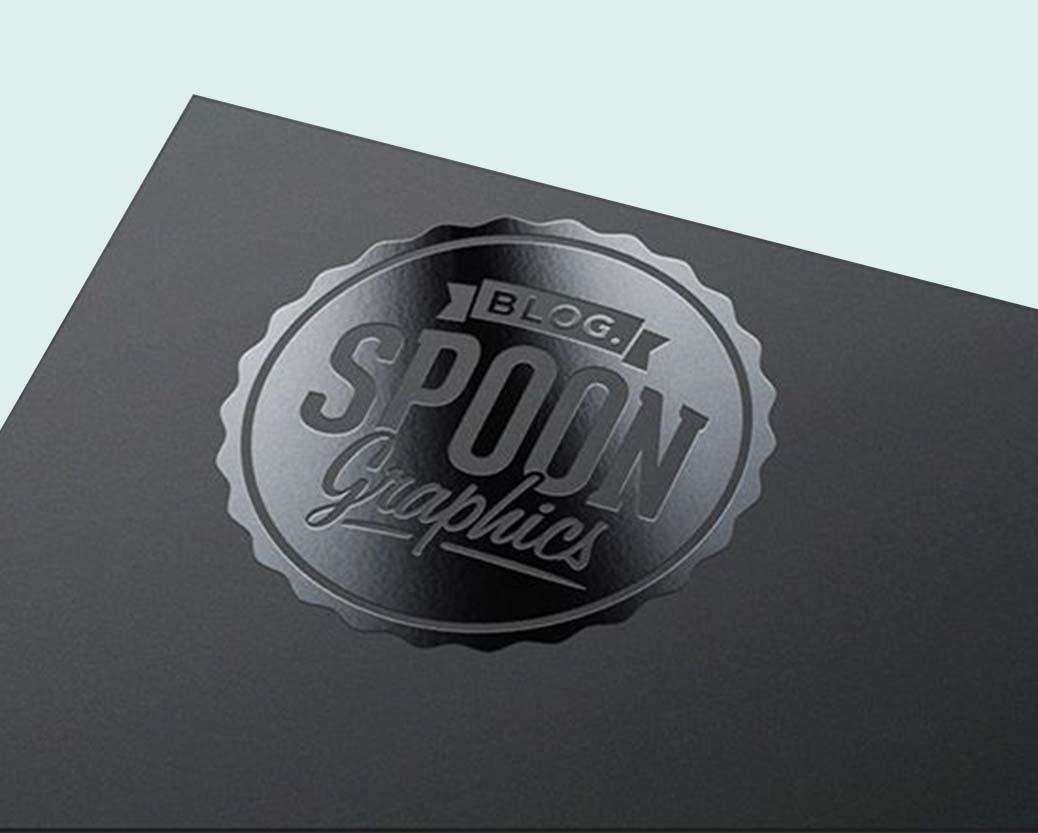
Matte finishing creates a softer, modern look and can reduce glare. Gloss finishing produces a brighter surface and can make colors appear more vivid. The finish should not interfere with folding, gluing, food contact, or recycling goals. Use decorative coatings mainly on exterior surfaces unless the complete construction is approved for the intended use.
Spot UV, Foil, Embossing, and Debossing
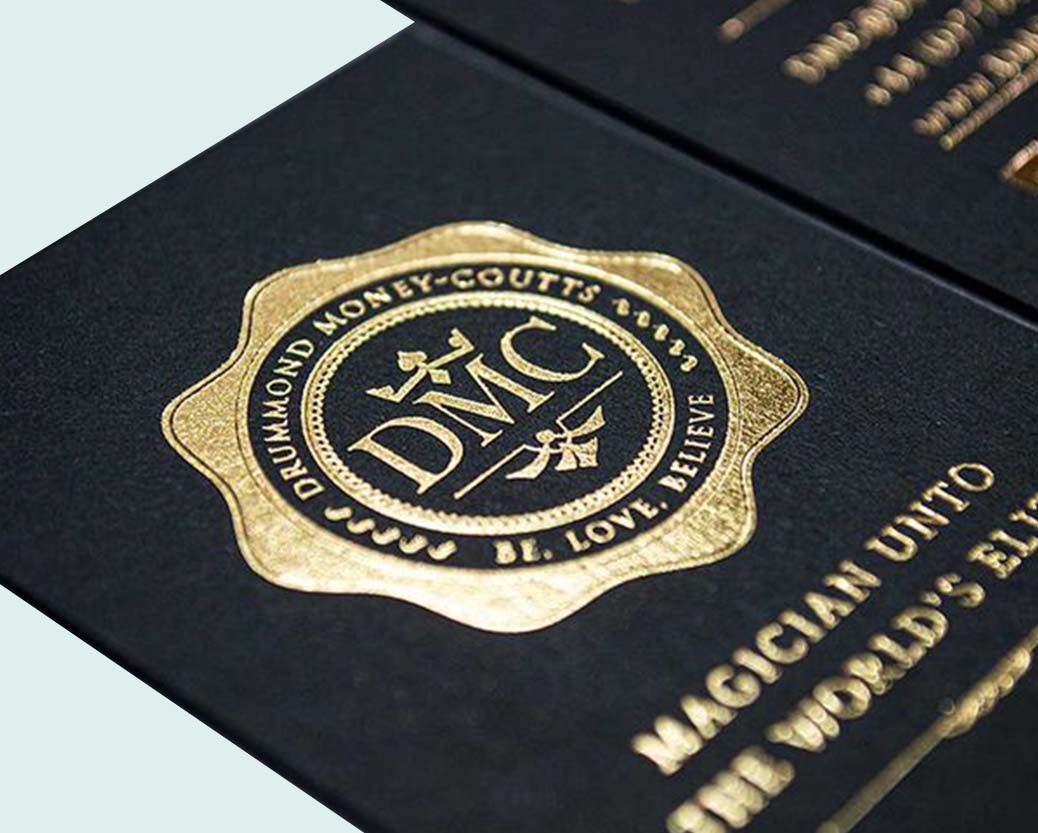
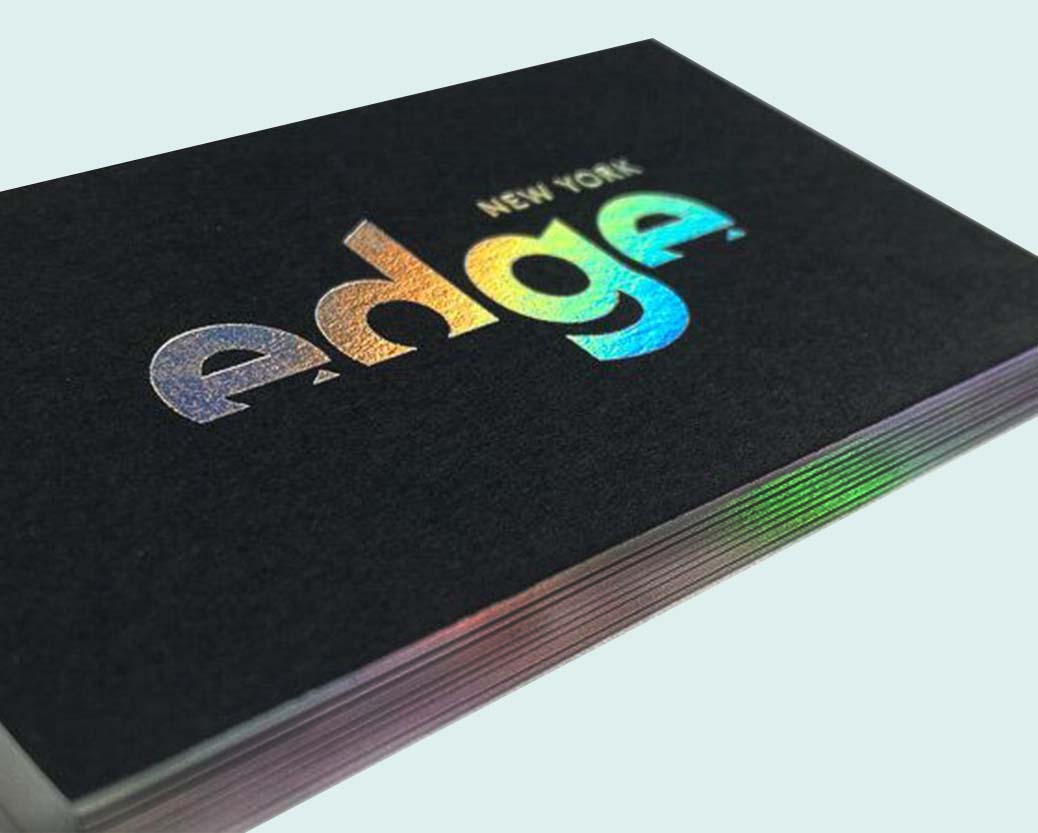
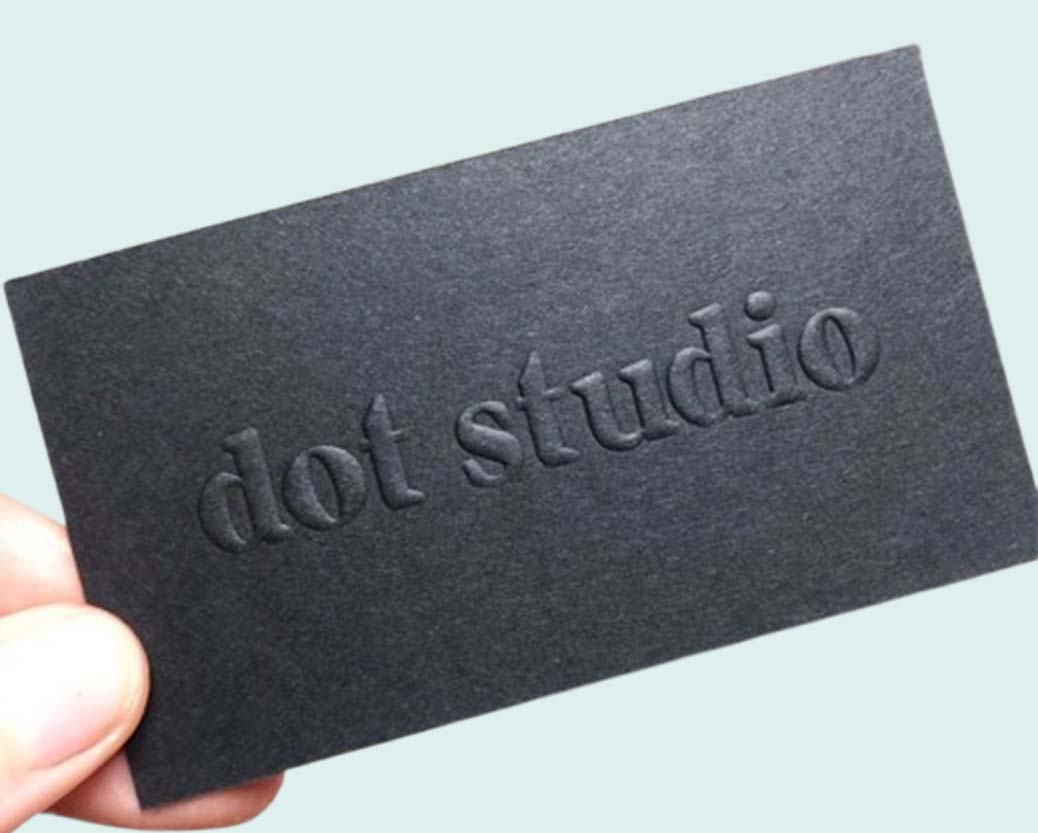
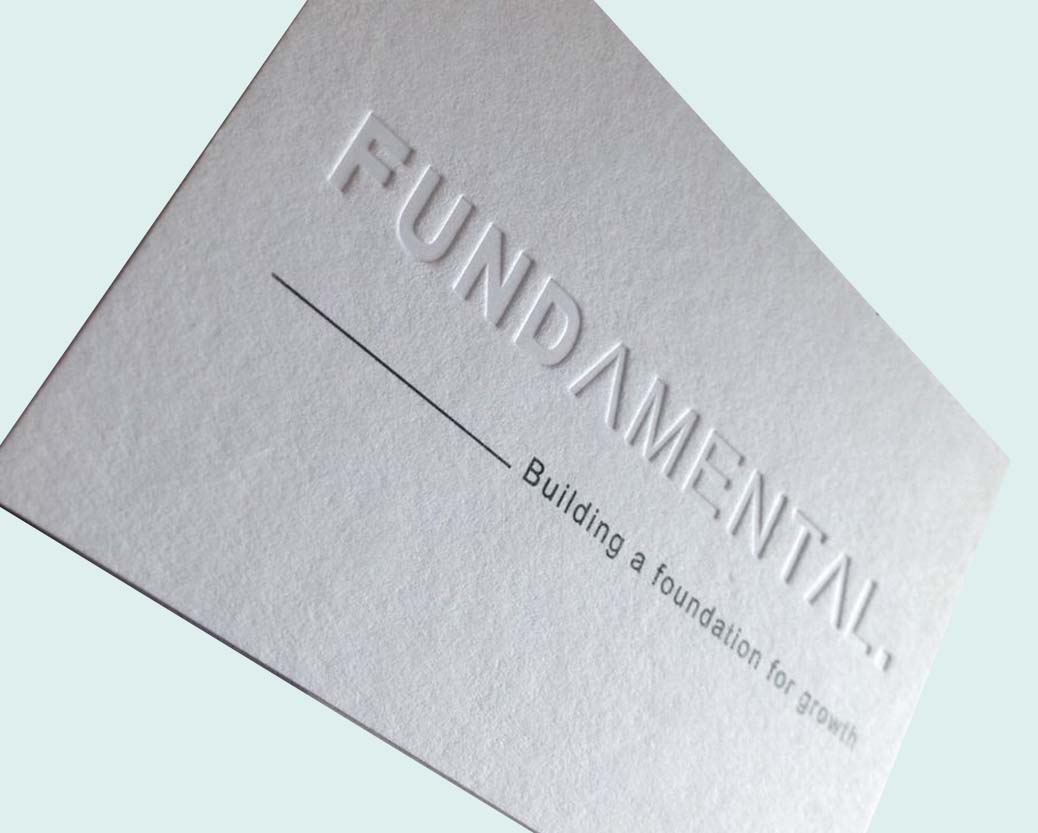
Spot UV can highlight a logo or pattern with selective shine. Foil adds metallic detail, while embossing and debossing create raised or recessed texture. These effects are best used sparingly. Takeout packaging still needs to remain affordable, easy to assemble, and comfortable to handle.
Ventilation, Handles, and Utensil Features
Small vents can release steam during short holding periods. Their number and position should be tested because excessive ventilation can also allow heat to escape. Optional features may include die-cut handles, chopstick slots, sauce holders, locking tabs, tear strips, and tamper-evident labels. Each feature should solve a real service or delivery problem.
Custom Noodle Packaging for Restaurants and Food Businesses
This packaging can support Chinese restaurants, ramen shops, Thai kitchens, food trucks, ghost kitchens, caterers, supermarkets, meal-prep companies, festivals, and corporate dining services. It can also be adapted for rice dishes, pasta, dumplings, fried rice, salads, snacks, and other takeaway meals. The structure and barrier must always match the actual product rather than assuming one carton works for every food.
Noodle Boxes Wholesale for Better Unit Pricing
Bulk purchasing can lower the cost per box and improve packaging consistency across locations. Custom Boxes Zone currently lists a minimum run starting at 100 boxes, making it possible to test a design before moving to larger quantities. Ask for several quantity tiers when requesting a quote. Comparing 100, 500, 1,000, and higher-volume runs can help you balance unit cost, storage capacity, seasonal demand, and cash flow.
Plan Inventory Before Ordering
Estimate weekly usage, expected growth, promotion schedules, and available storage. Ordering too little can create supply interruptions, while ordering too much may leave you with outdated branding or unused seasonal artwork. Flat-packed cartons can save storage space. Confirm the packed case size, units per case, assembly method, and reorder lead time before final approval.
Proofing and Quality Checks Before Production
A digital flat view helps verify artwork placement, text, and panel orientation. A 3D mockup makes it easier to visualize the assembled shape and identify issues around folds or handles. For a new size or complex structure, request a physical sample when available. Test it with the real food, complete serving weight, delivery bag, utensils, and expected holding time.
What to Check on the Final Proof
Review spelling, contact details, QR codes, brand colors, safe margins, fold lines, coating areas, and regulatory information. Confirm that the dieline dimensions match the approved physical sample. Production should begin only after the artwork and structural specifications are approved. Keep a dated copy of the final proof for future reorders.
Why Food Brands Choose Custom Boxes Zone
The current product specifications include custom dimensions, a minimum run of 100 boxes, paper stock from 10pt to 28pt, CMYK and PMS printing, die cutting, scoring, gluing, perforation, multiple finishes, digital proofs, and optional physical sampling. These options allow food businesses to build packaging around their menu, brand identity, order volume, and operational needs. A clear brief helps the packaging team recommend the most practical structure instead of adding unnecessary features.