Custom Tampon Packaging for Modern Feminine Care Brands
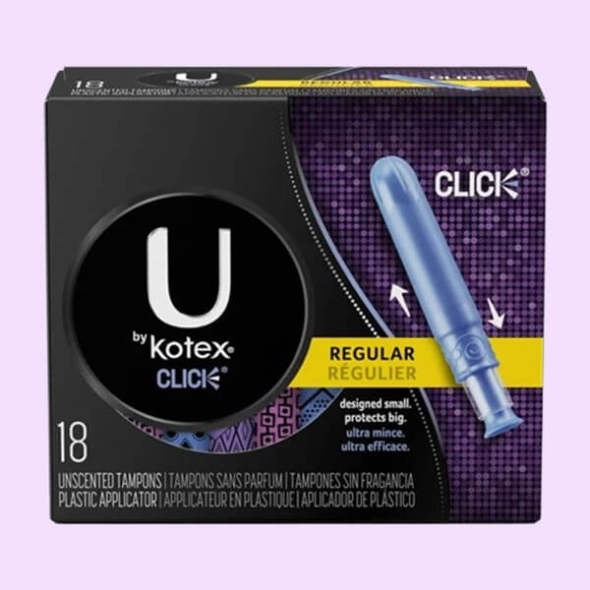
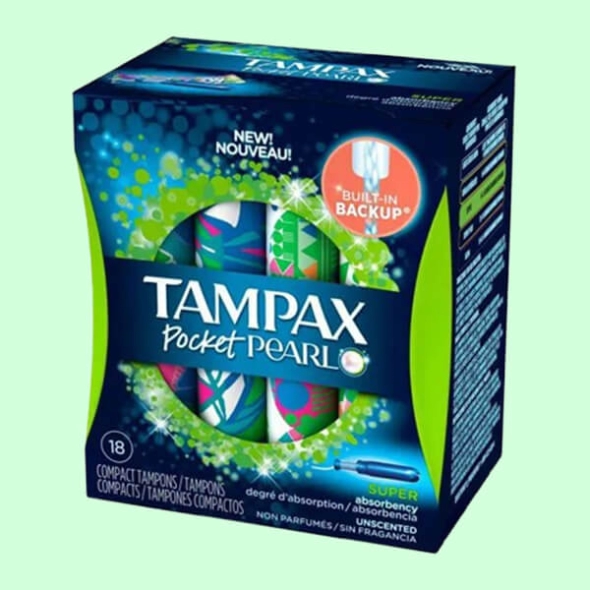
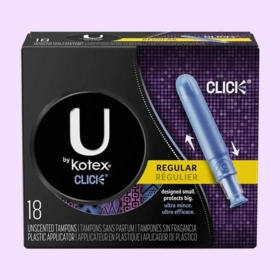
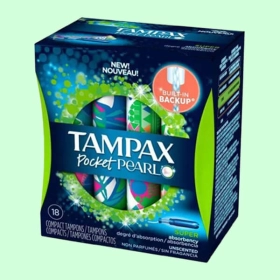
Packaging for feminine care products must balance discretion, durability, clarity, and brand presentation. Custom tampon packaging gives manufacturers, wellness startups, subscription services, pharmacies, and retail brands the flexibility to create cartons around the exact product count, applicator type, selling format, and customer experience.
A well-planned carton keeps individually wrapped tampons organized, supports the retail unit during handling, and gives customers clear information before purchase. It also creates consistent recognition across absorbency levels, pack counts, and sales channels.
Packaging Built Around Protection and Presentation
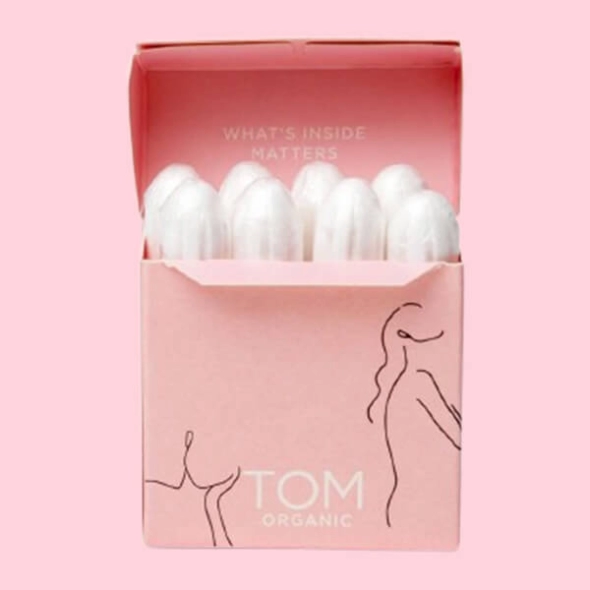
Tampon cartons generally serve as secondary packaging around individually wrapped products. The box should keep units neatly arranged and reduce unnecessary movement throughout packing, shipping, storage, and retail handling. A secure fit is particularly important for applicator tampons because excess space may allow products to shift or turn. Non-applicator formats often require smaller cartons or a different stacking arrangement. The final box should support the actual product layout rather than relying on a generic size.
Create a Discreet Customer Experience
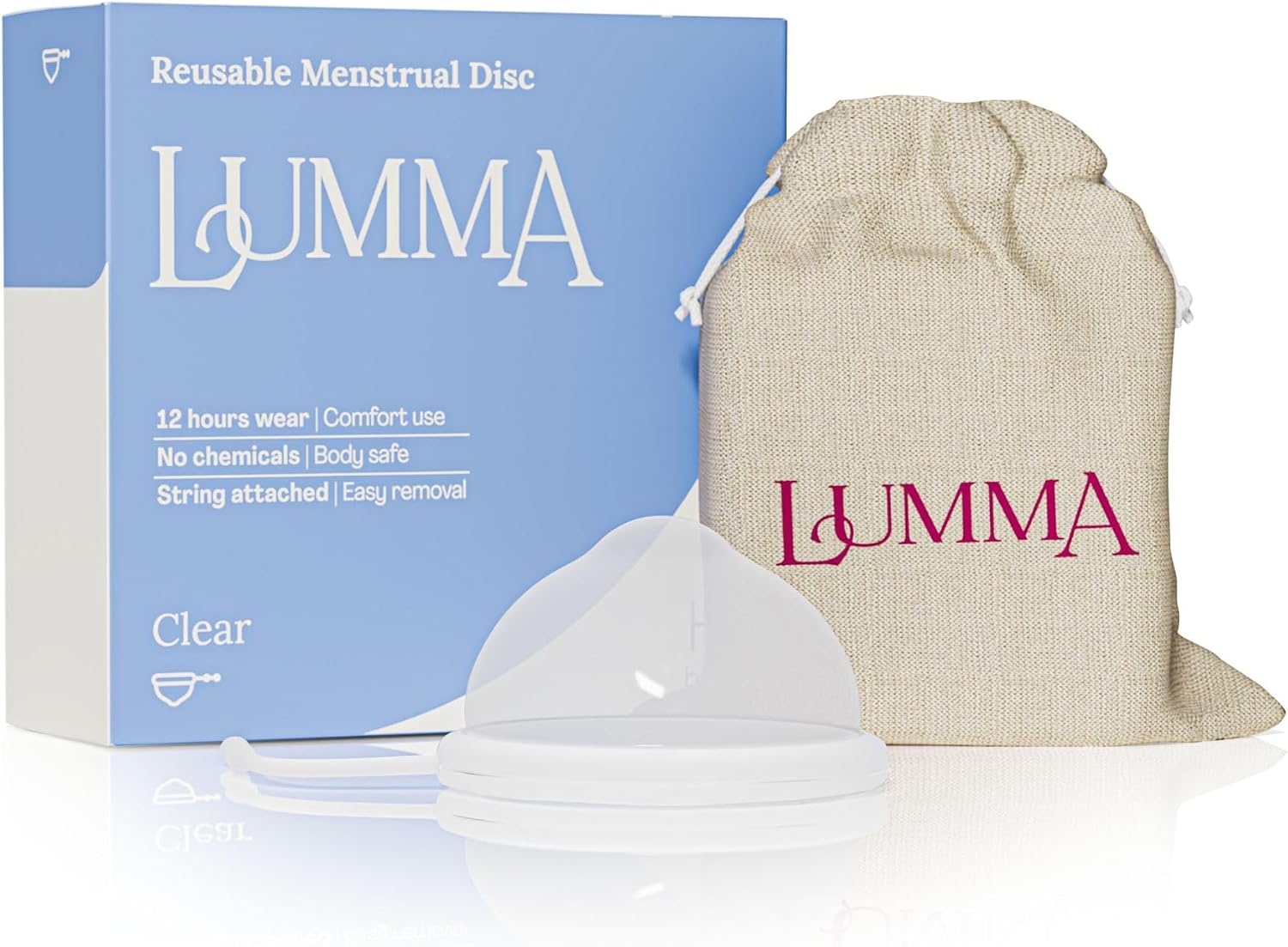
Clean layouts, readable typography, controlled colors, and practical opening features can make feminine care packaging feel respectful and easy to use. The exterior can communicate product count, absorbency range, applicator format, materials, and brand values. Interior printing may carry supportive messaging or a QR code linking customers to approved product information and instructions.
How to Select the Correct Tampon Box Size
Measure the full length, width, and thickness of the individually wrapped tampon, including wrapper seams and the widest part of the applicator. Do not calculate the carton dimensions from an unwrapped sample. Arrange the complete pack in the intended orientation. Products can sit vertically, horizontally, in stacked rows, or in divided sections. Measure the final arrangement and add practical packing clearance without creating excessive space.
Plan Around Product Count and Applicator Type
A compact non-applicator pack may need less depth than a carton containing full-size applicators. Mixed packs may require dividers, separate compartments, or color-coded sections.
| Pack Format |
Typical Use |
Starting Planning Range* |
| 3–6 count |
Samples, travel, hospitality, and emergency kits |
3.5–5 in L × 1.5–2.5 in W × 0.75–1.5 in D |
| 8–18 count |
Standard retail and subscription packs |
4.5–7 in L × 2.5–4 in W × 1–2. 25 in D |
| 20–36 count |
Value packs and mixed assortments |
6–9 in L × 3.5–5.5 in W × 1.5–3 in D |
| Custom assortment |
Bundles, dispensers, and mixed products |
Developed from the final product layout |
*These dimensions are starting ranges for early planning only. Final box measurements should be based on physical product samples, wrapper tolerances, orientation, inserts, and board thickness.
Confirm the Fit Before Production
A box that is too tight can slow down packing, while an oversized box increases product movement and unnecessary material use. Review a flat die line, 3D mockup, or physical sample before approving production. Check the internal fit, closure system, opening direction, barcode position, and placement of all printed information.
Material Options for Custom Tampon Boxes
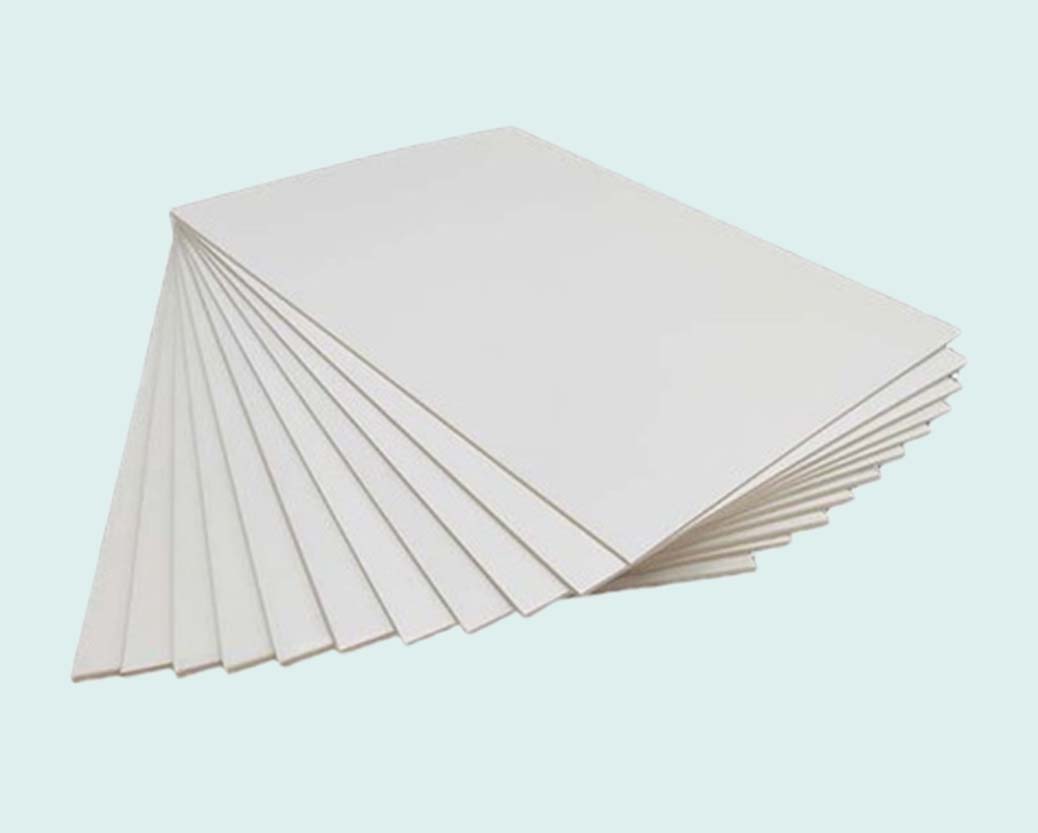
Cardstock and SBS paperboard are practical choices for folding retail cartons. Their smooth surfaces support detailed text, color coding, illustrations, barcodes, and clean brand graphics. Lighter stocks can suit compact packs, while thicker paperboard adds rigidity for larger product counts. Paper stock can be selected from approximately 10pt to 28pt, depending on the carton dimensions, product weight, structural style, and required shelf strength.
Kraft Paperboard
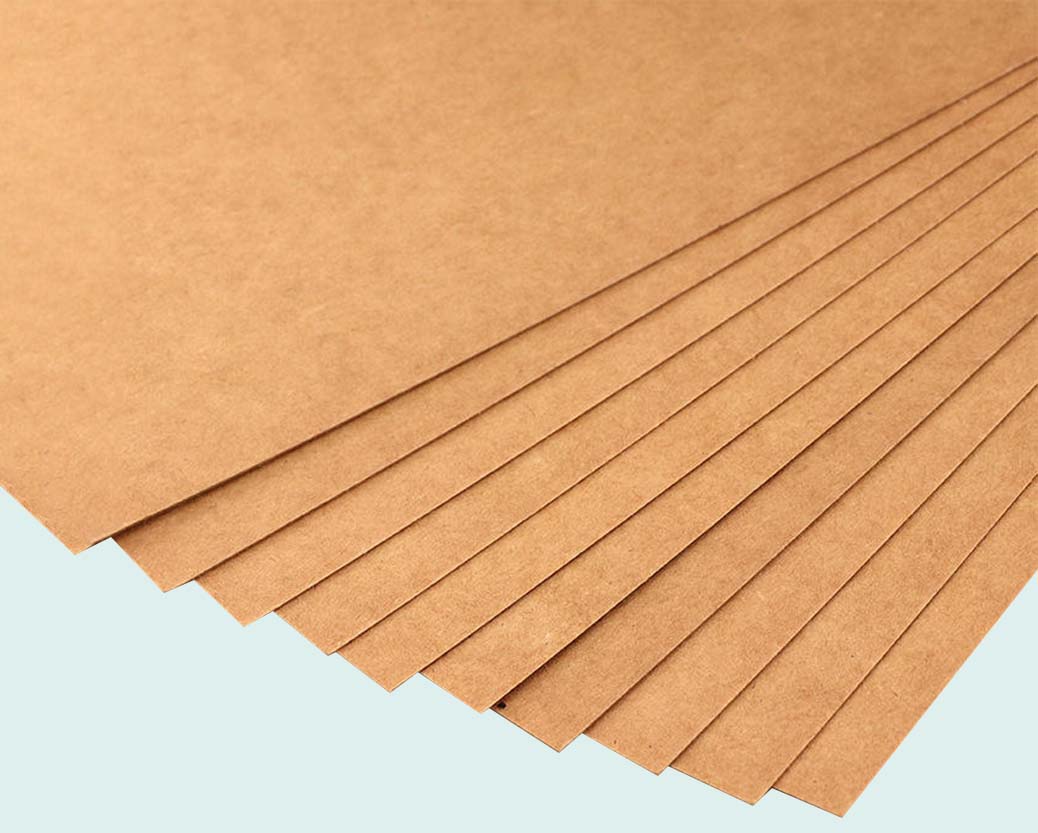
Kraft paperboard supports natural, minimal, and sustainability-focused branding. Brown Kraft creates an organic appearance, while white Kraft provides a brighter base for printed colors. Kraft works well with simple typography, neutral color palettes, one- or two-color artwork, embossing, and selective foil stamping. It is an effective option for brands that want an understated and responsible packaging appearance.
Corrugated and E-Flute Board
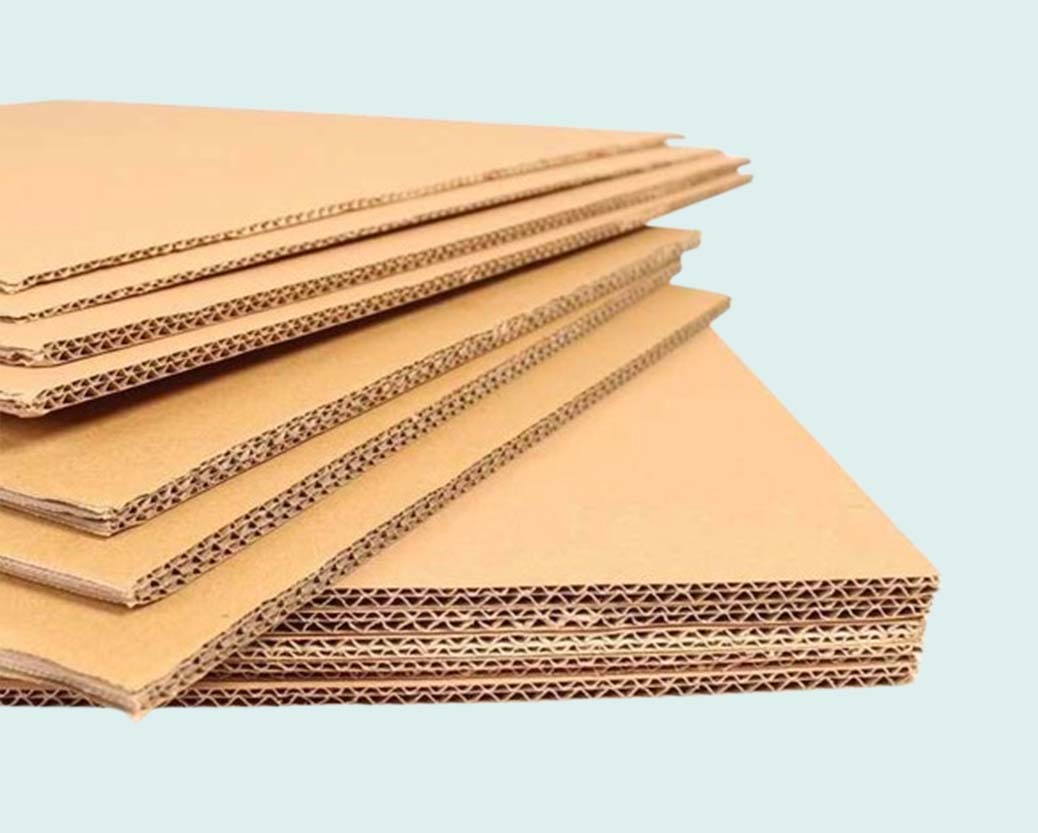
E-flute corrugated board provides additional strength for subscription boxes, eCommerce bundles, dispensers, refill programs, and multi-pack shipments. It is generally more suitable for outer mailers and larger product kits than for slim individual retail cartons. Corrugated structures may also include paperboard dividers or compartments for organizing several products.
Rigid Board for Premium Kits
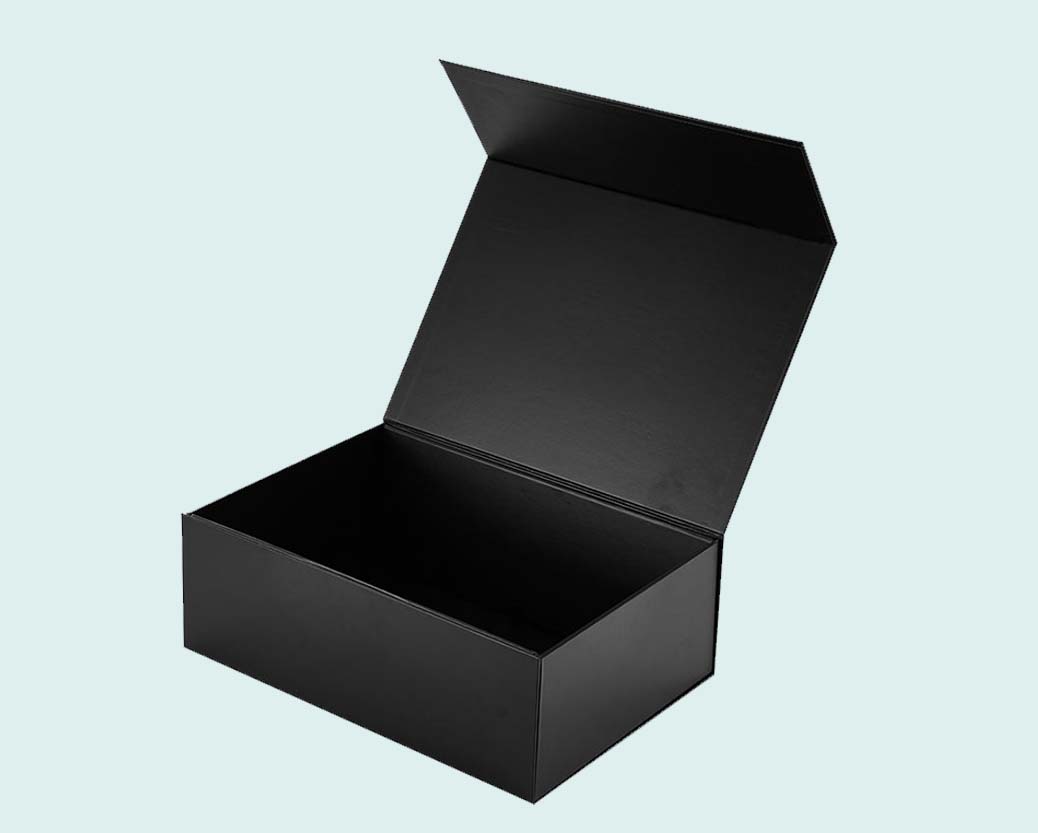
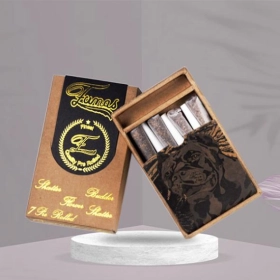
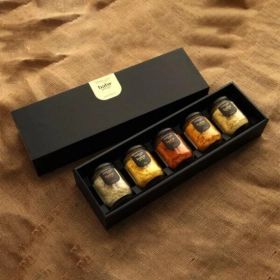
Rigid board can be used for premium wellness kits, gifting programs, launch mailers, influencer packages, or reusable storage boxes. It supports drawer boxes, two-piece boxes, and magnetic-closure structures. Rigid packaging creates a substantial presentation and is best suited to premium, promotional, or reusable product experiences.
Box Styles for Retail, Subscription, and Bulk Use
Tuck-end cartons are lightweight, easy to assemble, and efficient to store in a flat position. They provide several printable panels for branding, product details, instructions, and barcodes. Straight-tuck boxes position the top and bottom closures in the same direction. Reverse-tuck boxes use closures facing opposite directions. The correct option depends on the product dimensions, artwork, opening preference, and packing method.
Auto-Lock and Snap-Lock Bottom Boxes
Auto-lock bottom cartons support faster assembly and provide additional base strength for larger packs. Snap-lock bottoms offer a secure manual closure. Both styles can work well for value packs, tall cartons, mixed-product assortments, and products that may experience frequent retail handling.
Sleeve and Drawer Boxes
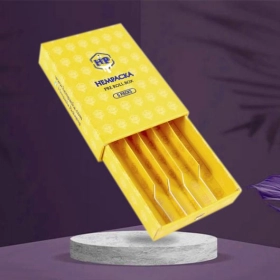
Sleeve-and-tray packaging creates a controlled sliding reveal and can organize products in rows or individual compartments. This structure suits subscription programs, trial kits, premium assortments, gifting collections, and reusable storage concepts. A thumb notch, paper tab, or ribbon pull can be added to make the inner tray easier to access.
Dispenser and Perforated Cartons
Dispenser-style cartons are useful in hospitality settings, workplaces, schools, clinics, restrooms, and shared-care environments. A perforated opening or tear-away section can provide convenient access to individual products. The opening should be tested to ensure it tears cleanly while keeping the remaining products properly contained.
Mailer and Subscription Boxes
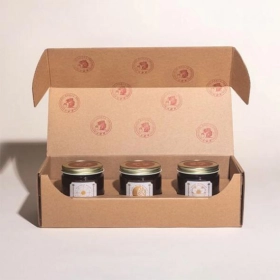
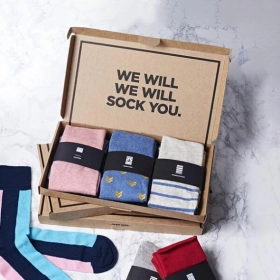
Mailer boxes are suitable for direct-to-consumer shipments, refill programs, product bundles, and recurring subscription orders. They can hold several retail cartons or individually wrapped units arranged inside a fitted insert. Exterior artwork can remain discreet, while interior printing creates a more branded unboxing experience.
Printed Tampon Boxes for Clear Communication
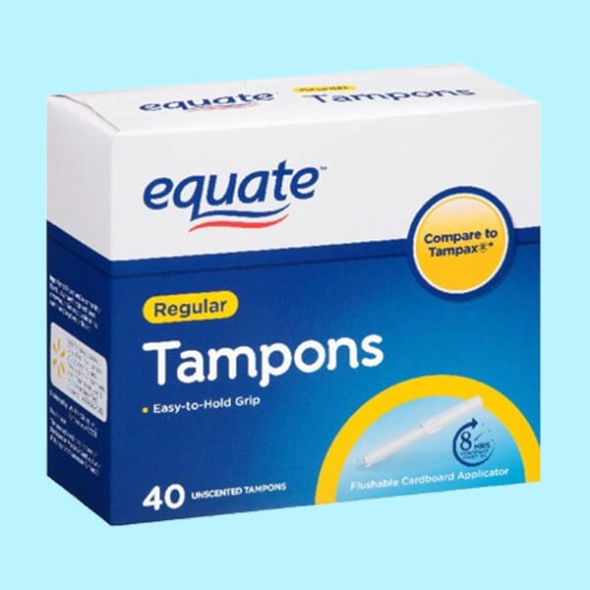
Printed tampon boxes should help customers identify the correct product quickly. The front panel can prioritize the brand name, product type, absorbency designation, applicator format, product count, and a concise benefit. Side and back panels can reserve space for directions, warnings, product materials, disposal information, company details, coding areas, barcodes, and approved claims. All regulatory information and product claims should be reviewed by the brand’s qualified legal or compliance team before the packaging is printed.
Use Consistent Variant Colors
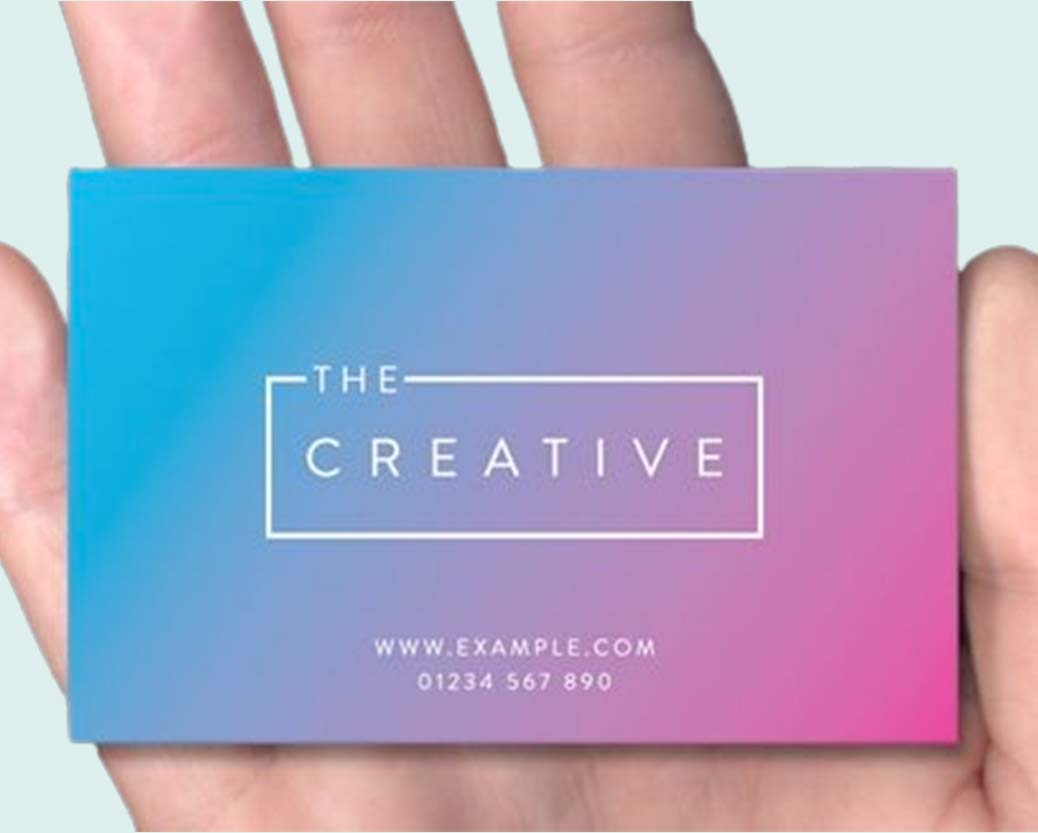
Color can distinguish absorbency levels, applicator types, product ranges, and pack sizes. Keep the color system consistent across the complete product line so customers can recognize each variation quickly. CMYK printing supports full-color graphics, gradients, illustrations, and photography. PMS color matching may be selected for signature brand colors or structured product coding. A printed proof is recommended when exact color reproduction is important.
Add Tampon Boxes With Logo Branding
Tampon boxes with logo printing create a consistent identity across retail shelves, online listings, pharmacies, subscription deliveries, and promotional displays. The logo can be printed in full color or highlighted with spot UV, embossing, debossing, or foil stamping. Leave enough clear space around the logo so it remains noticeable without competing with essential product information.
Finishes That Support Your Brand Position
Matte Lamination creates a smooth, refined, and low-glare appearance. It works well for clean, minimalist, wellness-focused, and premium branding. A matte surface can also make typography easier to read under bright retail lighting.
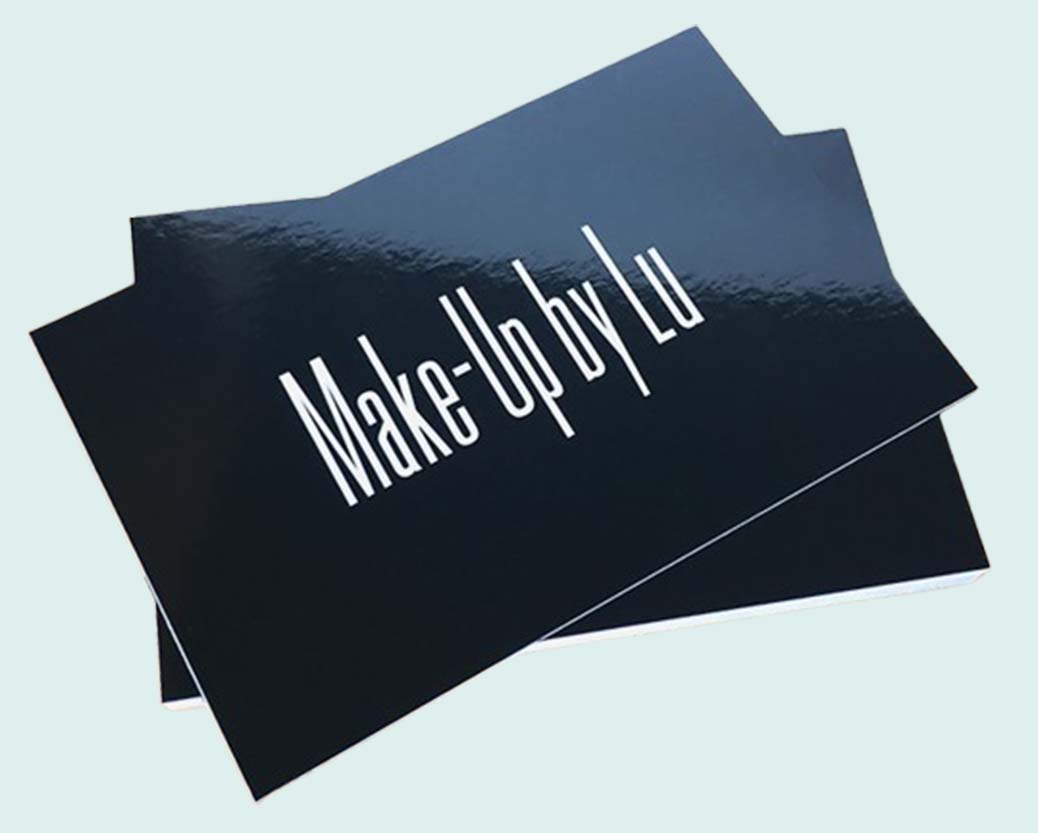
Gloss Lamination creates a reflective surface and can make colors appear brighter and more vivid. It is suitable for colorful graphics, bold branding, promotional ranges, and packaging designed to attract attention on retail shelves.
Soft-Touch Lamination adds a smooth and velvety texture to the carton. It can support a high-end product position and create a more tactile customer experience. This finish is suitable for premium ranges, subscription products, gifting kits, and limited-edition packaging.
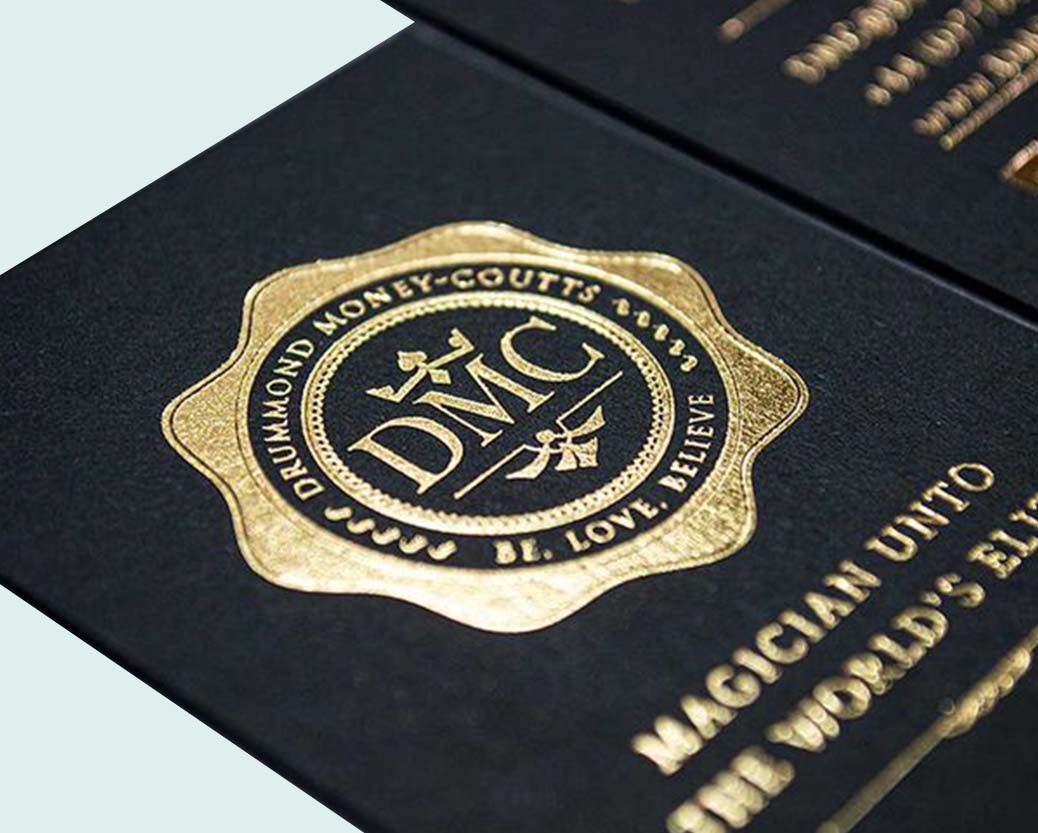
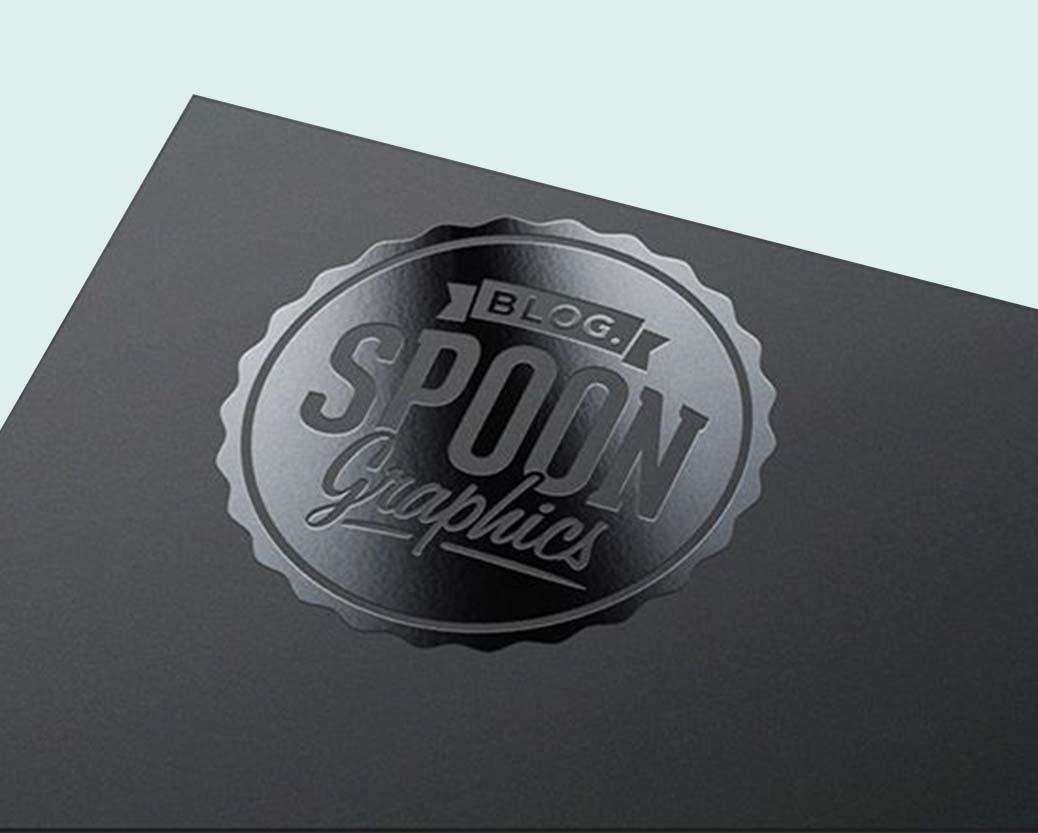
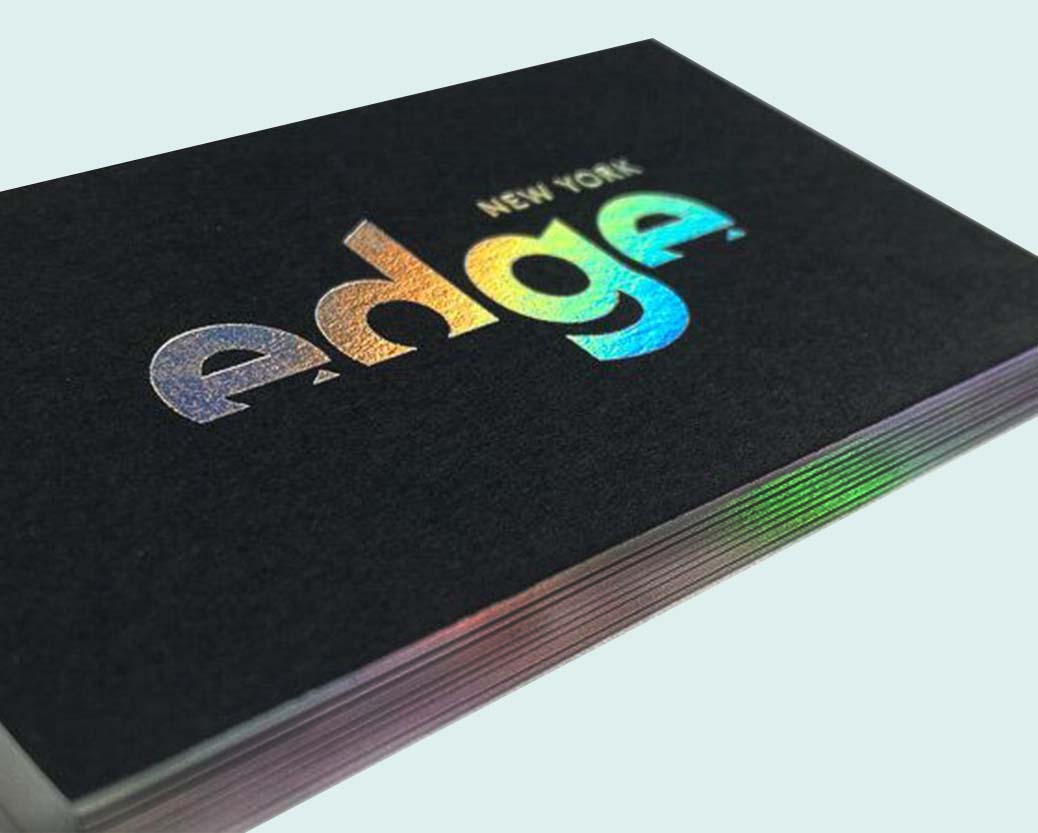
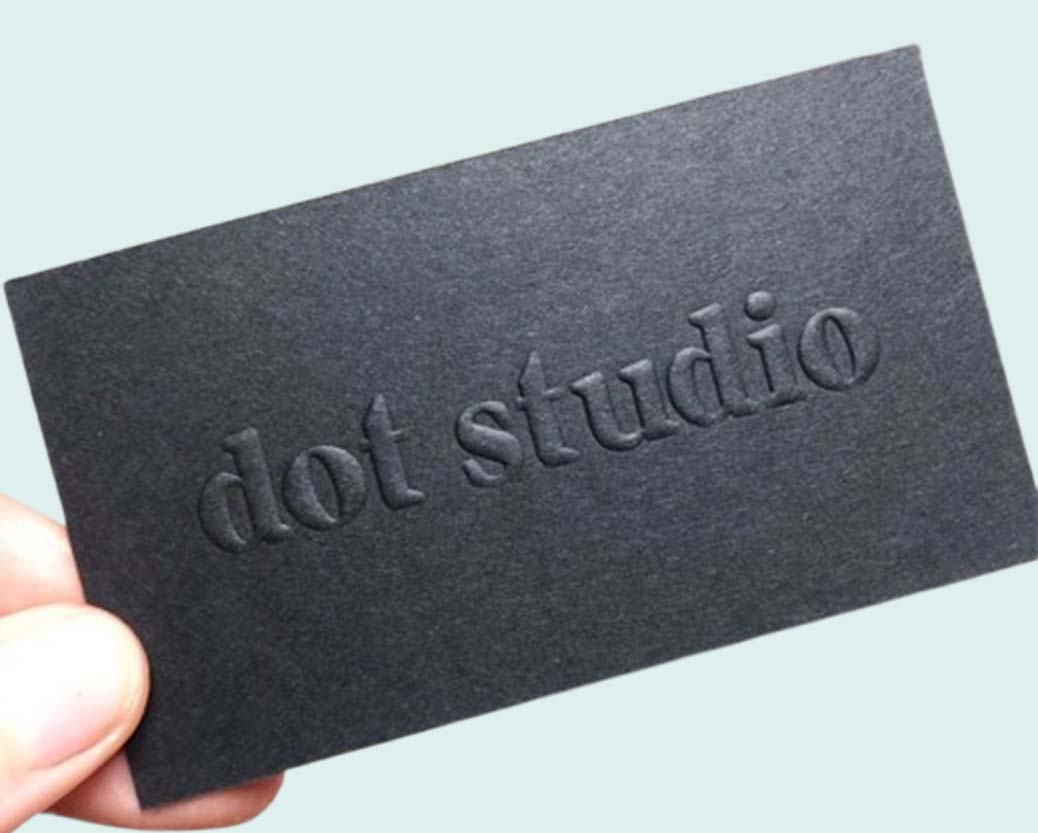
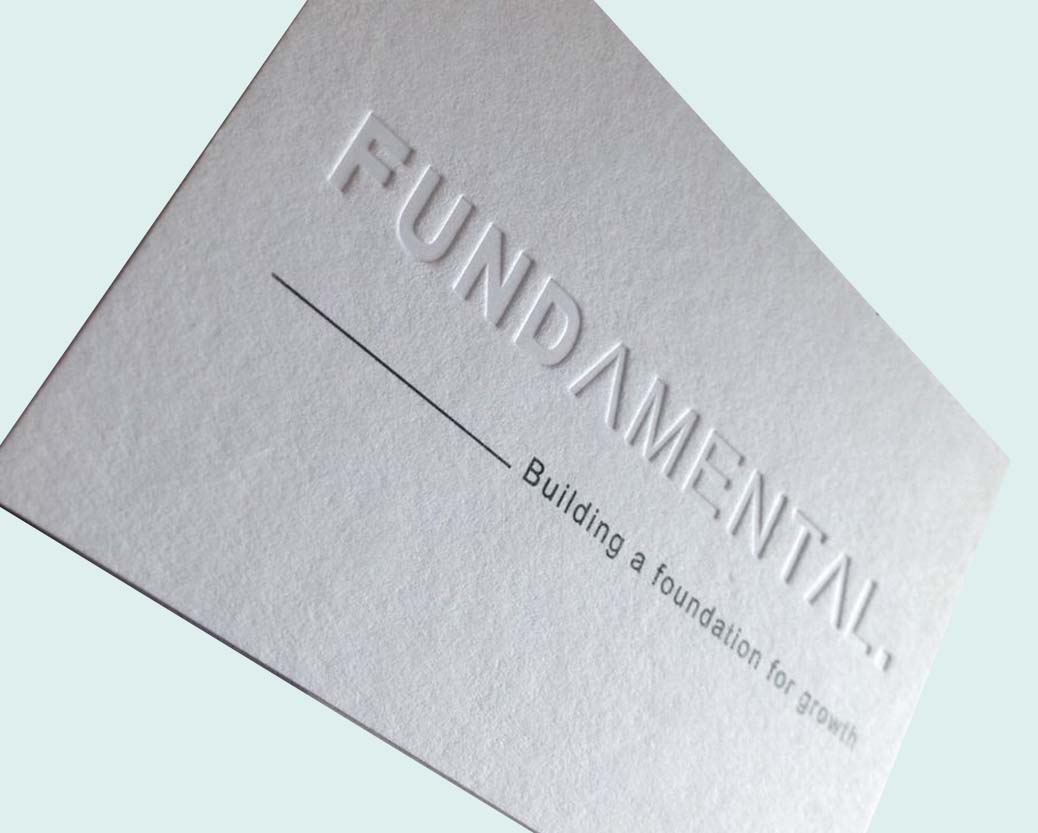
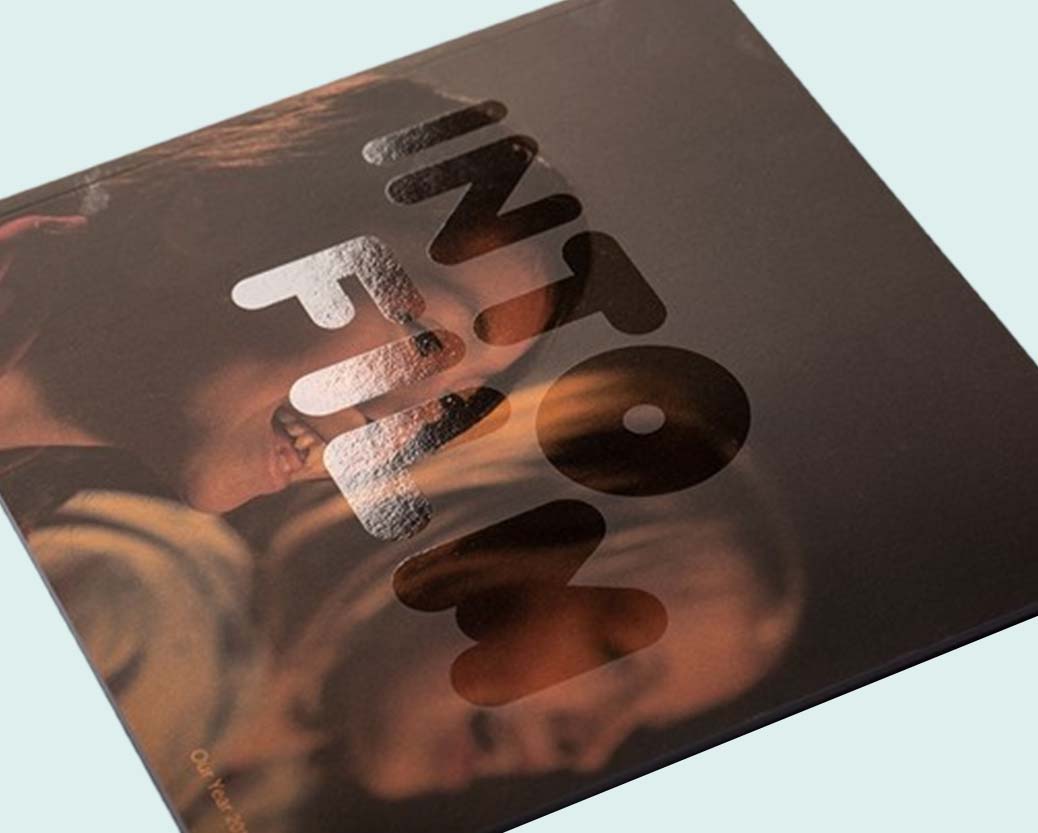
Foil, Embossing, Debossing, and Spot UV Foil stamping can highlight a logo, border, product name, or decorative pattern using gold, silver, rose-gold, colored, or holographic effects. Embossing raises selected design elements, while debossing creates a pressed impression. Spot UV adds controlled gloss to specific areas of a matte design. These decorative treatments should be used selectively so important directions, warnings, and variable information remain clear and readable.
Tampon Boxes Wholesale for Growing Product Lines
Ordering tampon boxes wholesale helps maintain consistent branding across different product counts, absorbency variants, applicator formats, and retail collections. Wholesale production suits established manufacturers, emerging wellness brands, pharmacies, subscription companies, hospitality programs, distributors, and private-label projects. One structural die line may be adapted across related products when the physical dimensions remain the same. Separate artwork versions can then distinguish regular, super, super-plus, light, mixed, applicator, and non-applicator products.
The minimum order currently starts at 100 boxes. For accurate pricing, provide the finished dimensions, material, order quantity, number of artwork versions, printing method, coating, structural style, and delivery location.
Make Responsible Packaging Choices
A right-sized carton reduces unnecessary board, minimizes space, and creates a better-organized product presentation. Accurate sizing may also improve case packing and transportation efficiency. Paperboard dividers or compartments can be included when the package contains several product variations.
Review Every Environmental Claim
Terms such as recyclable, biodegradable, compostable, or recycled should only be used when they are supported by the selected materials and applicable disposal conditions. Laminations, metallic foils, adhesives, coatings, and mixed-material windows can affect how the finished box should be processed. Review every packaging component before placing environmental claims on the printed carton.
Create Custom Tampon Boxes Through a Clear Process
Begin by providing the wrapped product dimensions, applicator type, product count, intended arrangement, sales channel, and preferred box style. Include artwork, logo files, brand colors, mandatory text, barcode specifications, and any coding areas that must remain uncoated. Product samples can help the packaging team confirm the fit and recommend an appropriate paperboard thickness.
Review the Dieline and proof
A flat dieline shows the cut lines, folds, glue flaps, and printable panels. A 3D mockup provides a visual representation of the assembled carton, while a physical sample offers the strongest fit check. Keep important copy away from folds, perforations, glue zones, cut lines, and closure areas. Check all spelling, product information, barcodes, and artwork before approving the design.
Approve Printing and Production
After design approval, production moves through printing, coating or lamination, die cutting, creasing, gluing, and quality inspection. The standard production turnaround is currently listed as approximately 7–8 business days. Suitable folding cartons may be supplied flat to reduce storage space and shipping volume.
Build Packaging That Supports Trust and Growth
Custom tampon packaging should do more than hold the product. It should create an organized pack, support clear communication, suit the chosen retail or delivery channel, and represent the brand confidently.
From compact folding cartons and wholesale retail runs to subscription mailers and premium kits, Custom Boxes Zone can develop printed tampon boxes around your dimensions and design goals. Share your product count, measurements, preferred material, artwork, structural style, and required quantity to request a custom quote for dependable and professionally branded packaging.