Custom Cardboard Boxes for Retail Shelves and Online Orders
A candle sold in a store needs a carton that holds the jar upright and gives shoppers a clear view of the scent name. Send that candle through the mail, and the glass also needs cushioning and a sturdy outer box. At Custom Boxes Zone, we build custom cardboard boxes around the product, the way you pack it, and the trip it takes to reach your customer.
Start with two details: what goes inside and who opens the box next. A store associate may need a carton that stacks neatly and shows a product code on the end. Someone receiving a gift may care more about opening the lid and seeing every piece in place. Those details guide your choice of size, board, and opening style.
Cardboard Box Sizes and How to Measure Your Product
Measure the inside space in inches. Place your product in its packed position. Measure left to right for length, front to back for width, and bottom to top for height. Include anything that changes the fit, such as a bottle pump, a hangtag, folded tissue, or the lip of a jar lid. Specify that your measurements are inside dimensions when you request pricing. The finished outside dimensions also include the thickness of the board.
Choose a Starting Size for Your Sample
For a soap bar measuring 3.5 by 2.25 by 1 inches, a carton with inside dimensions of 3.75 by 2.5 by 1.25 inches gives you a starting point for a wrapped sample. Try loading several bars, especially if each is cut by hand. For a folded shirt, measure the stack after adding the tissue and size sticker. An extra fold can change the height enough to bow the lid.
For a gift set, arrange the contents on a table exactly as you want the buyer to see them. Measure the whole arrangement, including dividers. Leave space for fingers beside the item someone will lift first. A snug insert that holds a bottle securely should still let the customer remove it without pulling the entire tray out of the box.
Outside measurements matter when several retail cartons go into one shipping case. Line up a row of samples and measure the row before choosing that case. Even a small difference in width adds up across six or eight units. The same check helps if your cartons must fit an existing store display or a shelf with a fixed depth.
Cardboard Packaging Materials and Box Styles
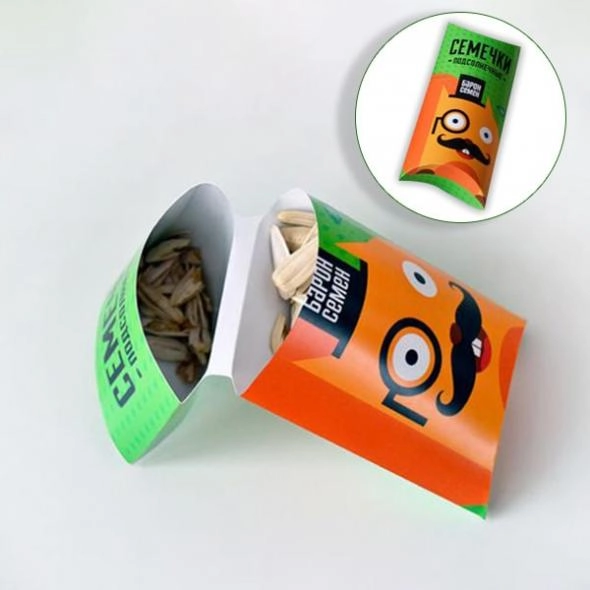
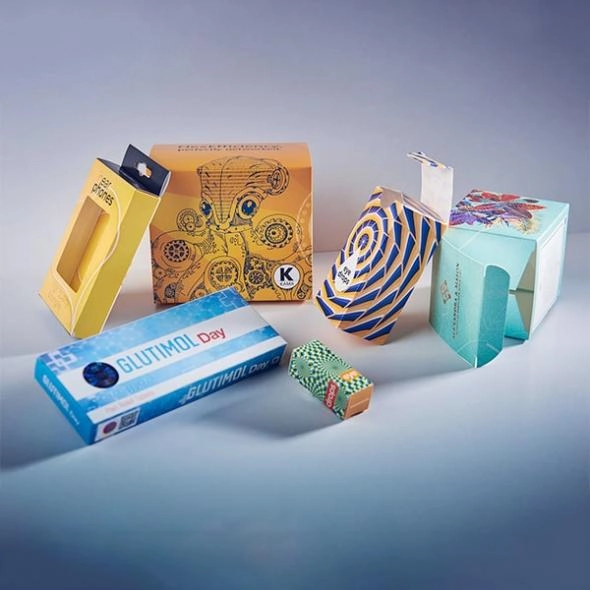
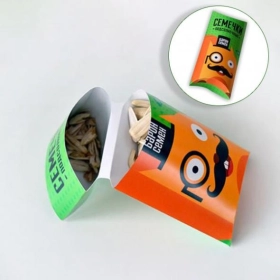
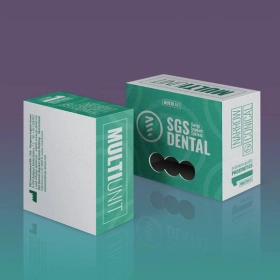
Folding cartons for lightweight retail products: folding carton board works well for tea, soap, cosmetics, and small accessories. Its smooth face gives fine lettering a clean background, and scored panels fold into a compact retail box. A tuck flap makes the carton easy to fill from one end. For a heavier jar, ask about a locking base and test the assembled carton with the actual filled weight.
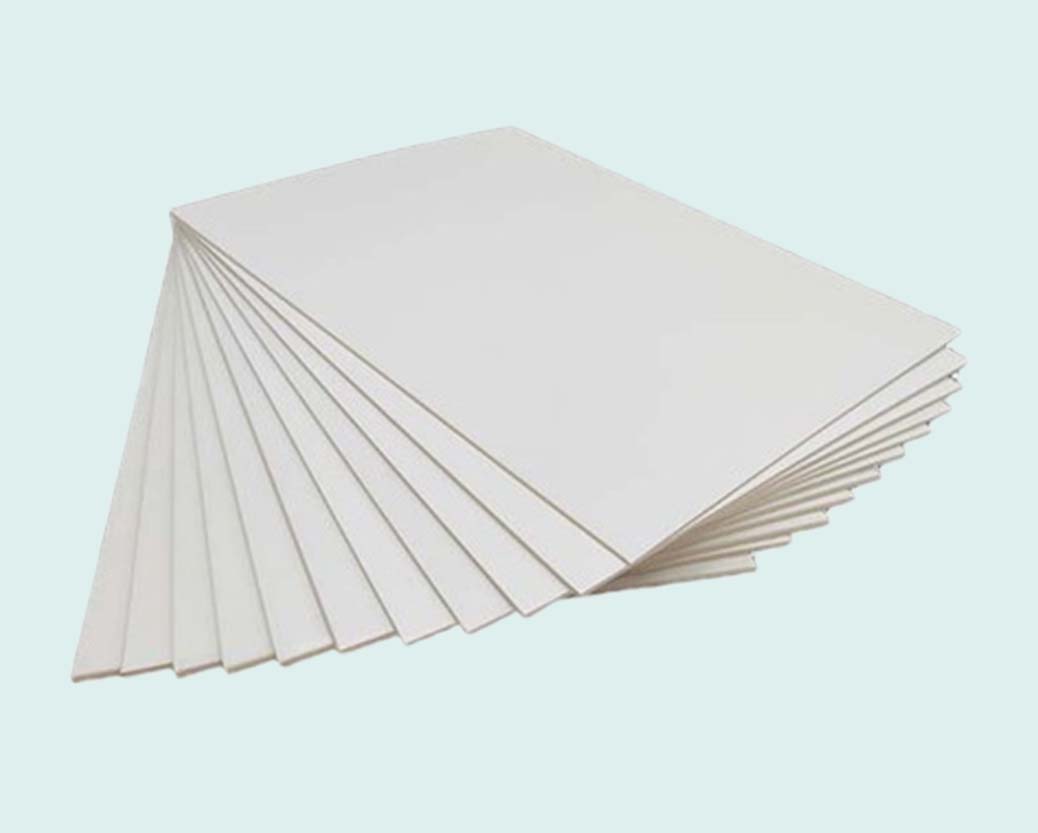
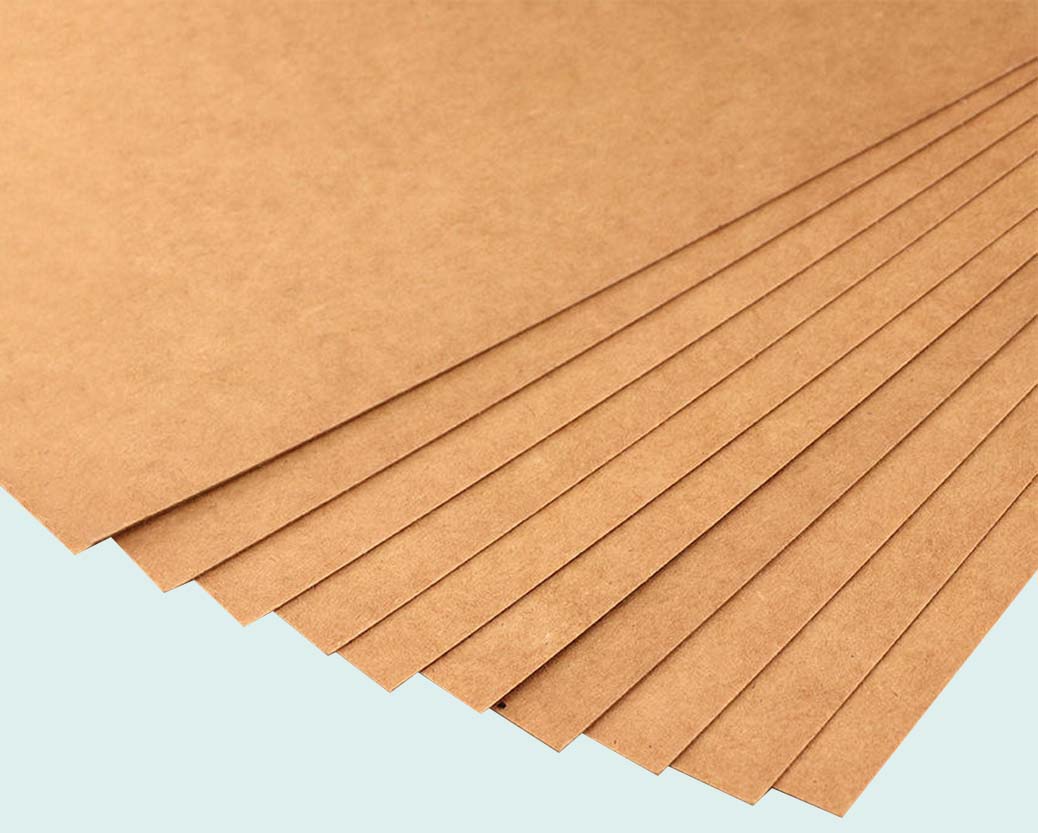
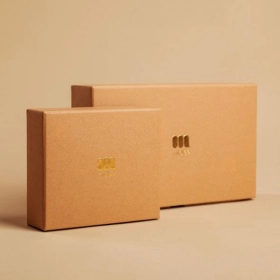
Use white cardstock when your design depends on pale colors or unprinted white space. Natural kraft has a brown surface that pairs well with dark lettering and simple illustrations. If you sell the same product in several scents, print a small color sample on your chosen stock. Two pastel shades that look distinct on a screen can be harder to tell apart on kraft.
Corrugated Mailers and Shipping Boxes
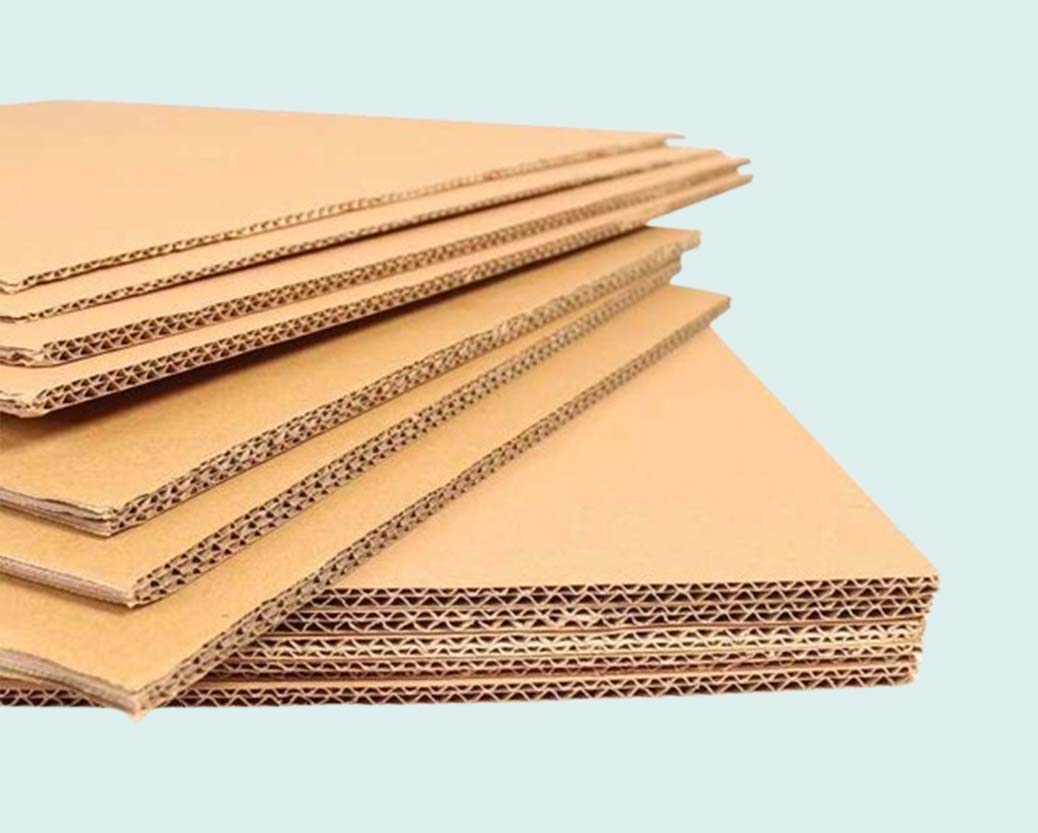
Corrugated board has a wavy paper layer between flat liners. Those layers give a mailer more stiffness than a folding carton. E-flute corrugated is worth considering for subscription kits, boxed stationery, or accessories that need a hinged mailer. For heavier shipments, share the total packed weight, the number of units per box, and how the cartons will be stacked so the board grade can be matched to the load.
For fragile items, build the insert and outer box together. A ceramic mug needs support around its body and clearance around the handle. Try the packed sample with the lid closed and inspect where the insert touches the mug. If pressure falls on the handle when you press the side panel, revise the insert before approving a production run.
Printed Cardboard Boxes with Your Logo and Artwork
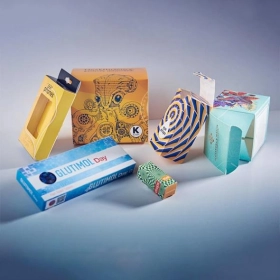
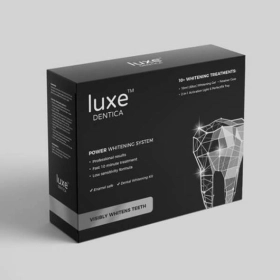
Plan what the customer sees first on a retail carton, and place the product name and variety on the panel facing the aisle. On a shipping mailer, reserve a clear space for the delivery label before positioning your logo. For cardboard boxes with logo printing on the lid, check which way the artwork faces when the customer lifts the flap. A simple paper mockup makes an upside-down mark easy to catch.
Select Print Colors and Finishes
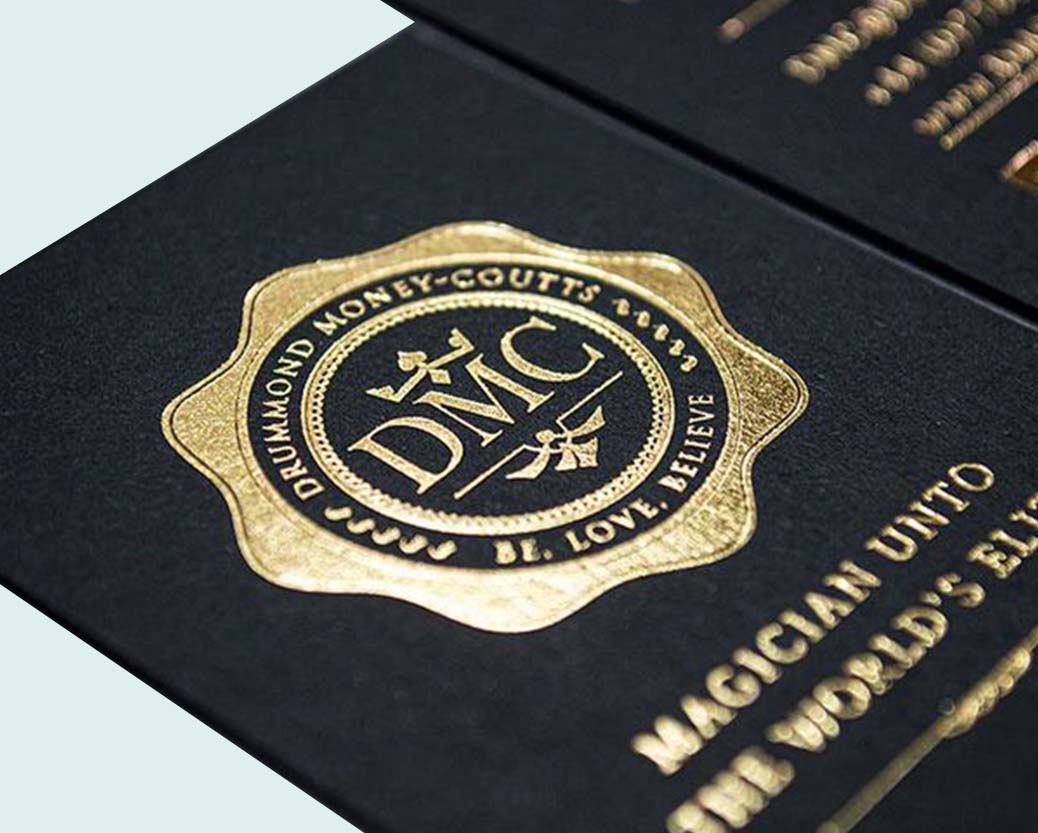
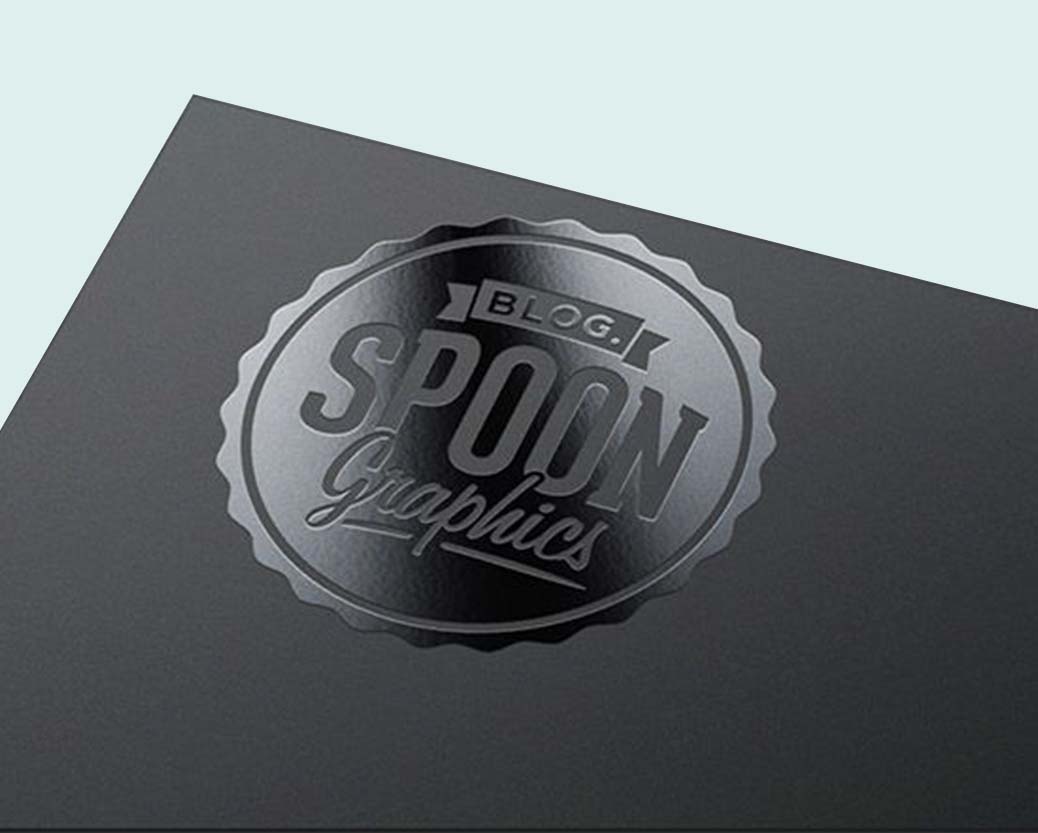
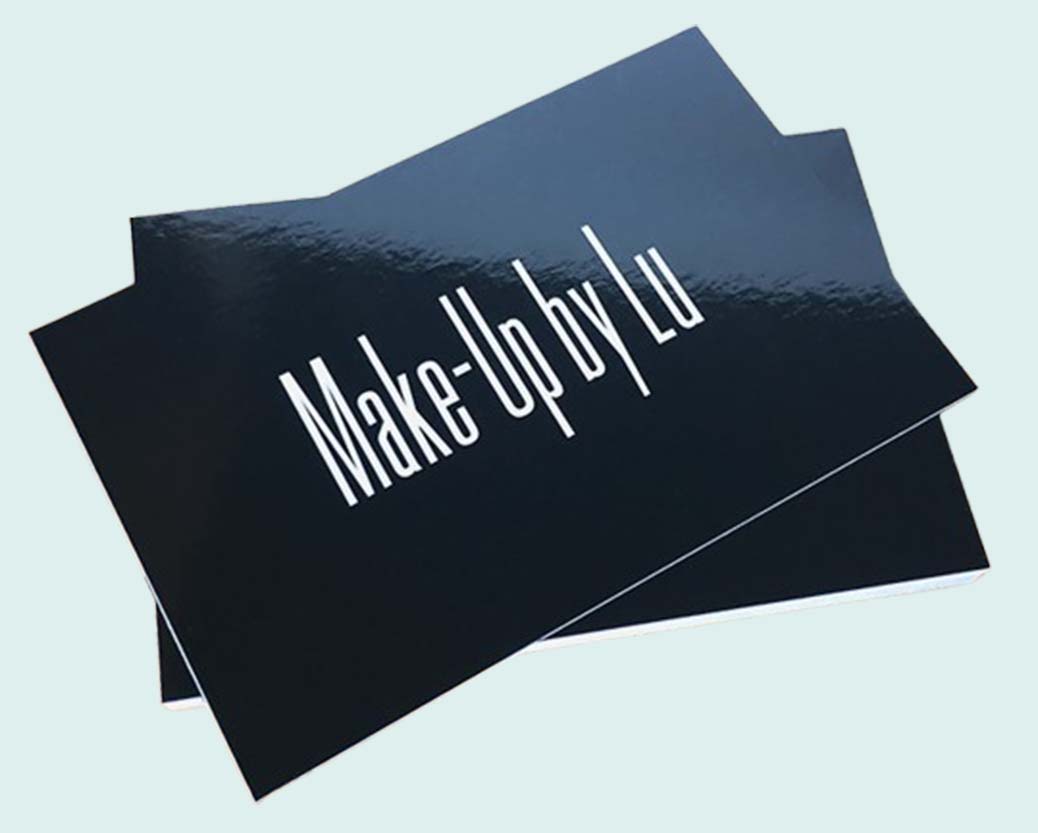
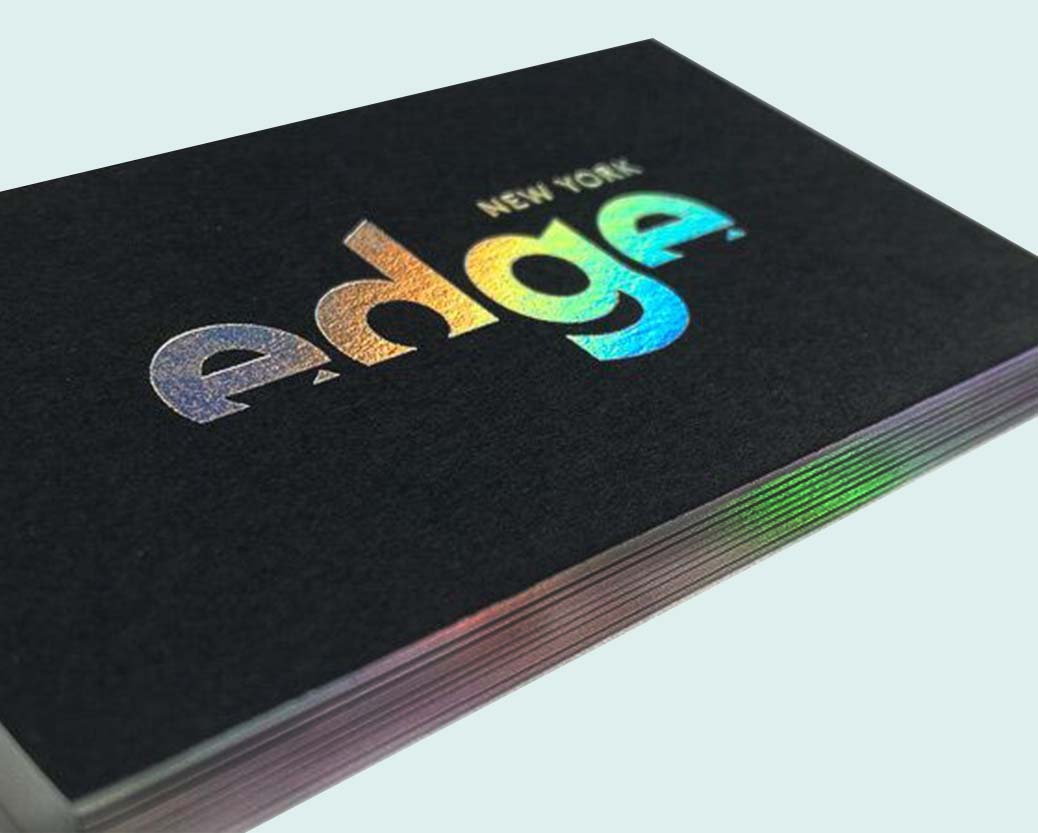
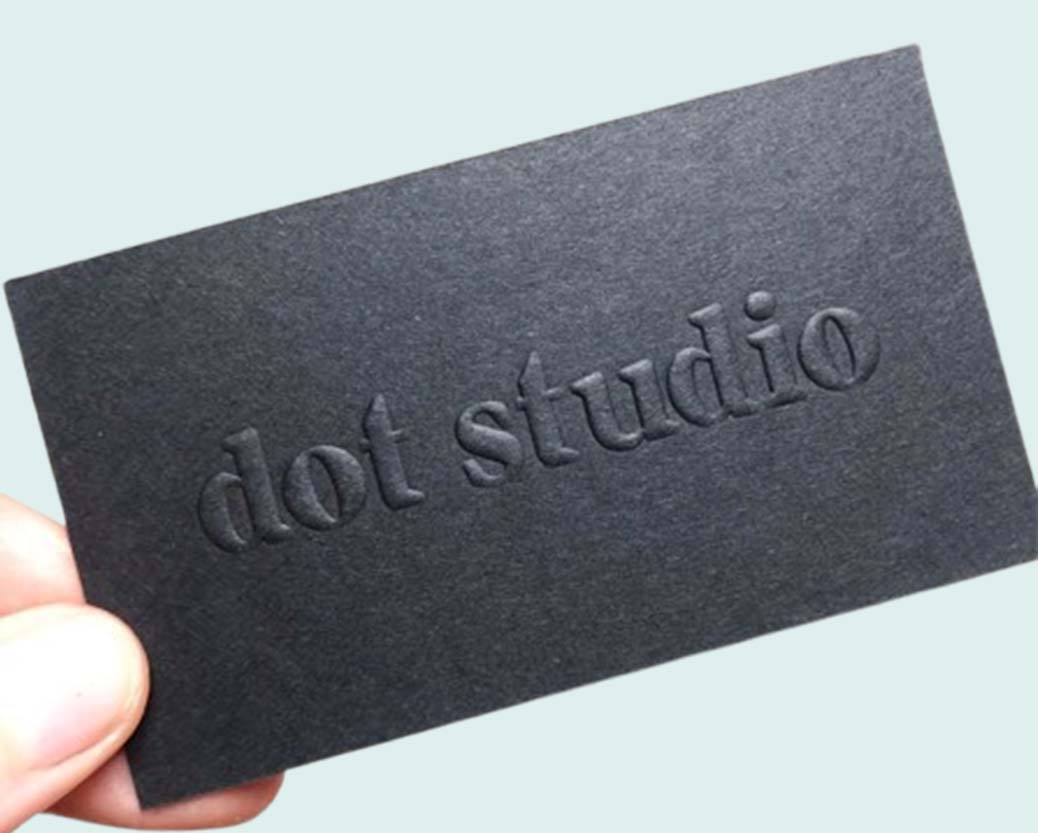
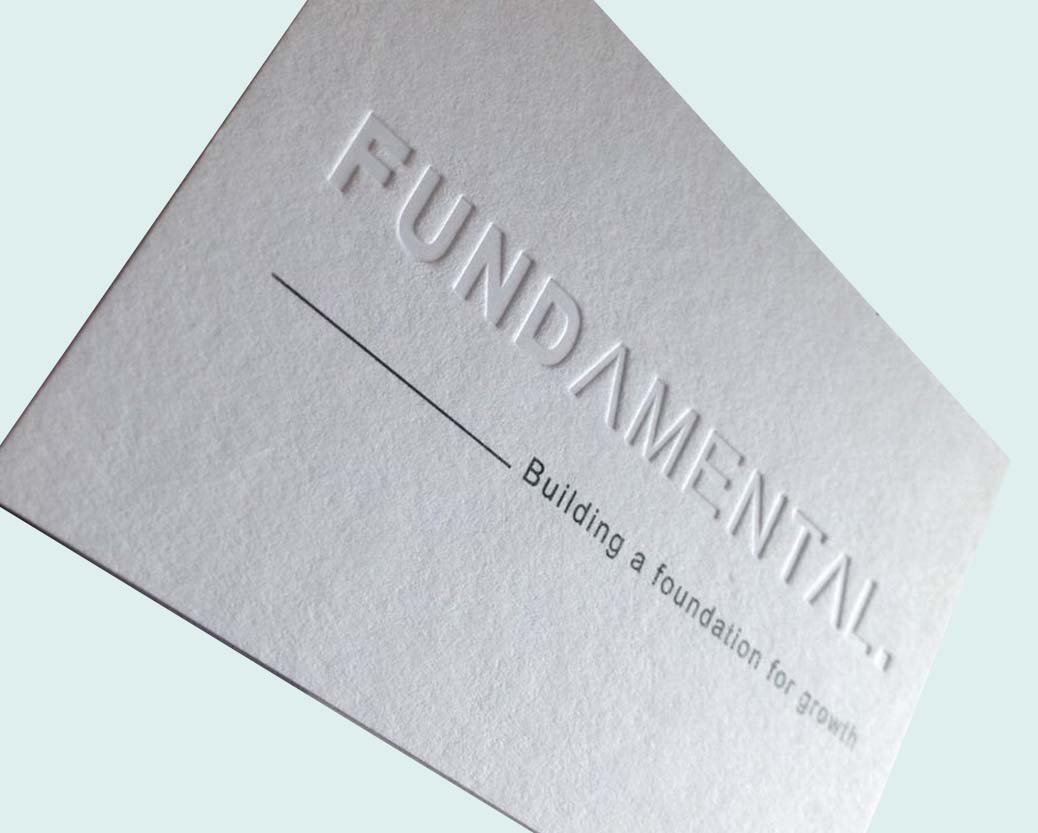
Full-color CMYK printing suits illustrations, photographs, and packaging with several colors. A Pantone spot color can help when one specific brand color matters across designs. Matte finishes soften reflections around small type, while gloss adds shine to colorful artwork. Use foil, embossing, or spot UV on a distinct element, such as a wordmark. Keep barcodes on a smooth panel and scan a printed sample at its finished size.
Before approving printed cardboard boxes, put the assembled proof beside another item in the same range. Check that the names line up at shelf height and that customers can tell sizes or colors apart from the front. Turn the box over and read the smallest text under store lighting. Review the glue seam too, especially when a pattern wraps around adjoining panels.
Ordering Cardboard Boxes Wholesale
When buying cardboard boxes wholesale, calculate quantities by size and artwork version. A soap maker ordering 1,000 cartons might need 600 lavender, 250 cedar, and 150 citrus. If those proportions change often, compare separate printed runs with one shared carton and a scent label. Include the time your team spends applying labels when comparing the two prices.
For ongoing orders, ask how many flat boxes arrive in each shipping carton and where the team will store them. Order enough to cover the time between approval and delivery, with a reserve based on sales. Seasonal artwork deserves its own quantity estimate because its selling window is shorter.
Request a custom quote from Custom Boxes Zone with your dimensions in inches, quantity per design, preferred material, and delivery ZIP code. Upload your artwork or ask for design support if you need help fitting it to the box. If fit is still uncertain, request a physical sample before placing the full order. We confirm the final price, shipping details, and production time before payment.