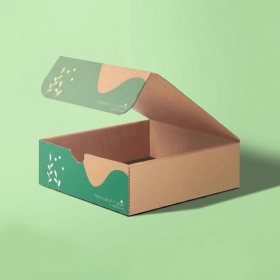
Custom Mushroom Boxes for Fresh Produce, Grow Kits, and Retail Brands
Mushrooms require packaging that balances protection, airflow, moisture control, stacking strength, and shelf presentation. Our custom mushroom boxes can be developed around the variety, pack weight, distribution method, refrigeration needs, retail environment, and artwork of your product. Use them for button, cremini, portabella, oyster, shiitake, maitake, lion’s mane, enoki, and other gourmet varieties. Packaging can also be created for mushroom growing kits, dried products, subscription boxes, farm-share programs, and prepared mushroom foods.
What Are Mushroom Packaging Boxes?
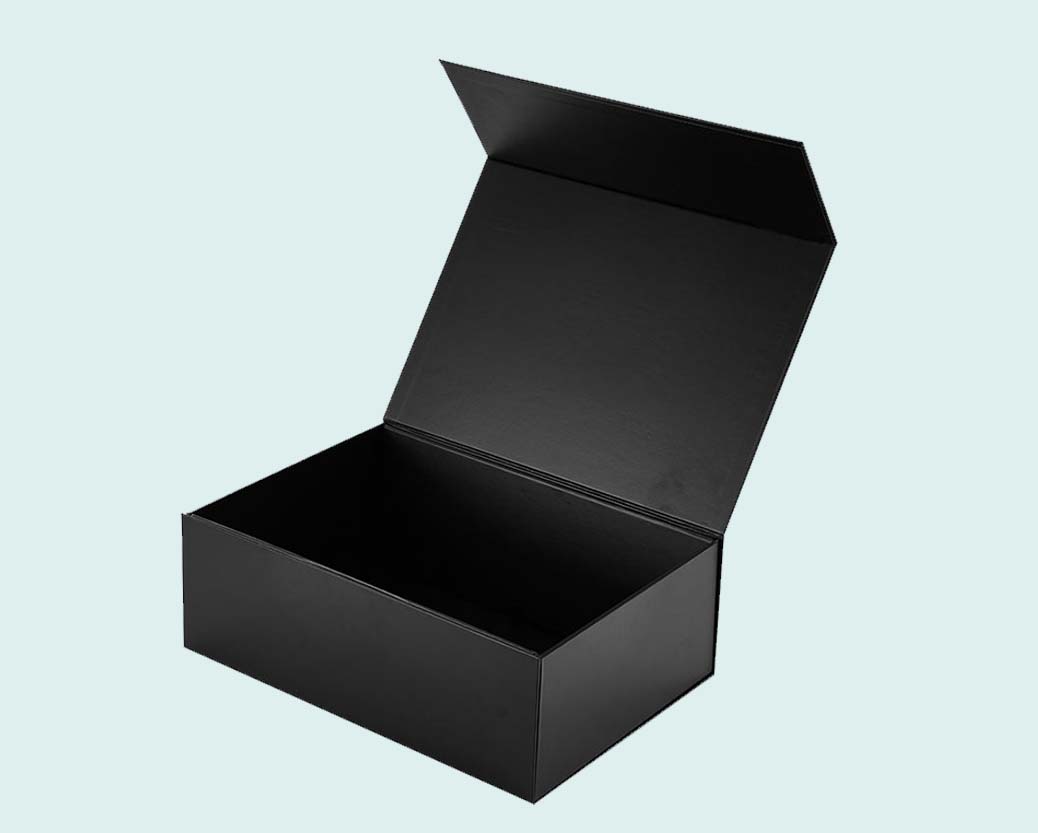
Mushroom packaging boxes are paper-based containers designed to hold delicate fungi during packing, storage, display, and transportation. Unlike a general retail carton, a produce box may need ventilation openings, moisture-aware materials, a secure tray shape, and sufficient stacking strength. The ideal structure depends on whether the product is fresh, dried, processed, or sold as a growing kit. Fresh produce generally needs breathable packaging, while grow kits require stronger outer cartons to protect substrate blocks, instructions, tools, and accessories.
Why Cardboard Mushroom Boxes Work for Produce
Cardboard mushroom boxes provide a lightweight, printable, and structurally flexible packaging option. They can be produced as trays, folding cartons, sleeves, mailers, or corrugated shipping cases. Ventilation slots, windows, carrying handles, locking tabs, dividers, and reinforced corners can be added according to the product. The board thickness should be selected after considering the filled weight, moisture exposure, stacking pressure, and distribution route.
Packaging Solutions for Different Mushroom Products
Fresh Retail Mushrooms
Fresh mushrooms are sensitive to bruising, compression, and excess surface moisture. A shallow tray, vented folding carton, or open-top produce box can keep the product organized without placing unnecessary pressure on the caps. Vent slots can be positioned on side walls, end panels, or the lid. Their size and location should be tested with the actual mushroom variety, refrigeration setup, and transportation conditions.
Gourmet and Specialty Varieties
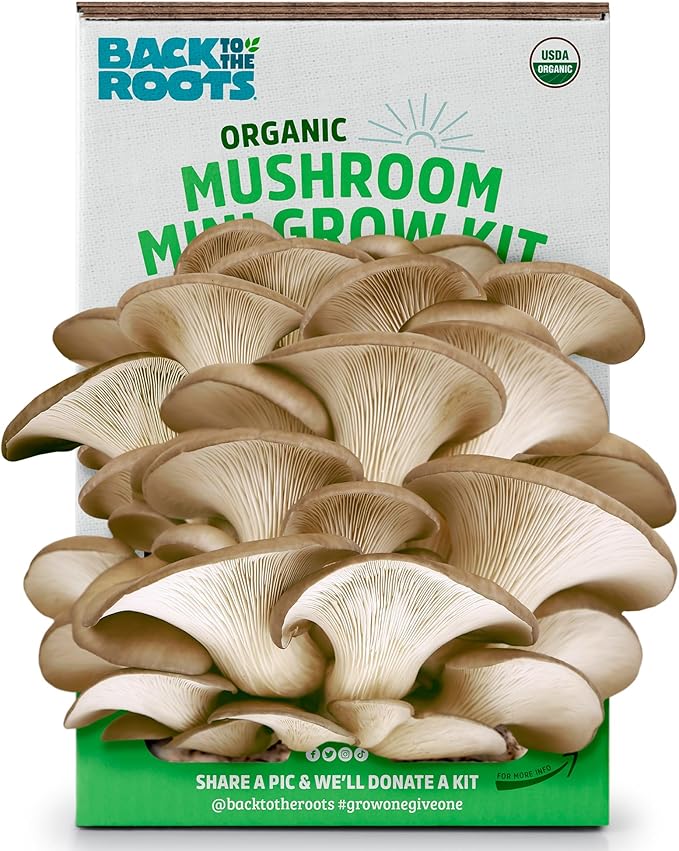
Oyster, lion’s mane, maitake, and similar specialty varieties often have irregular shapes and delicate edges. These products may require a wider footprint, additional headroom, rounded internal corners, or a fitted paper insert. A window can improve product visibility. However, its size and material should still support the required airflow, moisture control, stacking strength, and product protection.
Mushroom Growing Kits
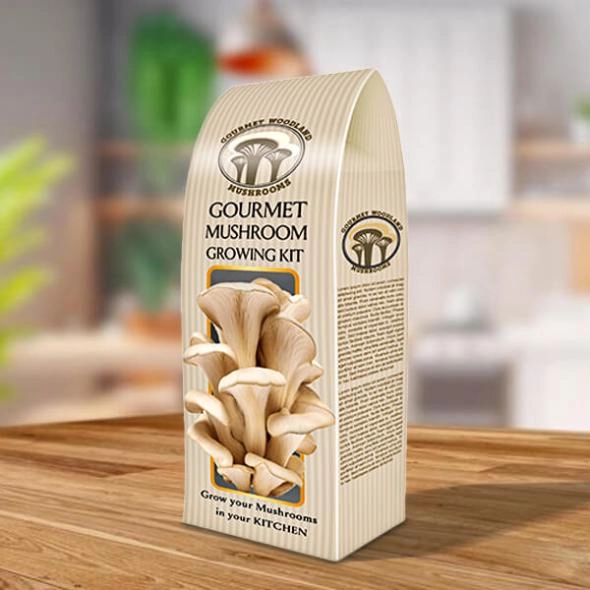
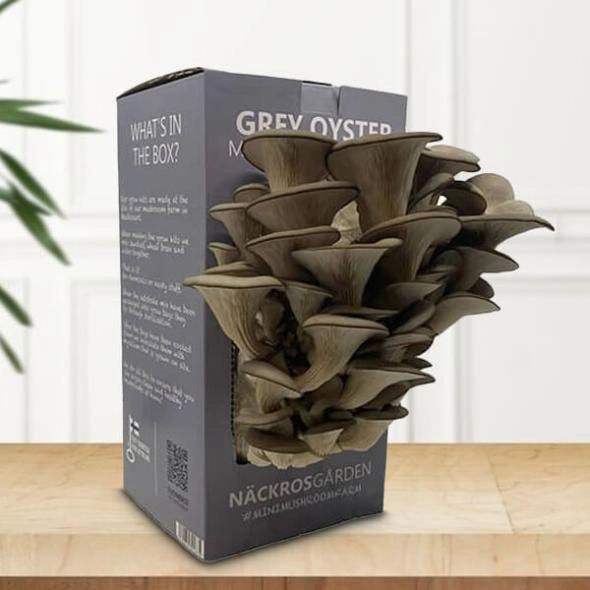
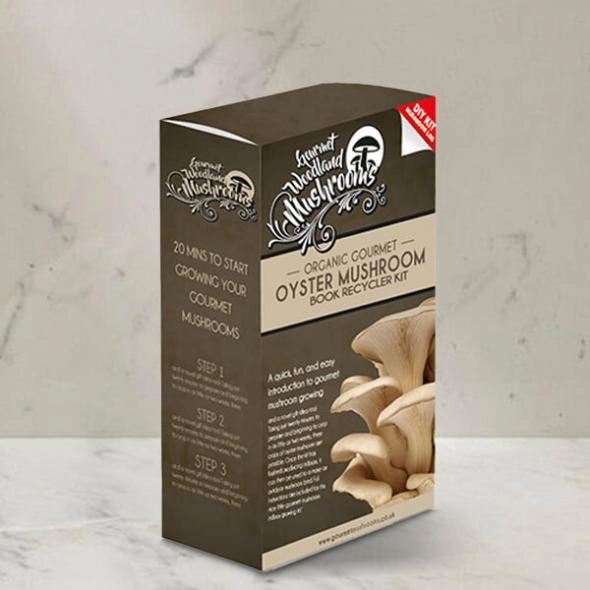
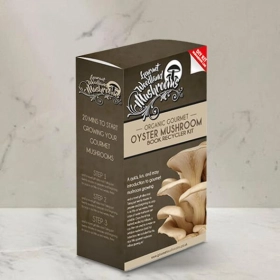
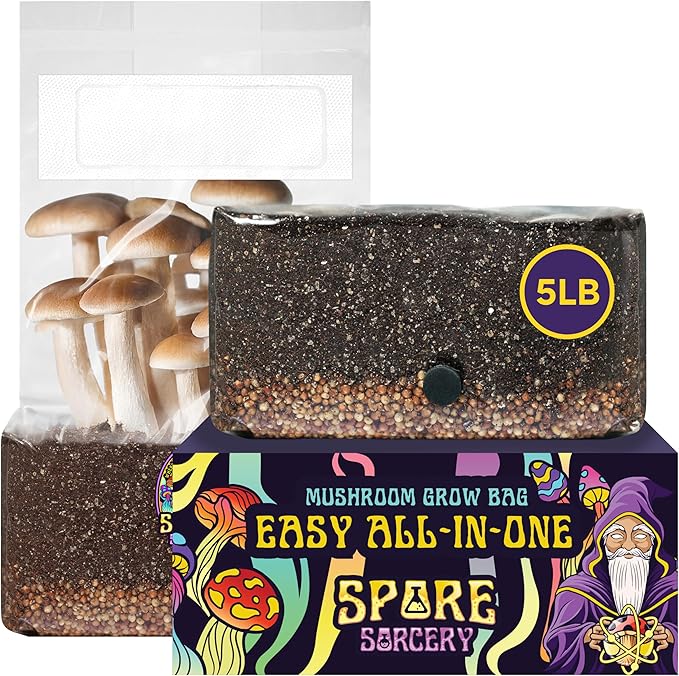
Grow-kit cartons need enough space for the growing block, spray bottle, instruction leaflet, labels, and included accessories. They may also need die-cut openings, perforated panels, carrying holes, or printed setup instructions. The outer box should remain stable during shipping. It should provide sufficient space for brand messaging, growing steps, safety information, product identification, and customer support details.
Dried and Processed Mushroom Products
Dried mushrooms, powders, seasonings, and supplements generally need an inner pouch, liner, or sealed primary container. The outer folding carton then provides branding, product information, tamper evidence, and retail presentation. The moisture and oxygen barrier should come from an approved inner package unless the paper carton has been specifically designed and tested for direct product contact.
Printed Mushroom Takeout Boxes for Prepared Foods
Printed mushroom takeout boxes are intended for cooked mushroom dishes, snacks, meal kits, or restaurant servings rather than raw fresh produce. These containers may require grease-resistant coatings, secure closures, and heat-appropriate construction.
The serving temperature, sauce content, food weight, and expected holding time should be reviewed before selecting the material or coating.
Custom Sizes for Retail Packs and Bulk Distribution
Correct sizing reduces product movement, unused space, material consumption, and shipping inefficiency. Final dimensions should be based on the actual mushroom volume, pack weight, product shape, ventilation area, and stacking pattern.
Common Retail Pack Weights
The following pack weights provide useful starting points:
- 5 oz: Specialty mushrooms, sliced shiitake, samples, or small premium packs
- 8 oz: Standard retail packs for whole or sliced white and brown mushrooms
- 12 oz: Medium portions, value packs, or specialty assortments
- 16 oz: Family-size packs, food-service portions, or larger retail units
- 24 oz: Club-store packs, bulk retail quantities, or high-volume buyers
- Custom weight: Irregular varieties, mixed packs, growing kits, and distribution cases
Pack weight does not directly determine box dimensions. Mushroom density, cap size, stem length, slicing style, and arrangement must also be considered.
How to Measure the Box
Measure the usable internal length, width, and height instead of relying only on the exterior panels. Allow room for the product, liner, insert, ventilation openings, lid movement, and normal filling variation. Avoid excessive headspace, but do not compress delicate mushrooms. A physical prototype is recommended for irregular varieties, premium packs, and larger distribution formats.
Retail and Shipping Size Examples
Possible starting dimensions include:
- 5 × 4 × 2 inches: Small specialty or sample packs
- 7 × 5 × 2.5 inches: Standard retail mushroom packs
- 9 × 6 × 3 inches: Family-size or mixed-variety packs
- 12 × 8 × 4 inches: Larger farm-shop or food-service quantities
- Custom dimensions: Grow kits, mailer boxes, shipping cases, and unusual varieties
These measurements are examples rather than fixed standards. The product should be physically tested inside the proposed structure before mass production.
Material Options for Protection and Branding
Available paper stocks range from approximately 10 pt to 28 pt. The best material depends on pack weight, moisture exposure, print coverage, shipping method, and refrigerated storage requirements.
Cardstock and Paperboard
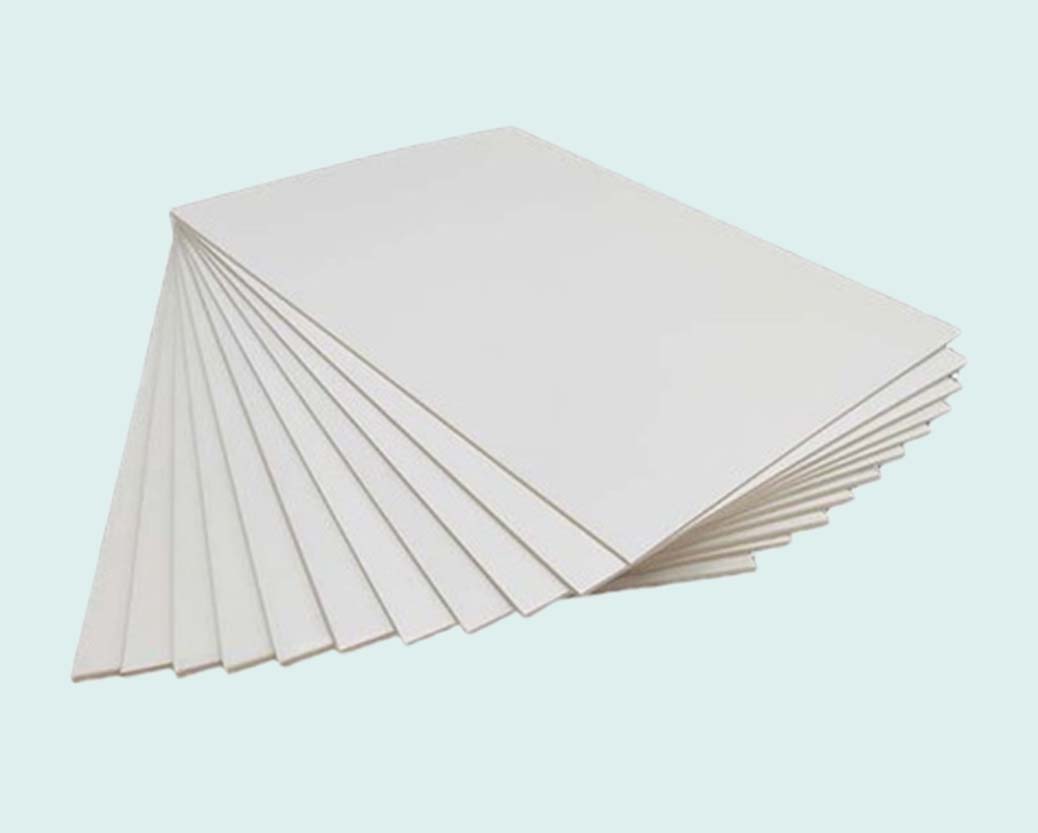
Cardstock provides a smooth surface for detailed graphics. It is suitable for lightweight retail cartons, sleeves, and smaller produce boxes. Thicker grades offer better rigidity for larger packs. White paperboard creates a clean background for photographs, farm imagery, nutrition panels, and colorful branding.
Natural Kraft Stock
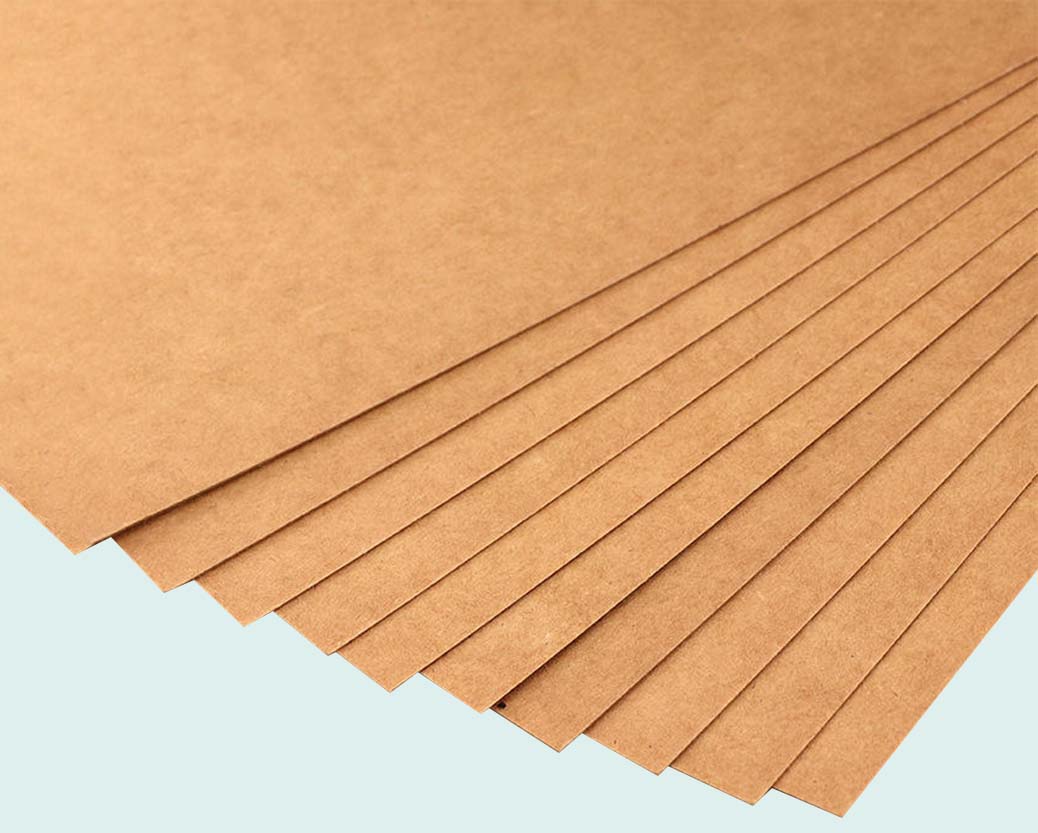
Kraft paperboard creates an organic and farm-focused appearance. It works well for farmers’ markets, sustainable brands, gourmet varieties, and simple one- or two-color artwork. Brown Kraft naturally shows through lighter inks. White Kraft provides a brighter printing surface while retaining a natural paper-based presentation.
Bux Board
Bux Board is a sturdy paper-based option for cartons that need additional body and durability. It can be considered for larger retail packs, grow-kit boxes, subscription products, and packaging that must retain its shape through repeated handling. The thickness should be selected after testing the filled weight and expected stacking load.
E-Flute Corrugated Board
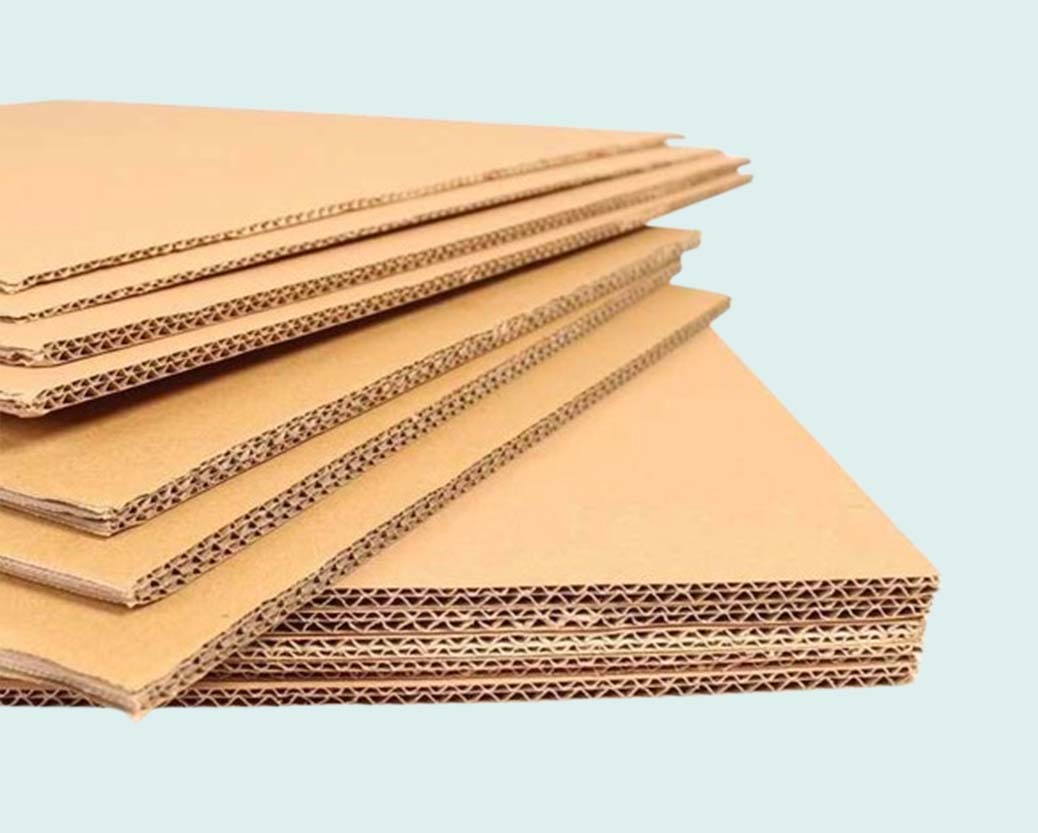
E-flute corrugated board provides greater compression strength and cushioning than ordinary folding paperboard. It is useful for grow kits, bulk packs, shipping cases, farm-to-retailer distribution, and multi-unit cartons. The fluted middle layer helps protect the contents from minor impacts. Branding can be printed directly onto the material or applied through a high-quality printed outer liner.
Food-Contact Liners and Coatings
A food-contact-suitable liner or coating may be required when fresh produce touches the carton directly. The selection should account for moisture, condensation, refrigeration, inks, adhesives, and applicable packaging requirements. Material certifications and intended-use documentation should be confirmed before production rather than relying only on broad descriptions such as “food grade.”
Box Styles for Farms, Stores, and Grow-Kit Brands
Vented Folding Cartons
A vented folding carton combines printable panels with strategically positioned airflow openings. It can be supplied flat, assembled quickly, and produced with tuck ends, locking tabs, or glued side seams. This style is suitable for retail environments where branding and product information need to remain clearly visible.
Open-Top Produce Trays
Open-top trays make filling, inspection, and display simple. They can be used alone, paired with an approved film, or combined with a printed paper sleeve. Rolled or reinforced edges may increase strength and reduce sharp contact points around delicate produce.
Tray and Sleeve Packaging
A paper tray protects the product while a printed sleeve provides branding and product identification. The sleeve can display the logo, variety, weight, barcode, storage guidance, and preparation ideas. The tray and graphic sleeve can also be updated independently when a brand sells several mushroom varieties.
Window Mushroom Boxes
A die-cut window lets shoppers inspect the product without opening the package. Window size should be balanced against airflow, stacking strength, and protection. The opening can remain uncovered or use an appropriate transparent film, depending on the packaging design and product requirements.
Handle and Gable Boxes
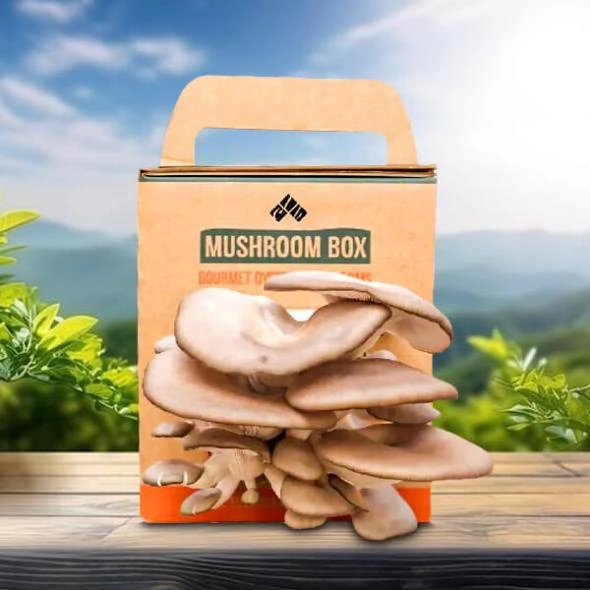
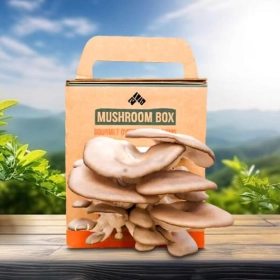
Gable-style cartons and boxes with die-cut handles are useful for farmers’ markets, gift packs, mixed varieties, and direct-to-consumer sales. They offer convenient carrying and a large printable surface. The handle area should be reinforced according to the total filled weight.
Corrugated Shipping Cases
Corrugated shipping cases can hold multiple retail packs or larger farm quantities. They can include ventilation holes, hand slots, dividers, stacking tabs, and printed handling instructions. Consistent case dimensions improve pallet planning, warehouse handling, loading, and distribution efficiency.
Mushroom Grow-Kit Mailer Boxes
Mailer-style cartons protect mushroom growing kits during e-commerce delivery. Inserts can separate the substrate block, spray bottle, tools, and printed instructions. Inside printing can display setup steps, growth guidance, QR codes, troubleshooting information, and customer support details.
Ventilation, Moisture, and Produce Protection
Fresh mushrooms continue to respire after harvest, so their packaging should not be designed like an ordinary sealed gift carton. Airflow and moisture management must be considered together.
Too little ventilation may contribute to condensation. Excessive open space may increase moisture loss or expose the produce to physical damage. The correct balance depends on mushroom variety, temperature, humidity, distribution time, and secondary packaging.
Vent Placement
Side and end-panel vents allow airflow when several boxes are stacked. Top vents may work for open retail display, while bottom openings should be positioned carefully to avoid product damage or debris entry. Vent holes should not weaken corners, locking tabs, handles, or load-bearing panels.
Bruising and Compression Control
A shallow structure helps prevent multiple heavy layers from resting on delicate caps. Inserts, dividers, or paper-based supports may be used for high-value specialty mushrooms. The box should be tested at its expected filled weight and under realistic stacking conditions.
Cold-Chain Compatibility
Paper stock, inks, adhesives, and coatings should remain stable under the expected refrigerated conditions. Condensation and temperature changes can affect carton strength and printed surfaces. Testing a sample throughout the intended supply chain is more reliable than selecting a material based only on thickness.
Printing and Branding Options
Packaging gives farms and food businesses space to explain where the mushrooms were grown, how they should be stored, and what makes the product different. Clear printing can also help store employees and customers identify varieties quickly.
CMYK Full-Color Printing
CMYK printing supports farm photography, recipes, illustrations, gradients, background patterns, and multicolor designs. It is appropriate for retail boxes containing several visual elements.
PMS Spot-Color Printing
PMS printing supports more consistent reproduction of specific brand colors. It may be combined with CMYK when a design includes full-color imagery and an accurately matched logo shade.
Mushroom Boxes with Logo
Mushroom boxes with logo printing can display the farm or brand name on the lid, front panel, end walls, sleeve, or shipping case. The artwork should remain visible after the carton is folded, filled, stacked, and labeled. Keep important branding away from vents, seams, locking tabs, and perforations.
Additional information can include:
- Mushroom variety
- Product weight
- Farm location
- Harvest or packing date
- Batch or lot number
- Storage instructions
- Barcode and QR code
- Website and social handles
- Recipe or preparation ideas
- Relevant certification marks
Printed Interiors
Inside printing is particularly useful for grow kits and subscription products. It can display opening instructions, growing steps, recipes, sustainability information, or a thank-you message. Interior ink and coating selections should be appropriate for the intended product-contact arrangement.
Finishing and Structural Add-Ons
Matte and Gloss Finishes
Matte lamination creates a smooth, low-glare appearance. Gloss lamination adds shine and can make strong colors look more vivid. For fresh produce applications, confirm that the selected finish is suitable for refrigeration, recycling goals, and the package’s food-contact configuration.
Aqueous and UV Coatings
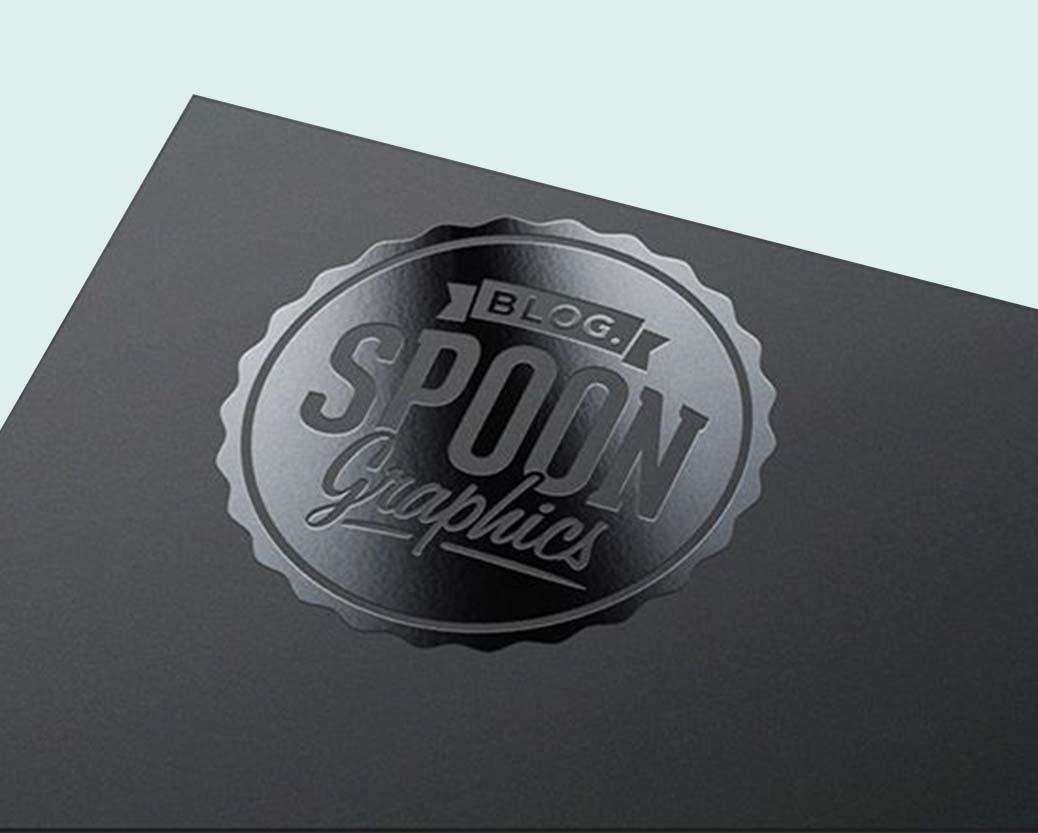
Aqueous coating can provide light protection against scuffing. Spot UV can highlight selected artwork, such as the logo, product name, or decorative pattern. Heavy decorative coatings may not be necessary for everyday produce cartons. They should be used where they offer clear practical or branding value.
Foil, Embossing, and Debossing
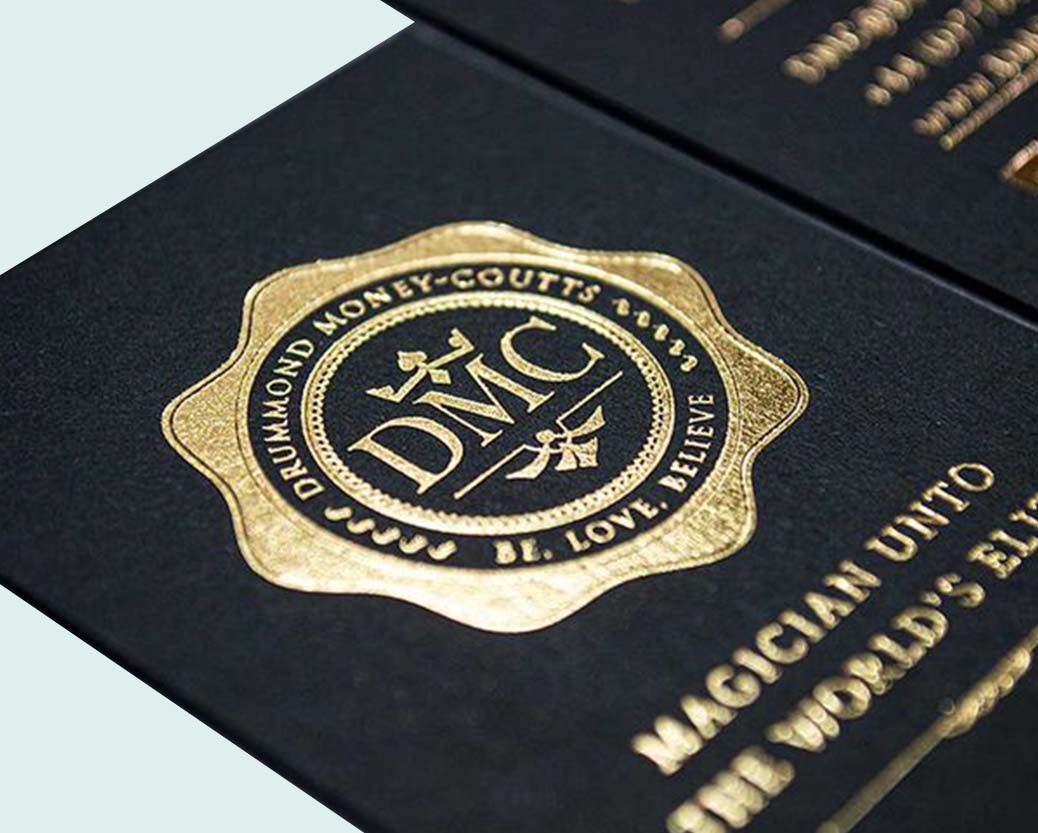
Foil stamping, embossing, and debossing can create a premium appearance for gourmet mushroom packs, gift assortments, and grow-kit packaging. These finishes should be positioned away from ventilation cuts, folds, perforations, and small legal text.
Functional Die-Cut Features
Available structural features can include:
- Ventilation holes and airflow slots
- Carrying handles
- Product-view windows
- Perforated opening panels
- Locking tabs
- Reinforced corners
- Paperboard inserts and dividers
- Display-ready tear-away sections
- Printed sleeves and belly bands
Mushroom Boxes Wholesale for Commercial Orders
Mushroom boxes wholesale purchasing is useful for farms, packers, grocery suppliers, distributors, food-service businesses, and grow-kit companies that need consistent packaging across multiple production runs. The currently listed minimum run is 100 boxes. Larger quantities can reduce the per-unit impact of setup, printing plates, die cutting, proofing, and finishing.
Factors That Affect Wholesale Pricing
Final pricing generally depends on:
- Internal dimensions
- Box structure
- Material and thickness
- Ventilation design
- Window size
- Printing method
- Ink coverage
- Coatings and finishes
- Inserts and dividers
- Total quantity
- Proofing requirements
- Shipping destination
- Requested turnaround
Request quotations at multiple quantity levels, such as 100, 250, 500, and 1,000 units, to compare the expected cost per box.
Custom Mushroom Packaging for Retail Impact
Custom mushroom packaging can communicate freshness, origin, variety, growing method, storage guidance, and brand values in a clear format.A consistent design also helps products look organized across farmers’ markets, grocery shelves, farm shops, subscription boxes, and e-commerce orders. Use large and readable variety names. Similar products can be separated through controlled color coding, illustrations, or photography.
Keep barcodes and QR codes on flat panels. Leave enough blank space for weight, harvest date, batch, or pricing labels that may change between production runs.
Sustainable Packaging Considerations
Right-sized paper-based packaging can reduce unnecessary material and improve shipping-case efficiency. Kraft, recycled-content board, recyclable paperboard, and biodegradable options may be available depending on the final construction and coating. Environmental claims should match the exact material specification. Laminations, plastic windows, coatings, adhesives, and local recycling systems can change the appropriate disposal method.
Possible sustainability-focused choices include:
- Accurate, product-specific dimensions
- Recycled or responsibly sourced paperboard
- Minimal ink coverage
- Paper-based inserts
- Removable printed sleeves
- Water-based coatings where suitable
- Reduced plastic components
- Clearly printed disposal guidance
Artwork and Production Process
Share the Product Details
Provide the mushroom variety, pack weight, product dimensions, filled weight, storage temperature, distribution route, order quantity, and preferred shelf presentation. For growing kits, include the measurements and weight of every component.
Select the Structure and Material
Choose a tray, folding carton, sleeve, mailer, gable box, or corrugated case. Match the paper grade to the load, moisture exposure, printing requirements, and shipping method.
Create the Dieline and artwork.
Position the logo, product name, barcode, weight, storage instructions, certification marks, and contact information inside the safe printing areas. Avoid placing important text across folds, vents, seams, locking tabs, or perforations.
Review the proof.
Check the dimensions, airflow openings, panel orientation, spelling, colors, barcode size, QR-code scanning, and finishing positions on the flat proof or 3D mockup. A physical sample is recommended when fit, ventilation, stacking, refrigeration, or grow-kit component placement needs to be tested.
Approve Production
The current specification table lists an approximate production turnaround of 7–8 business days following proof approval. Complex structures, physical samples, specialty finishes, larger quantities, and shipping requirements may affect the final schedule. Boxes are generally supplied flat to reduce storage volume before assembly.