




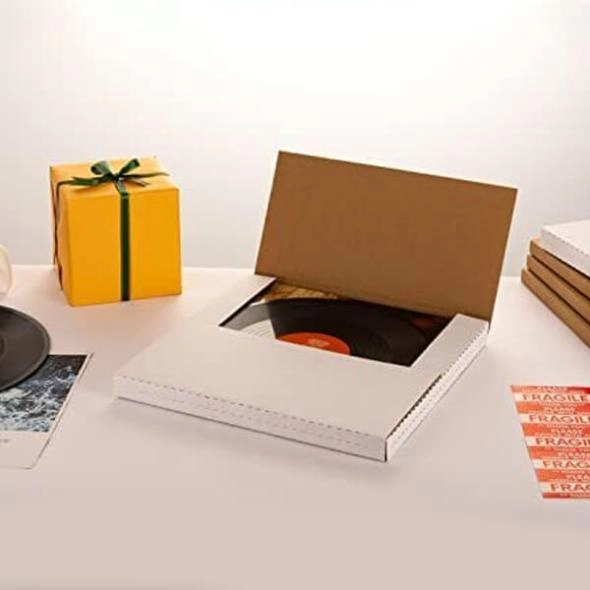
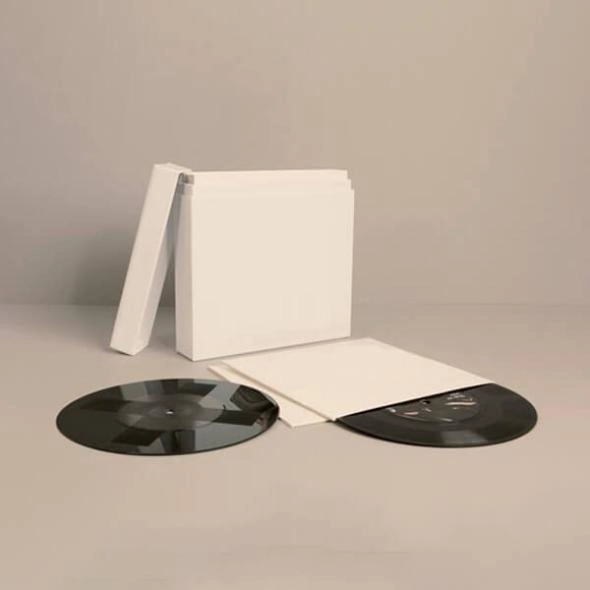
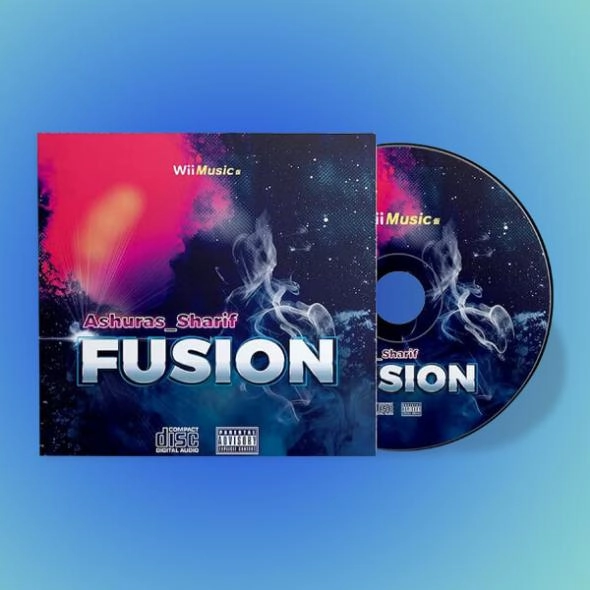
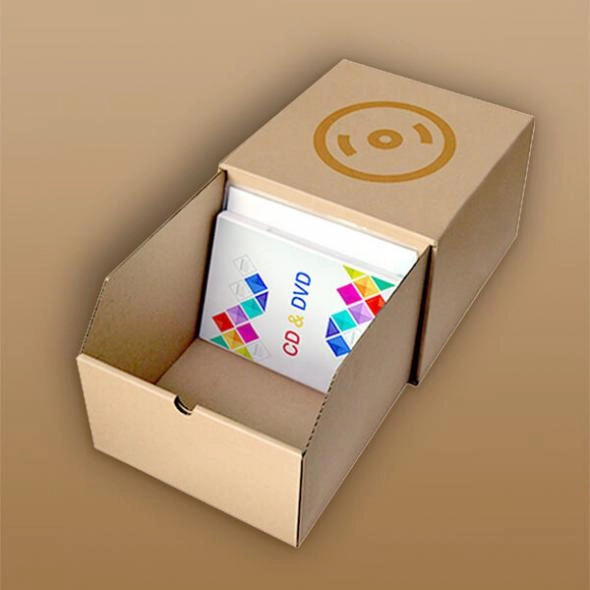
| Box Style | As Mention Above |
|---|---|
| Dimension (L + W + H) | All Custom Sizes & Shapes |
| Minimum Run ( For Boxes and Mylar Bags) | 100 Boxes - 1000 Mylar Bags ( 500 each design) |
| Paper Stock | 10pt to 28pt (60lb to 400lb) Eco-Friendly Kraft, E-flute Corrugated, Bux Board, Cardstock |
| Printing | No Printing, CMYK, CMYK + 1 PMS color, CMYK + 2 PMS colors |
| Finishing | Gloss Lamination, Matte Lamination, Gloss AQ, Gloss UV, Matte UV, Spot UV, Embossing, Foiling |
| Included Options | Die Cutting, Gluing, Scored,Perforation |
| Additional Options | Eco-Friendly, Recycled Boxes, Biodegradable |
| Proof | Flat View, 3D Mock-up, Physical Sampling (On request) |
| Turnaround | 7 - 8 Business Days |
| Shipping | FLAT Position |
What Are Custom CD Covers?
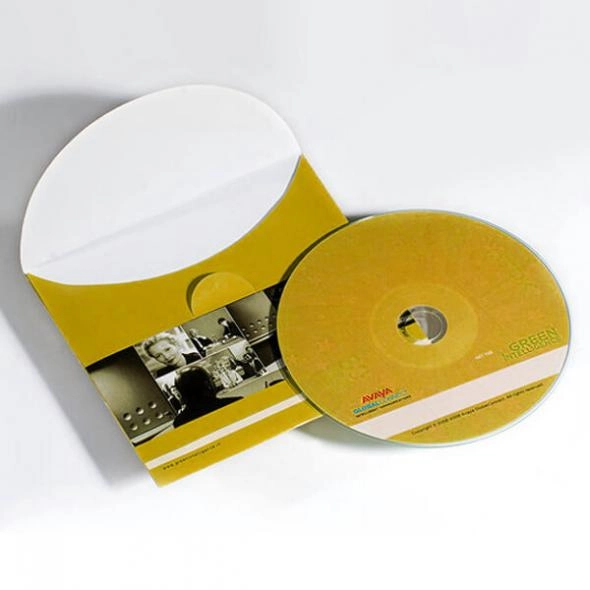
CD covers are printed packaging materials made from paperboard, cardstock, or durable board that hold, protect, and present CDs and DVDs in a professional format. Their primary job is to prevent scratches, dust, and physical damage to the disc surface. At the same time, they give brands, artists, educators, and businesses a printable surface for artwork, logos, product information, and messaging.
A well-designed CD cover does two things at once: it keeps the disc safe, and it communicates the value of what is inside before the disc is ever played. For artists, this is album art. For companies, this is brand identity. For educators and trainers, this is a professional first impression that sets the tone for the content on the disc.
Why CD Cover Packaging Still Matters
Physical media distribution is still active across music, corporate training, education, software, and event photography. In each of these sectors, the packaging around the disc is the first point of contact between the product and the person receiving it. A plain sleeve or a poorly printed cover sends one message. A custom-designed cover with quality material and a professional finish sends a completely different one.
CD cover packaging matters because it combines protection with presentation in a single product. Without proper packaging, discs get scratched, cracked, or lost. Without proper design, the content inside gets undervalued before it is ever experienced. Custom CD covers solve both problems at the same time.
Types of Custom CD Covers
There are several formats available depending on your design requirements, content type, distribution method, and budget. Each type has different structural characteristics, different panel counts, and different ideal applications.
The most common formats include:
- Single sleeve covers the simplest flat format, used for budget-friendly distribution and promotional handouts
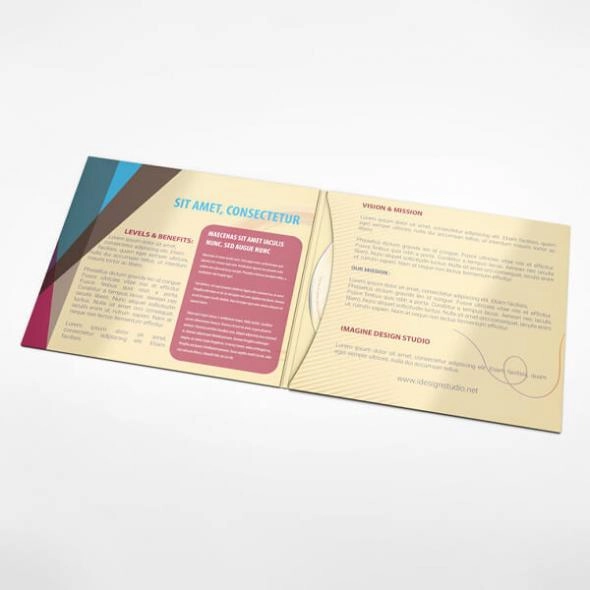
- 2-panel CD jackets front and back panels, suitable for corporate, educational, and simple music releases
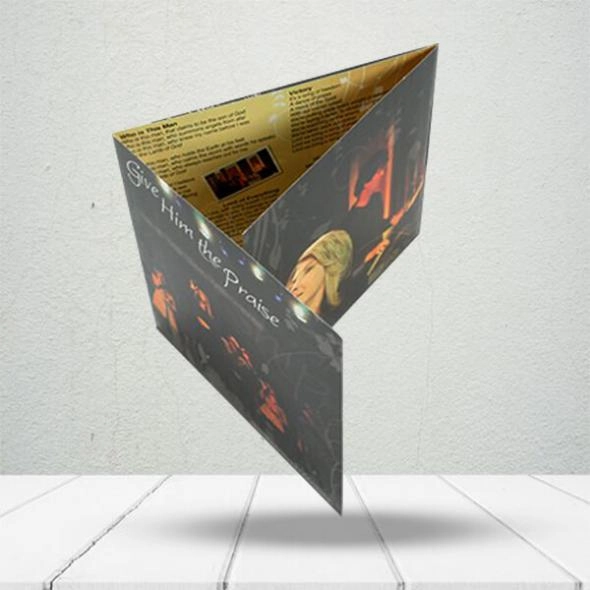
- 4-panel CD jackets folded once to create four printable surfaces, ideal for liner notes, lyrics, and detailed artwork
- 6-panel CD jackets folded twice for maximum printable space, used for special editions and full visual storytelling
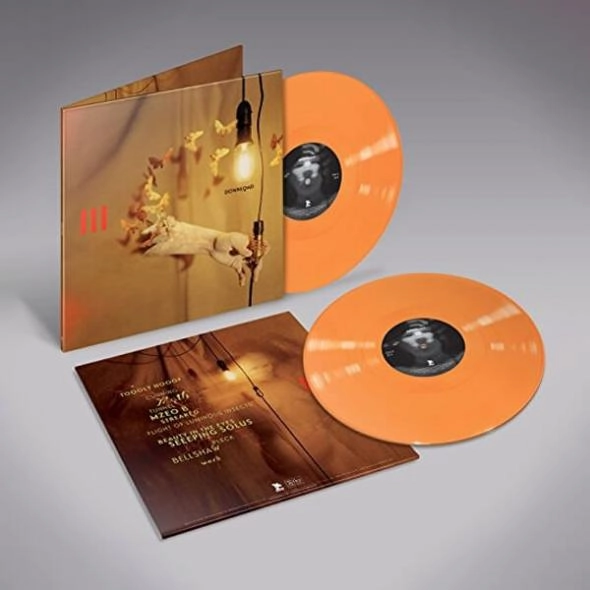
- Gatefold covers open like a book to reveal full-width artwork, commonly used for premium music and collector releases
- CD wallets with multi-disc storage in a compact folded format, popular for course material sets and software bundles
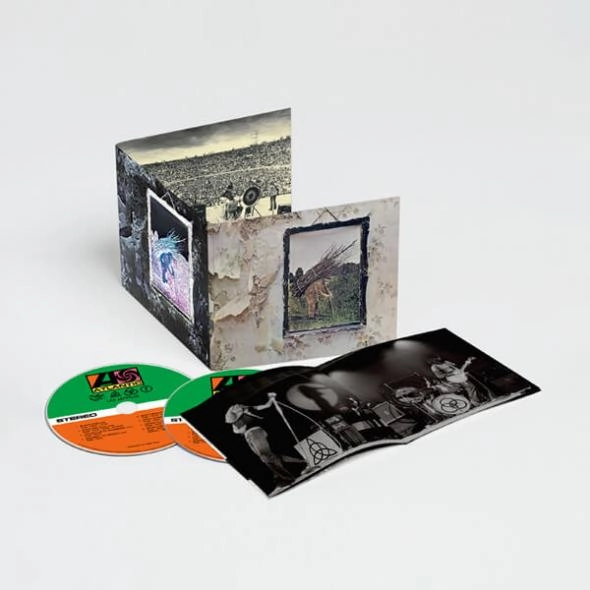
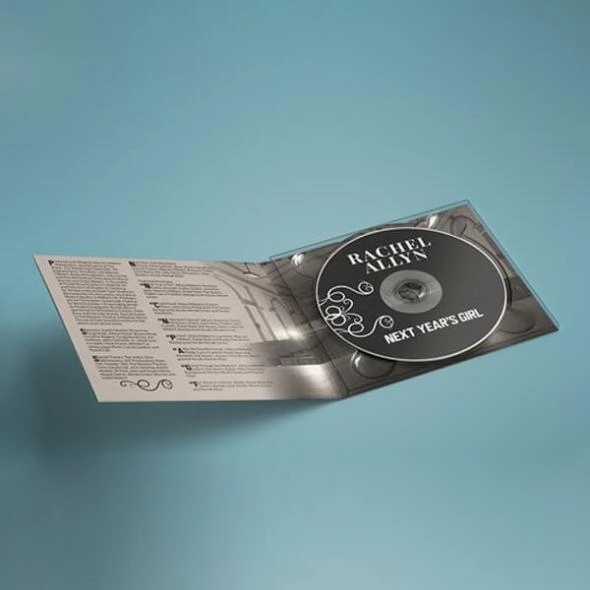
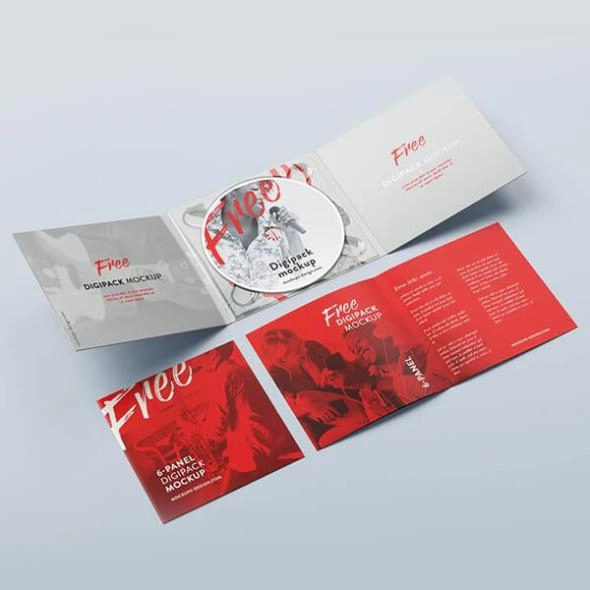
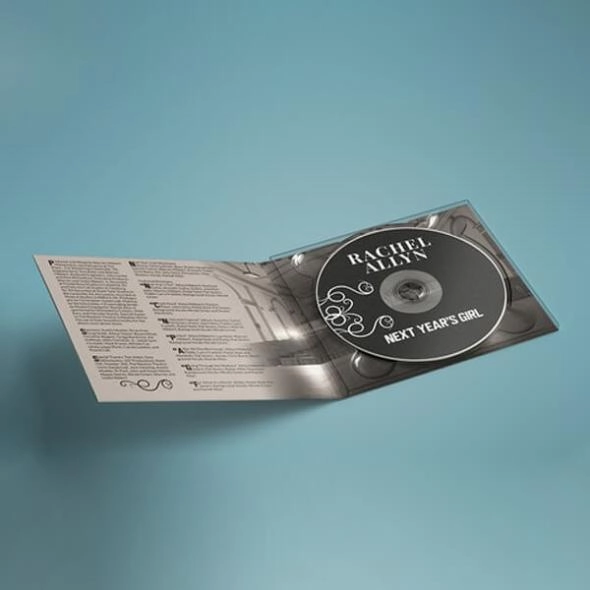
- Digipaks, cardboard packaging with an integrated plastic tray, used for premium music releases and audiobooks
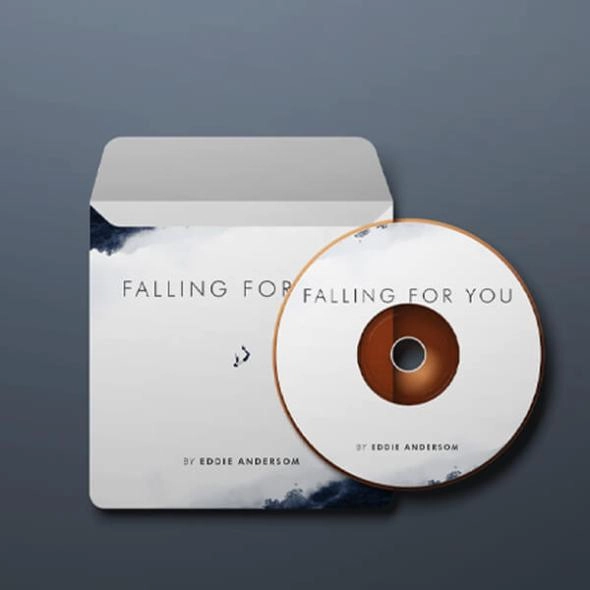
- Paper and Kraft sleeves the most economical option, suitable for sample CDs, promo handouts, and eco-branded distribution.
Each format is available in custom sizes, materials, and finishes. The right choice depends on how the product will be used, stored, and distributed.
Customisation Options for CD Covers
Customisation is where CD covers become a brand asset rather than just a container. Every element of the cover can be tailored to your specific requirements:
- Full-colour custom printing with your logo, artwork, product name, and brand colours
- Panel layout and structure choose from 2, 4, or 6 panels based on how much content you need to display
- Inside panel printing for lyrics, track listings, QR codes, credits, chapter guides, or brand storytelling
- Custom die-cut shapes for covers that stand out beyond the standard square format
- Window cut-outs to allow the disc label or inner tray to be visible from outside the packaging
- Insert pockets and trays for packaging that hold additional items alongside the disc
- Spine text, logos, and colour coding for products that will be stored on shelves or in racks
Custom CD covers allow businesses and creators to differentiate their product in a competitive market. A well-executed cover is not just packaging it is a marketing tool that works at every stage of the product journey, from the shelf to the unboxing moment.
Materials Used in CD Covers
The material you choose for your CD cover affects its strength, print quality, visual appeal, and environmental footprint. Standard options include:
- 14pt SBS cardboard the most common choice for retail and commercial CD covers. Smooth surface, lightweight, excellent printability
- 16pt cardboard, slightly thicker and stiffer, preferred for multi-panel designs that need to hold their shape through repeated handling
- Natural Kraft board is an unbleached, earthy-toned material used by eco-branded and organic lifestyle products. Works best with muted or natural colour palettes
- Recycled / CRB board made from post-consumer waste. Slightly textured surface. Suitable for eco-wallets and sustainable packaging lines
- Rigid chipboard (2mm) heavy, firm board used for collector editions, gift sets, and premium slipcase packaging
Additional coatings applied to the surface include matte lamination for a soft and elegant appearance, gloss lamination for vivid colour and high shine, and aqueous (AQ) coating for functional moisture and fingerprint resistance. Textured finishes, including soft-touch lamination, embossing, and debossing, add a tactile dimension that communicates premium quality at the point of contact.
Industries That Use Custom CD Covers
CD covers are used across a wider range of industries than most people expect. While music is the most visible application, the following sectors all rely on custom CD packaging for professional distribution:
- Music industry album releases, EP and single packaging, promo packs for radio stations, label submissions, and live merchandise sales
- Software and IT installation discs, driver media, licence distribution, backup and recovery media for enterprise and consumer products
- Education and training course material, CDs with recorded lectures, onboarding content, certification programmes, and digital learning distribution
- Photography and videography wedding slideshow discs, event recap media, and portfolio delivery to clients in a professional format
- Corporate and marketing branded promotional CDs for trade shows, client gifts, campaign handouts, and corporate presentation materials
- Religious organisations sermon recordings, worship music collections, and event recordings for congregation and community distribution
- Audiobook publishing, physical audiobook CDs for libraries, retail stores, and direct-to-consumer sales
- DJs and music producers send promo mix CDs to venues, booking agents, labels, and festival organisers.
Each of these sectors has different specifications, different minimum quantities, and different priorities in terms of design and finish. The sections below provide a detailed breakdown by buyer type.
Benefits of Using Custom CD Covers
Beyond basic disc protection, custom CD covers deliver measurable value across multiple dimensions of a product or brand:
- Protection prevents scratches, dust, impact damage, and environmental wear that reduce disc lifespan and data integrity
- Branding provides a full-colour printable surface for logos, artwork, messaging, and visual identity that extends across your physical media.
- Perceived value,e a well-finished cover increases the perceived quality of the content inside before the disc is played. Customers and recipients judge the content by its packaging.
- Information delivery panels provide space for track listings, chapter guides, ingredient equivalents such as software version numbers, credits, legal notices, and usage instructions.
- Unboxing experience, a multi-panel jacket or premium digipak creates a considered opening experience that adds emotional weight to the product.
- Marketing tool CD covers distributed at events, in mailers, or at retail carry your brand into environments where digital marketing does not reach
- Shelf and storage appeal properly formatted covers with spine text make products easy to find and identify when stored in racks or shelves alongside other titles.
Eco-Friendly CD Cover Options
Sustainability in packaging is no longer an optional consideration for many buyers. Natural Kraft board and recycled CRB board are both available for custom CD covers. Kraft is fully biodegradable and made from unbleached pulp. Recycled board uses post-consumer waste and reduces the demand for virgin fibre.
For a completely eco-certified packaging approach, pair Kraft or recycled board with water-based or soy-based inks and avoid plastic-based lamination finishes. Aqueous coating is a water-based alternative to plastic lamination that provides surface protection without the environmental cost.
Eco-friendly CD covers are not just a sustainability decision. They communicate brand values directly to the customer through the material choice. For artists, companies, and institutions whose identity is connected to environmental responsibility, the material of the packaging reinforces the message of the content inside.
Custom CD Covers Complete Format, Size, and Specification Guide
The table below compares every common CD cover format with structural notes that competitors do not include, limitations,s and design decisions that only become problems after the order is placed and printed.
|
Cover Style |
Panels |
Best Used For |
What Competitors Do Not Tell You |
|
Jewel Case Insert |
1 |
Standard music albums, retail distribution |
Insert alone does not protect the disc — requires a separate plastic jewel case |
|
2-Panel CD Jacket |
2 |
Promotional CDs, corporate distribution, simple releases |
Spine is only 6 mm wide — text must be 8pt minimum; artist name and title only |
|
4-Panel CD Jacket |
4 (folds once) |
Indie albums, liner notes, extra artwork, QR codes |
Inner panels are often left blank — a missed opportunity for lyrics, links, or credits |
|
6-Panel CD Jacket |
6 (folds twice) |
Special editions, full visual storytelling, detailed content |
Heavier board (16pt+) is required — standard 14pt will distort at the fold lines |
|
Bookend / Slipcase |
2-piece open end |
Collector sets, archival storage, premium gift packaging |
Open-end design means the disc can slide out during transit without an inner sleeve |
|
Digipak |
4–6 panel + plastic tray |
Premium music releases, audiobooks, special editions |
The tray card is a separate component with different dimensions — must be specified separately |
|
Paper / Kraft Sleeve |
1 (wrap) |
Budget promos, sample CDs, festival handouts, mailers |
No structural support — if the sleeve is cut too tight, the disc can flex and crack |
|
Eco-Wallet (Soft Pack) |
4 or 6 panel |
Eco-branded, indie, and sustainable packaging lines |
Spot UV and gloss lamination do not adhere well to uncoated Kraft or recycled board |
|
Slimline Jewel Insert |
1 |
Singles, EP releases, slimline plastic cases |
Front insert only — no tray inlay or spine; back of slimline case is solid plastic |
CD Cover Dimensions Full Size Reference for Every Format
Submitting artwork at the wrong size is the most common and costly mistake in CD cover printing. Every format has specific trim dimensions. Mixing templates between formats, for example, using a jewel case template for a jacket order, will result in artwork that does not fit, incorrect bleeds, and reprints.
|
Format |
Front Cover (Inches) |
Front Cover (mm) |
Designer Note |
|
Jewel Case Insert (front) |
4.75" × 4.75" |
120 × 120 mm |
Design canvas: 126 × 126 mm (3 mm bleed each side) |
|
Jewel Case Tray / Inlay |
5.4" × 4.625" + spine |
137 × 117 mm |
Not square includes two folded side spines. Separate artwork needed |
|
Jewel Case Spine |
0.236" wide (6 mm) |
6 mm wide |
Max 2 lines of text at 8pt. Avoid decorative or condensed fonts |
|
Standard CD Jacket (J100) |
5.063" × 4.968" |
≈ 129 × 126 mm |
Slightly larger than a jewel insert, not interchangeable, do not mix templates |
|
4-Panel Eco-Wallet (front/back) |
5.5" × 5.0" |
≈ 140 × 127 mm |
Panel width doubles when unfolded; the total print area is 11" × 5" |
|
6-Panel Eco-Wallet (front/back) |
5.563" × 4.938" |
≈ 141 × 125 mm |
Three inner panels available for text, lyrics, or QR codes |
|
Digipak (4-panel, front/back) |
5.492" × 4.941" |
≈ 140 × 126 mm |
The tray card requires its own dimension spec, not included in the jacket artwork |
|
Paper / Kraft Sleeve |
≈ 4.75" × 4.75" |
≈ 120 × 120 mm |
Match disc diameter closely; too tight causes disc flex and cracking |
|
Slimline Jewel Case Insert |
4.75" × 4.75" |
120 × 120 mm |
Front insert only, no tray inlay space, no spine area |
Who Orders Custom CD Covers: 9 Buyer Types and What They Need
Most packaging suppliers describe CD cover buyers as musicians releasing albums. That covers a fraction of the actual market. Here is a complete breakdown of who orders custom CD covers, why they need them, and what specifications matter most to each group:
|
Who Is Ordering |
Why They Need Custom CD Covers |
Key Specs to Request |
|
Independent Musicians & Bands |
Album and EP releases, live merch sales, radio promo packs, label submission copies |
4.75" jewel insert + tray inlay. Gloss or spot UV on front; matte inside for liner note readability |
|
Corporate / Training Teams |
Software distribution, onboarding packs, training content for employees and clients |
2-panel or 4-panel jacket. Clean, brand-colour layout. Matte or uncoated inside for text-heavy content |
|
Event Photographers |
Wedding slideshow CDs, event recap discs, and portfolio delivery to clients |
Single jewel insert or branded paper sleeve. Specify photo-safe inks; non-reactive coating prevents image transfer |
|
Churches & Religious Orgs |
Sermon recordings, worship music CDs, and event recordings for the congregation |
2 or 4-panel jacket in bulk. Simple layout. 14pt cardboard with matte lamination most cost-effective option |
|
Audiobook Publishers |
Physical audiobook CDs for libraries, retail, and direct-to-consumer sale |
Jewel insert + full tray inlay. Must include chapter list, narrator credit, runtime, and ISBN or catalogue number |
|
Software Companies |
Software installation discs, driver media, backup and recovery discs |
2-panel jacket with a clear window to show the disc label. Batch number and version printing required on the back panel |
|
DJs & Music Producers |
Promo mix CDs sent to venues, clubs, festivals, and booking agents |
Paper sleeve or 2-panel jacket. Fast-turnaround small batches (25–100 units). Contact details on the back panel |
|
Schools & Institutions |
Course material CDs, recorded lectures, digital content distribution packs |
Bulk 2-panel jackets. Institution logo, course code, teacher name. 14pt cardboard with AQ coat is cost-effective |
|
Wedding Planners & Couples |
Wedding playlist CDs, guest favour discs, photo and video keepsake collections |
Custom insert with names and date. Photo print on the front. Slimline jewel or paper sleeve for elegant simplicity |
Material Selection Guide for Custom CD Covers
The material underneath the print determines how the finished cover looks, how durable it is, how well it holds its shape over time, and whether specific finishes can be applied successfully. Here is a practical comparison:
|
Material |
Thickness |
Print Result |
Best For |
Avoid When |
|
14pt SBS Cardboard |
0.014" |
Sharp CMYK, smooth surface |
Retail jackets, corporate promos, basic releases |
Eco certification is required by the brand |
|
16pt Cardboard |
0.016" |
Excellent depth, stiffer feel |
Premium multi-panel jackets, collector editions |
Very small runs at a higher per-unit cost |
|
Natural Kraft Board |
14–16pt |
Earthy tone, muted colour palette |
Indie, eco-branded, festival CDs, organic products |
Spot UV or high-gloss finishes have poor adhesion |
|
Recycled / CRB Board |
14pt |
Slightly textured, softer colour |
Eco-wallets, sustainable packaging, and eco-brand CDs |
High-gloss lamination looks cheap on the CRB surface |
|
Rigid Chipboard |
2 mm |
Luxury weight, firm spine |
Collector sets, gift packaging, premium slipcase |
High-volume bulk cost is significantly higher |
Inner panel surface note: the inside panels of a multi-panel jacket are typically left uncoated or matte-finished to allow text-based content, liner notes, lyrics, and chapter guides to remain fully readable. Applying gloss lamination to inside panels reduces text legibility, particularly at small font sizes. Specify your inside finish separately from your outside finish when placing your order.
Finishing Options Complete Guide for Custom CD Covers
The finish applied to your CD cover is what the customer touches and sees first. It affects shelf impact, handling durability, and the tactile experience of opening the product. Here is every available finish with specific guidance on when to use it and when to avoid it:
|
Finish |
Surface Effect |
Best CD Cover Application |
Avoid When |
|
Gloss Lamination |
Shiny, reflective, vivid colours |
Music album covers with photography or graphic-heavy artwork |
Text-heavy covers glare under retail lighting, making reading difficult |
|
Matte Lamination |
Flat, non-reflective, clean look |
Corporate CDs, audiobooks, minimal/modern designs |
Using foil accents on matte needs a spot UV base for best adhesion |
|
Soft-Touch Lamination |
Velvet-like tactile texture on matte base |
Collector editions, premium releases, gift sets |
High-volume bulk cost is noticeably higher than standard lamination |
|
Spot UV |
Gloss coat on selected areas only |
Logo, album title, or pattern highlight on matte background |
Over-application of too many spot UV areas cancels the contrast effect |
|
Aqueous (AQ) Coat |
Clear water-based coat over the full surface |
Standard protection on corporate and educational CDs |
When a premium feel is required, AQ is functional but not luxurious |
|
Embossing |
Raises the design element above the board surface |
Artist name or logo on premium collector covers |
Small text or fine line detail is lost in the raised relief |
|
Debossing |
Presses the design element into the board surface |
Minimal or organic brand aesthetics, eco-branded CDs |
Light or thin board debossing on 14pt can crack at fold lines |
|
Foil Stamping |
Metallic accent in gold, silver, copper, or holographic |
Luxury titles, collector logos, premium label branding |
Large filled areas over large surfaces look heavy and lose elegance |
Printing Methods for Custom CD Covers
- Offset printing plates are made for each colour, and ink is pressed onto the board. Produces the sharpest, most consistent colour across large runs. Most cost-effective at 500 units and above for complex full-colour designs
- Digital printing, no plates required. Best for small runs of 25 to 250 units, limited editions, or designs that change regularly, such as tour dates, different artists, or seasonal promotions. Higher cost per unit,t but no setup fees
- Pantone (PMS) colour matching guarantees exact colour reproduction across print runs. Essential for established brands, record labels, educational institutions, and corporate clients where brand colour consistency is non-negotiable
- CMYK process printing suitable for full-colour photographic and multi-colour designs. Used for both offset and digital. Note that CMYK cannot reproduce every Pantone colour exactly. Discuss critical colour accuracy with your account manager before ordering
What to Have Ready When Ordering Custom CD Covers
To receive an accurate quote quickly and avoid unnecessary back-and-forth, prepare the following information before contacting CustomBoxesZone:
- Format: jewel insert, 2-panel jacket, 4-panel jacket, 6-panel jacket, digipak, paper sleeve, eco-wallet, bookend case, or slimline insert.
- Quantity: standard minimum is 100 units for most jacket and sleeve styles; digital short-run options available from 25 units.
- Material: 14pt or 16pt SBS cardboard, natural Kraft, recycled CRB board, or rigid chipboard.
- Outer finish: matte lamination, gloss lamination, soft-touch lamination, AQ coat, or uncoated.
- Inner finish: matte, uncoated, or no inside printing required.
- Spot treatments: spot UV, foil stamping, embossing, or debossing. Specify area if known or describe intended effect.
- Artwork status: print-ready file, needs template, or needs design assistance.
- Disc type: standard CD, CD-R, DVD, Blu-ray, or data disc affects whether a tray card or a separate inlay component is needed.