Custom Chinese Food Boxes for Takeout and Delivery
Make every takeaway order easier to carry and more memorable to receive. Custom Boxes Zone creates branded food pails and folding takeout cartons for restaurants, food trucks, caterers, cloud kitchens, grocery brands, and delivery-focused businesses across the United States. Each container can be developed around your serving portions, menu type, artwork, closure preference, and handling requirements. Choose practical materials, custom dimensions, branded printing, and finishes that support both foodservice performance and a consistent customer experience.
Takeout Packaging Made for Popular Menu Items
A good food container must hold the portion securely without making packing slow or delivery difficult. The correct structure also helps reduce movement, supports stacking, and gives customers a convenient way to carry or eat their order.
These containers can be designed for:
-
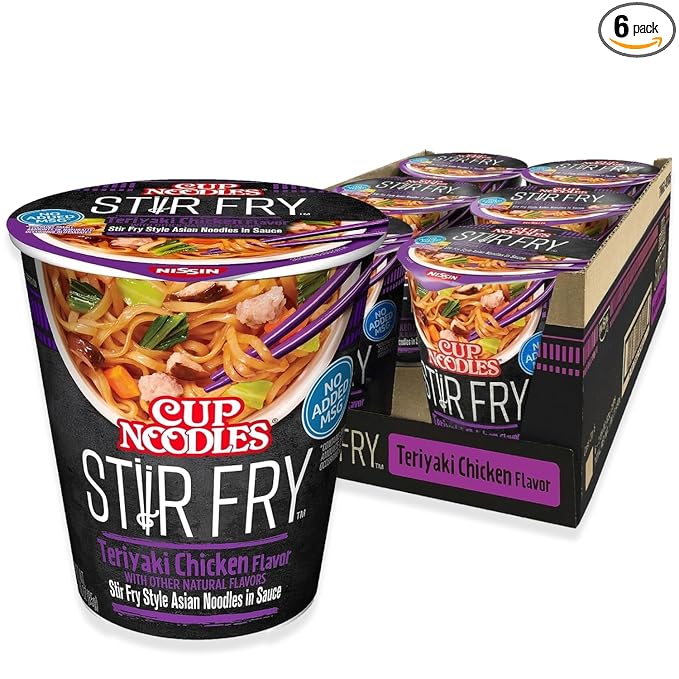
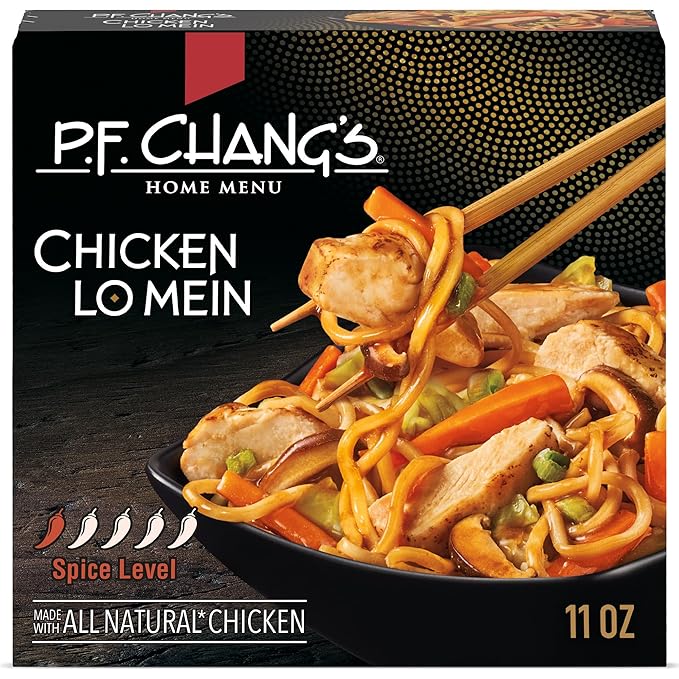
Chow mein, lo mein, and stir-fried noodles
-
Fried rice and rice-based entrees
-
Dumplings, wontons, and spring rolls
-
Chicken, beef, seafood, and vegetable dishes
-
Dry appetizers, desserts, and party favors
-
Combo meals, tasting portions, and catering orders
For liquid-heavy soups or very thin sauces, discuss barrier performance and closure testing before production. The right construction depends on food temperature, oil content, holding time, and delivery conditions.
Select the Right Material for Your Food Container
Your available specifications include paper stocks from 10 pt. to 28 pt., including Kraft, cardstock, Bux board, and E-flute corrugated material. The best choice depends on whether the package will touch food directly or act as an outer carrier.
Kraft Paperboard
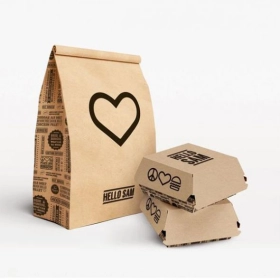
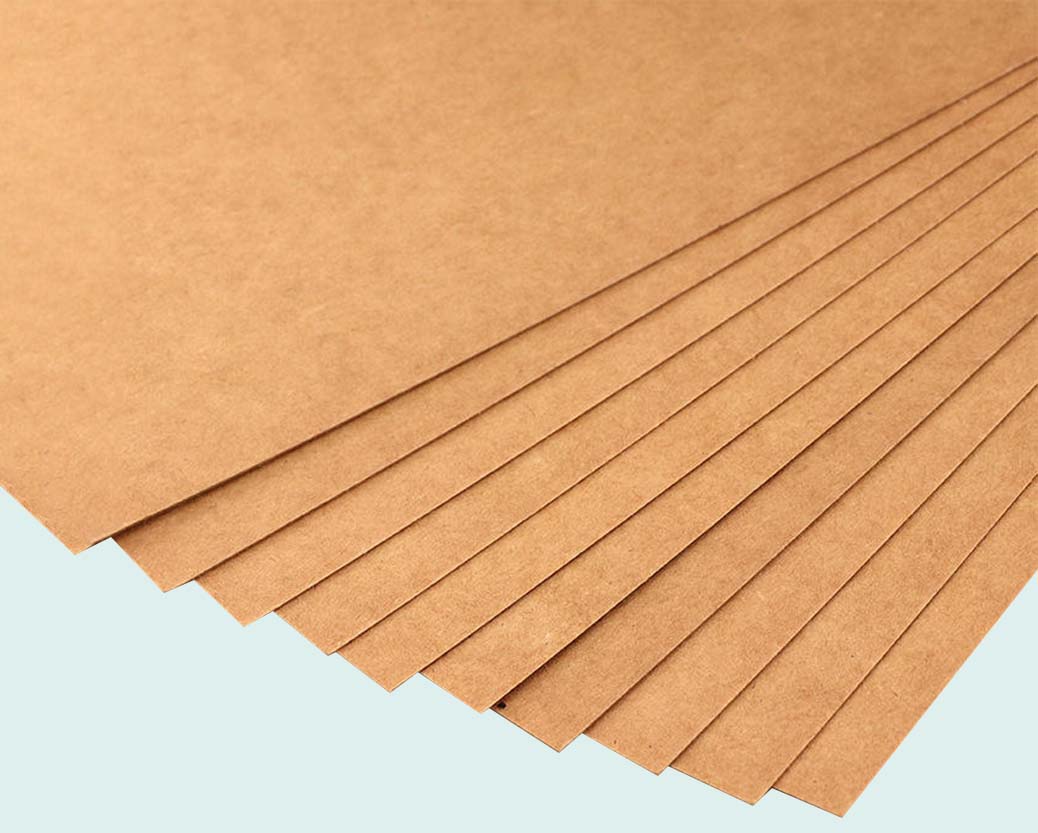
Kraft board creates a natural, casual appearance that suits modern takeout brands, organic menus, and restaurants using earthy visual identities. It can support simple one-color artwork or full branded printing. For direct food use, specify a food-contact-grade board with a barrier selected for the intended meal. Untreated Kraft should not automatically be presented as suitable for oily, wet, or hot foods.
White Paperboard and Cardstock
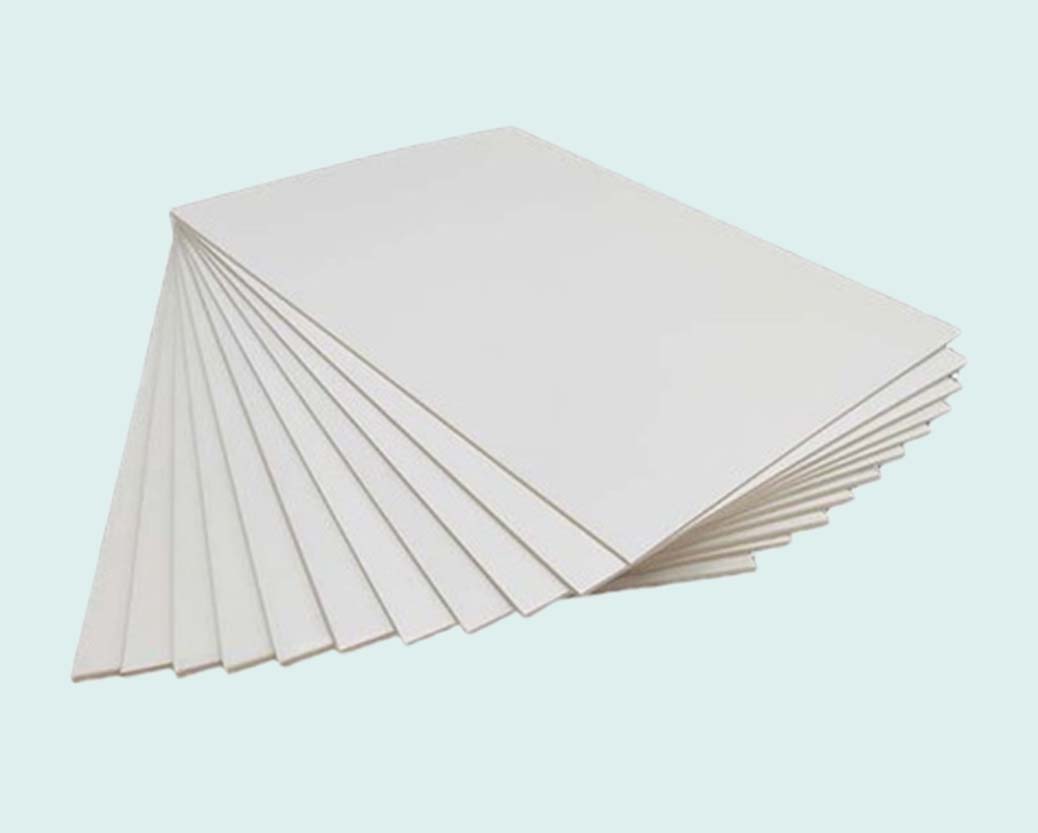
White paperboard provides a smooth printing surface for bright colors, photographs, detailed illustrations, QR codes, and small text. It is a strong option when color accuracy and clean presentation are priorities. The stock thickness should be matched to the container size and food weight. Larger portions generally require greater stiffness than small appetizer packs.
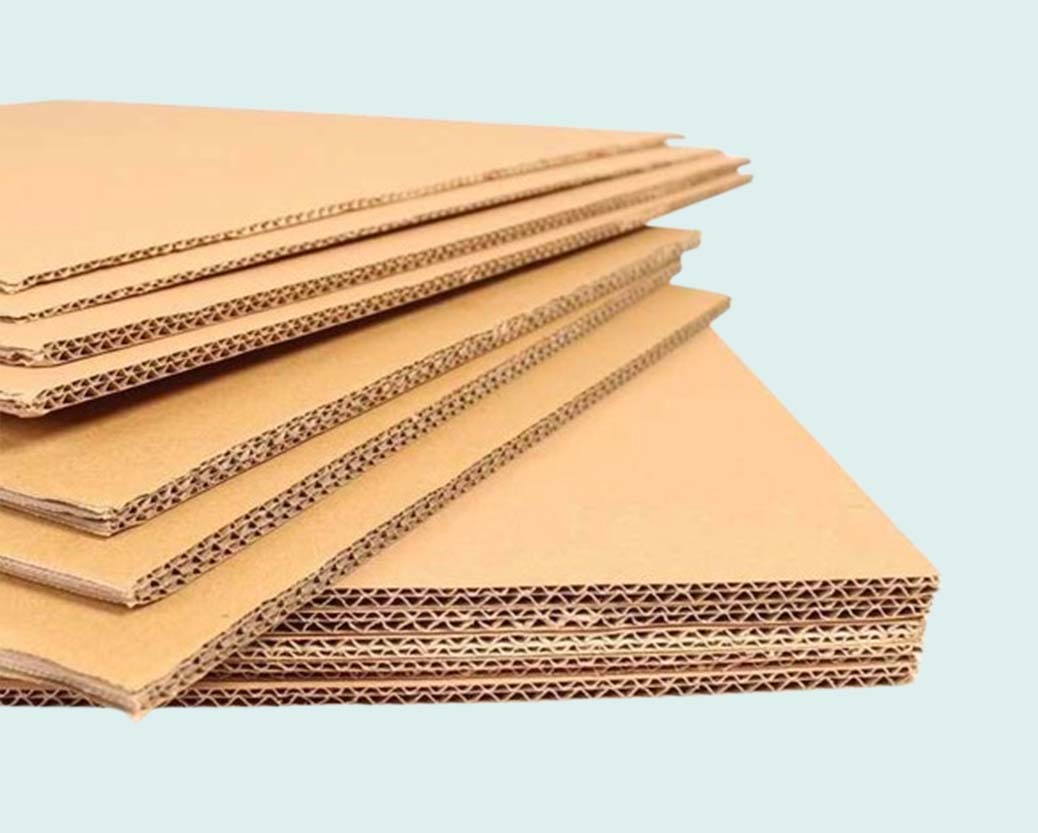
Bux Board and Corrugated Material
Bux board and corrugated stock are better suited to outer carriers, catering packs, multipacks, and secondary packaging that requires additional strength. They are not automatically the best materials for direct contact with hot or oily meals. These materials can hold several inner containers, organize family orders, or create branded delivery kits for larger restaurant purchases.
Rigid Board for Premium Sets
Rigid board can be used for gift collections, promotional kits, and specialty food presentations. It offers a premium feel but is usually unnecessary for everyday hot-food takeaway service. Use it when presentation value is more important than flat storage, quick assembly, and low unit cost.
Grease and Moisture Barriers
Hot noodles, rice, and sauced entrees can place more stress on paper packaging than dry snacks. A suitable inner barrier helps reduce grease penetration, moisture absorption, staining, and loss of structural strength. Available barrier options may include food-contact-approved aqueous or polymer coatings. The final choice should reflect the food type, serving temperature, holding period, and disposal goals.
Ask for documentation covering the exact paperboard, coating, ink, adhesive, and intended conditions of use. Do not describe a package as leakproof, microwave-safe, compostable, or fully recyclable unless the finished construction has been verified for that claim.
Custom Size and Portion Planning
Capacity is often more useful than exterior dimensions when selecting a takeout style. Common market references include 8, 16, 26, 32, and 64-ounce formats, but the final shape and measurements can vary by fold pattern and manufacturer.
Small 8-Ounce Portions
An 8-ounce container is suitable for condiments, small appetizers, desserts, samples, and compact side dishes. It helps avoid excess empty space when the serving is intentionally small.
16-Ounce Individual Portions
A 16-ounce size can work for side portions, small noodle servings, rice dishes, and lighter entrees. It is useful for restaurants that want controlled individual servings.
26-Ounce Standard Meals
A 26-ounce container provides additional room for standard entrees, noodles, fried rice, and mixed dishes. It is a practical reference point for many single-person orders.
32-Ounce Large Portions
A 32-ounce format suits larger rice or noodle meals, combination dishes, and generous takeout portions. The board stiffness and bottom construction should be checked when food is dense or sauce-heavy.
64-Ounce Sharing Portions
A 64-ounce container may be considered for family-style meals, catering portions, or group orders. Large capacities require careful closure, carrying, and stacking tests before mass production.
How to Provide Custom Dimensions
Measure the required length, width, and height in inches. Also provide the target capacity, food type, approximate filled weight, serving temperature, and whether the product will be packed immediately after cooking. A physical sample of the current container can help the packaging team reproduce or improve the fit. Always test the approved structure with the actual menu item before placing a large order.
Choose a Functional Box Style
The structure should support quick kitchen packing, stable delivery, and convenient customer use. Avoid selecting a style only because it looks attractive in a mockup.
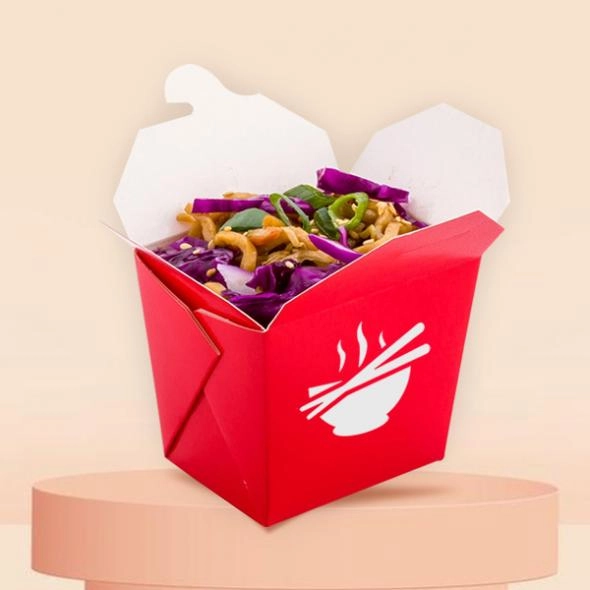
Classic Oyster-Pail Style
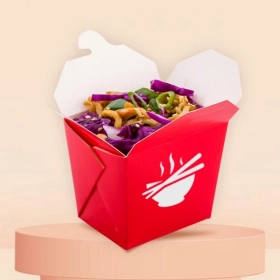
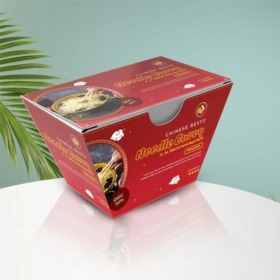
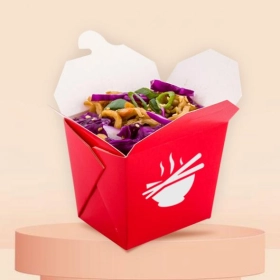
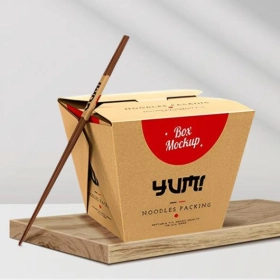
The traditional folded pail has a tapered body and interlocking top flaps. It is recognizable, compact, and easy to carry when produced with a suitable closure or handle. It works well for noodles, rice, dry appetizers, candy, and promotional food portions. Handle and coating specifications should be confirmed for the intended use.
Handle-Free Fold-Top Style
A handle-free version provides a cleaner exterior and may simplify stacking or disposal. It can also avoid metal components when microwave compatibility is part of the project, although the complete package must still be verified before making that claim.
Wire-Handle Takeout Pails
A wire handle improves carrying convenience and creates the familiar American takeout appearance. It is useful for pickup orders, events, favors, and branded restaurant packaging. Containers with metal handles must not be placed in a microwave. Add clear customer instructions when the package includes metal components.
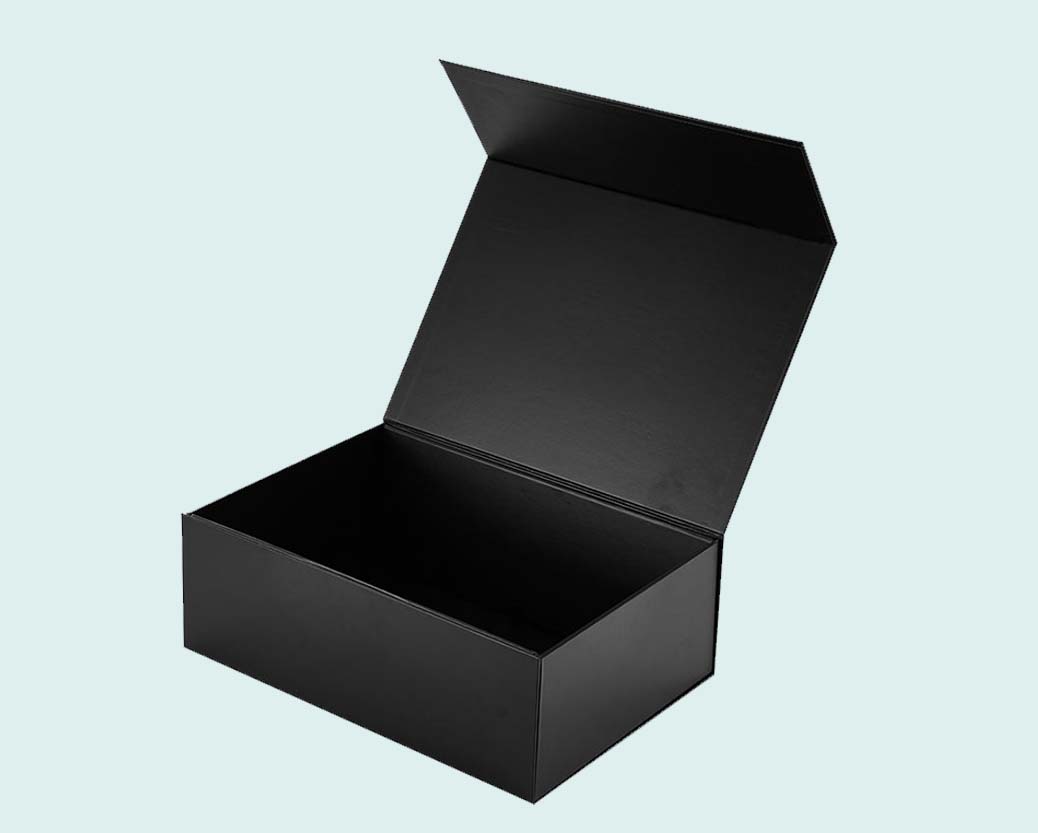
Rectangular Fold-Top Cartons
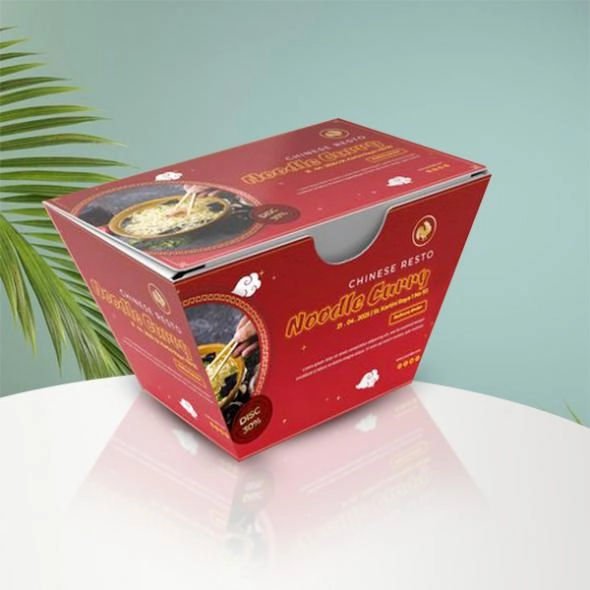
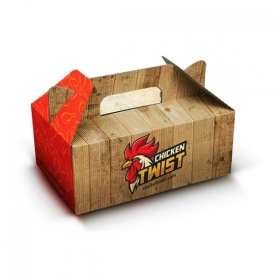
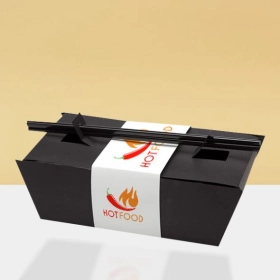
Rectangular paper takeout cartons provide a wide opening and stable base. They are useful for larger meals, combination dishes, and portions that are easier to pack horizontally. Their broad panels also provide more room for branding, reheating instructions, allergen notices, and promotional messaging.
Compartment and Multi-Container Carriers
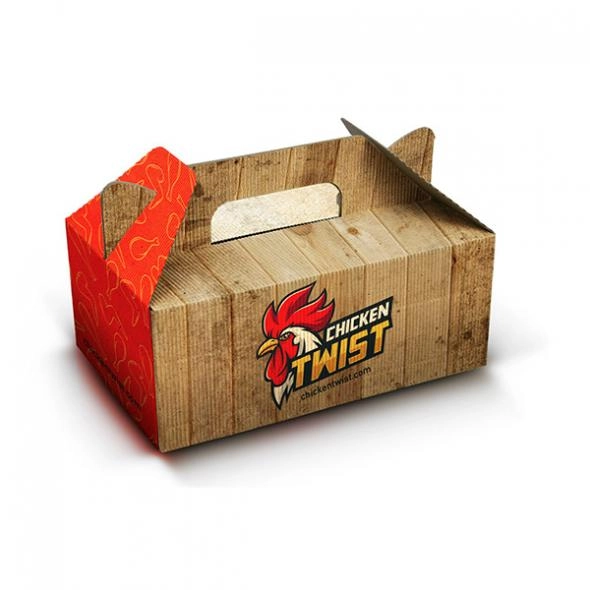
An outer carrier can organize several pails, sauce cups, utensils, and napkins in one order. This format works well for family meals, catering, office lunches, and delivery bundles. Custom dividers can reduce movement and make large orders easier for customers and delivery drivers to handle.
Printed Chinese Food Boxes That Support Clear Branding
Printing turns an ordinary takeout container into a visible part of the customer experience. Your available specifications support no printing, full-color CMYK, and CMYK combined with one or two PMS colors.
CMYK Printing
CMYK is suitable for full-color illustrations, menu photography, patterns, gradients, and multicolor restaurant branding. It provides flexibility when the artwork includes several shades.
PMS Spot Colors
PMS printing is useful when a specific brand color requires closer consistency. It can also create a clean, economical design when the package uses one or two strong colors.
Digital and Offset Production
Digital printing can be useful for shorter quantities, prototypes, or artwork that changes frequently. Offset printing is often preferred for larger production runs and consistent color reproduction.
The recommended method depends on quantity, stock, artwork complexity, finish, and budget.
Chinese Food Boxes With Logo for Better Brand Recall
Place the logo where it remains visible while the container is held, stacked, photographed, or placed on a table. The front and top panels usually offer the strongest recognition opportunities.
Keep branding consistent across different capacities. Use controlled changes in color, menu icons, or product labels to distinguish portion sizes and food categories without redesigning every pack from scratch.
Useful Information to Print
A well-planned layout may include the following:
-
Restaurant name and logo
-
Website, phone number, and social channels
-
QR code for online ordering or loyalty rewards
-
Reheating and storage guidance
-
Allergen or handling statements
-
Promotional offers and campaign messages
-
“Thank you” or brand-story copy
Only print claims and instructions that are accurate for the finished container and the food served inside it.
Finishes That Match Foodservice Use
Decorative finishes can improve visual appeal, but everyday takeaway packaging should remain practical, stackable, and easy to handle.
Matte and Gloss Coatings
Matte creates a smooth, understated appearance, while gloss makes colors look brighter and more reflective. Confirm that the selected coating is appropriate for the package’s food-contact areas and disposal goals.
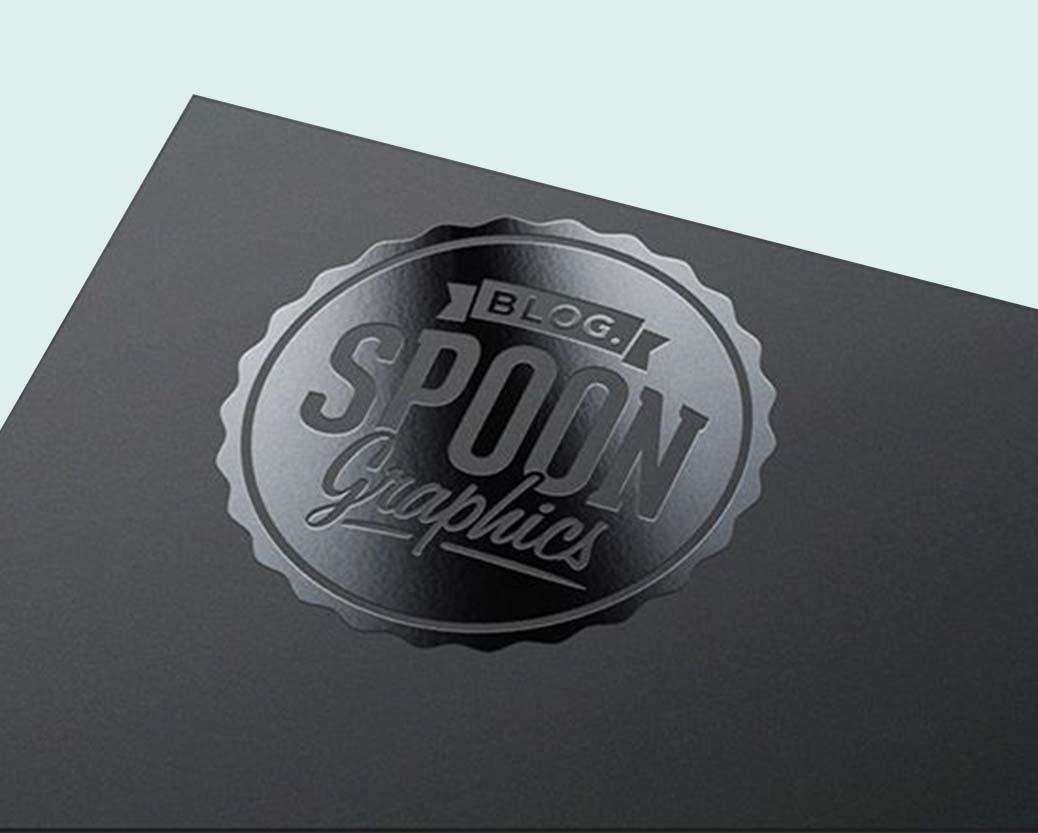
Spot UV
Spot UV can highlight a logo, pattern, or product name. It works best when applied selectively rather than covering the entire design.
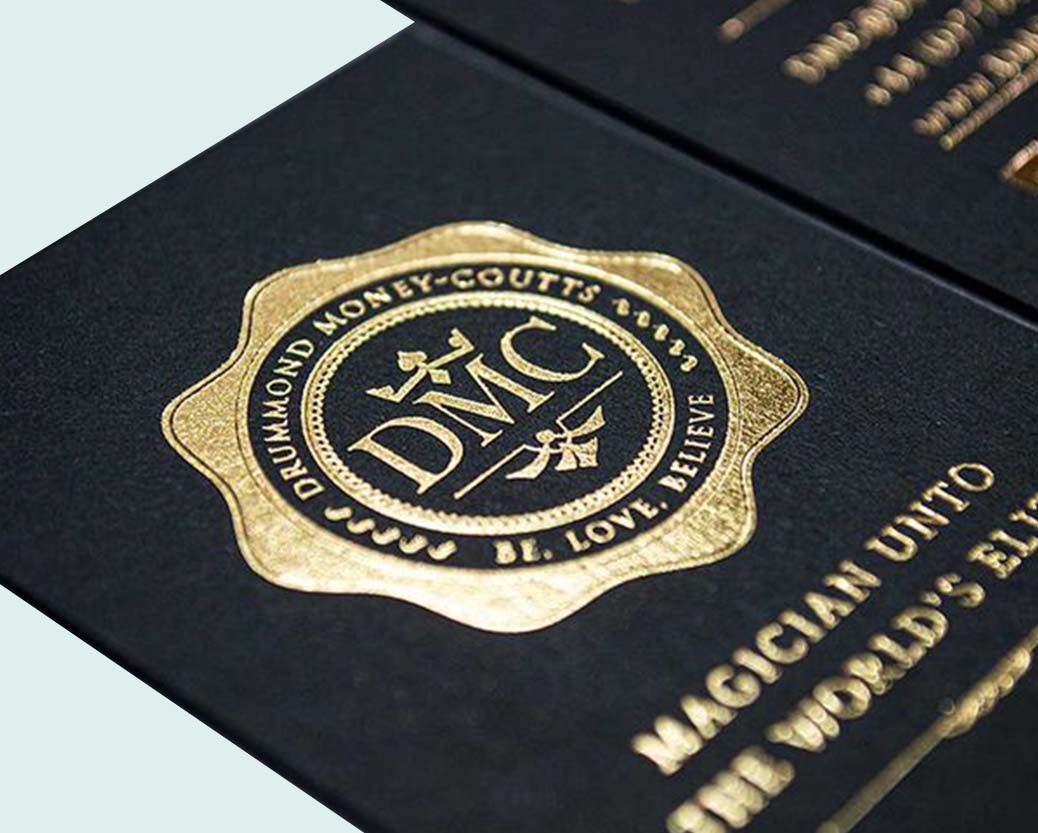
Foil, Embossing, and Debossing
Foil stamping, embossing, and debossing can create a premium look for event packaging, gift sets, and limited campaigns. These treatments may be unnecessary for high-volume everyday foodservice orders. Use premium effects where they strengthen the brand rather than increasing cost without improving the customer experience.
Build Better Chinese Food Packaging for U.S. Delivery Orders
Delivery packaging faces movement, stacking pressure, changing temperatures, and longer holding periods. The container should be tested inside the actual delivery bag or outer carton used by your team. Check whether the closed pack remains stable when tilted, stacked, and carried. Review steam release, grease resistance, closure security, and the time between kitchen packing and customer receipt.
For delivery apps and online orders, branded packaging also helps customers confirm that the meal came from the correct restaurant.
Responsible Environmental Claims
Paper-based packaging may offer sustainability advantages, but coatings, food residue, adhesives, foil, windows, and local recycling systems can affect disposal. Use qualified language such as “recyclable where facilities accept coated paper food packaging” when supported by your materials. Avoid broad terms such as eco-friendly, biodegradable, plastic-free, or 100% recyclable without evidence for the finished pack.
You can also ask about recycled-content paper, responsibly sourced fiber, reduced-ink designs, and coating options that align with your sustainability goals.
Order Chinese Food Boxes Wholesale for Restaurants and Food Brands
Bulk production is suitable for independent restaurants, franchises, catering companies, food trucks, event businesses, meal-prep brands, and regional delivery operations. Your current page lists a minimum run of 100 boxes. Larger orders may reduce the average unit cost, but pricing still depends on size, material, coating, printing method, color count, finish, structure, and shipping destination.
Before requesting a quote, prepare:
-
Final dimensions or target ounce capacity
-
Estimated order quantities
-
Food type and serving temperature
-
Preferred stock and barrier
-
Printing colors and artwork files
-
Closure or handle preference
-
Delivery ZIP code and required date
Proofing and Production Process
Share Your Requirements
Submit the size, quantity, food use, material preference, artwork, and desired finish. Include several quantity levels when you want to compare unit pricing.
Review the Dieline and mockup.
A flat dieline shows cut lines, folds, glue areas, and panel placement. A 3D mockup helps you review the assembled appearance before production.
Request a Physical Sample
A physical sample is recommended when fit, barrier performance, closure strength, or portion capacity is critical. Test it with the actual food and delivery process.
Approve the Final Specification
Check dimensions, spelling, colors, QR codes, instructions, and finish placement. Production should begin only after the final specification has been approved.
Confirm Production and Shipping Time
Your specification table currently states a 7–8-business-day turnaround, while the existing FAQ states 8–12 business days. Replace both with one verified production range and explain that shipping time is separate.