What Makes a Box a Cube Box
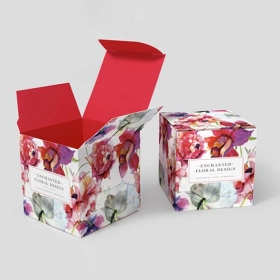
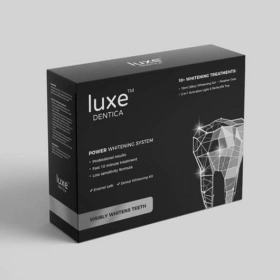
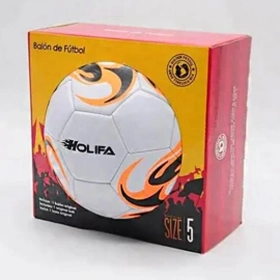
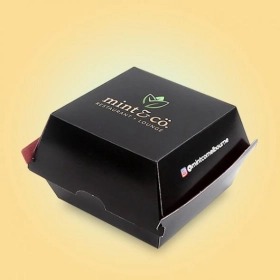
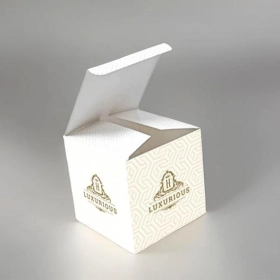
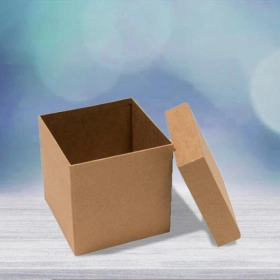
A cube box is defined by one simple rule: length, width, and height are equal, or close enough to equal that all six panels read as the same size. That single proportion separates it from the elongated mailer cartons and rectangular sleeves that dominate most packaging catalogs. Because every panel carries roughly the same load, a cube box distributes compression evenly across its structure instead of concentrating stress on one long wall, which is typically the first place a standard rectangular carton buckles under stacking weight. The shape also removes the guesswork of choosing an orientation, since every face is a front face, which matters as much for branding as it does for structural performance.
Why the Cube Shape Works Harder Than It Looks
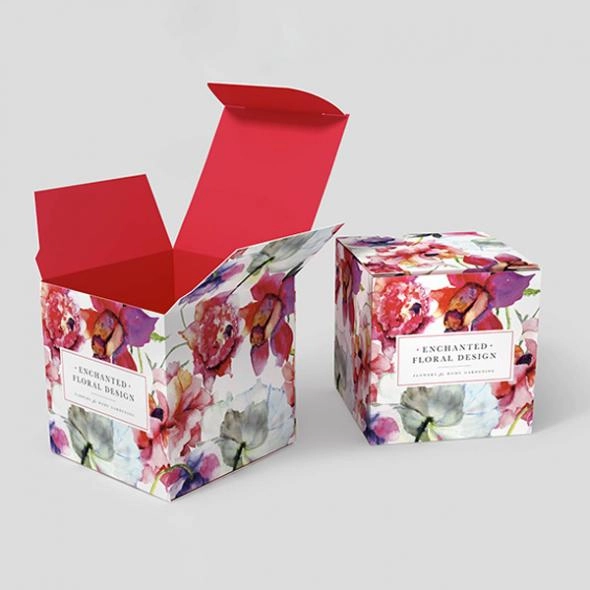
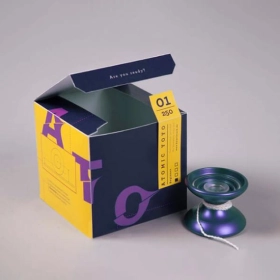
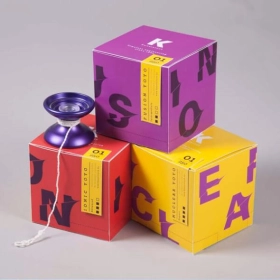
Warehouses and retail shelves are built around straight lines and repeatable footprints, and a cube box fits both without leaving gaps. Pallets load tighter, cartons nest without wasted air space, and shelf facings stay flush because there is no long edge to tip or overhang. For direct-to-consumer brands, the symmetry doubles as a design opportunity: with six equal panels available, a logo, pattern, or unboxing message can wrap the entire box rather than being confined to a single printable face. Gift and favor brands lean on the same geometry for a different reason, since a perfect cube reads as more deliberate and premium on a table or in a hand than a box that looks stretched or compressed.
Material Options for Custom Cube Boxes
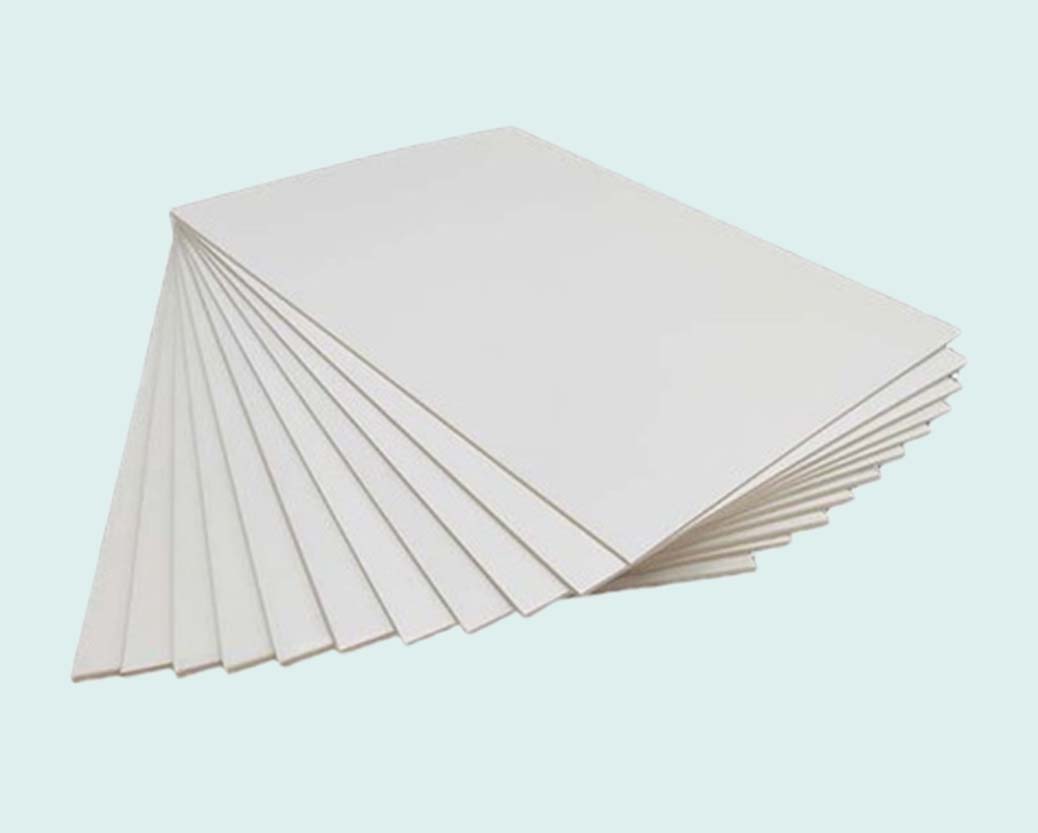
Cardboard and SBS Paperboard
Folding cardboard and solid bleached sulfate (SBS) paperboard are the standard choice for retail-facing cube boxes carrying lightweight items such as cosmetics, candles, or small electronics accessories. The stock takes CMYK and Pantone printing cleanly, holds a crease well for tuck-end or lid-and-base construction, and keeps freight costs down on large orders.
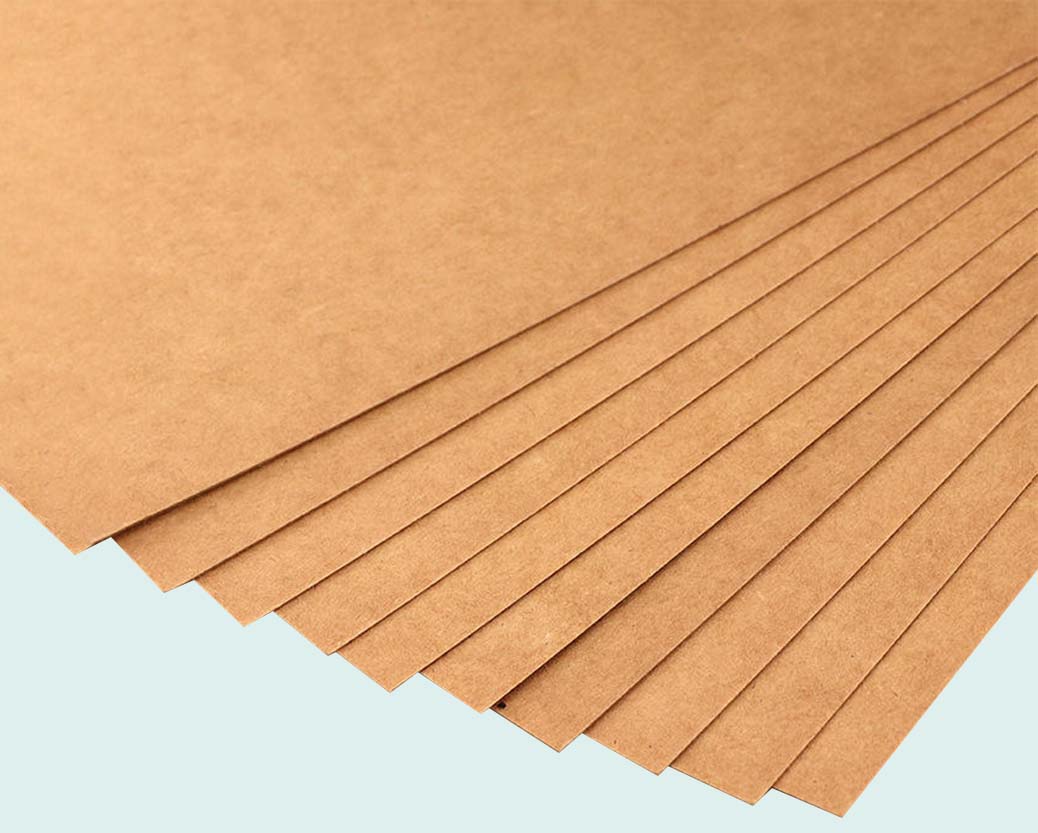
Kraft Cube Boxes
Kraft stock carries an unbleached, natural appearance that brands use to signal an eco-conscious position without any additional messaging. It performs similarly to cardboard in terms of strength and printability, though ink coverage on darker kraft tones needs to be planned around rather than layered over, since heavy full-bleed prints can look muted on the natural surface.
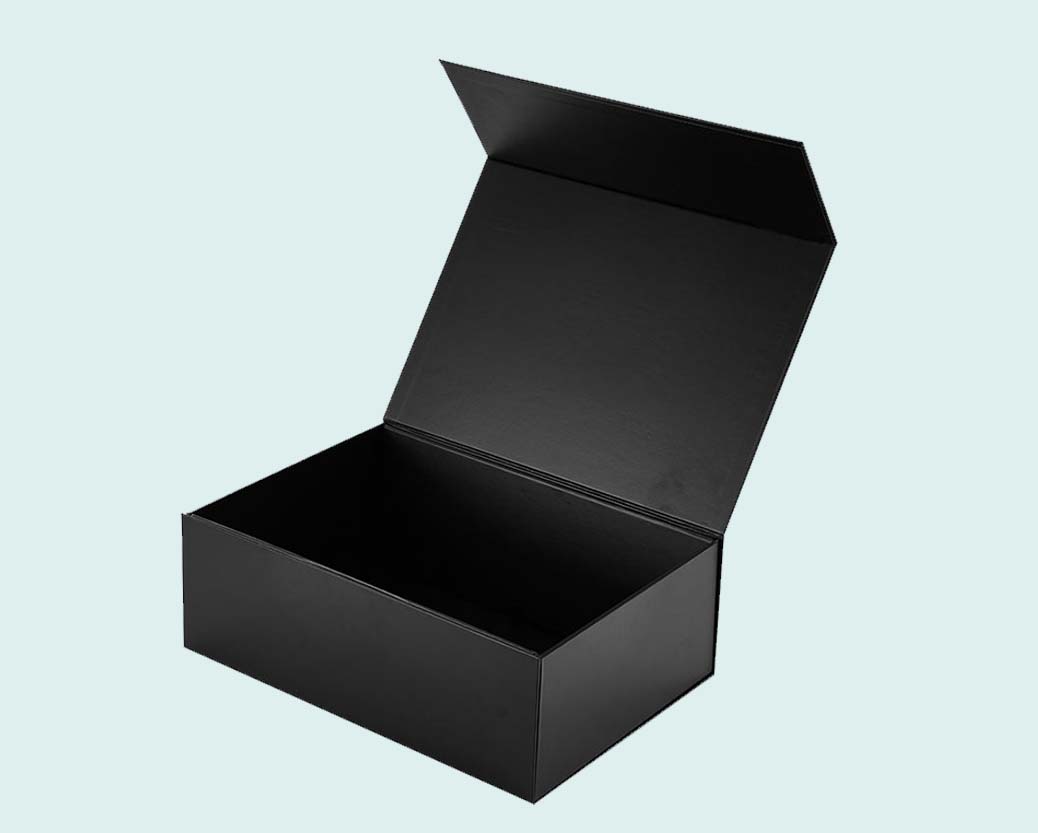
Rigid Cube Boxes
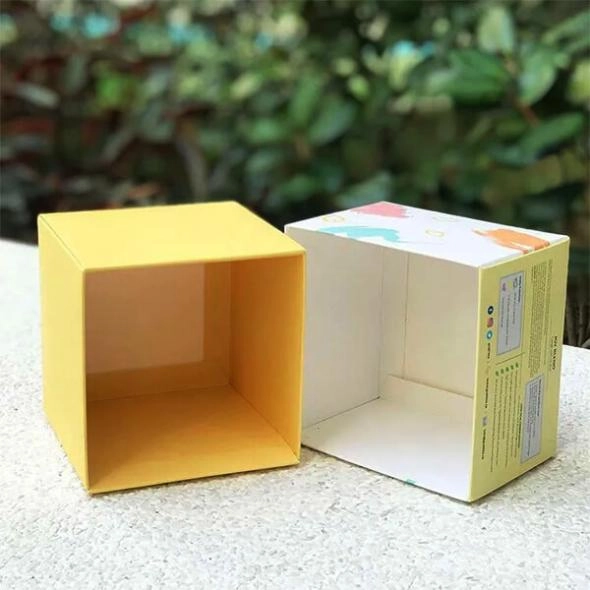
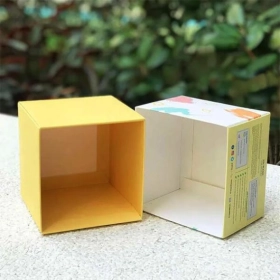
Rigid board, wrapped in a decorative paper or fabric, is the upgrade path for jewelry, premium cosmetics, and gifting programs where the box itself is part of the unboxing experience. Rigid cube construction typically uses a separate lid and base, giving a magnetic-close or telescoping-lid feel that folding cartons cannot replicate.
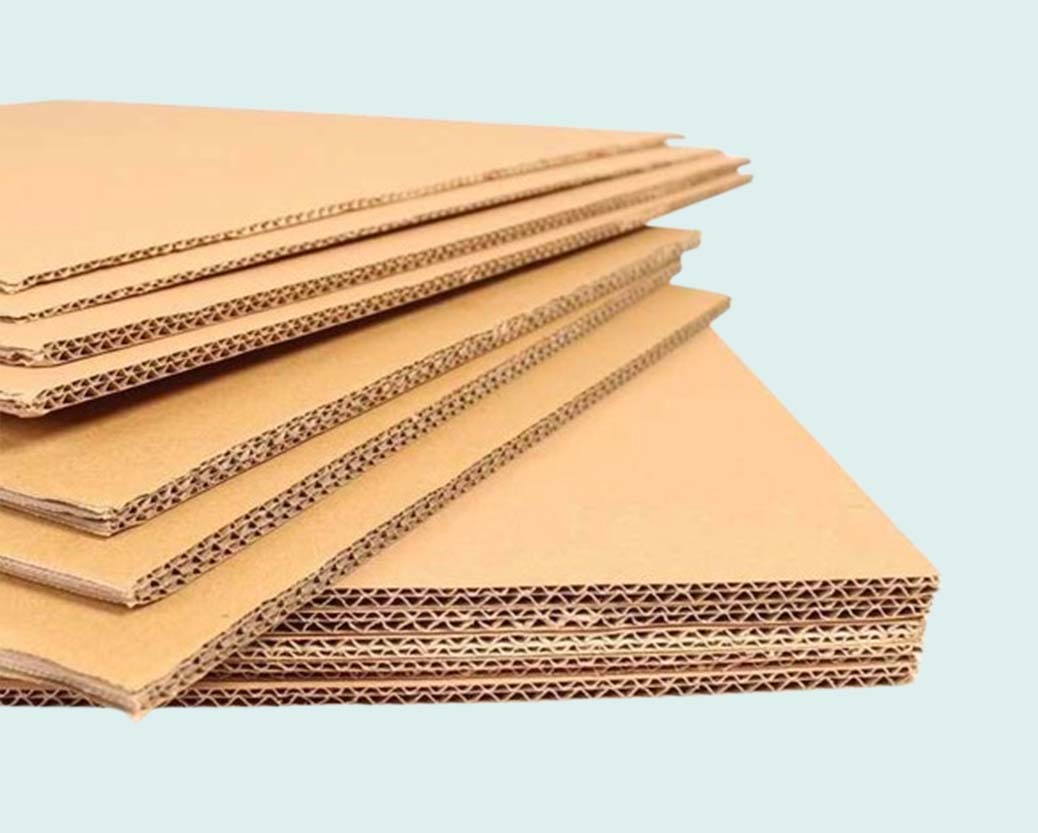
Corrugated Cube Boxes
For heavier products or shipping-grade packaging, corrugated fluting adds the crush resistance that single-layer cardboard cannot provide. Custom Boxes Zone maintains a dedicated corrugated cube boxes line for this exact use case, sized for freight and drop-test performance rather than retail display.
There Is No Standard Cube Box Size
Unlike shipping cartons that come in a handful of stock dimensions, a cube box is built around whatever it needs to hold, and the size range runs from small keepsake and jewelry packaging measured in single-digit inches up to large retail display cubes used for bulk or oversized products. Sizing starts from the product itself: internal clearance is set first to keep the item from shifting, then wall thickness and any insert material are added on top of that to arrive at the finished external dimensions. That order matters, because designing the outer size first and hoping the product fits is the most common cause of loose, rattling packaging.
Structural Styles Built Around the Cube Shape
Tuck-End Cube Boxes
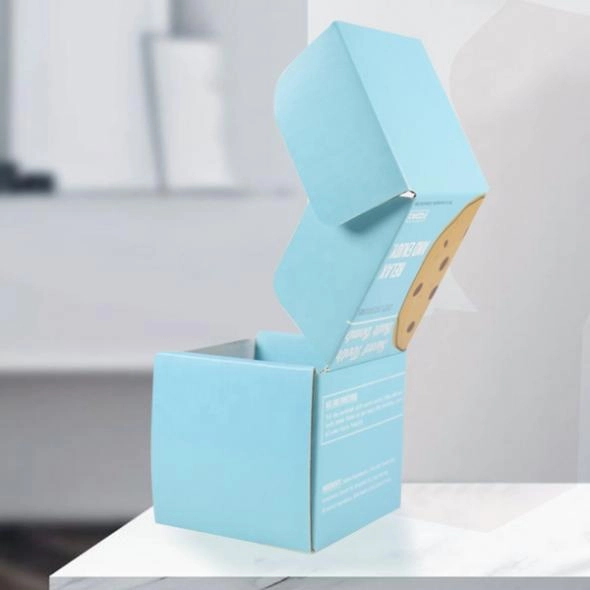
A single-piece, foldable construction that ships flat and assembles by hand without glue, tuck-end cube boxes are the most cost-effective option for retail and subscription programs running high volumes.
Two-Piece Rigid Cube Boxes
A separate lid and base, most often in rigid board, give a slower and more deliberate opening motion that gifting and luxury cosmetics brands use to slow the customer down at the moment of unboxing.
Favor and Gift Cube Boxes
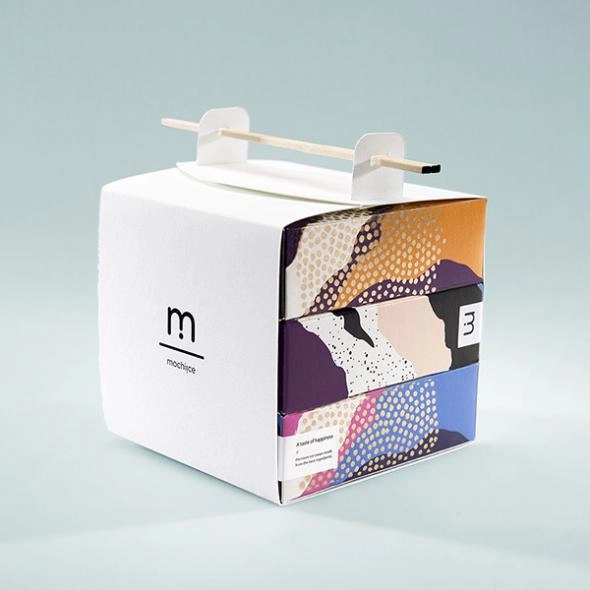
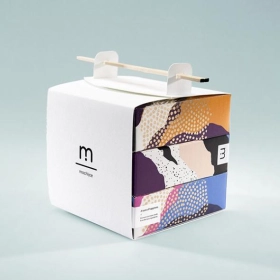
Smaller-format cube boxes finished with ribbon, embossed motifs, or a printed sleeve are built specifically for weddings, corporate gifting, and confectionery favors, where the box is handed over as much as the product inside it.
Cube Mailers for Shipping
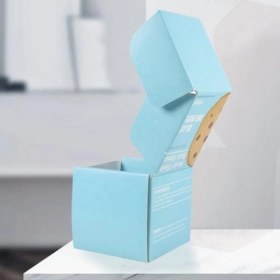
Corrugated cube mailers combine the same equal-panel structure with shipping-grade wall thickness, sized to minimize dimensional weight charges on e-commerce and subscription orders.
Printing, Branding, and Finishing
Digital and Offset Printing
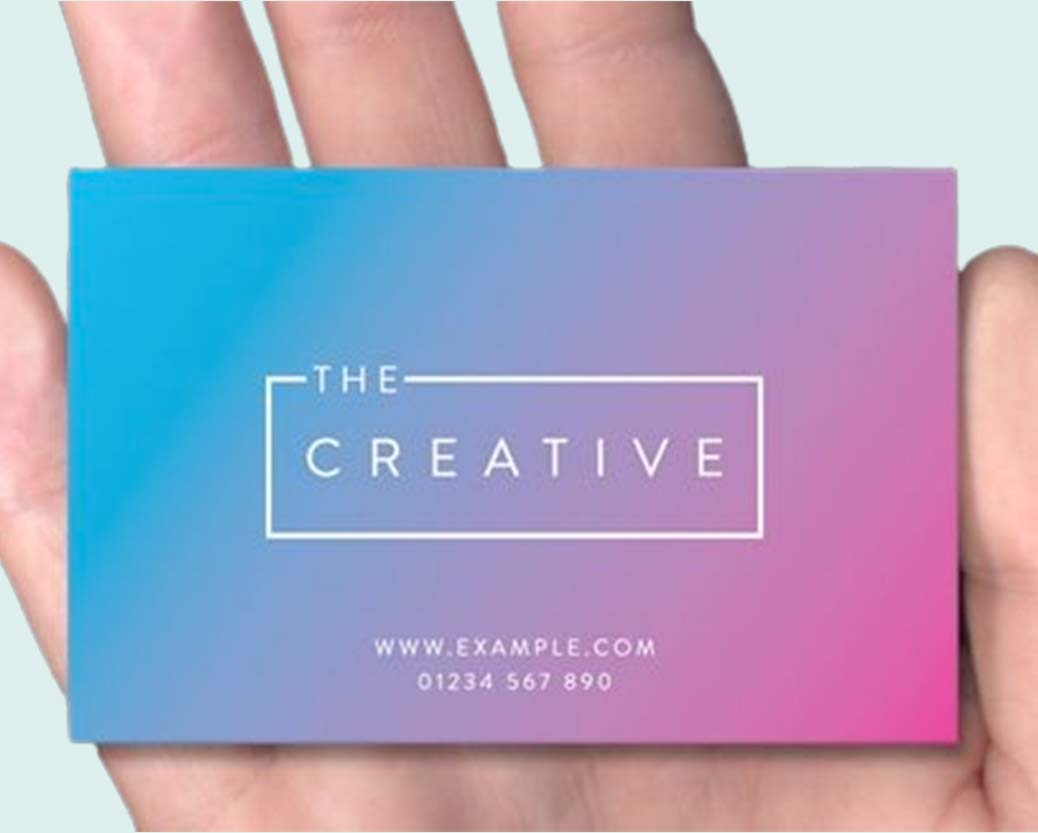
Digital printing keeps short runs affordable and allows variable artwork across a single order, while offset printing brings the per-unit cost down on larger volumes and holds tighter color consistency across thousands of units. Both run in full CMYK or matched Pantone colors depending on how precisely a brand's color needs to be reproduced.
Finishing and Coating Options
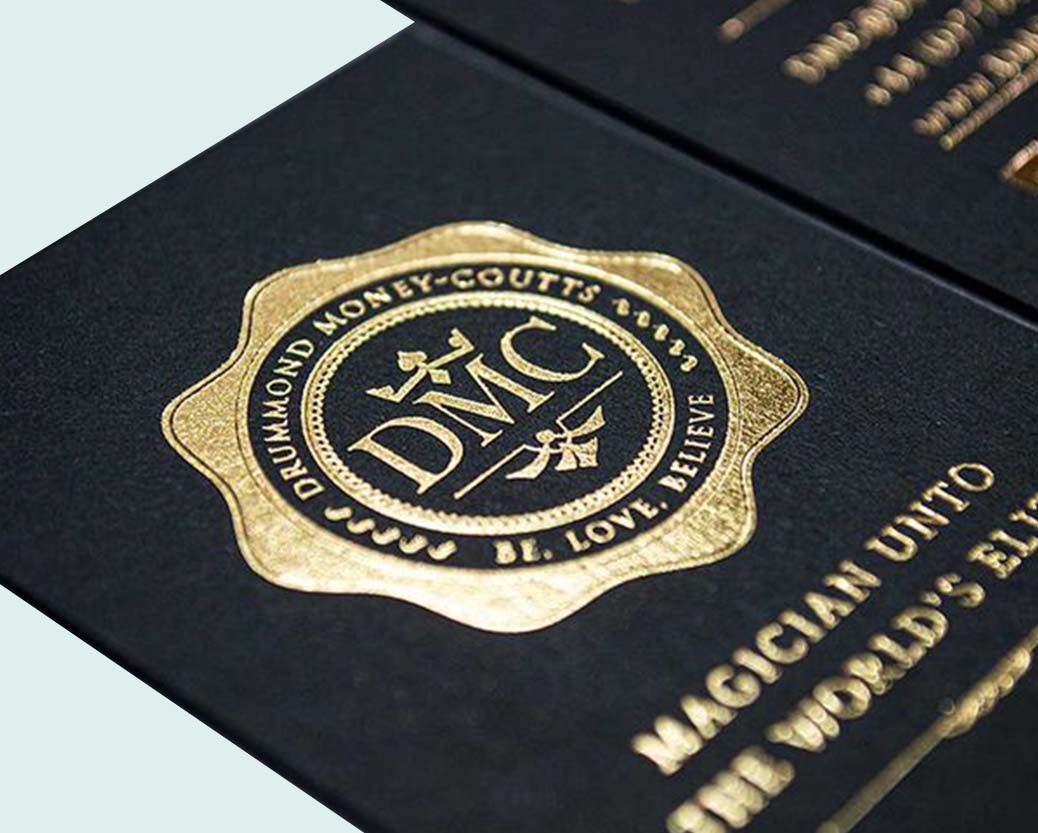
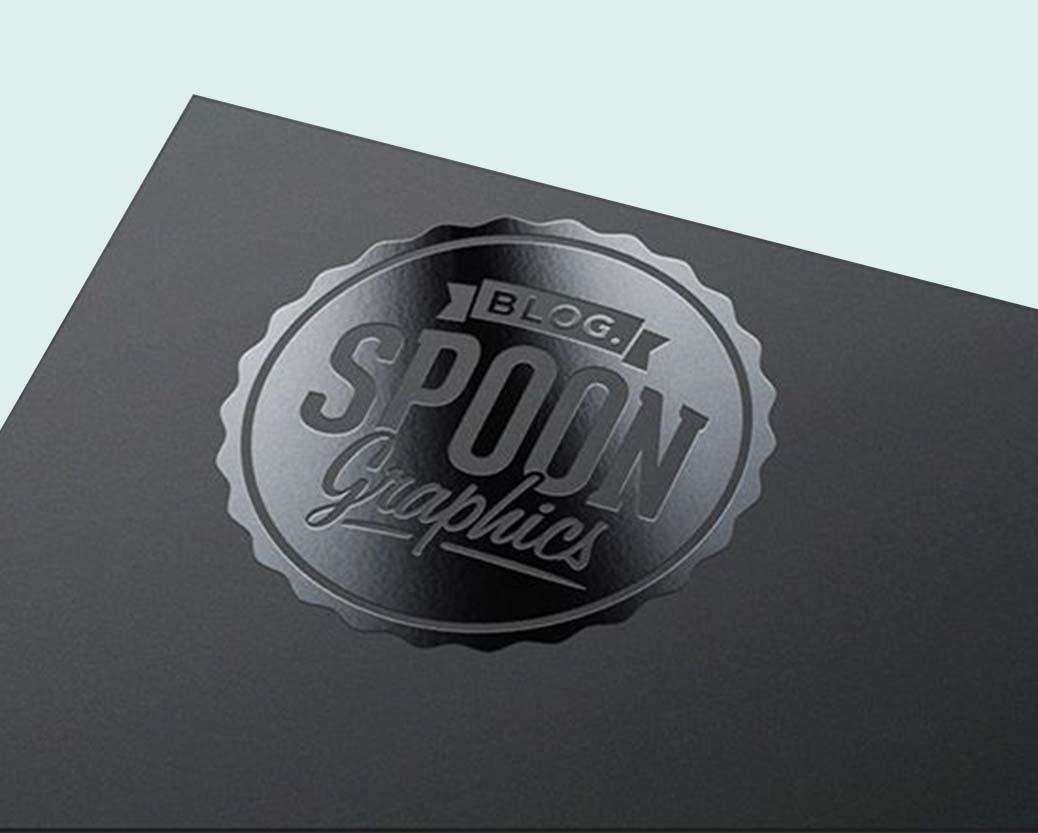
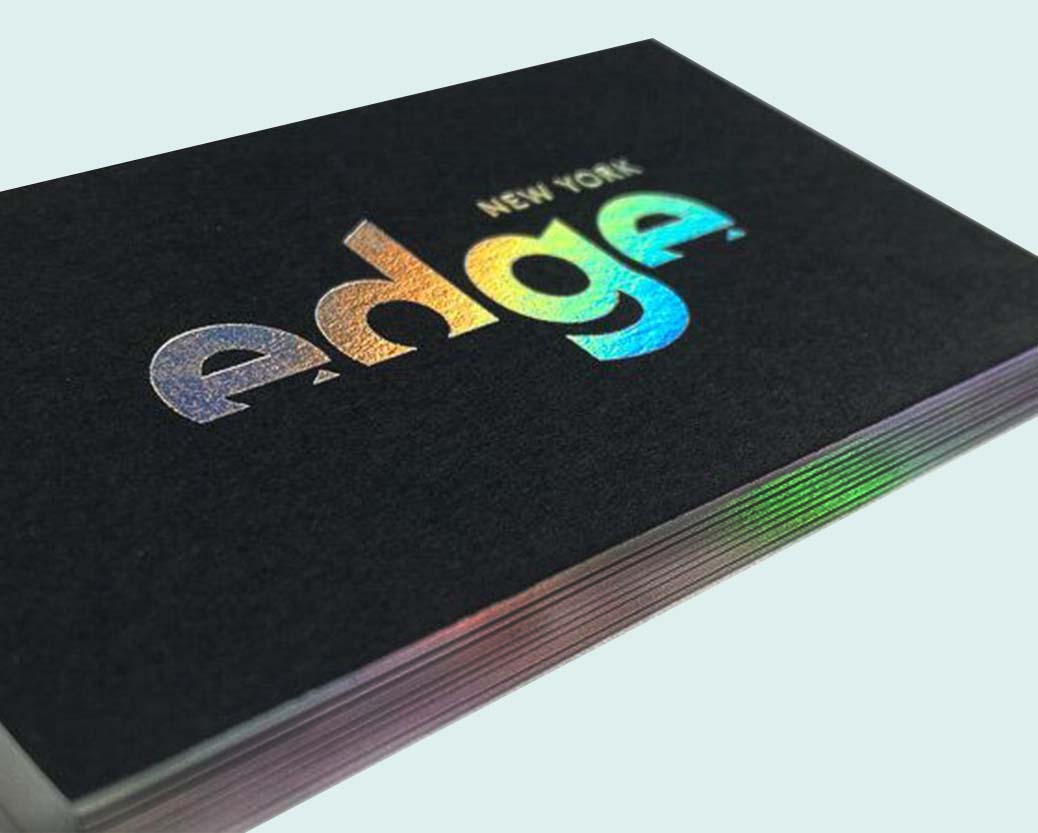
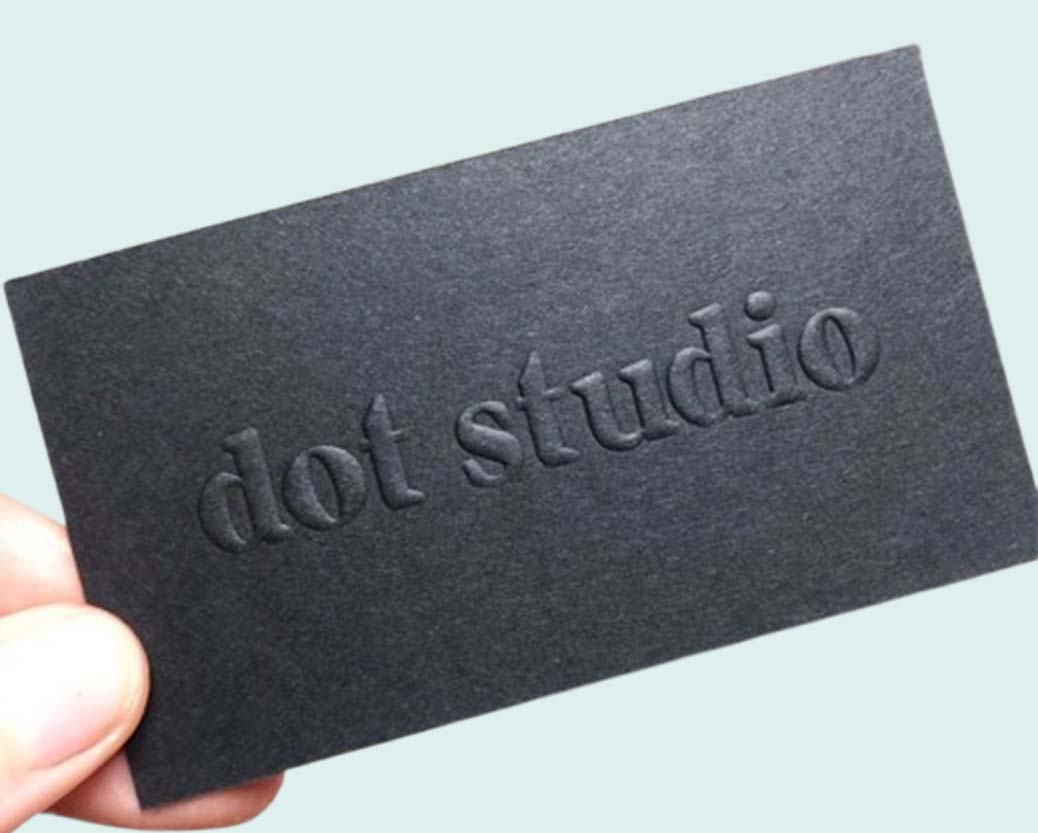
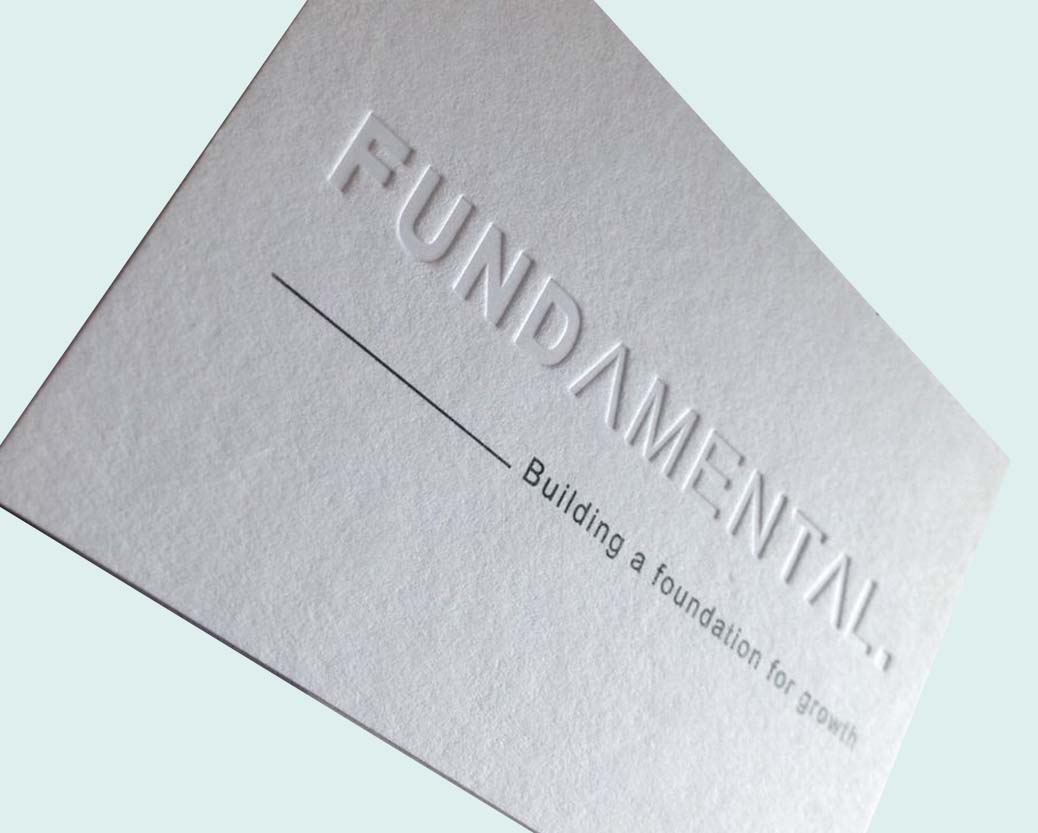
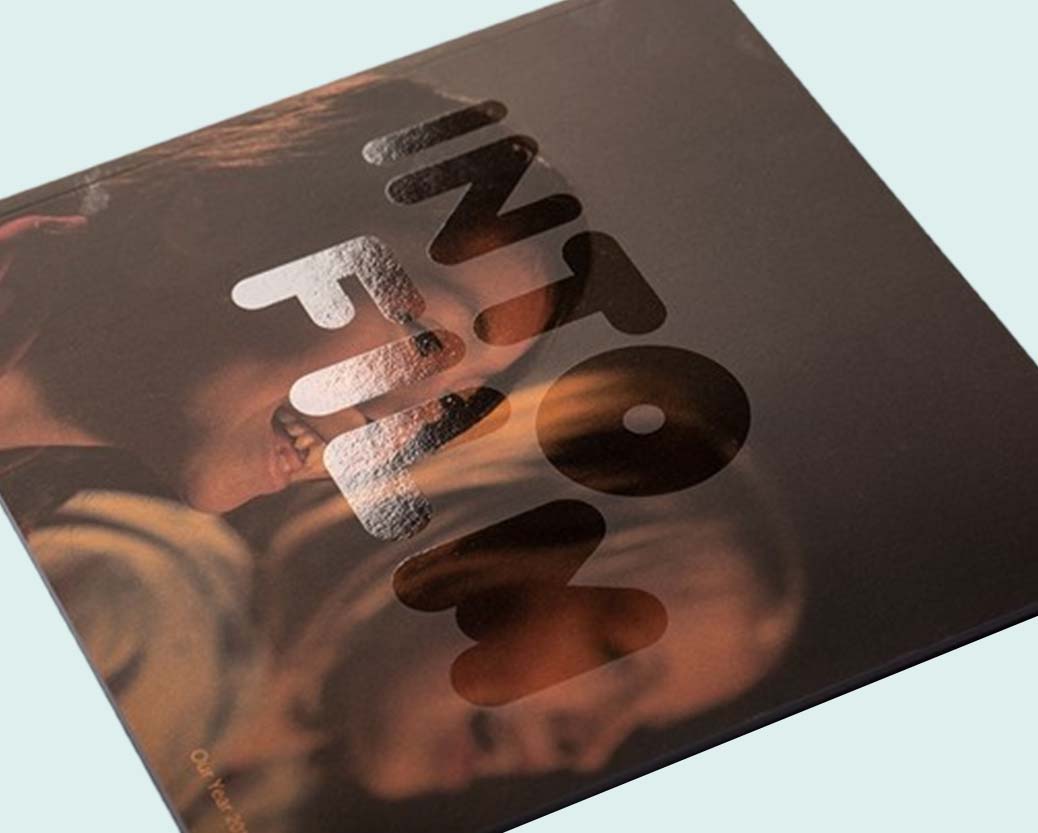
Embossing raises a logo or pattern into a three-dimensional relief, while debossing presses the same design inward for a subtler, pressed effect. Spot UV adds a glossy, raised highlight to a specific area of the design rather than the full panel, which is typically used to draw the eye to a logo or headline against a matte background. Foil stamping applies metallic or colored foil under heat and pressure for a premium, reflective finish.
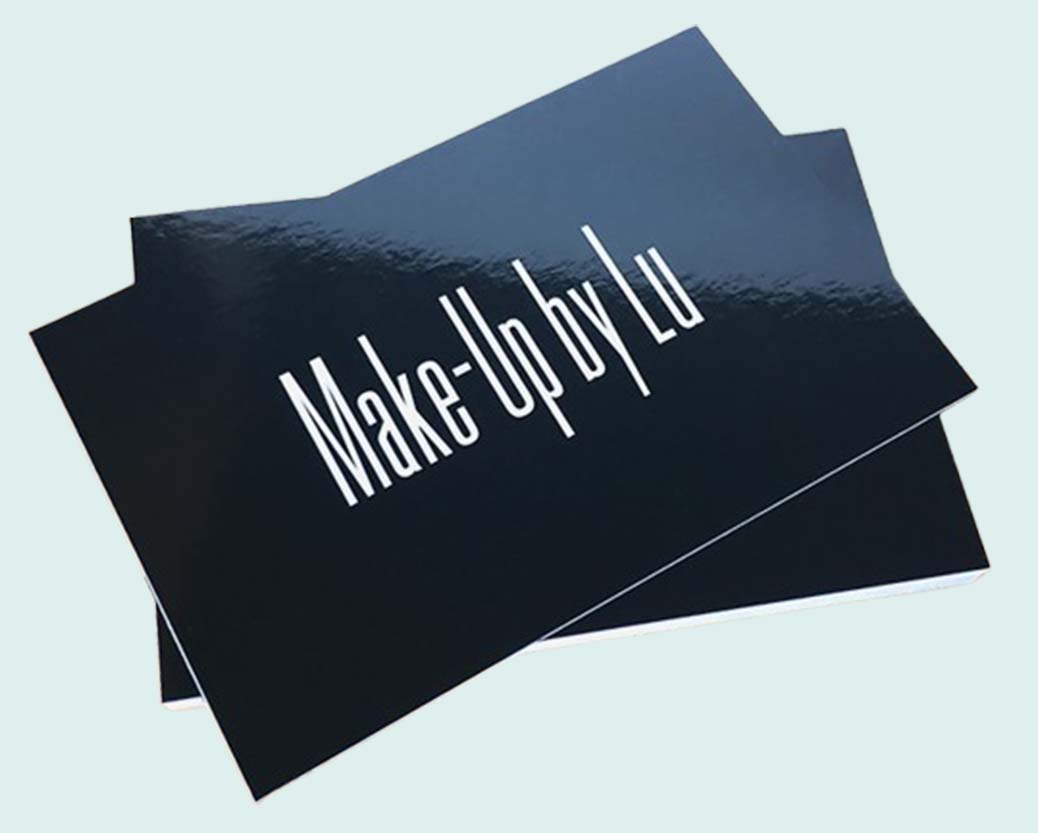
Matte lamination gives the box a soft, non-glare surface that keeps printed text easy to read, while gloss lamination pushes the opposite direction, adding shelf-ready shine and color saturation. Aqueous coating is a water-based, fast-drying protective layer that guards the printed surface against scuffing, smudging, and moisture without altering the finish as dramatically as a full lamination would.
Protecting What Is Inside: Inserts and Dunnage
Because a cube box has no elongated dimension to brace against, internal protection typically comes from foam inserts cut to the product's silhouette, die-cut cardboard holders that cradle jars or bottles upright, or simple cross-dividers that keep multiple items separated during transit. Fragile symmetrical products such as ornaments, glass jars, and cosmetic bottles benefit the most from a fitted insert, since the cube shape alone controls lateral movement but not vertical settling inside the box.
Industries That Rely on Cube Packaging
Cosmetics and personal care brands use cube boxes for creams, serums, and compact palettes where a squared silhouette photographs well for e-commerce listings. Candle and home fragrance brands favor the shape because it echoes the round or square vessel inside without wasted headspace. Confectionery and bakery brands use smaller cube formats for favor-style packaging at events.
Electronics accessory brands rely on rigid or corrugated cube construction to protect compact hardware during shipping. Subscription box operators standardize around a single cube size to keep fulfillment predictable across recurring shipments, and gifting and corporate promotional programs use the format for its presentation value as much as its function.
Sustainability in Cube Box Manufacturing
Cardboard, kraft, and corrugated stock are all recyclable and biodegradable by nature, and cube boxes in particular generate less material waste per unit than irregular shapes because the repeating panel dimensions cut more efficiently from a sheet. Water-based aqueous coatings and soy or vegetable-based inks reduce the environmental load of the printing stage compared to solvent-based alternatives, giving brands a genuine sustainability angle to point to without relying on vague or unverifiable claims.
Why Manufacturers Choose Custom Boxes Zone for Cube Packaging
Pricing stays competitive at wholesale volume, with no hidden die-cut or plate charges added after a quote is confirmed. Production and delivery typically move within 8 to 10 business days from artwork approval, and orders are accepted at any quantity, so a small test batch and a full production run follow the same process without a minimum threshold.
A free 3D mockup is generated before production begins, giving a clear look at proportions, color, and finish ahead of any commitment. Support runs on live chat, phone, and email, and every order is backed by a quality assurance pass before it ships, with a payback guarantee in place for orders that arrive with a manufacturing defect.