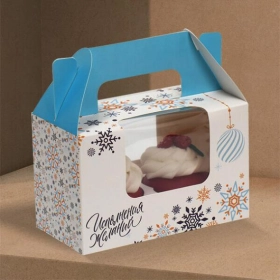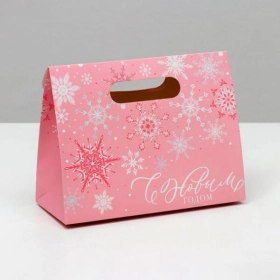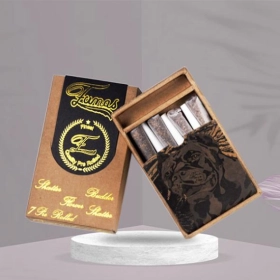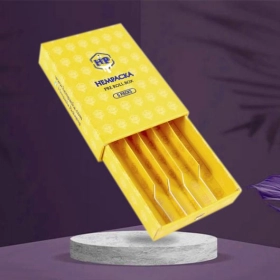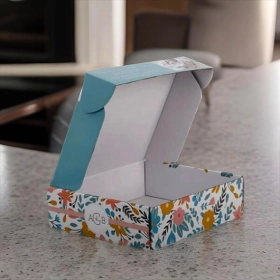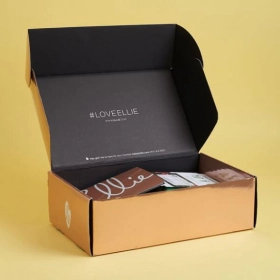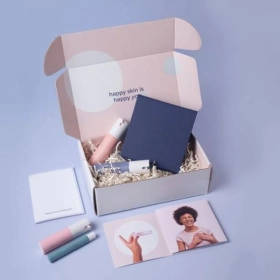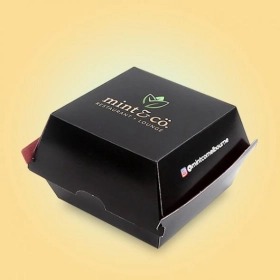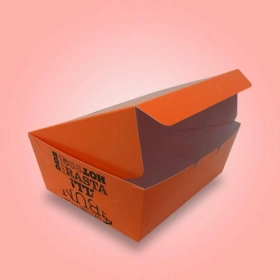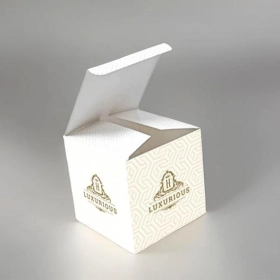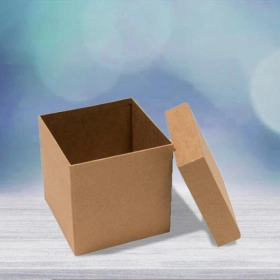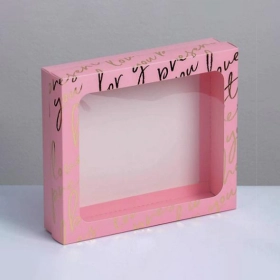





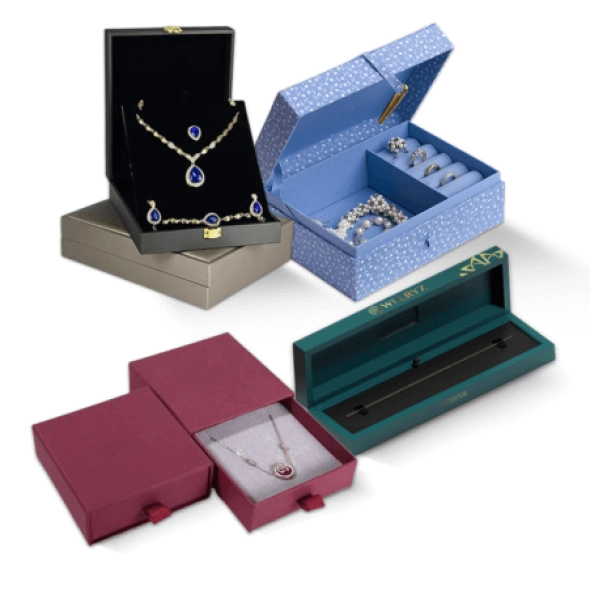
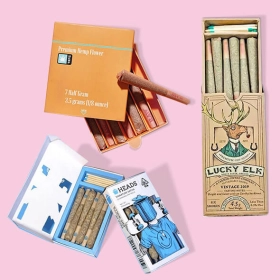
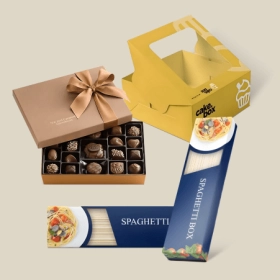
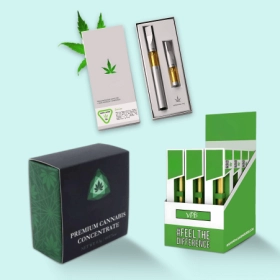
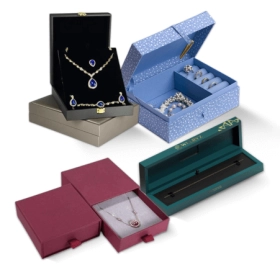












| Box Style | As Mention Above |
|---|---|
| Dimension (L + W + H) | All Custom Sizes & Shapes |
| Minimum Run ( For Boxes and Mylar Bags) | 100 Boxes - 1000 Mylar Bags ( 500 each design) |
| Paper Stock | 10pt to 28pt (60lb to 400lb) Eco-Friendly Kraft, E-flute Corrugated, Bux Board, Cardstock |
| Printing | No Printing, CMYK, CMYK + 1 PMS color, CMYK + 2 PMS colors |
| Finishing | Gloss Lamination, Matte Lamination, Gloss AQ, Gloss UV, Matte UV, Spot UV, Embossing, Foiling |
| Included Options | Die Cutting, Gluing, Scored,Perforation |
| Additional Options | Eco-Friendly, Recycled Boxes, Biodegradable |
| Proof | Flat View, 3D Mock-up, Physical Sampling (On request) |
| Turnaround | 7 - 8 Business Days |
| Shipping | FLAT Position |
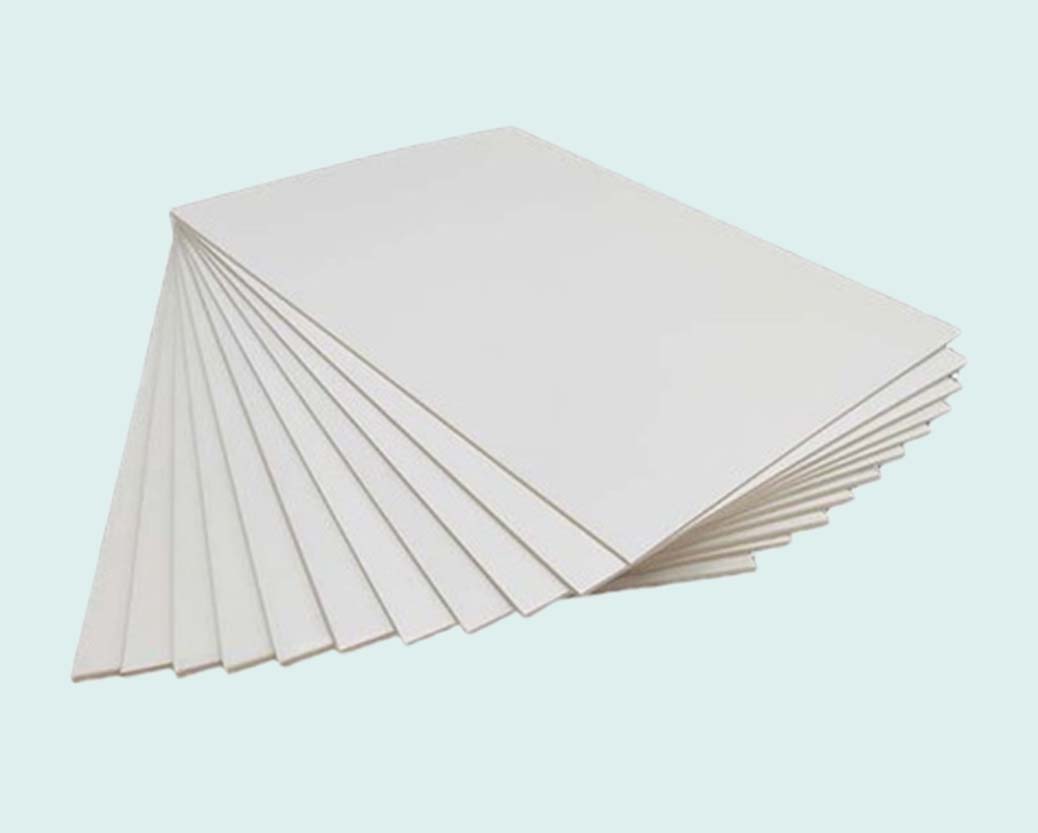
We use eco-friendly cardboard materials designed to minimize environmental impact and reduce waste.
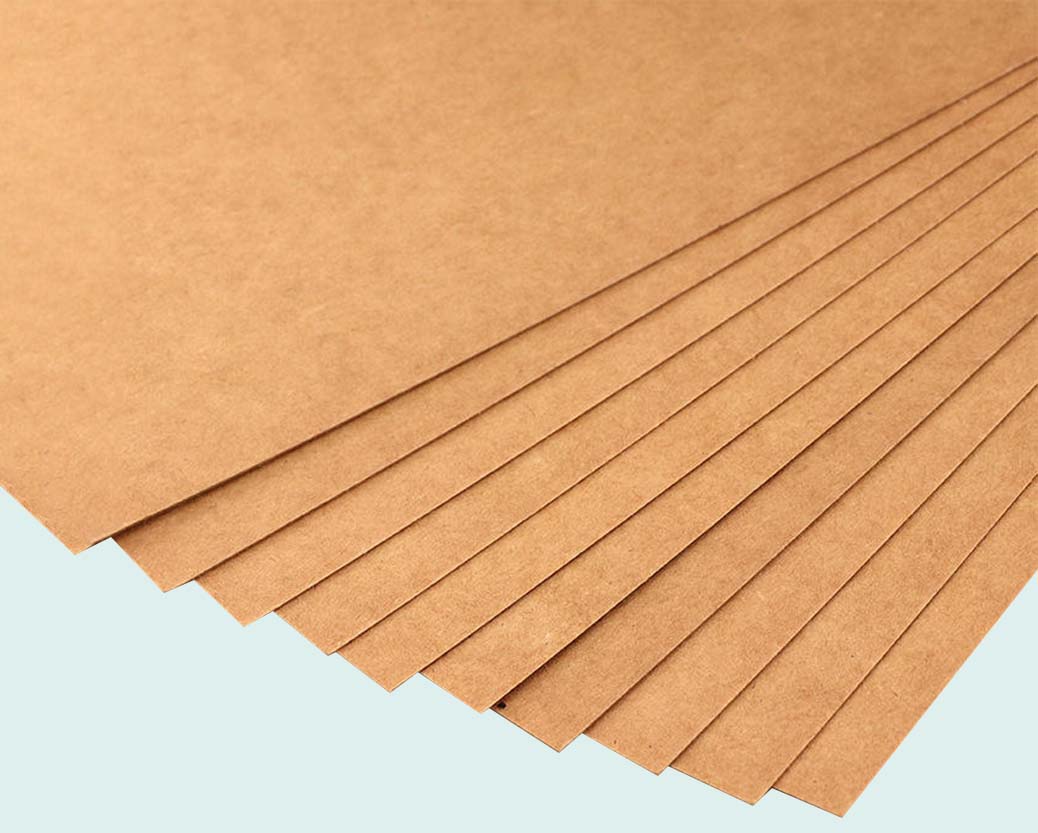
Kraft paper is a sturdy, durable, and dependable material used across multiple industries.
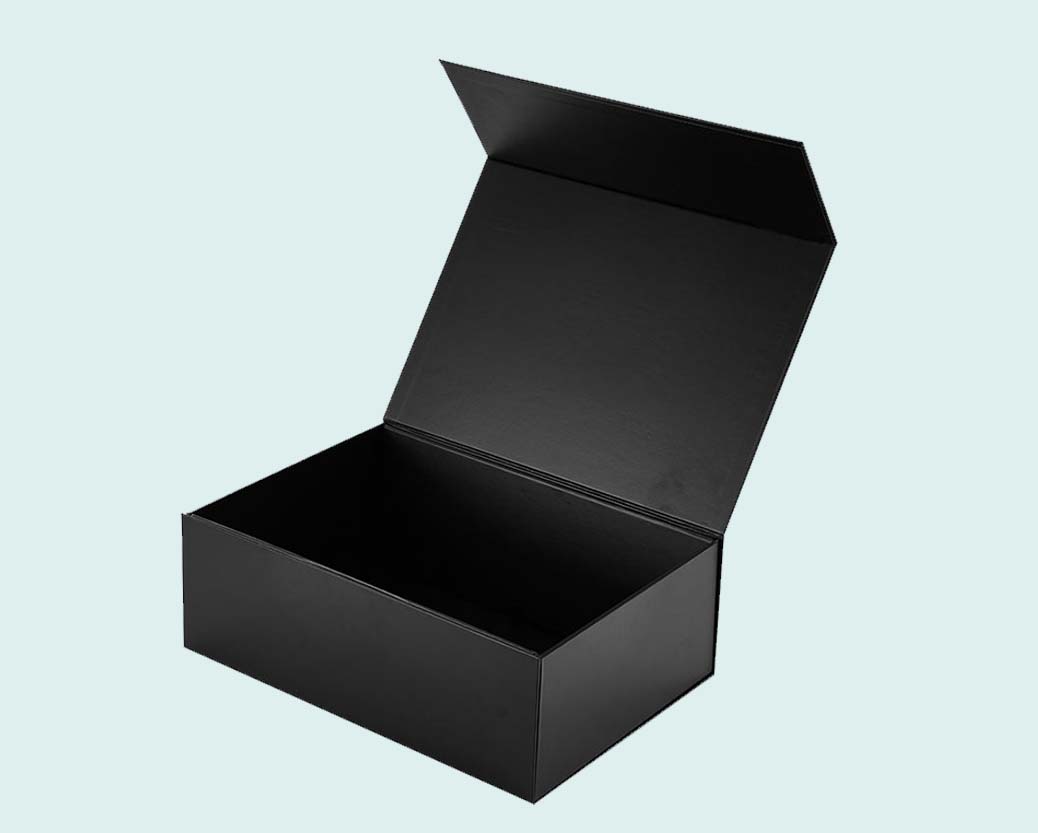
Rigid material is highly protective, cost-effective, and recyclable, offering maximum durability and security.
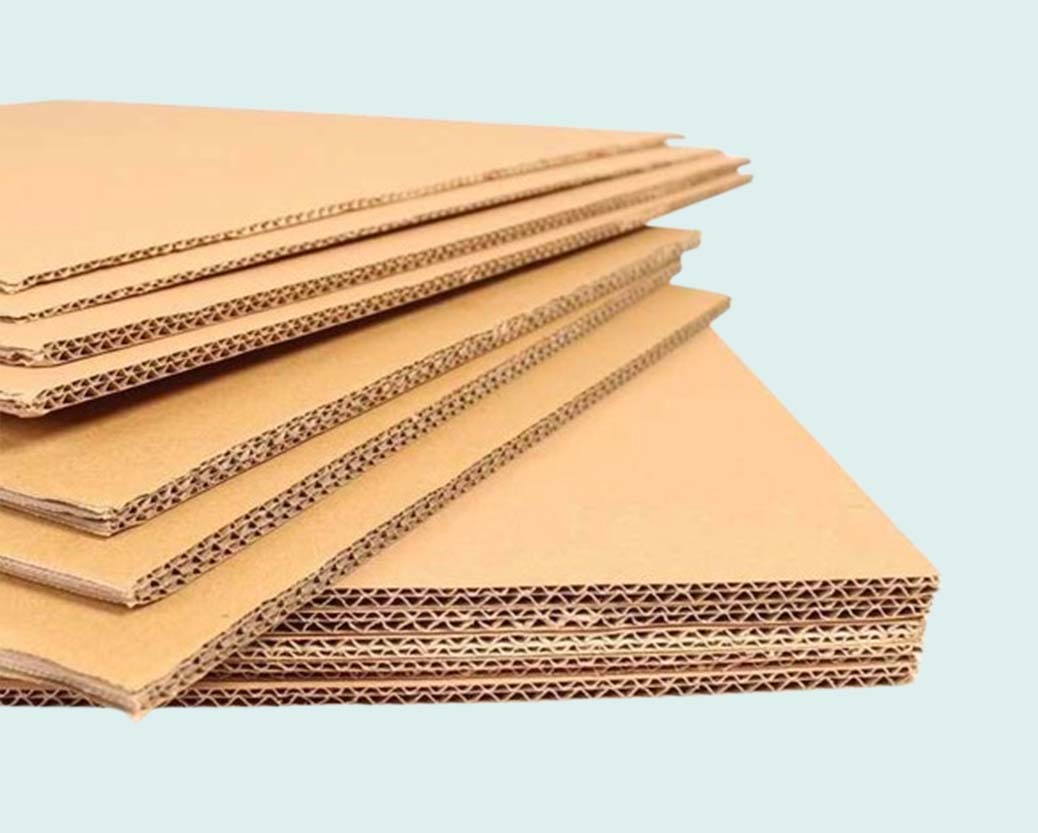
Corrugated material is customizable, cost-effective, and sustainable, making it an excellent choice for branding and shipping.
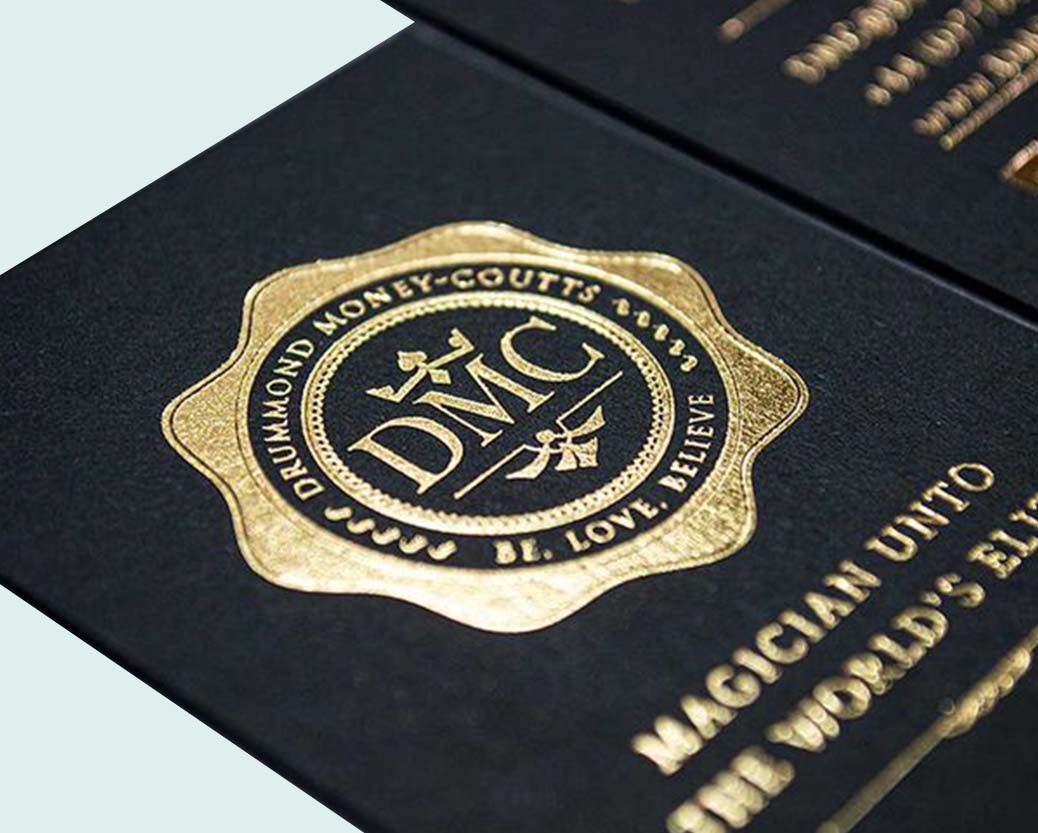
Enhance your product packaging with our premium foil stamping for a sophisticated touch.
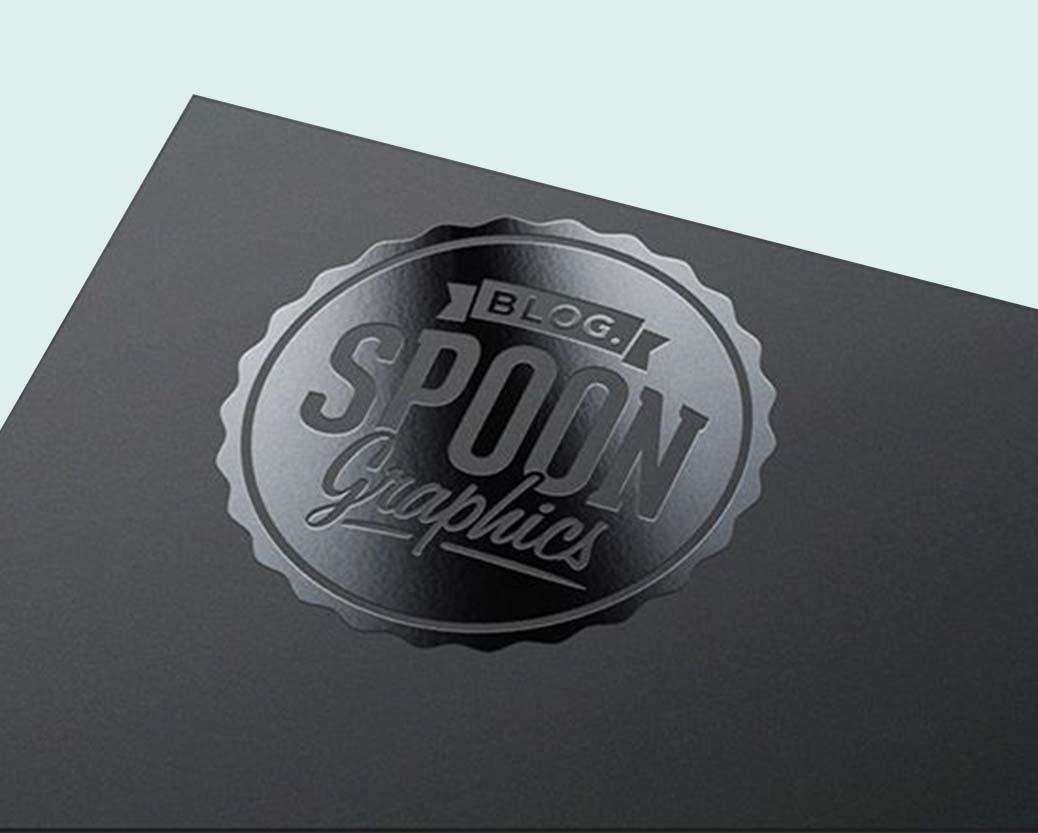
Our high-gloss UV coating enhances shine and provides a sleek, protective finish to your printed materials.
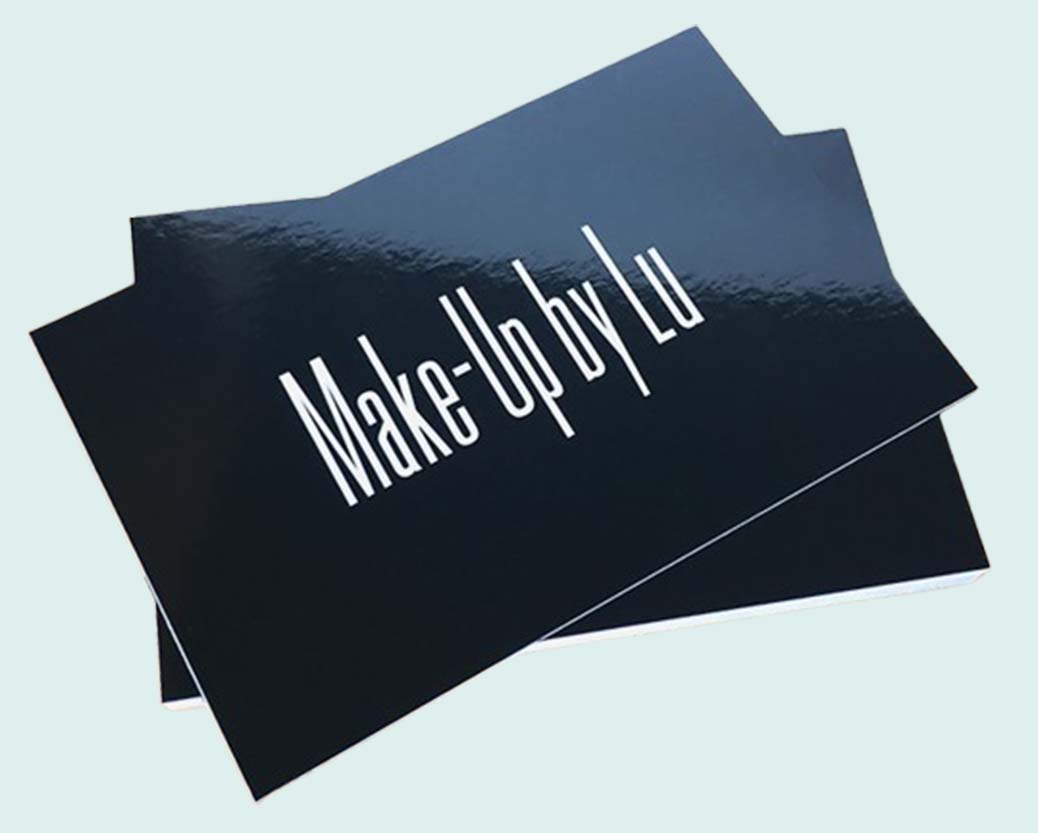
Our glossy finish adds a sleek, eye-catching shine to your packaging.
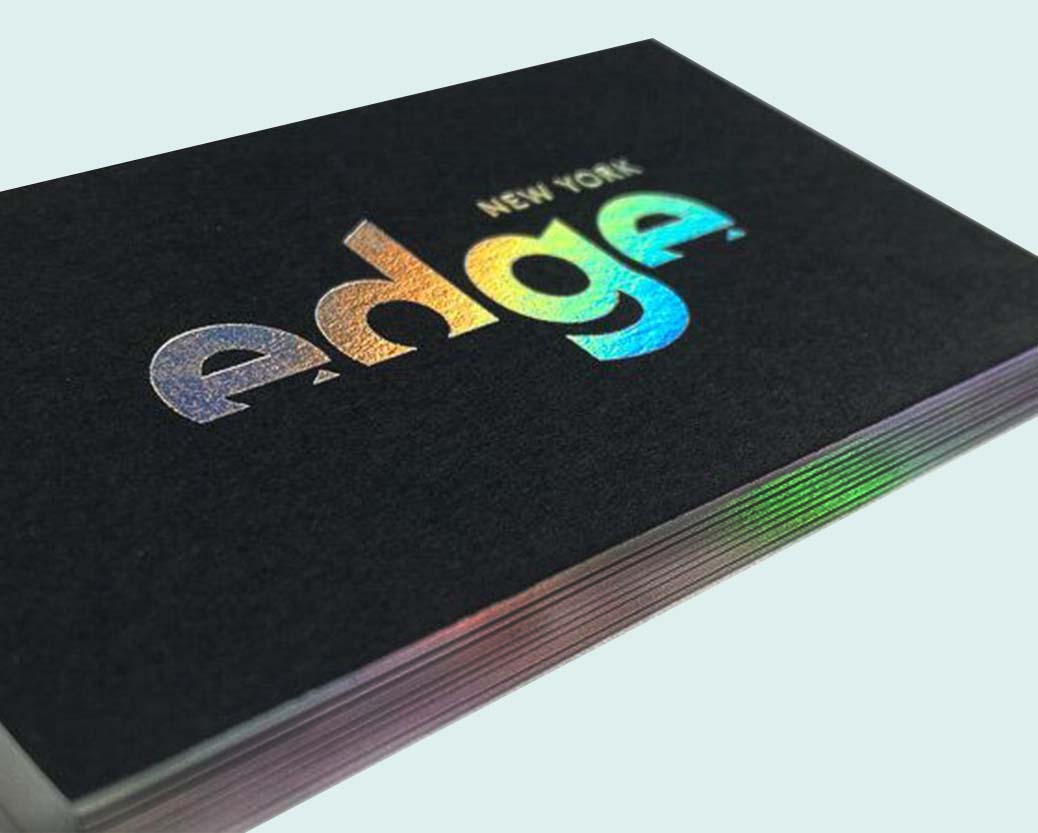
Holographic foil refracts light, creating a stunning rainbow effect from different angles.
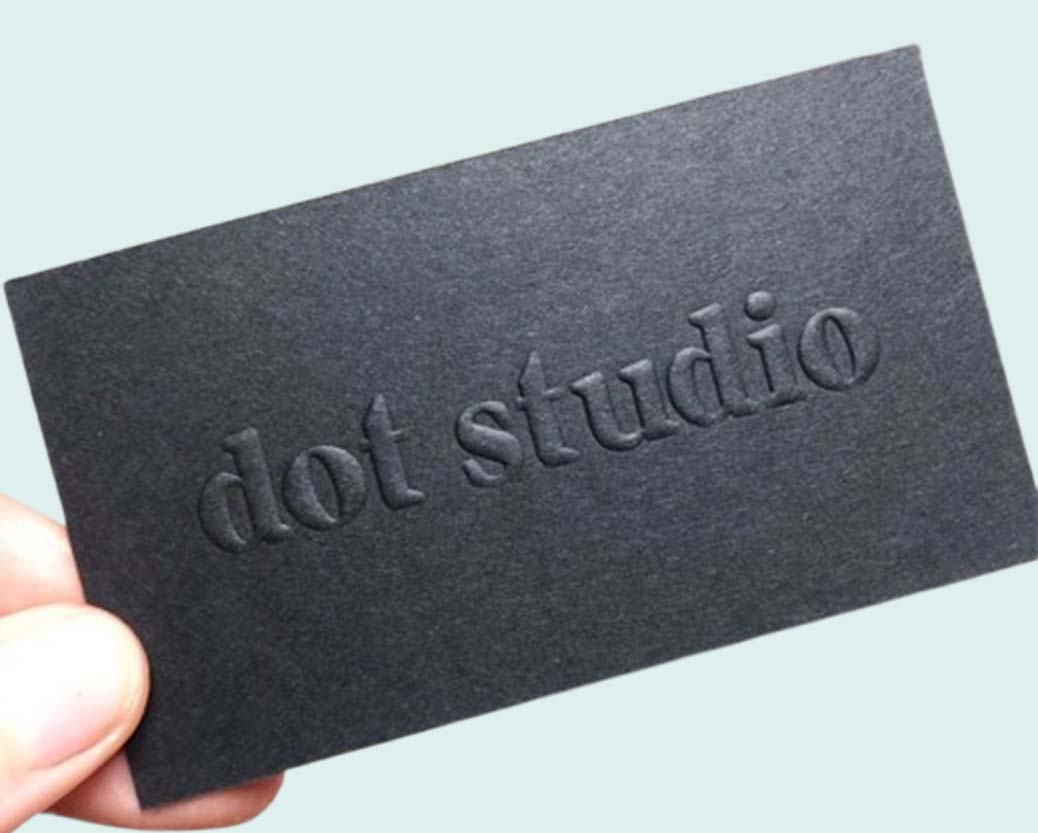
Our embossing technique captures the finest details, adding depth and elegance to your packaging.
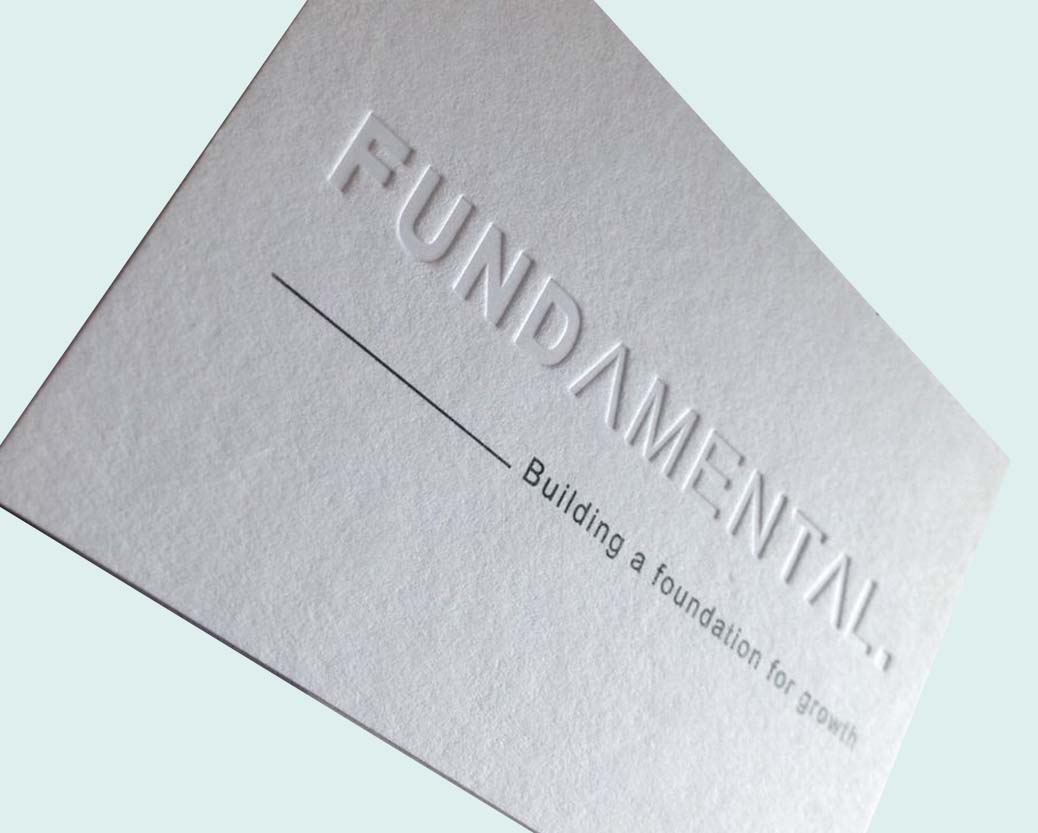
Our debossing technique imprints unique graphics into your packaging, creating a refined and tactile effect.
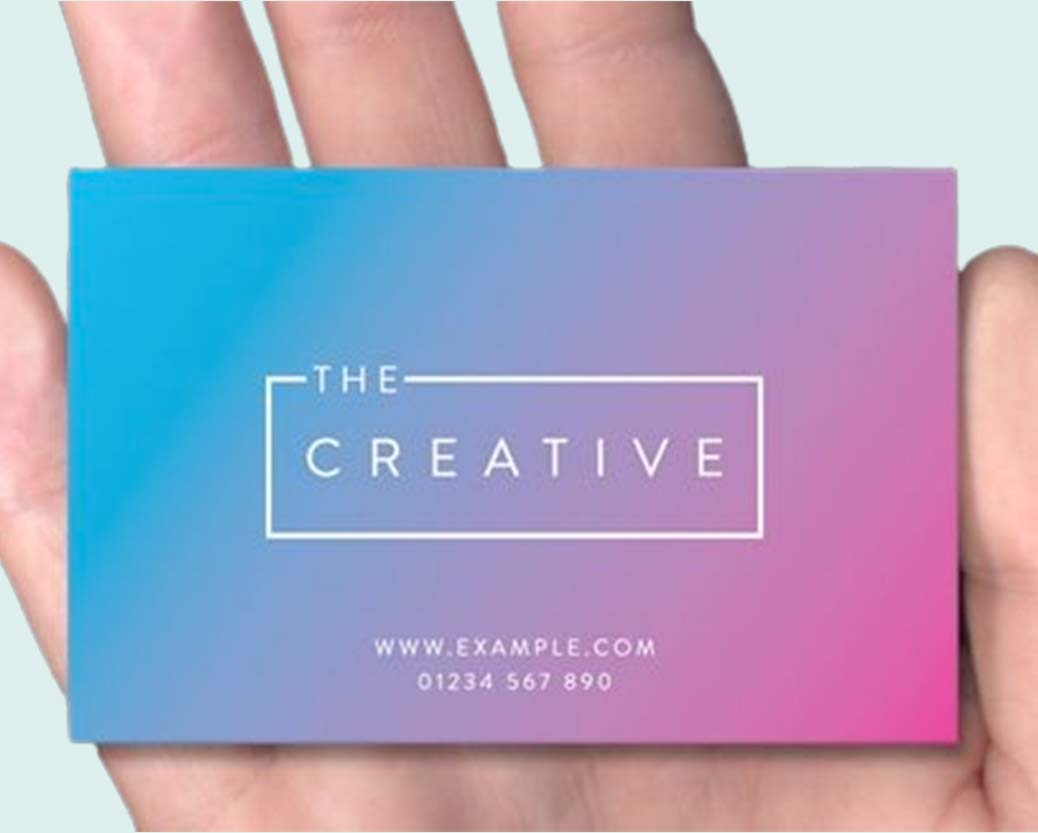
Our matte finish reduces the visibility of fingerprints and smudges, keeping your packaging looking clean and refined.
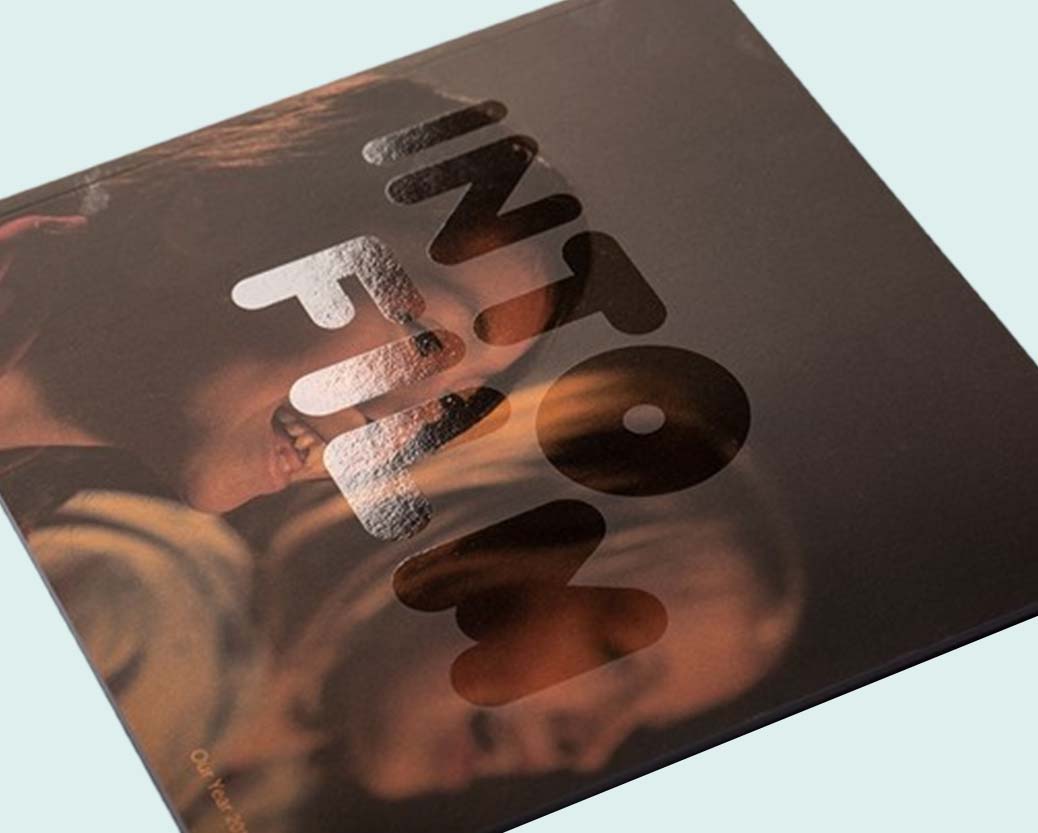
We apply a soft-touch lamination that adds an extra layer of protection, preventing toner chipping.
Cartons That Crack at the Fold
Are your packers seeing thin splits along the crease when they set boxes up? The board is too dry.
Corrugated and folding carton stock is made at around 7 to 9% moisture. That is what keeps it flexible. Antelope Valley humidity can sit in single digits for weeks. Board stored in an unconditioned Lancaster warehouse loses that moisture to the air. The fibres stiffen. Then the score line stops folding and starts fracturing instead. Split corners usually follow within a week.
This is not a printing fault, and lamination will not fix it. Two things will. Heavier caliper stock gives the fold more fibre to work with. Wider score allowances cut into the dieline give it more room to bend. We build both into Antelope Valley packaging orders as standard.
Seams That Pop Open in Transit
Standard hot-melt glue is rated for normal warehouse conditions. Lancaster is not that.
Summer highs sit at or above 100°F. A closed trailer parked on a loading apron on Avenue I can run 30 to 40 degrees hotter inside than the air outside. At that temperature, standard hot-melt softens and creeps. The manufacturer's joint lets go, and your boxes arrive open.
We use high-temperature adhesive on any order that will sit on a dock or travel unrefrigerated in summer. It adds very little to the price and it removes the problem completely.
Reds That Turn Orange on the Shelf
Lancaster sits at about 2,350 feet with almost no cloud cover. Anything in a shop window, on an outdoor rack, or riding a flatbed takes a heavy UV load.
Magenta and cyan inks break down before yellow does. That is why reds drift orange and purples go brown over a season.
The fix is a UV-stable ink set plus a UV-inhibiting coating over the print. If your product sits on shelf for months rather than weeks, ask for both when you request a quote. Adding it later means a reprint.
Two Kinds of Packaging Buyer in Lancaster
The truckload buyer. You move steady, high volume. You order plain or one-colour RSC shippers by the thousand. You watch landed cost and damage rates, and you want a standing supply deal. Several industrial distributors serve the Antelope Valley well here. Most of them only take bulk orders.
The brand-run buyer. You need 50 to 2,000 boxes, printed properly, with your logo and colours right. You are launching a product, testing a design, or running a seasonal SKU. You cannot commit to a truckload, and you should not have to.
We are built for the second one
Our minimum is 50 boxes per design. Most of the industry starts at 100. We also charge nothing for dies or plates, and that is the reason we can go so low. Tooling is normally what forces a high minimum. Once a supplier pays to cut a die, they need volume to cover it. We do not have that cost to recover. So a 50-box test and a 15,000-box production run use the same dieline and the same artwork file. Nothing gets re-tooled when you scale up. Mylar bags are the one exception, at 500 per design.
One honest note on when 50 is the wrong call. Per-unit price drops 45 to 60% between 50 and 500 units. If your artwork and dimensions are already locked, a small run costs you real money and teaches you nothing. Use short runs to test, not to save.
Box Styles for Antelope Valley Businesses
| Style | Common use | Notes |
|---|---|---|
| RSC shipper | E-commerce, parts distribution | 32–48 ECT; heavier for stacked pallets |
| Mailer (roll-end tuck) | Subscription and DTC brands | B or E flute; prints inside and out |
| Tuck-end carton | Retail, supplements, cosmetics | 14–24pt SBS or kraft |
| Sleeve and tray | Gift sets, corporate kits | Two-piece; handles uneven contents |
| Rigid box | Premium goods, cannabis CR | 2–3mm greyboard, wrapped |
| Mylar barrier bag | Edibles, supplements, dry goods | 500 per design minimum |
| Die-cut insert | Fragile or multi-part items | Corrugated, foam or moulded pulp |
Not sure which style fits? Send us the dimensions and a photo. Half the time the photo tells us more than the measurements do. We will come back with a recommendation and a dieline, free.
Packaging for the Aerospace Corridor
Lancaster and neighbouring Palmdale form one of the densest aerospace clusters in the country. Air Force Plant 42 sits next door, Edwards is close by, and a long chain of tier-two and tier-three subcontractors feeds both.
If you are in that chain, your packaging problem is handling and traceability, not shelf appeal. We regularly make:
- Serialised, barcoded outer cartons with fixed label zones, so scanning stays consistent on the receiving line
- Die-cut corrugated inserts that hold machined parts still, because parts finished to tolerance get damaged by movement rather than impact
- Compartmented kitting trays for assembly sets that ship as one unit
- Double-wall shippers for heavy, weight-bearing components
We do not make MIL-STD-2073 certified military packaging or ESD-shielding bags. If your contract requires either, you need a specialist. We will tell you that upfront rather than quote work we should not take.
Getting Freight Into the Antelope Valley
Boxes ship flat on pallets. Production takes 7 to 8 business days once you approve the proof. Ground transit adds 2 to 4 days from a West Coast origin, and longer from the East Coast.
Freight comes in on CA-14 through the Newhall Pass, which backs up during weekday commute hours. It rarely costs you a full day. But if you are timing delivery to a launch, do not schedule the final leg for a Friday afternoon.
The most common surprise on high desert freight is surcharges. No loading dock means the carrier needs a liftgate, and that is a fee. Many smaller Antelope Valley operations also sit at residentially zoned addresses, which is another. Tell us whether you have a dock, and whether someone will be there during business hours. Then we quote it right the first time.