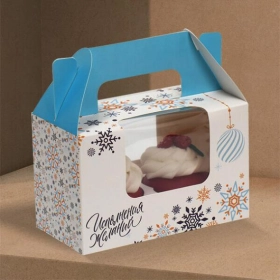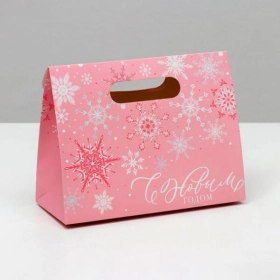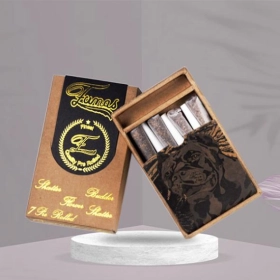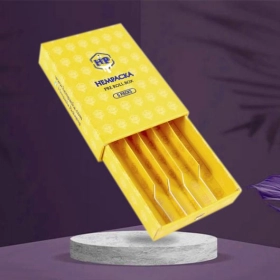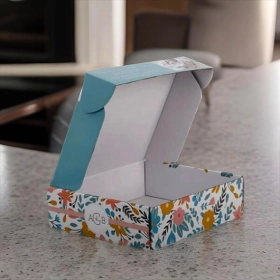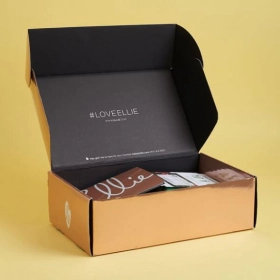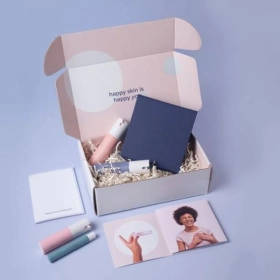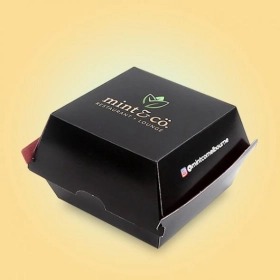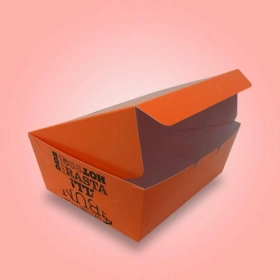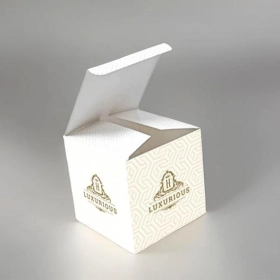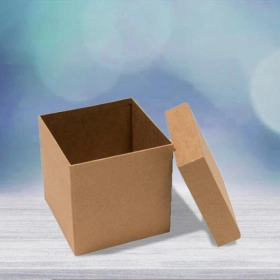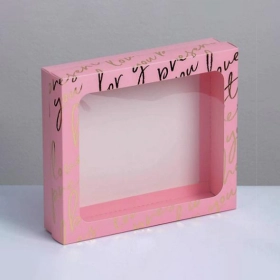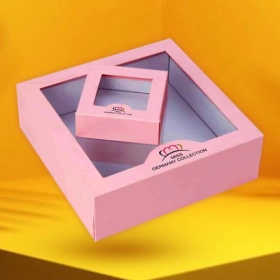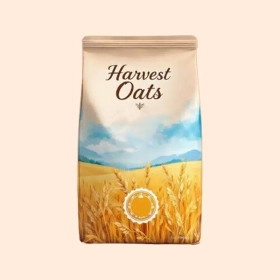






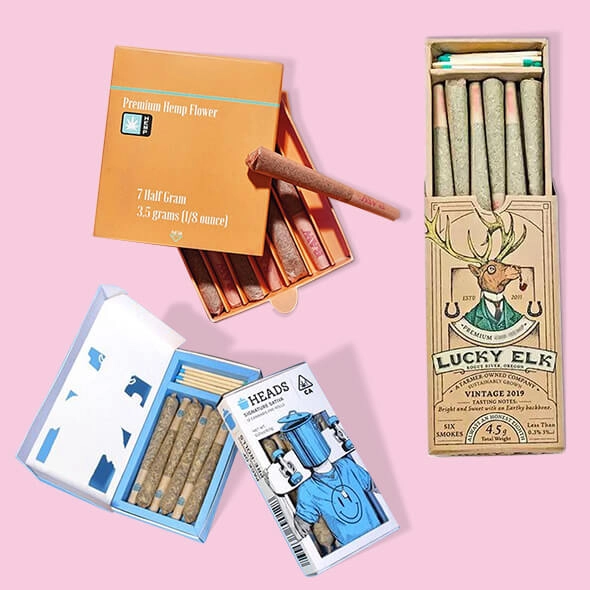

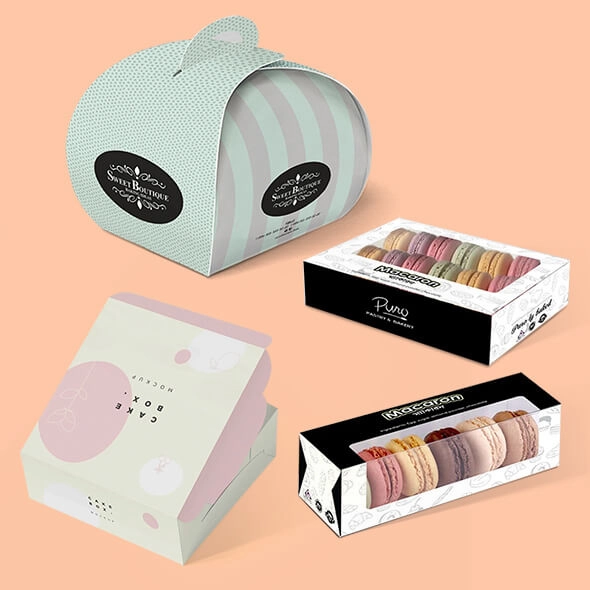
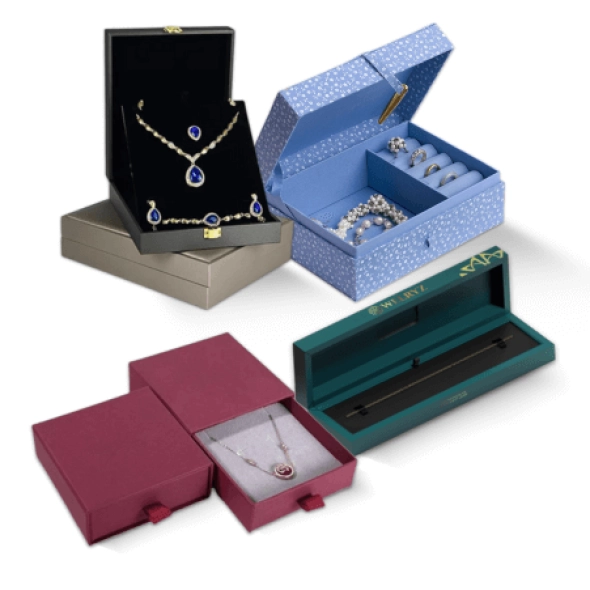
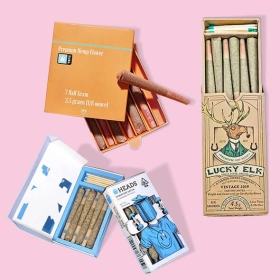

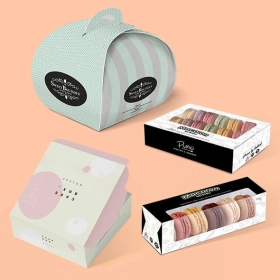












| Box Style | As Mention Above |
|---|---|
| Dimension (L + W + H) | All Custom Sizes & Shapes |
| Minimum Run ( For Boxes and Mylar Bags) | 100 Boxes - 1000 Mylar Bags ( 500 each design) |
| Paper Stock | 10pt to 28pt (60lb to 400lb) Eco-Friendly Kraft, E-flute Corrugated, Bux Board, Cardstock |
| Printing | No Printing, CMYK, CMYK + 1 PMS color, CMYK + 2 PMS colors |
| Finishing | Gloss Lamination, Matte Lamination, Gloss AQ, Gloss UV, Matte UV, Spot UV, Embossing, Foiling |
| Included Options | Die Cutting, Gluing, Scored,Perforation |
| Additional Options | Eco-Friendly, Recycled Boxes, Biodegradable |
| Proof | Flat View, 3D Mock-up, Physical Sampling (On request) |
| Turnaround | 7 - 8 Business Days |
| Shipping | FLAT Position |
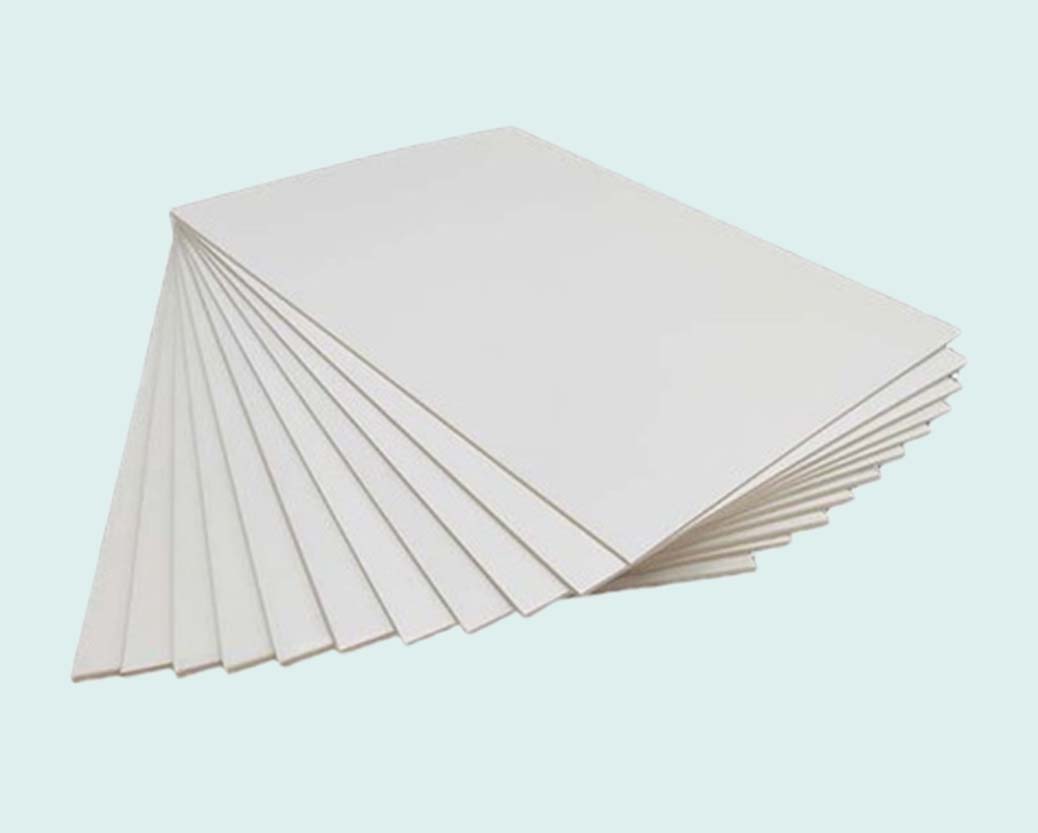
We use eco-friendly cardboard materials designed to minimize environmental impact and reduce waste.
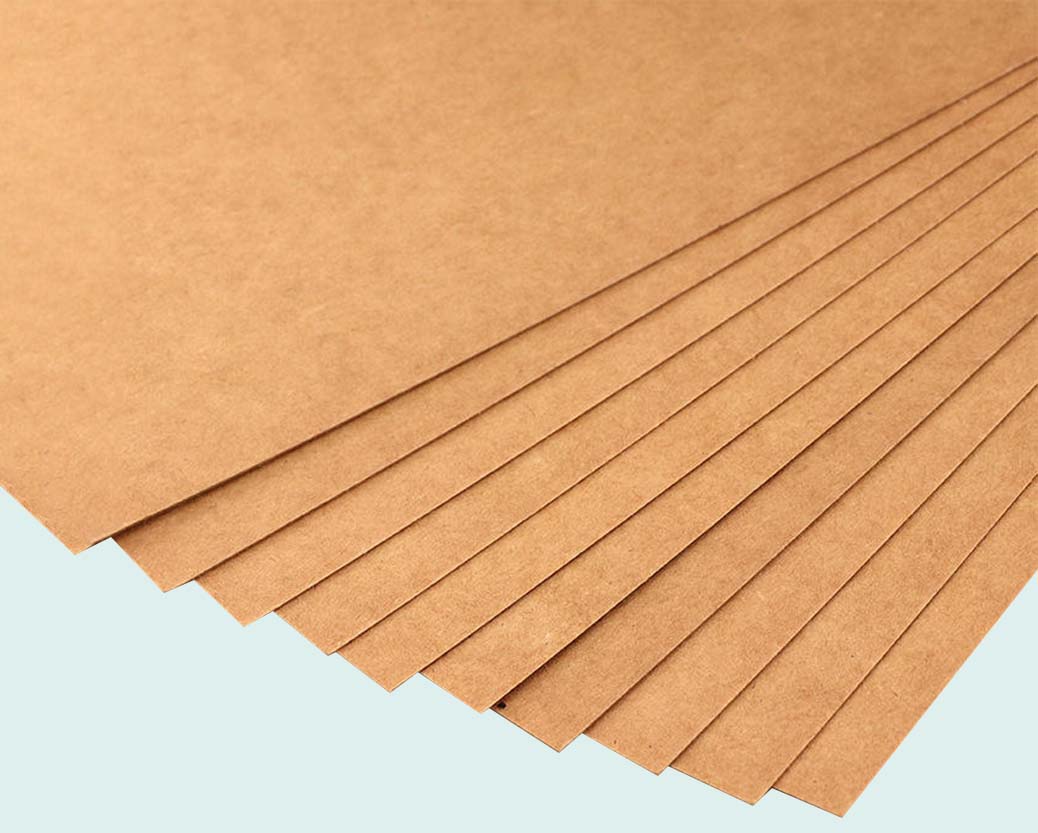
Kraft paper is a sturdy, durable, and dependable material used across multiple industries.
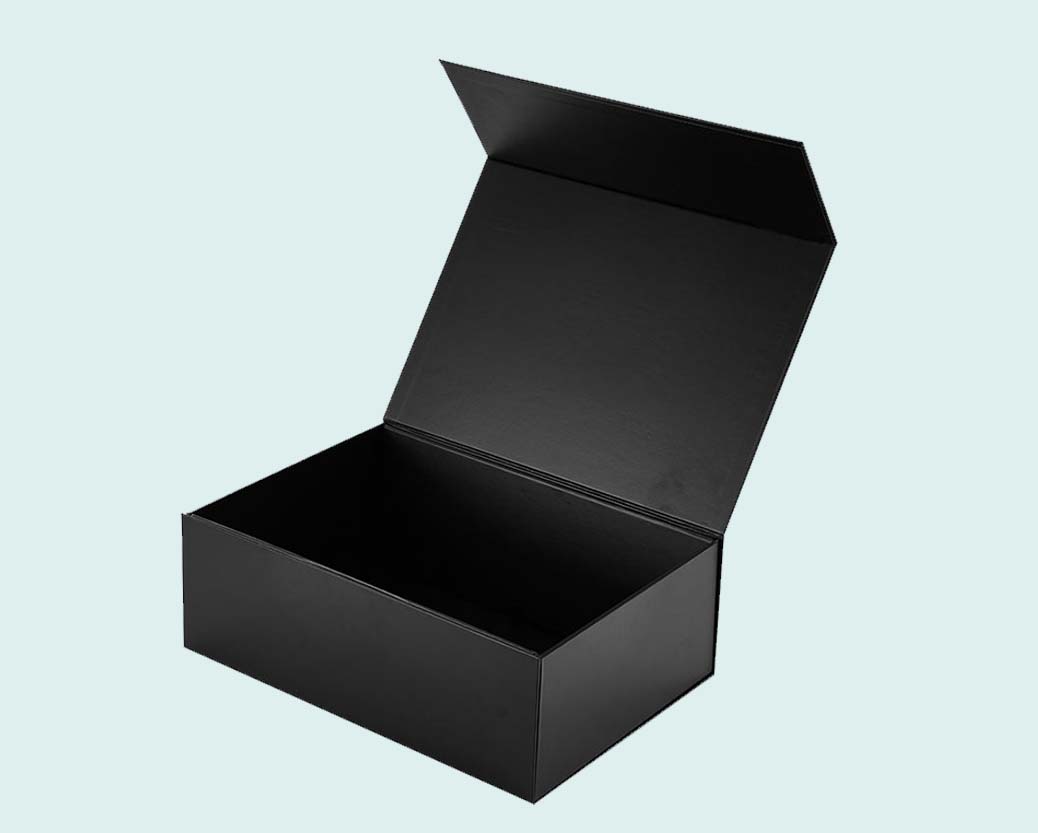
Rigid material is highly protective, cost-effective, and recyclable, offering maximum durability and security.
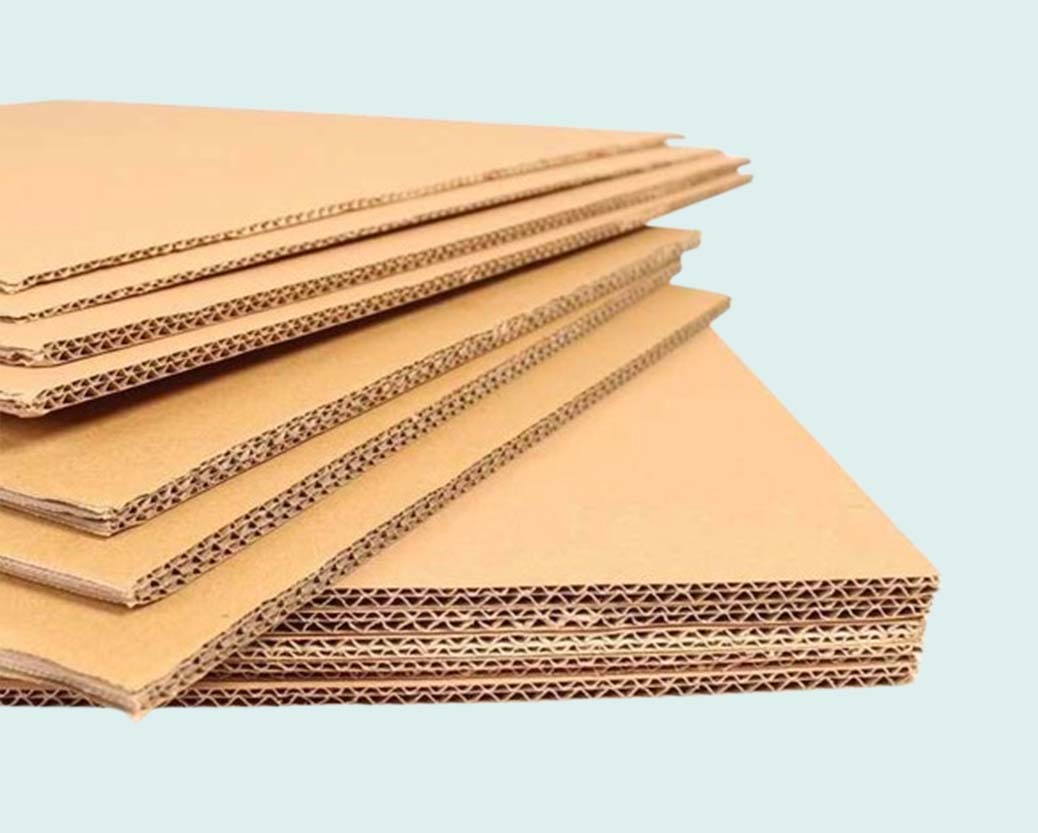
Corrugated material is customizable, cost-effective, and sustainable, making it an excellent choice for branding and shipping.
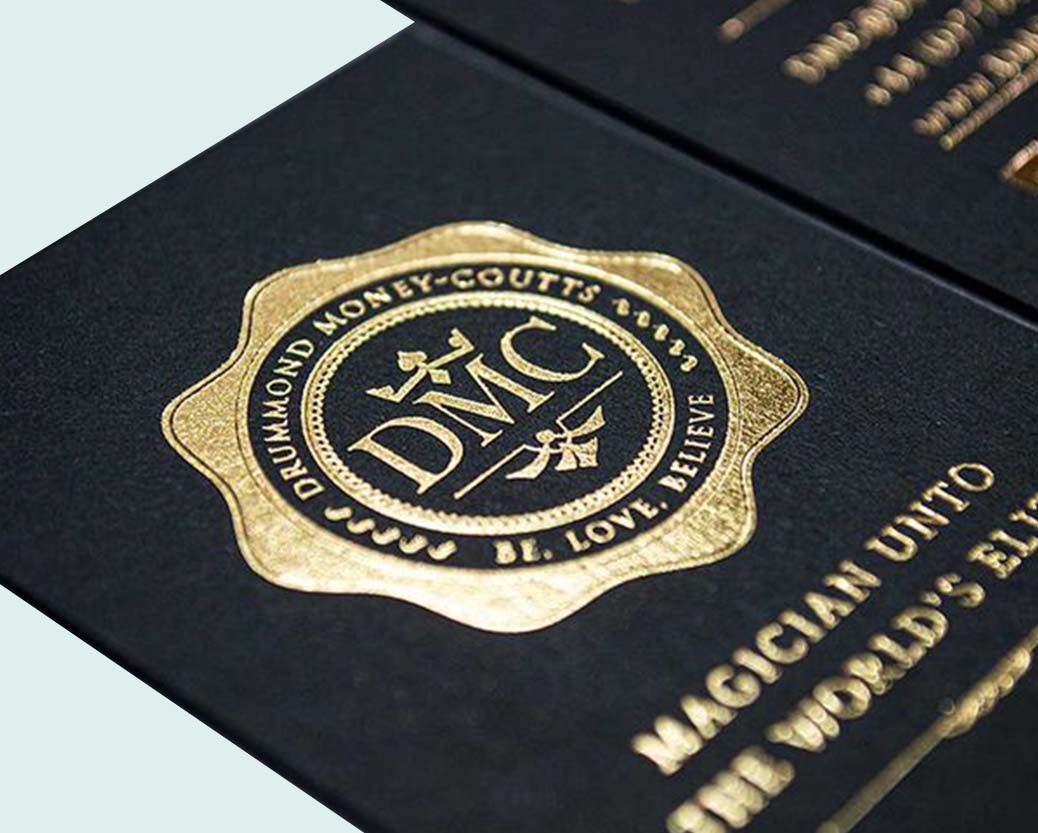
Enhance your product packaging with our premium foil stamping for a sophisticated touch.
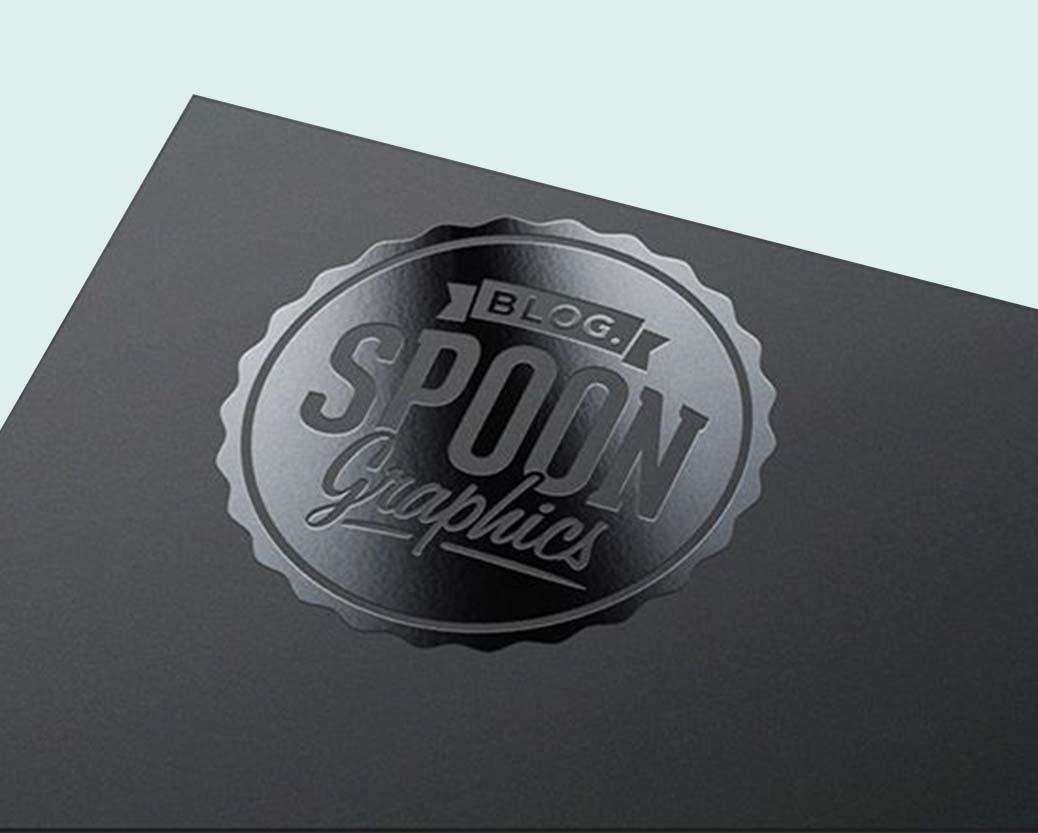
Our high-gloss UV coating enhances shine and provides a sleek, protective finish to your printed materials.
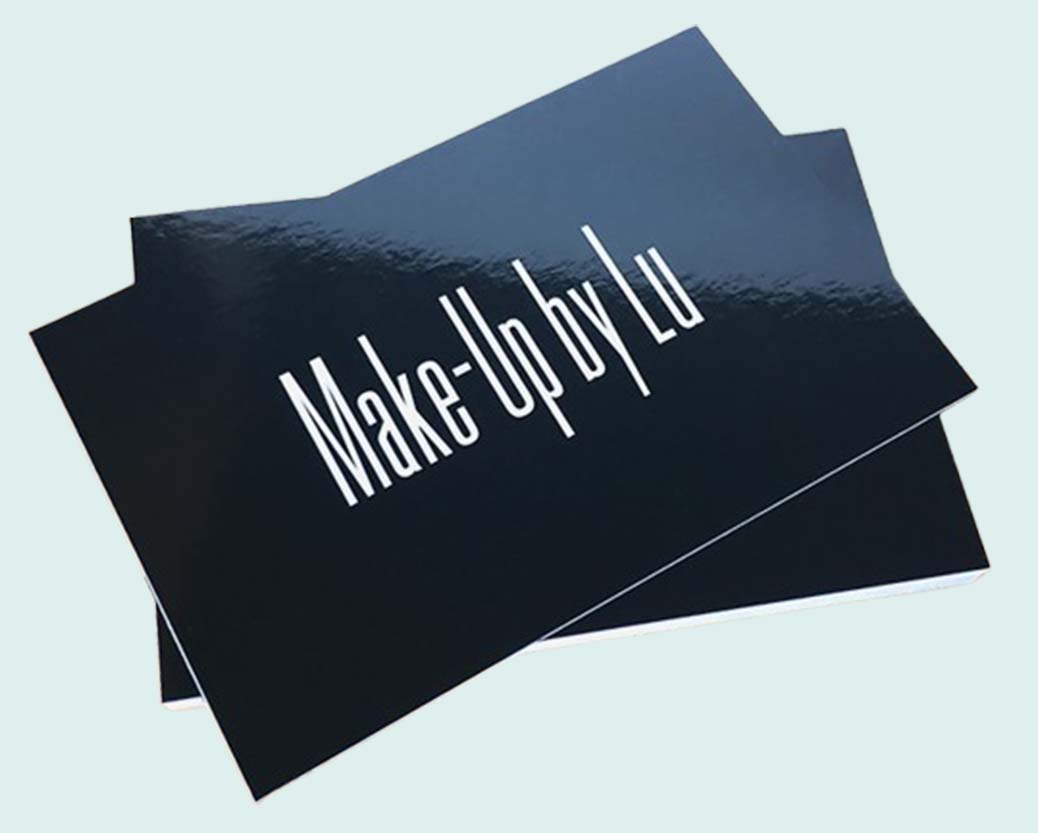
Our glossy finish adds a sleek, eye-catching shine to your packaging.
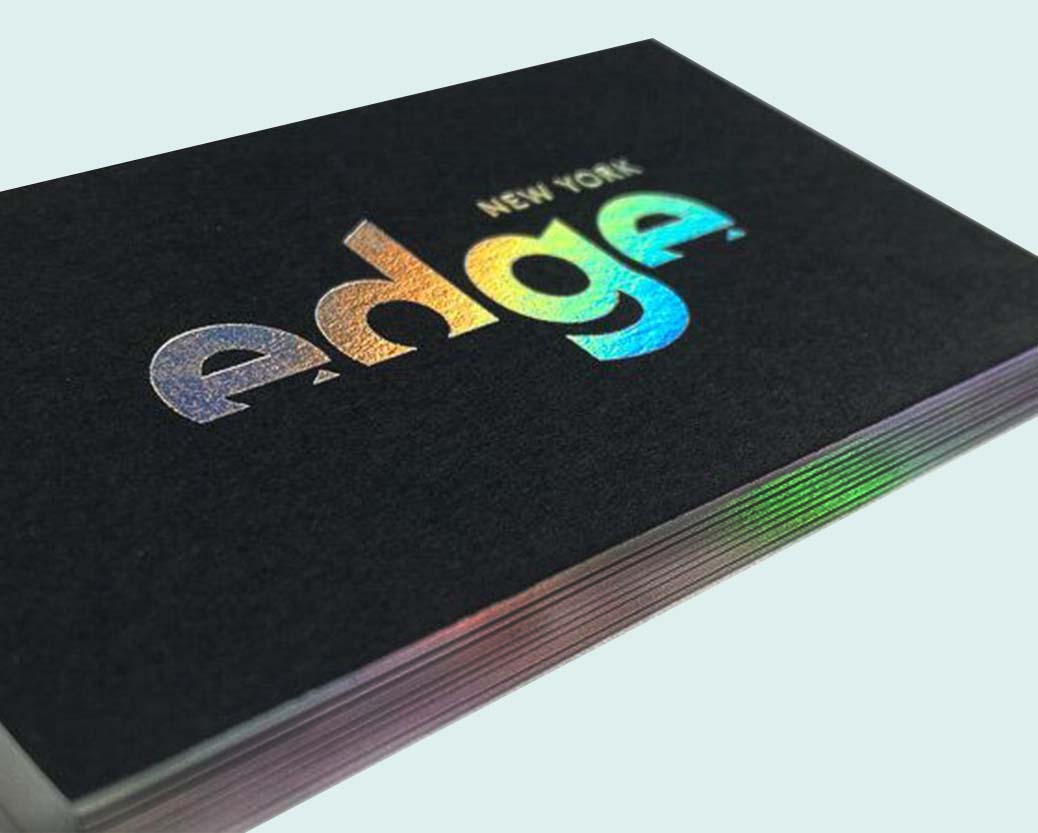
Holographic foil refracts light, creating a stunning rainbow effect from different angles.
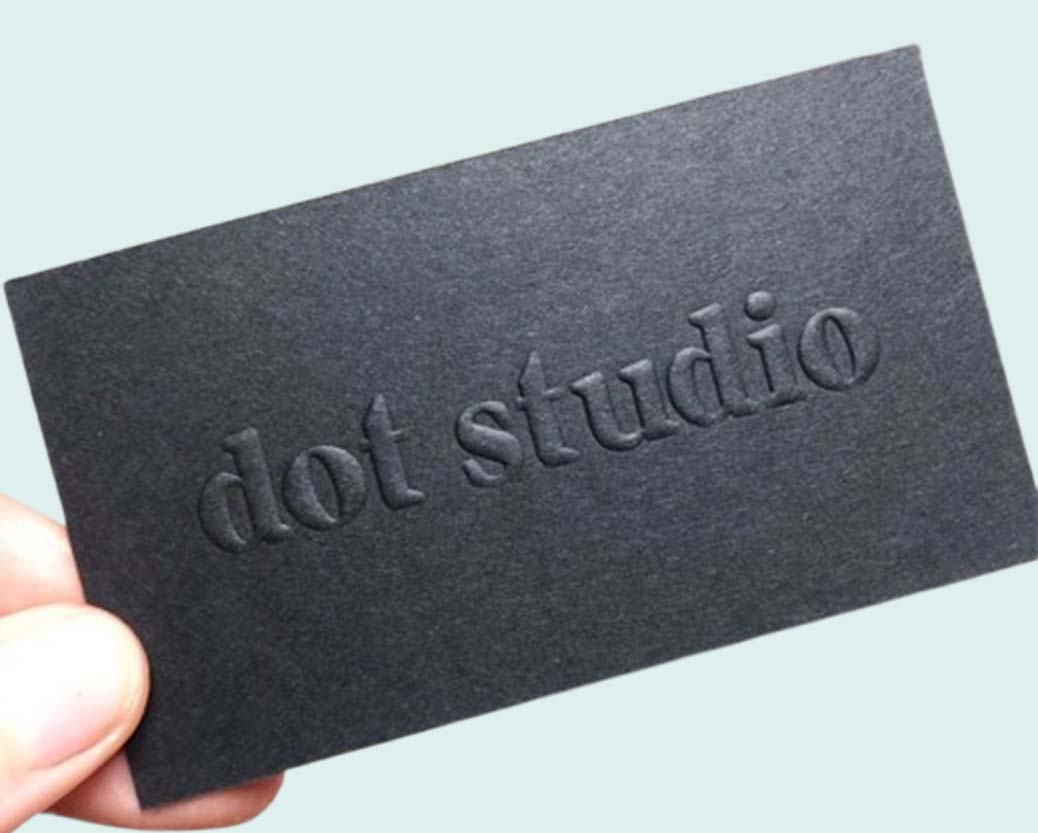
Our embossing technique captures the finest details, adding depth and elegance to your packaging.
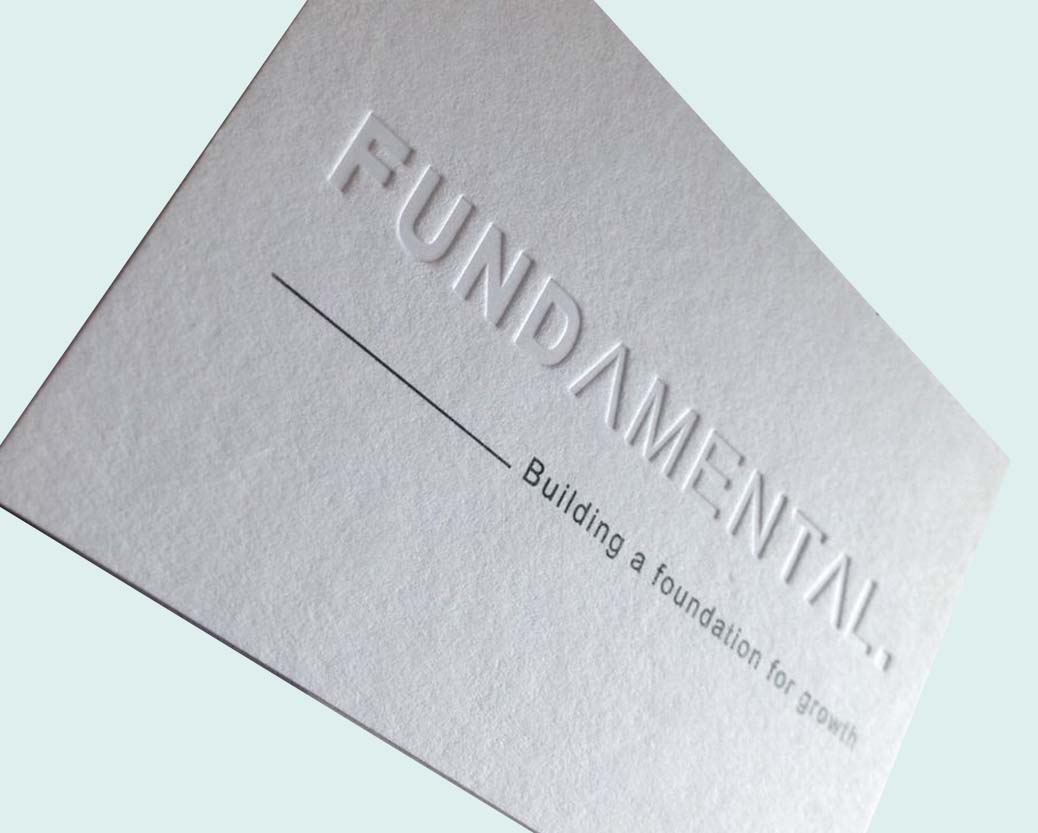
Our debossing technique imprints unique graphics into your packaging, creating a refined and tactile effect.
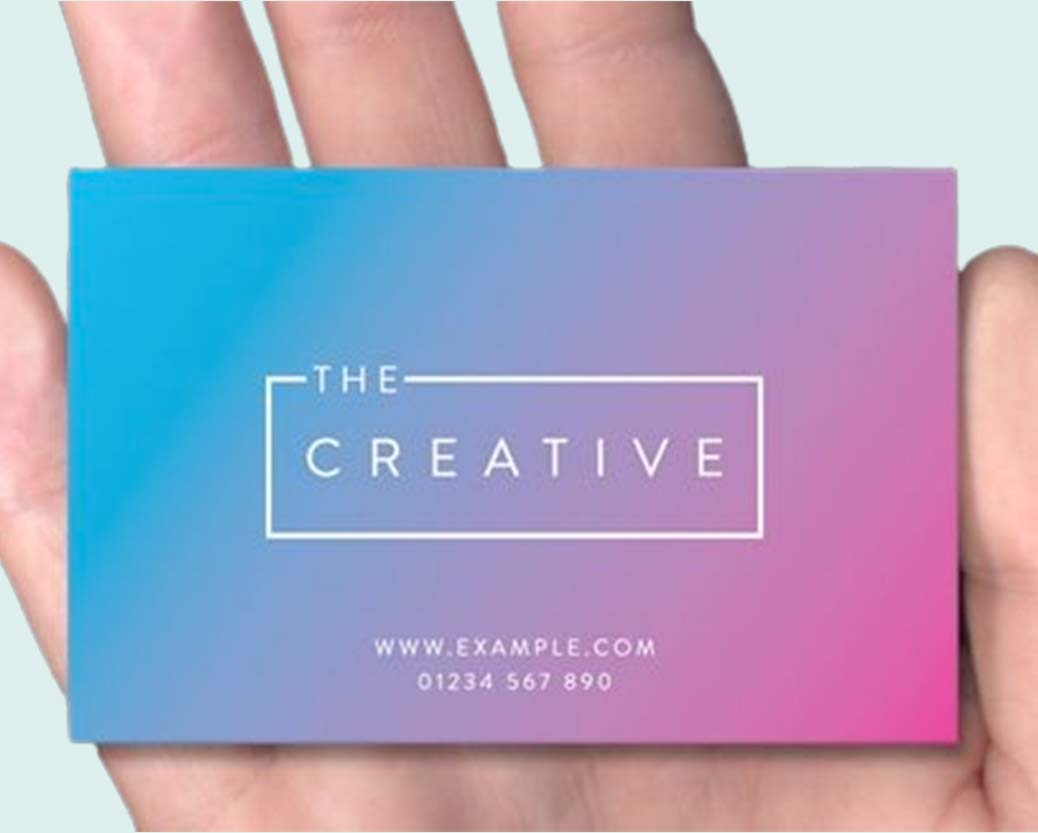
Our matte finish reduces the visibility of fingerprints and smudges, keeping your packaging looking clean and refined.
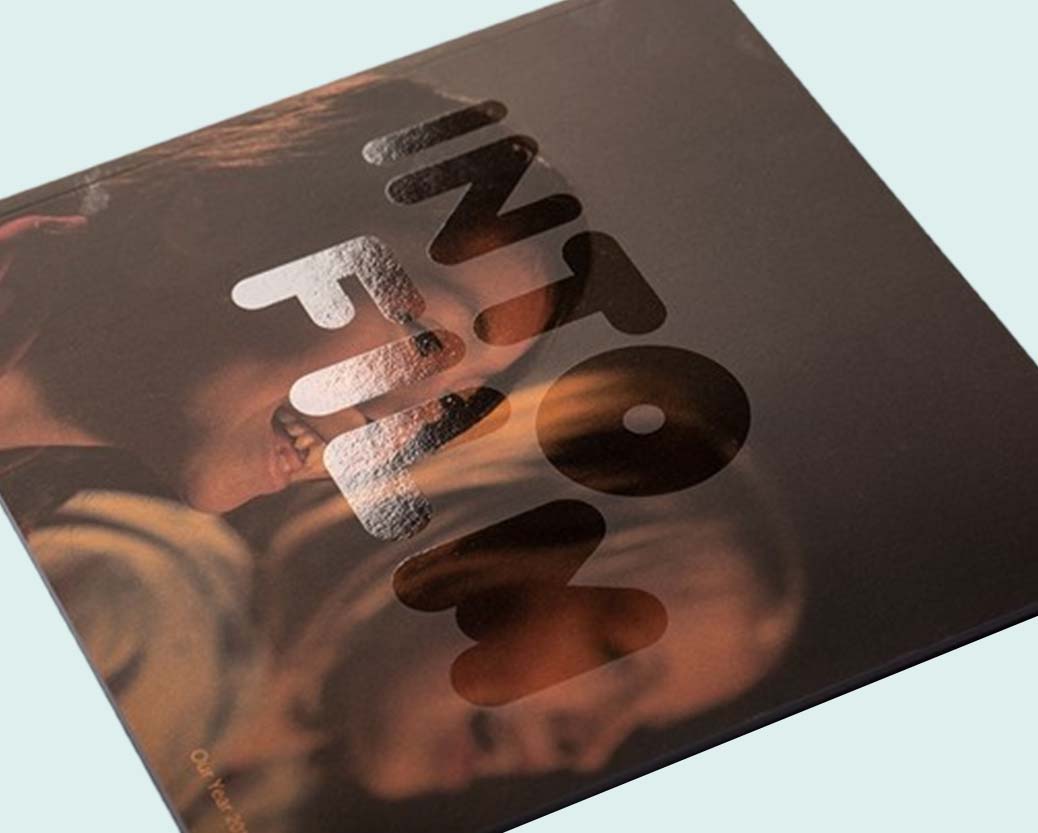
We apply a soft-touch lamination that adds an extra layer of protection, preventing toner chipping.
This page is for buyers who already have a box
Most packaging content is written for someone ordering their first run. This page isn't. It's for the operations manager, founder or purchasing lead in Largo who already has boxes on a shelf, already has a supplier, and is weighing whether to move.
That's a different problem. You're not choosing between kraft and cardboard. You're trying to work out whether the quote in front of you is genuinely cheaper or just presented differently, whether the new supplier can actually reproduce what you have, and whether switching costs you a stock-out in the middle of a season. Here's how to answer all three.
The spec sheet you should be able to hand any supplier
If you can't fill this in for your current box, you don't have a specification, you have a purchase history. And without a specification, every quote you collect is priced against a slightly different product, which is why they never compare cleanly.
Write down:
- Interior dimensions, L × W × H, in inches to one decimal. Interior, not exterior.
- Construction. Straight tuck end, reverse tuck end, auto-lock bottom, mailer, two-piece rigid, sleeve and tray.
- Substrate and caliper. Caliper is thickness in thousandths of an inch, so 18pt is 0.018". For corrugated, note the flute (E, B or C) and whether it's single or double wall.
- Board strength, if it ships. Corrugated is specified by either ECT (edge crush) or Mullen burst. These are different tests and not interchangeable, so quote whichever your current box carries.
- Print. CMYK only, or CMYK plus one or two spot colours, and the Pantone numbers if so. Note whether the interior prints.
- Coating and finish. Gloss, matte or soft-touch lamination, aqueous, spot UV, foil (and foil colour), emboss or deboss.
- Assembly. Glued and shipped flat, or flat-packed for you to fold.
- Annual volume and reorder frequency.
Ten lines. Any supplier who can't quote confidently from that list is guessing, and a guessed quote is where surprise charges come from later.
If you don't have this, send us a physical sample. We'll measure it, identify the stock and construction, and build the spec sheet for you. You keep it and can use it to shop anyone.
How to read a packaging quote
Two quotes for "the same box" routinely differ by 30% because they're not the same box. Before comparing numbers, check these:
Is the price per unit or per thousand? Sounds obvious. It catches people constantly.
What's included in setup? Ask directly whether the quote contains a die charge, plate or tooling charge, artwork or dieline fee, or a proof fee. We don't charge for any of these, which is often several hundred dollars of difference on a first order and is the single most common gap between two quotes.
Is freight in or out? A low unit price with freight billed separately can land higher than a delivered price. Ask for delivered cost to your Largo address. Ours is quoted delivered, with shipping included.
What are the break quantities? Get pricing at three volumes, not one. The per-unit curve tells you far more than a single number, and it tells you where your reorder point should sit.
What's the overrun or underrun tolerance? Print runs rarely land exactly on the ordered count. Ask what variance is acceptable and how it's billed.
Who owns the dieline and the print-ready artwork? This is the question buyers forget and regret. If your supplier holds the only copy of your dieline, moving is expensive. Ask for the files. We release them.
Why your second batch didn't match your first
This is the most common reason businesses in Pinellas County start looking for a new supplier, and it's worth understanding before you assume the new supplier will be better.
Colour shifts between runs for a handful of reasons, most of them fixable:
CMYK builds of brand colours drift. If your logo colour is simulated out of four process inks, it will vary run to run, press to press. A spot ink is mixed to a formula and repeats far more reliably. If exact colour matters, specify PMS spot rather than a CMYK approximation, and accept the small extra cost.
Paper white point changes the result. The same ink prints differently on bleached cardboard than on kraft, and differently again on a recycled stock with a warmer base. If your supplier substituted a stock between runs without telling you, the colour changed for that reason alone.
Lamination shifts appearance. Gloss lamination deepens and saturates colour. Matte flattens it. Soft-touch flattens it further. A box that looked right in gloss will look noticeably duller in matte with identical ink.
No approved reference existed. If nobody signed off a proof, there's nothing to hold the second run against.
The fix is procedural, not magic: specify spot colours where they matter, lock the substrate in writing so it can't be substituted, and keep an approved physical sample as the reference for every reorder. We build all three into repeat orders as standard.
Switching without a stock-out
The real risk in changing supplier isn't price, it's the gap. Run the transition in parallel:
- Send a sample and your spec sheet. We quote against it within 24 hours.
- Approve the dieline and 3D mockup. Free, and typically back within a business day.
- Order a physical sample. Compare it side by side against your existing box under the same light. This is the step most people skip and the one that de-risks the whole move.
- Place the first run while you still hold 6–8 weeks of stock. Production is 7–8 business days after proof approval, plus transit. Ordering with that cushion means a delay never becomes a stock-out.
- Keep the approved sample. It becomes the reference for every reorder afterwards.
Done this way, switching is a scheduling exercise, not a gamble.
Is custom actually worth it over stock boxes?
Not always, and it's worth being honest about that. Plain stock corrugated is cheaper per unit and available immediately. Custom wins when one or more of these applies:
- Your product doesn't fit a stock size. You're paying for void fill, and paying dimensional weight on air. A box cut to your product usually recovers its cost in freight alone.
- The box is a customer touchpoint. Retail shelf, gifting, subscription, anything photographed.
- Damage rates are non-trivial. Replacements and refunds are more expensive than a stock upgrade.
- Volume is steady. Setup economics reward repeat runs.
If none of those apply, stock boxes with a printed label may be the right answer, and we'll tell you so rather than sell you a run you don't need.
Serving Largo and the Tampa Bay area
We supply businesses across Largo and Pinellas County, including Clearwater, Seminole, Pinellas Park, St. Petersburg and the Ulmerton Road corridor, with free delivery on quoted orders. We operate online rather than from a Largo facility, so specs, proofs and approvals all run by email, phone or the quote form on this page.