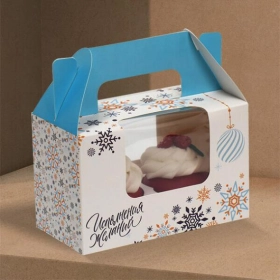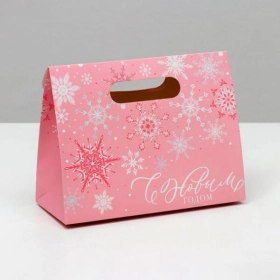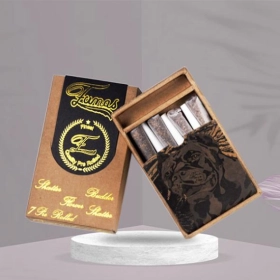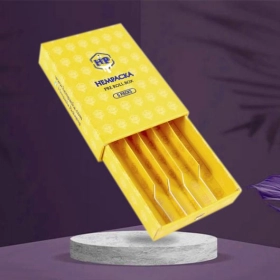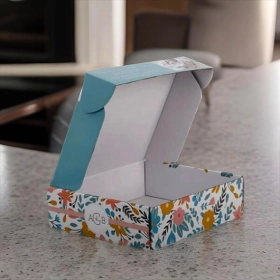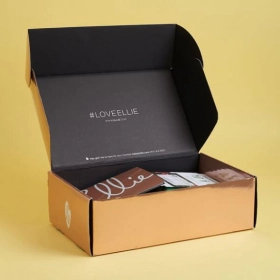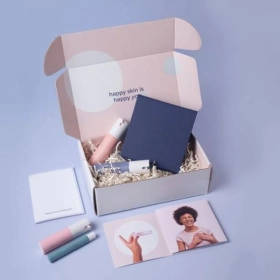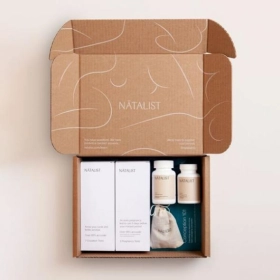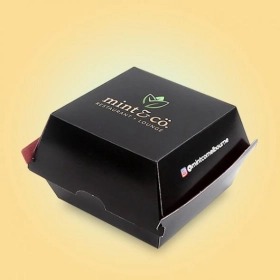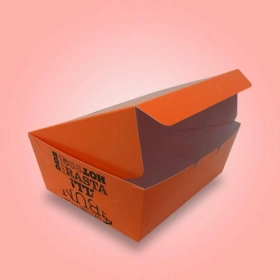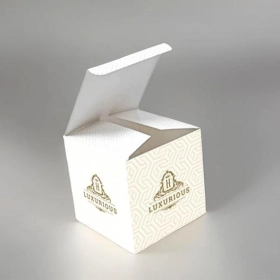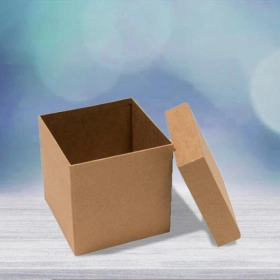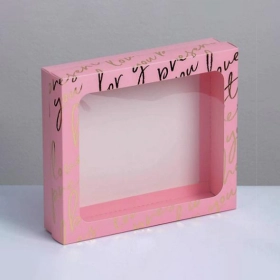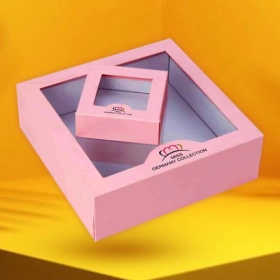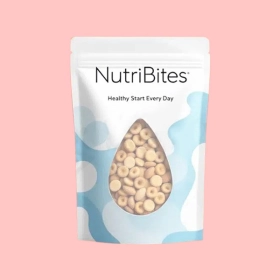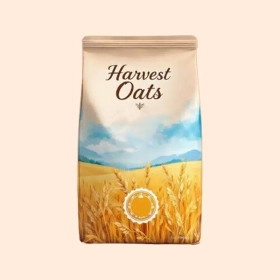






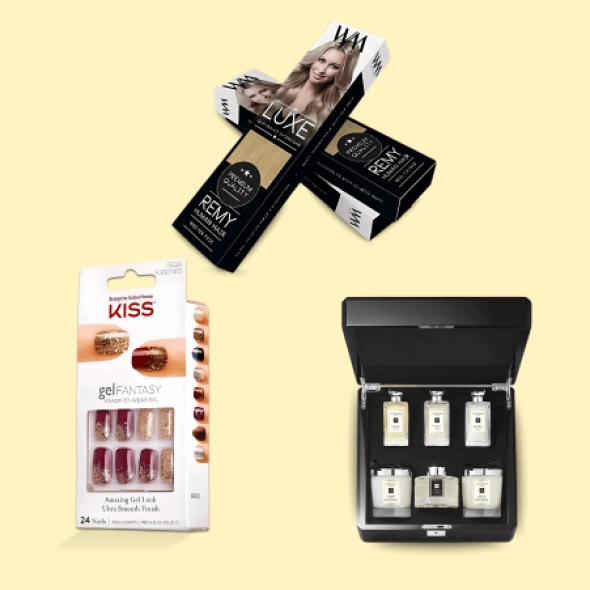
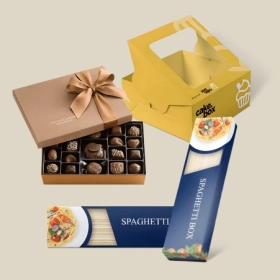
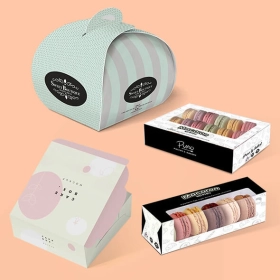













| Box Style | As Mention Above |
|---|---|
| Dimension (L + W + H) | All Custom Sizes & Shapes |
| Minimum Run ( For Boxes and Mylar Bags) | 100 Boxes - 1000 Mylar Bags ( 500 each design) |
| Paper Stock | 10pt to 28pt (60lb to 400lb) Eco-Friendly Kraft, E-flute Corrugated, Bux Board, Cardstock |
| Printing | No Printing, CMYK, CMYK + 1 PMS color, CMYK + 2 PMS colors |
| Finishing | Gloss Lamination, Matte Lamination, Gloss AQ, Gloss UV, Matte UV, Spot UV, Embossing, Foiling |
| Included Options | Die Cutting, Gluing, Scored,Perforation |
| Additional Options | Eco-Friendly, Recycled Boxes, Biodegradable |
| Proof | Flat View, 3D Mock-up, Physical Sampling (On request) |
| Turnaround | 7 - 8 Business Days |
| Shipping | FLAT Position |
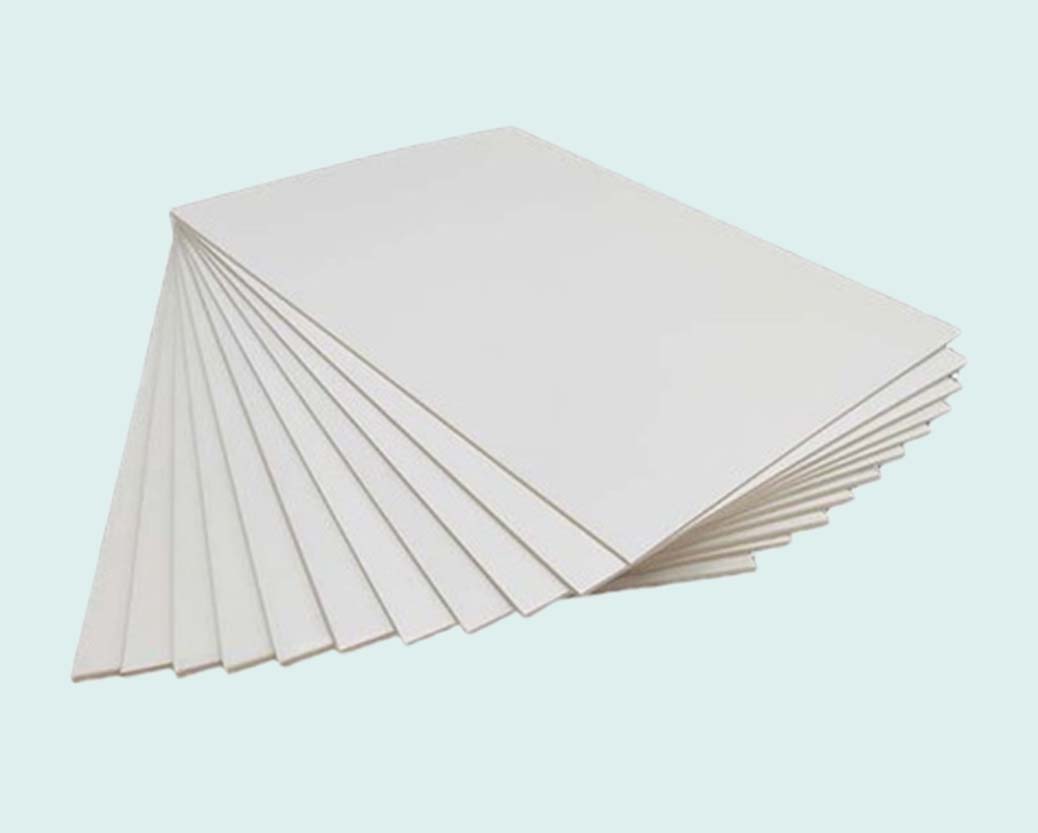
We use eco-friendly cardboard materials designed to minimize environmental impact and reduce waste.
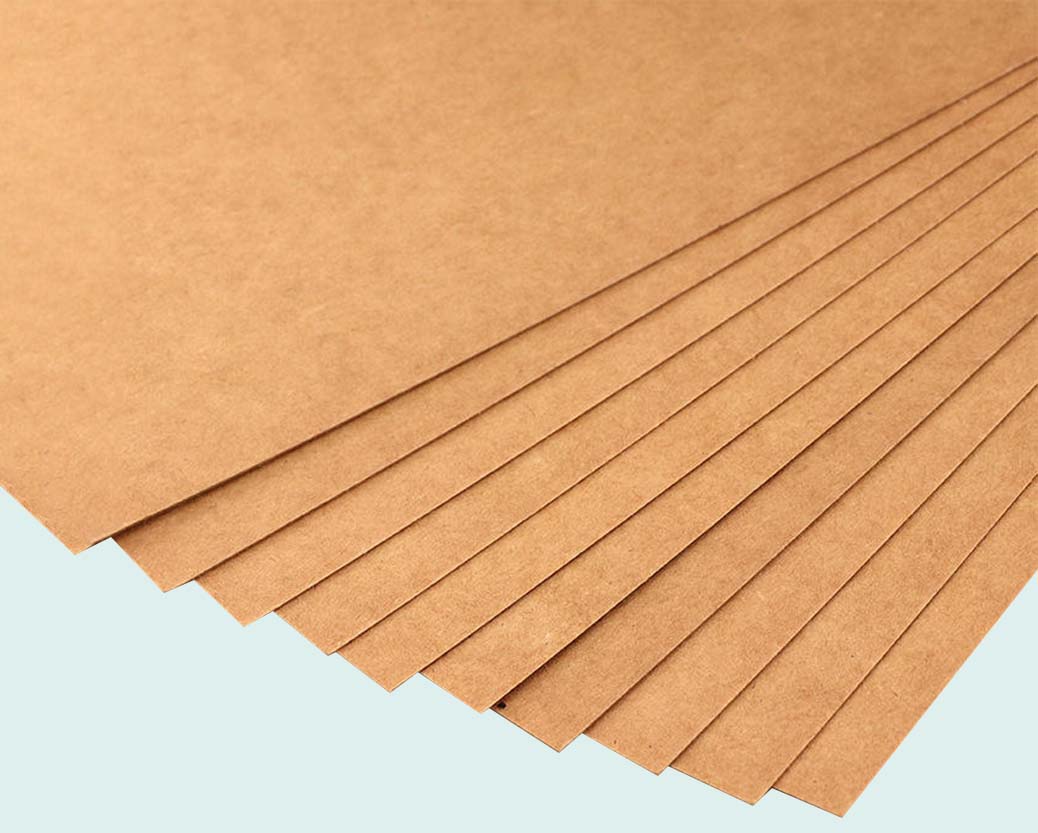
Kraft paper is a sturdy, durable, and dependable material used across multiple industries.
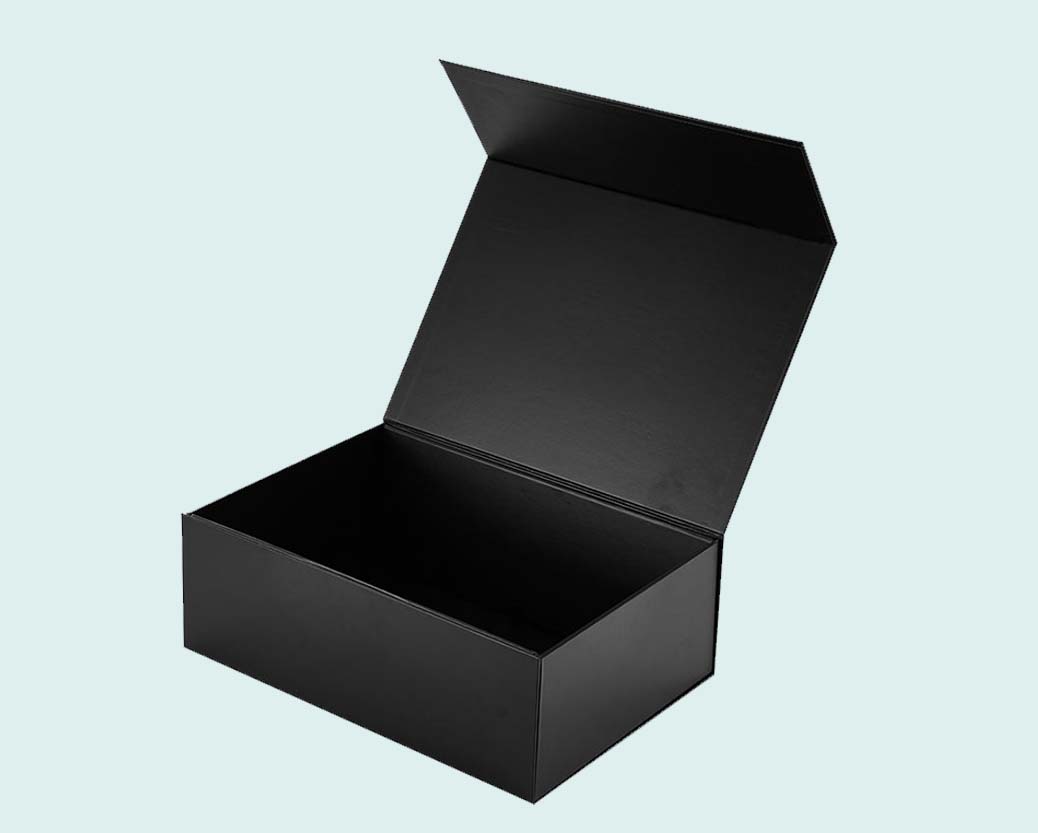
Rigid material is highly protective, cost-effective, and recyclable, offering maximum durability and security.
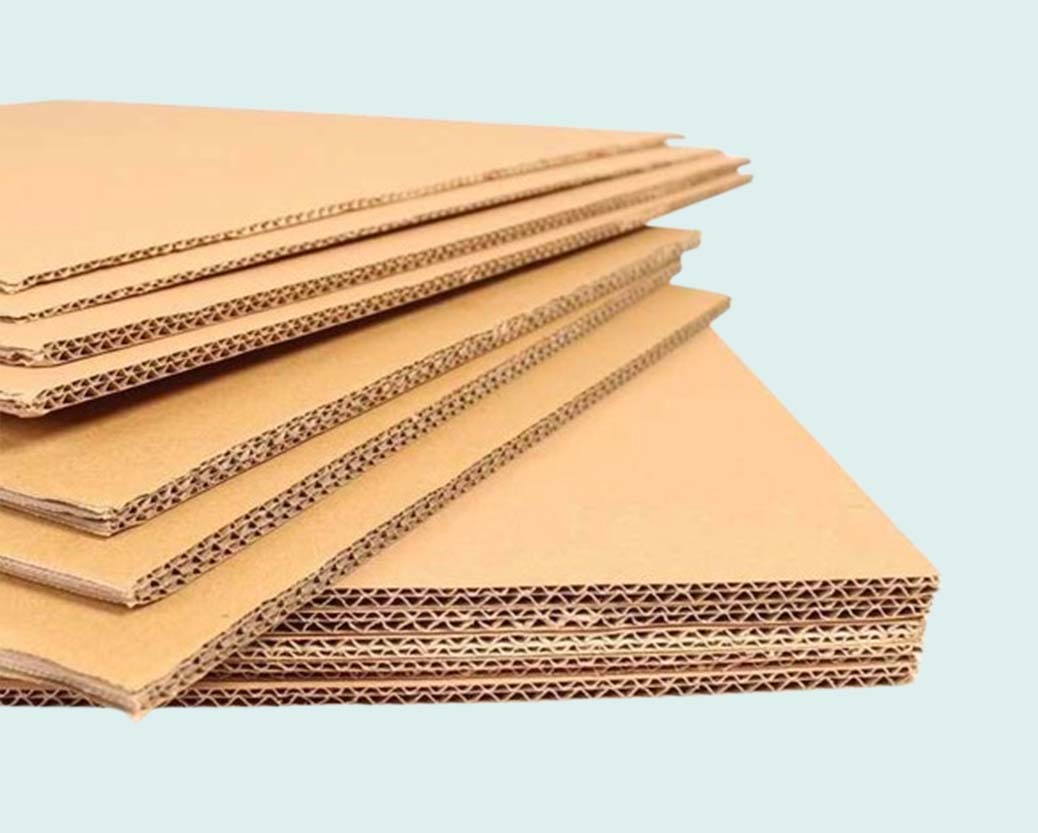
Corrugated material is customizable, cost-effective, and sustainable, making it an excellent choice for branding and shipping.
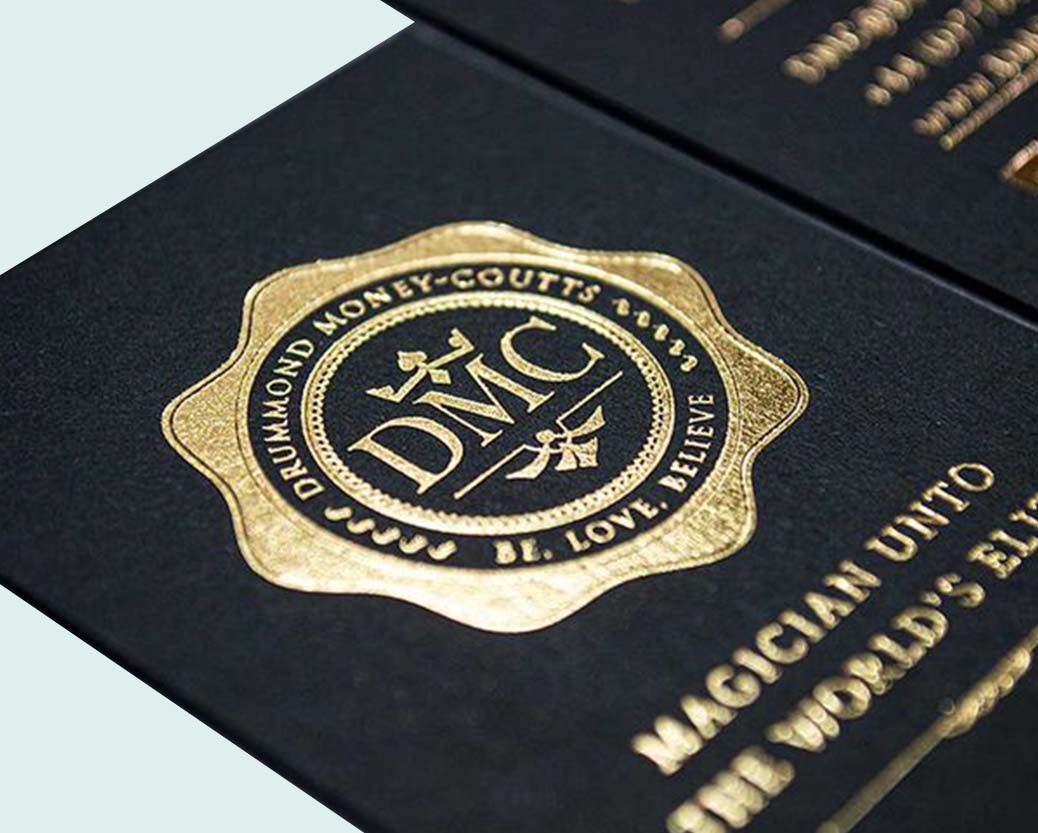
Enhance your product packaging with our premium foil stamping for a sophisticated touch.
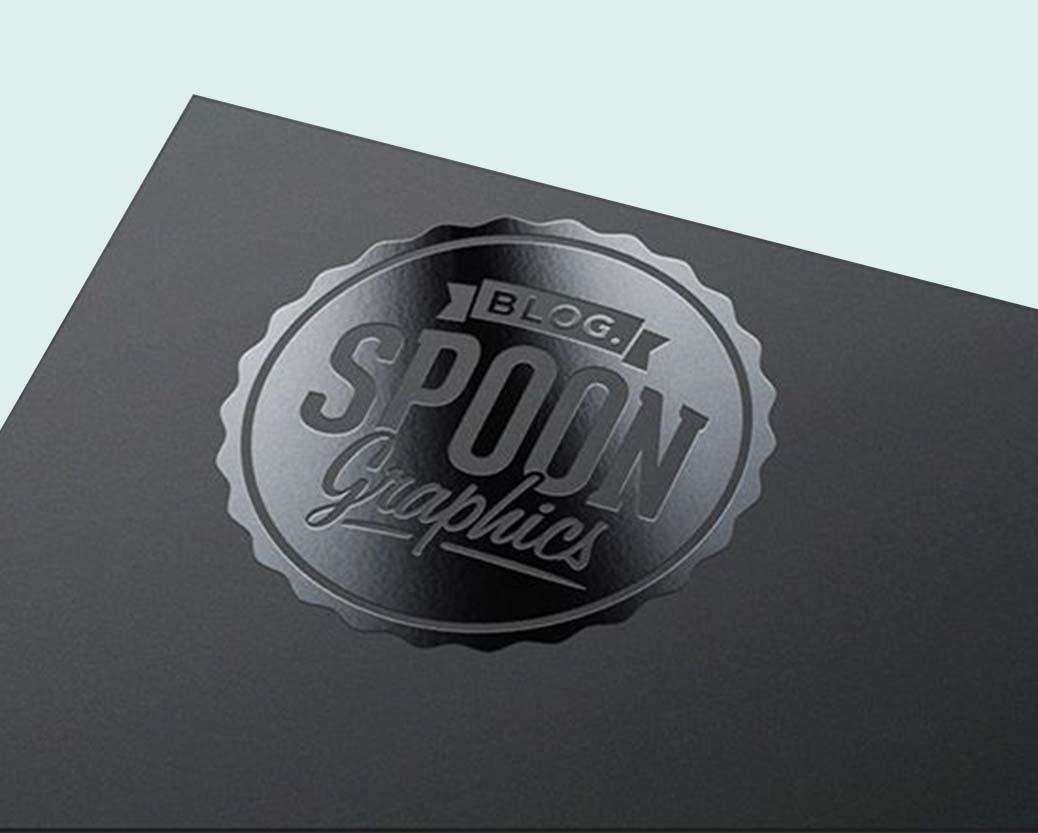
Our high-gloss UV coating enhances shine and provides a sleek, protective finish to your printed materials.
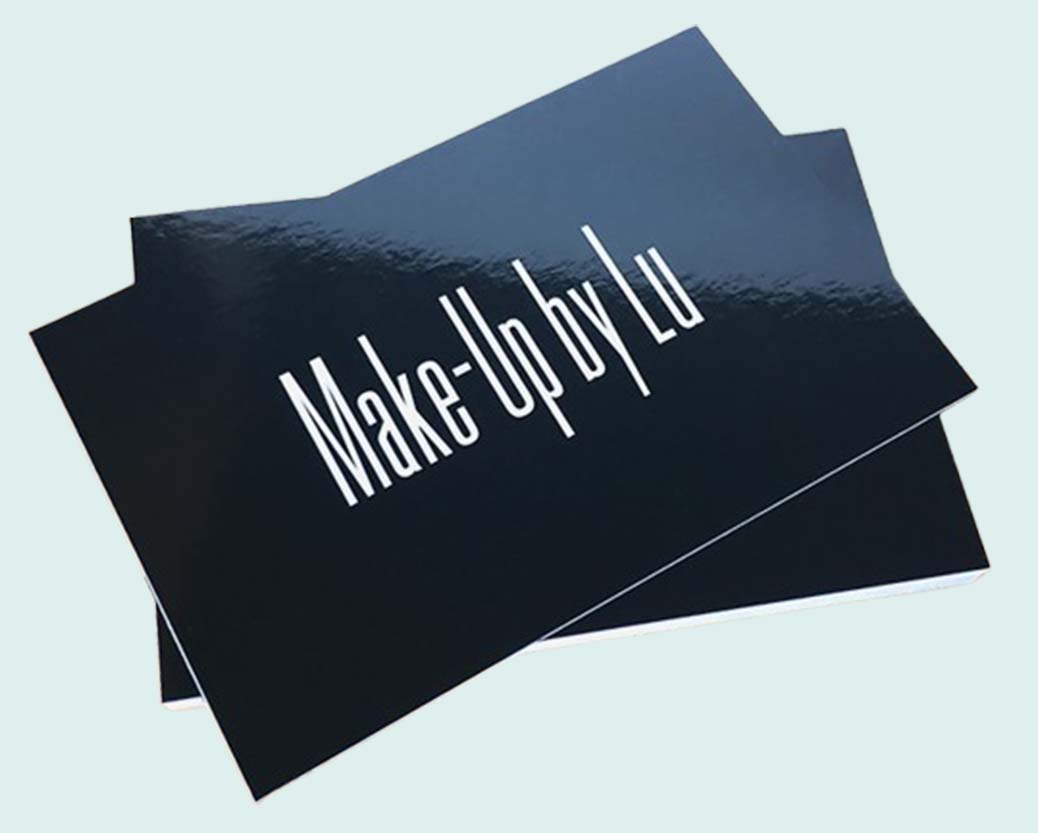
Our glossy finish adds a sleek, eye-catching shine to your packaging.
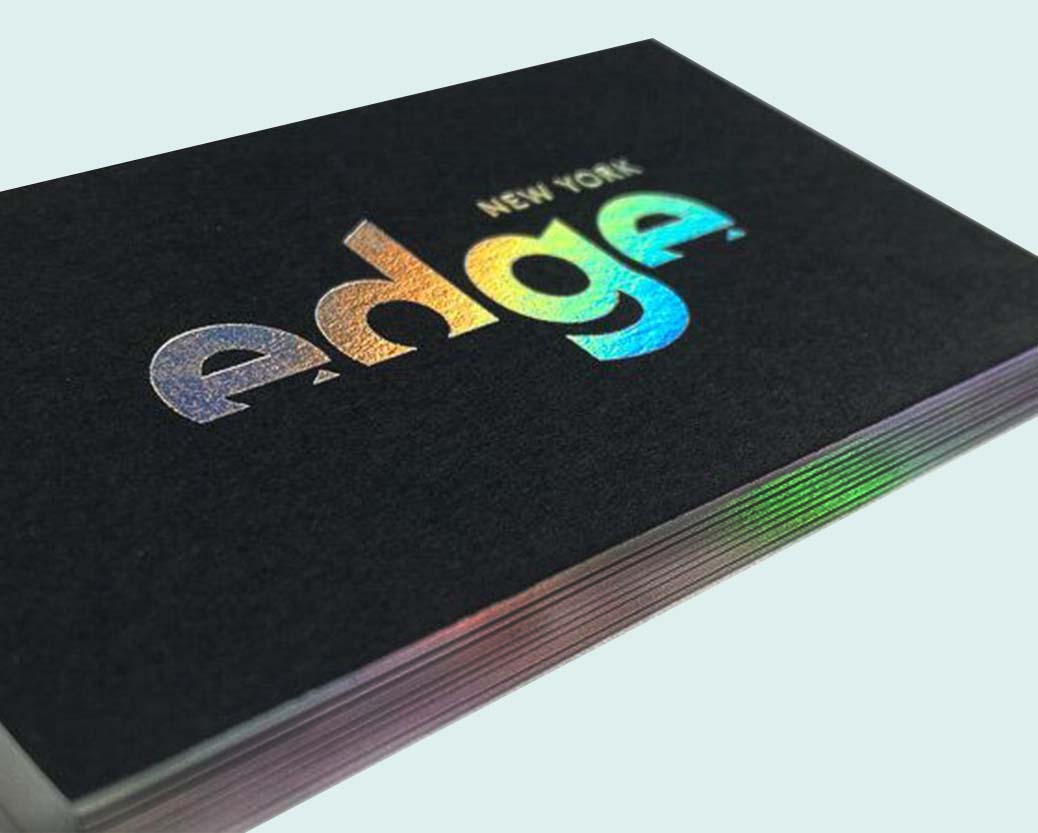
Holographic foil refracts light, creating a stunning rainbow effect from different angles.
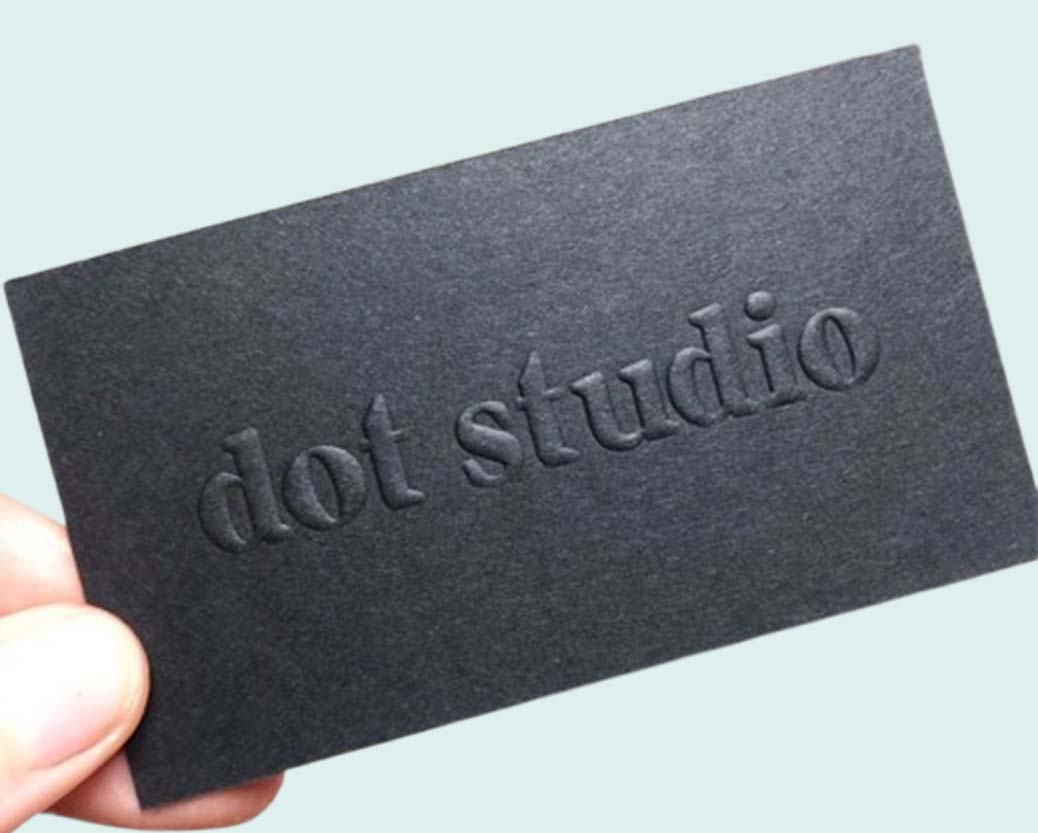
Our embossing technique captures the finest details, adding depth and elegance to your packaging.
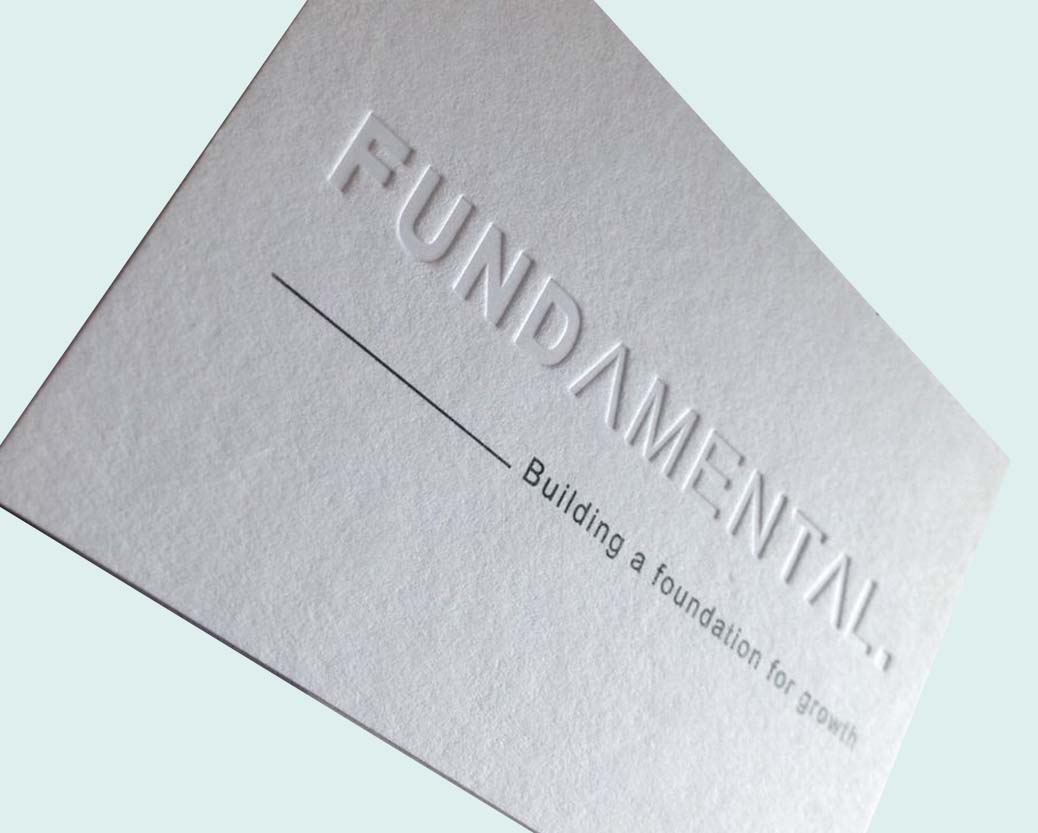
Our debossing technique imprints unique graphics into your packaging, creating a refined and tactile effect.
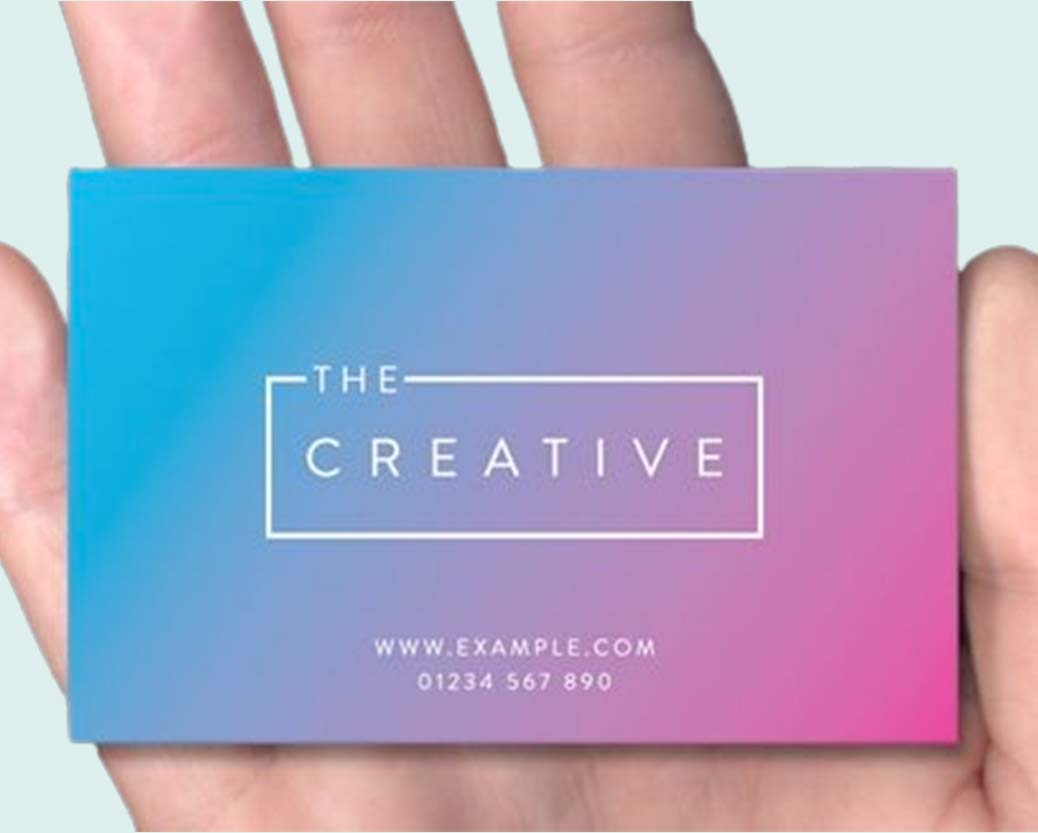
Our matte finish reduces the visibility of fingerprints and smudges, keeping your packaging looking clean and refined.
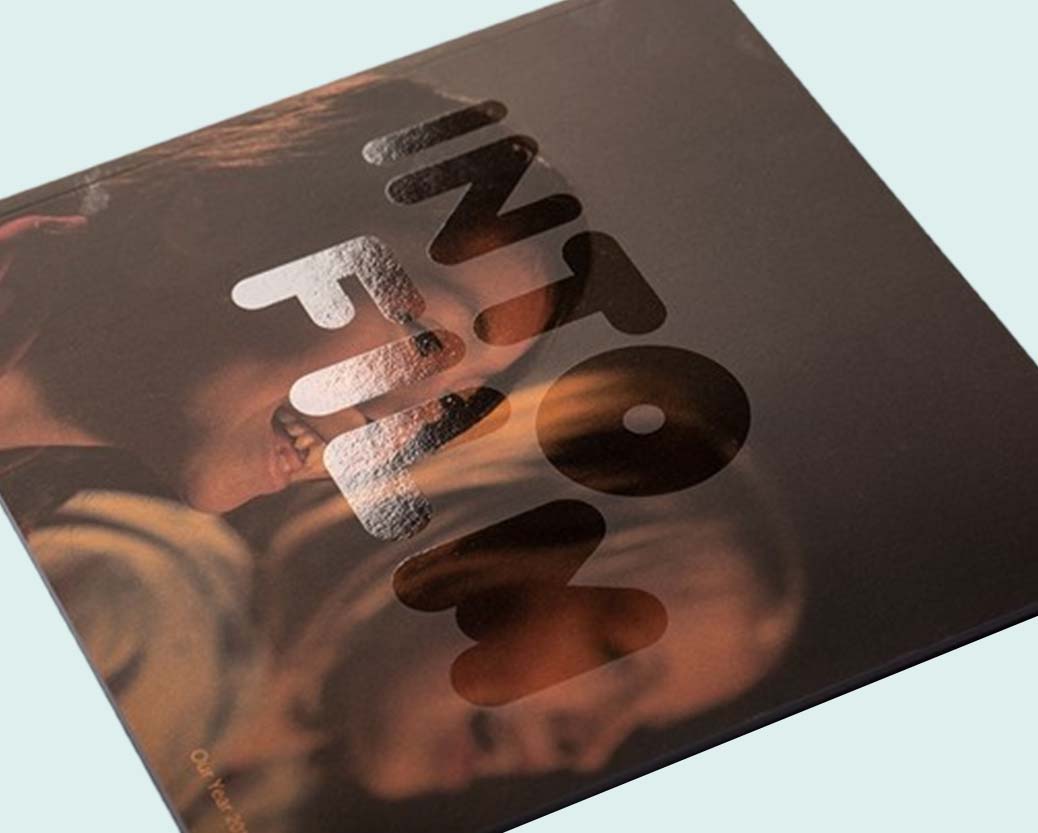
We apply a soft-touch lamination that adds an extra layer of protection, preventing toner chipping.
Start with the product, not the box
Most first-time packaging buyers in Palm Coast begin by asking which box looks best. That's the wrong end of the problem. The box that photographs well on a competitor's Instagram may be the wrong weight for your product, the wrong construction for how you pack, and the wrong stock for how it ships out of Florida.
The sequence that actually works is: product first, then handling, then shipping route, then aesthetics. Get the first three right and the fourth becomes a short conversation about finish. Get them wrong and you'll pay twice, once for the run and once for the reprint.
This page walks through that sequence the way our team walks a new customer through it on the phone.
Step one: what are you packing?
Candles, soaps and bath products. These are the most common first orders we take from home-based Palm Coast sellers. Soap moves in small tuck-end cartons, often kraft, often with a die-cut window. Candles need more thought because glass vessels are heavy for their size and unforgiving if they shift. A 8oz jar candle in a loose box will chip its own lid in transit. Either size the carton to within an eighth of an inch or add a corrugated insert.
Baked goods and prepared food. Grease resistance is the deciding factor. Standard coated cardboard handles dry goods fine, but anything with butter or oil needs a grease-resistant liner or the panel will stain within hours. If you're selling at a farmers market and the customer carries the box home in a hot car, this matters more here than it would in a cooler climate.
Apparel, prints and soft goods. Low protection needed, high branding value. Mailer boxes or rigid two-piece boxes with tissue. This is where finish spend pays for itself, because the product isn't fragile and the box is doing pure marketing work.
Jewellery, watches and gift sets. Rigid board, 28pt and up, usually with a foam or velvet insert. Non-collapsible, holds shape indefinitely, and customers keep it. The cost per unit is several times a folding carton, which only makes sense above a certain product price point.
Subscription and e-commerce. Corrugated mailer boxes, printed inside and out. The interior print is the part most sellers skip and the part customers photograph.
Step two: packing for Florida heat and humidity
This is the section most packaging suppliers leave off a Florida page, and it's the one that costs local sellers money.
Paperboard and corrugated board are hygroscopic. They absorb moisture from the air, and their strength ratings are measured in a lab at around 50% relative humidity. Palm Coast sits well above that for much of the year. As board takes on moisture, its stacking and compression strength drops significantly — at sustained high humidity, a corrugated case can lose a large share of the strength printed on its certificate. Practical consequences:
- Don't stack unsealed inventory high in an un-airconditioned garage or storage unit. Boxes at the bottom of a tall stack will bow. Store flat stock in sealed poly, off the concrete, in conditioned space where you can.
- Uncoated kraft absorbs faster than coated stock. If your product sits in humid storage or ships in summer, a matte or gloss lamination gives the panel a moisture barrier and keeps the print from softening.
- Spec up a grade if you're shipping in summer. Moving from 18pt to 22pt cardboard, or from single-wall to a heavier corrugated flute, costs a little per unit and prevents a lot of crushed arrivals between June and September.
- Glued seams are affected too. Adhesive bonds are weaker on damp board. If your boxes are being assembled by hand at high humidity, let them acclimate in the room where you'll pack rather than opening them straight out of a hot delivery van.
There's a scheduling point as well. Hurricane season runs June through November, and Florida carrier networks slow down or suspend during named storms. If you have a Q4 launch or a holiday market season, order your packaging by early autumn rather than betting on a November delivery window.
Step three: what it actually costs
There's no fixed price per box, because a box isn't a fixed product. Four variables move the quote:
Quantity does the most work. Setup cost is spread across the run, so the per-unit price falls sharply as volume rises. The steepest drops are typically between 100 and 500 units, and again between 1,000 and 5,000. If you know you'll reorder within six months, the larger run now is almost always cheaper in total than two small ones.
Stock and thickness. 14pt to 18pt cardboard covers most retail products. 20pt to 24pt for heavier contents. Corrugated for shipping. Rigid board costs several times a folding carton because it's a different manufacturing process, not just heavier paper.
Print coverage. A design with white space costs less than full-bleed colour across every panel. Adding one or two PMS spot colours on top of CMYK costs more but is the only reliable way to match a brand colour exactly across batches.
Finishing. Each of lamination, spot UV, foil stamping and embossing is a separate pass. Combining three of them on one box is where budgets quietly double.
What you are not charged for: the custom die, the printing plates, or design time. On a comparable quote elsewhere, those three line items commonly add several hundred dollars to a first order.
Step four: your first order, start to finish
- Send dimensions and quantity through the quote form on this page. Measure the product, not a guess, and add roughly an eighth of an inch clearance per dimension. Length by width by height, measured inside.
- Get pricing within 24 hours. If you're unsure between two quantities, ask for both and compare the per-unit figures.
- Approve the quote, receive a dieline and 3D mockup. Our design team builds these free. Revisions are free too.
- Request a physical sample if the stock choice matters to you. Available on request. Worth doing before a large first run.
- Approve the proof and go to production. Standard turnaround is 7–8 business days, then transit to your Palm Coast address with free shipping. Boxes arrive flat.
Mistakes we see on first orders
Ordering too few. A 100-unit run carries almost the same setup as a 500-unit run, so the per-box price is dramatically worse. If the product is proven, order the larger quantity.
Designing before knowing the dieline. Artwork laid out on a rectangle rarely survives contact with real fold lines, glue flaps and tuck panels. Ask for the dieline first, then design onto it.
Ignoring the inside of the box. Interior print costs less than most people assume and does more for repeat purchase than another finish on the outside.
Sending low-resolution artwork. 300 DPI in CMYK, vector where possible. RGB files will shift colour on press. We accept AI, PDF, PSD, EPS, CDR, SVG, JPG and PNG, and will rebuild artwork for you if all you have is a logo.
Delivery across Flagler County
We ship free to Palm Coast and the surrounding area, including Flagler Beach, Bunnell, Ormond Beach and the wider Volusia and St. Johns corridor. We operate online rather than from a Palm Coast facility, so everything runs through the quote form, email or phone.