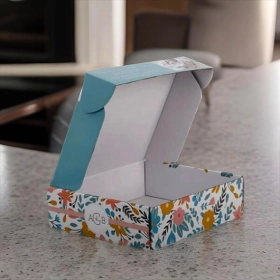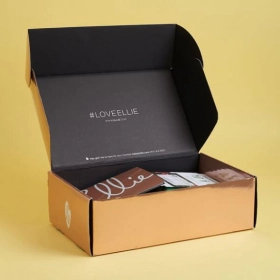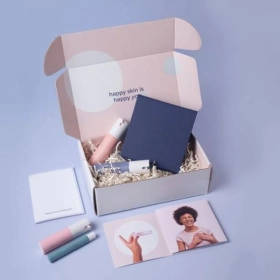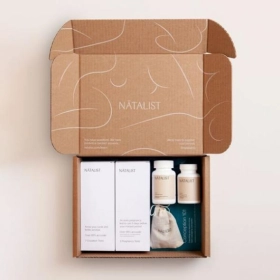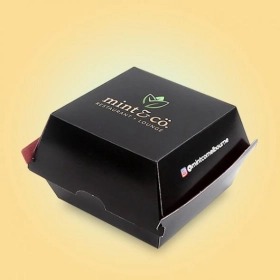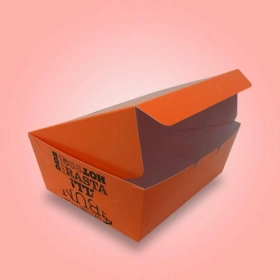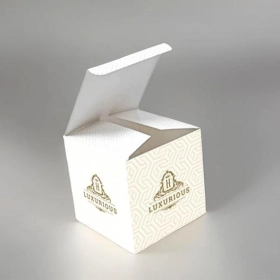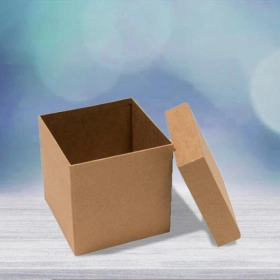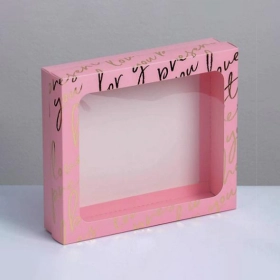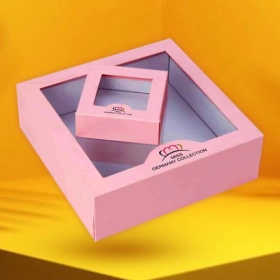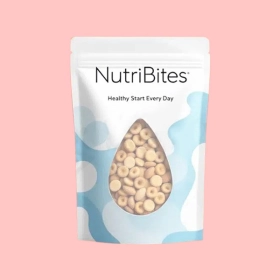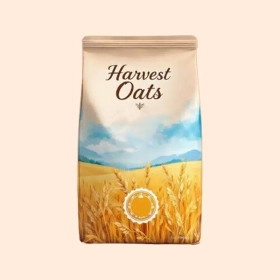





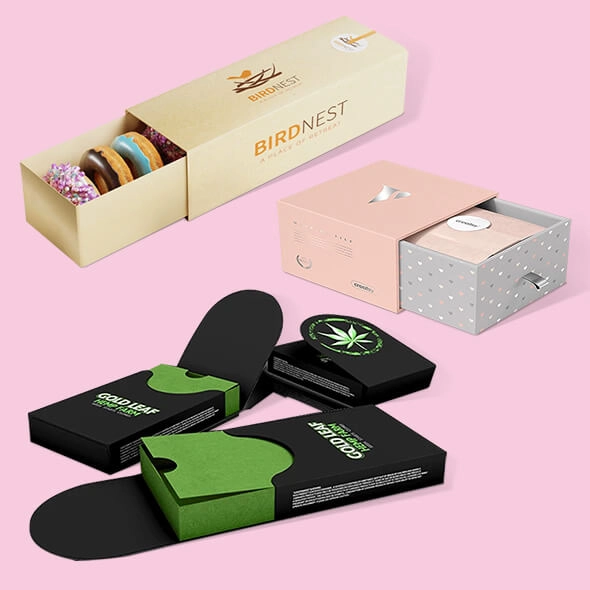
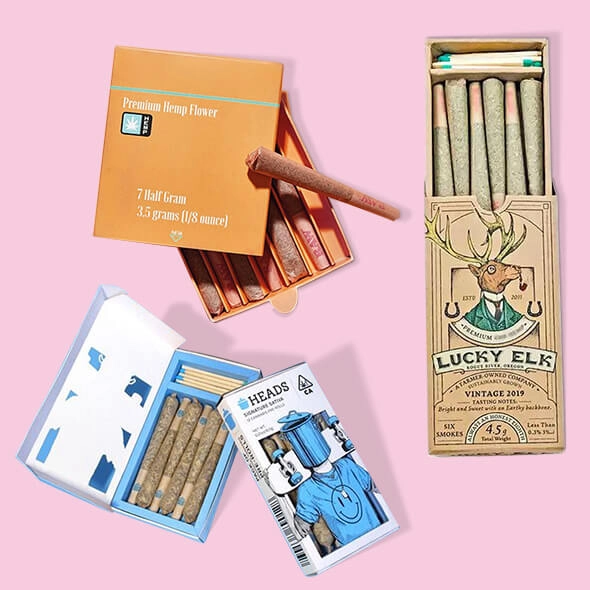
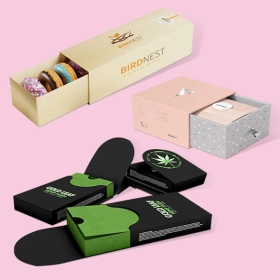
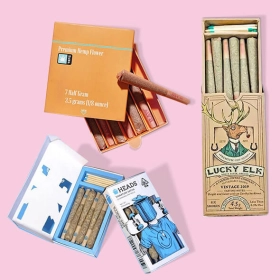












| Box Style | As Mention Above |
|---|---|
| Dimension (L + W + H) | All Custom Sizes & Shapes |
| Minimum Run ( For Boxes and Mylar Bags) | 100 Boxes - 1000 Mylar Bags ( 500 each design) |
| Paper Stock | 10pt to 28pt (60lb to 400lb) Eco-Friendly Kraft, E-flute Corrugated, Bux Board, Cardstock |
| Printing | No Printing, CMYK, CMYK + 1 PMS color, CMYK + 2 PMS colors |
| Finishing | Gloss Lamination, Matte Lamination, Gloss AQ, Gloss UV, Matte UV, Spot UV, Embossing, Foiling |
| Included Options | Die Cutting, Gluing, Scored,Perforation |
| Additional Options | Eco-Friendly, Recycled Boxes, Biodegradable |
| Proof | Flat View, 3D Mock-up, Physical Sampling (On request) |
| Turnaround | 7 - 8 Business Days |
| Shipping | FLAT Position |
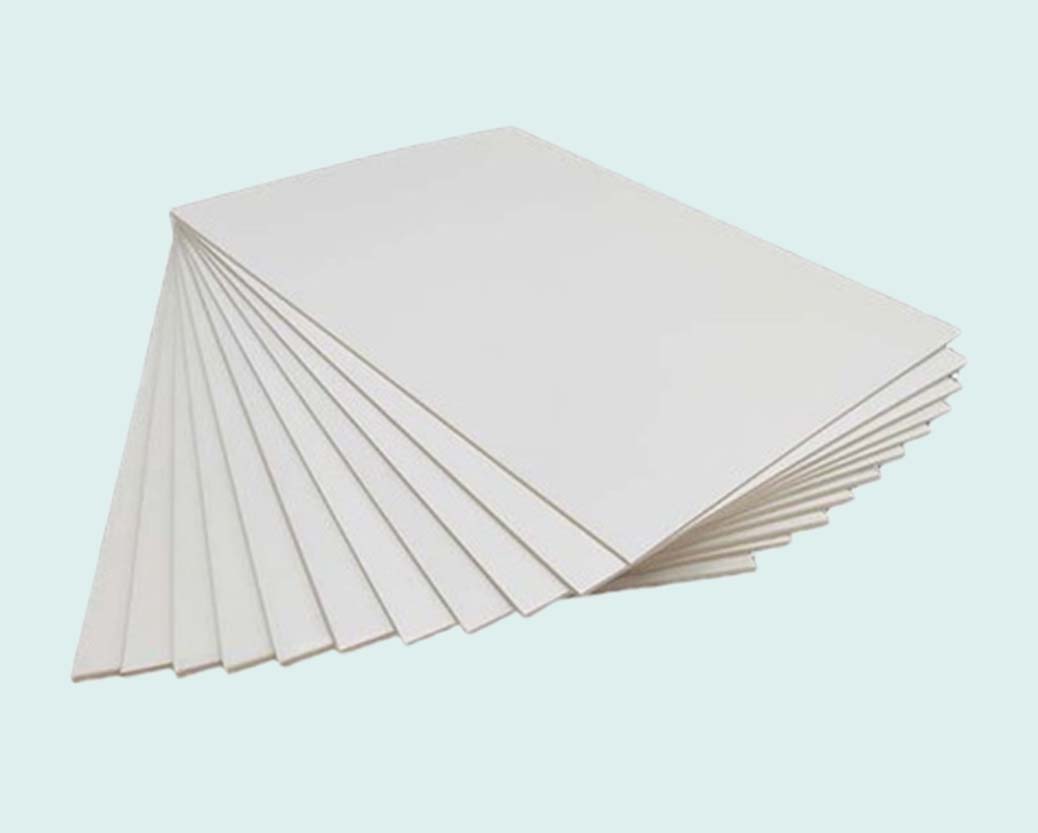
We use eco-friendly cardboard materials designed to minimize environmental impact and reduce waste.
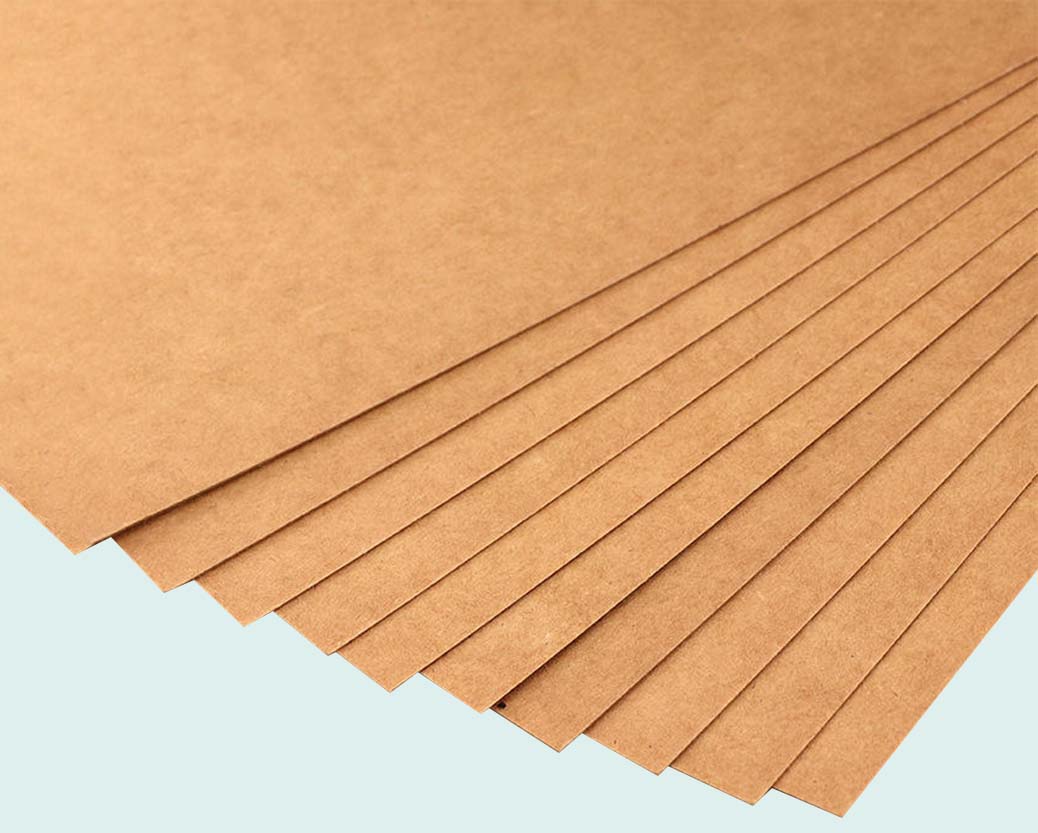
Kraft paper is a sturdy, durable, and dependable material used across multiple industries.
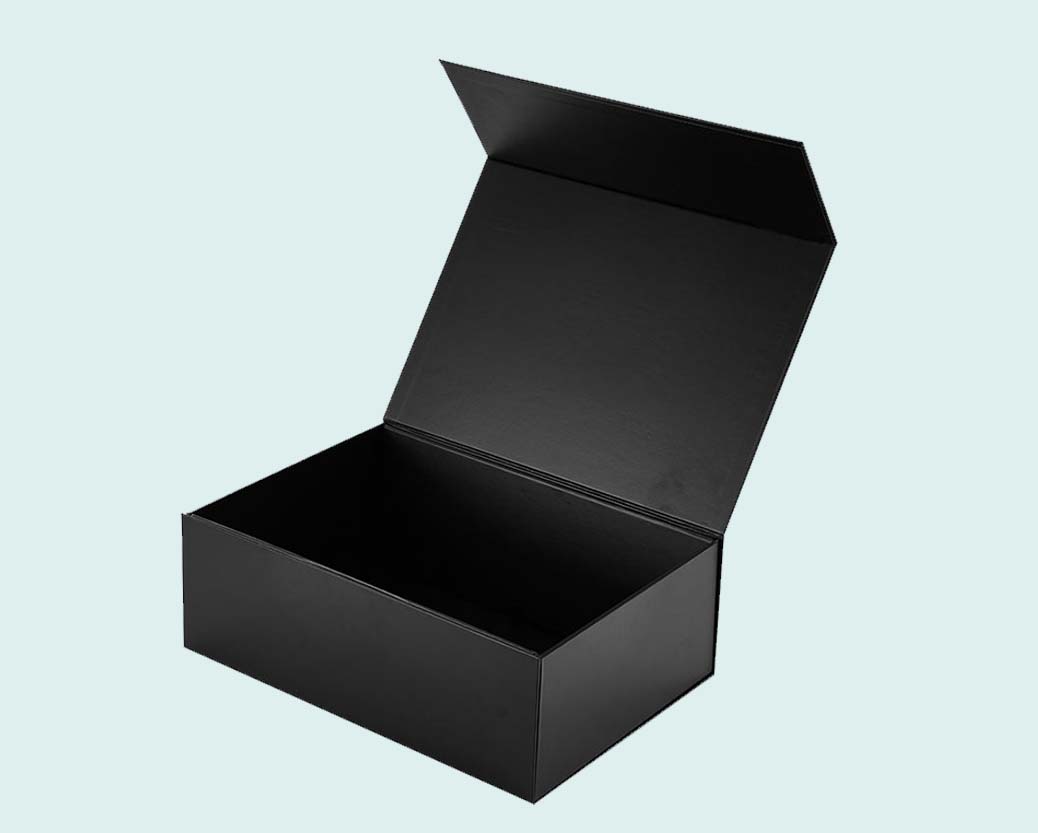
Rigid material is highly protective, cost-effective, and recyclable, offering maximum durability and security.
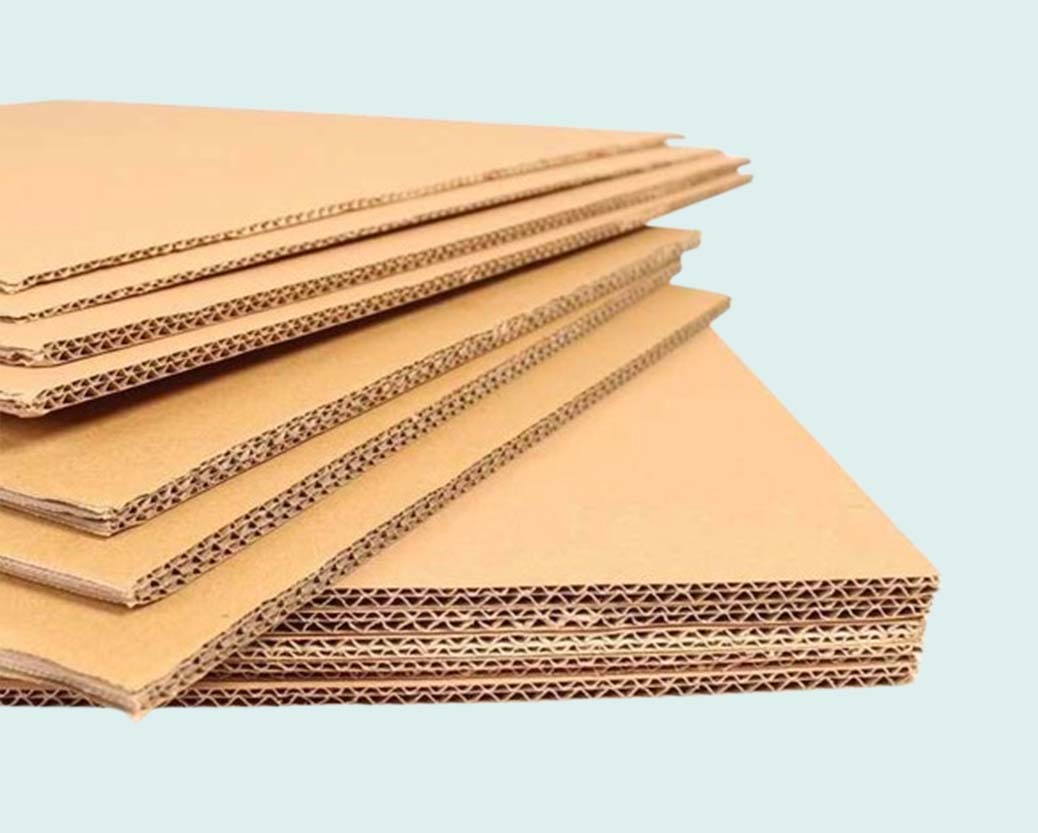
Corrugated material is customizable, cost-effective, and sustainable, making it an excellent choice for branding and shipping.
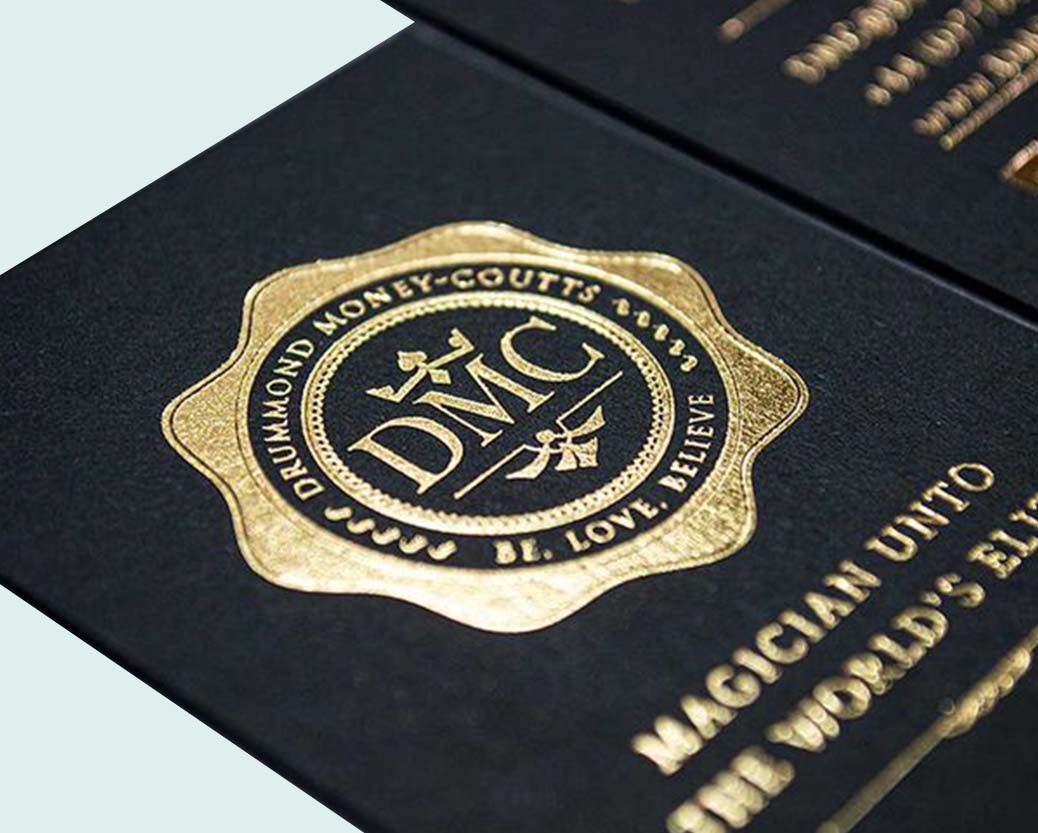
Enhance your product packaging with our premium foil stamping for a sophisticated touch.
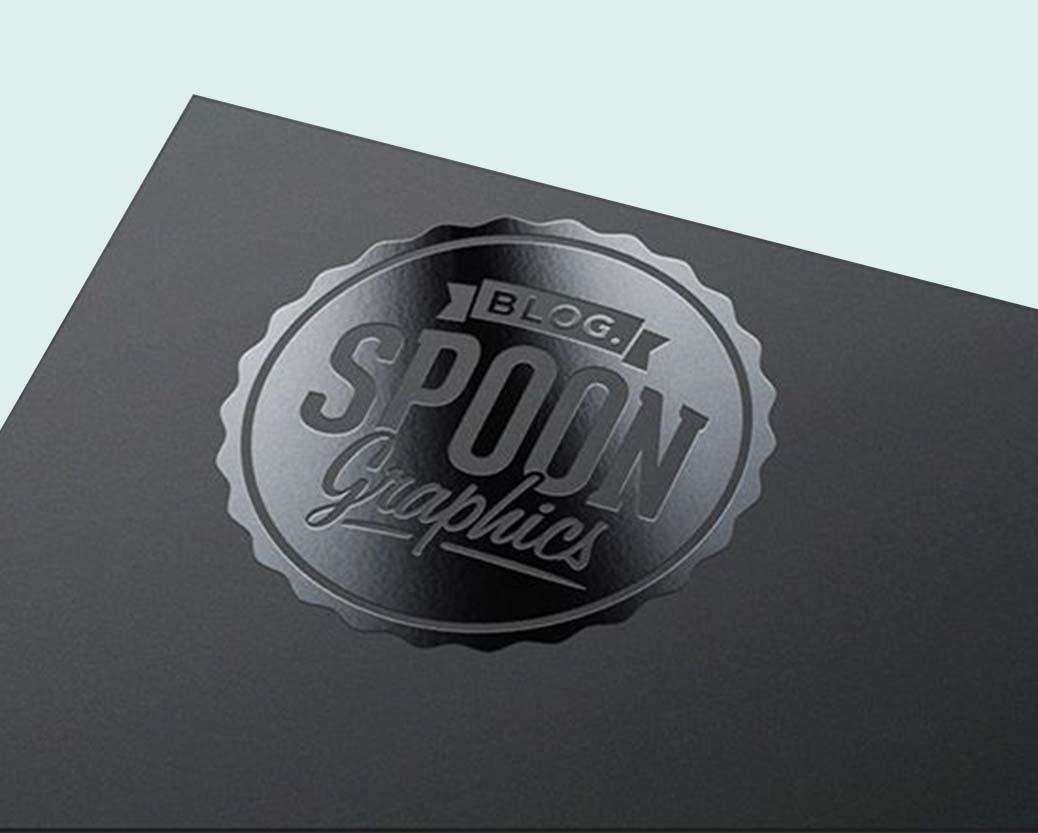
Our high-gloss UV coating enhances shine and provides a sleek, protective finish to your printed materials.
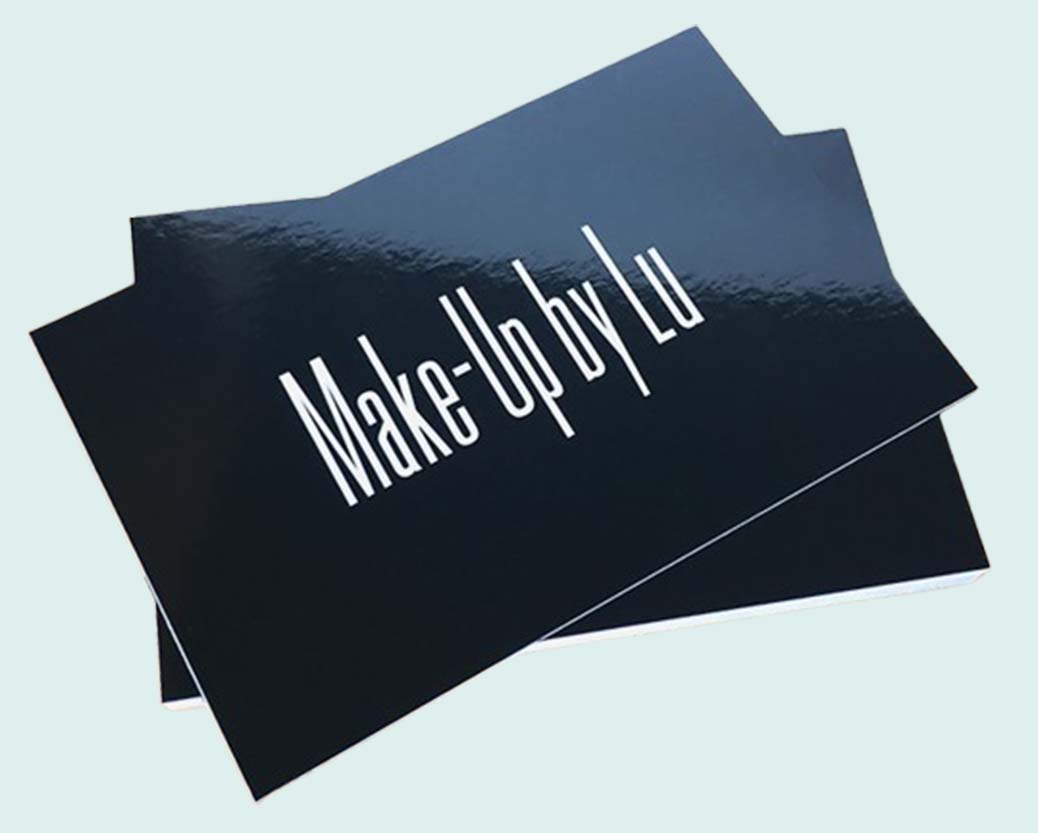
Our glossy finish adds a sleek, eye-catching shine to your packaging.
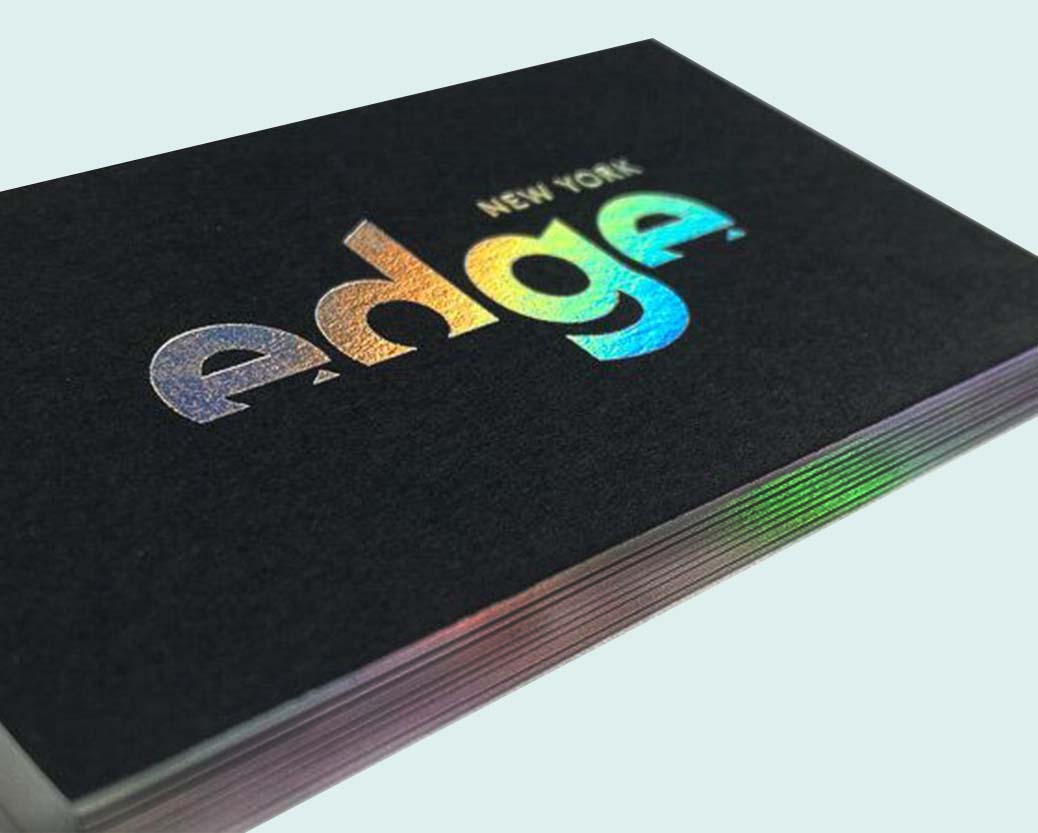
Holographic foil refracts light, creating a stunning rainbow effect from different angles.
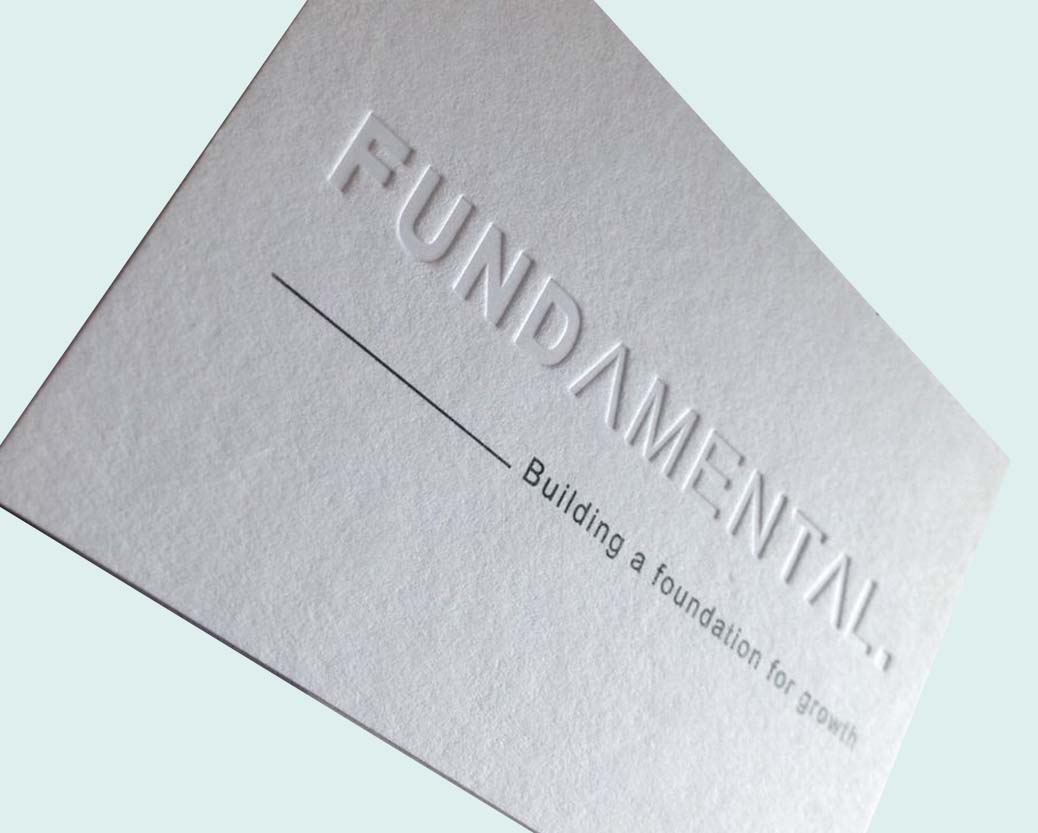
Our embossing technique captures the finest details, adding depth and elegance to your packaging.
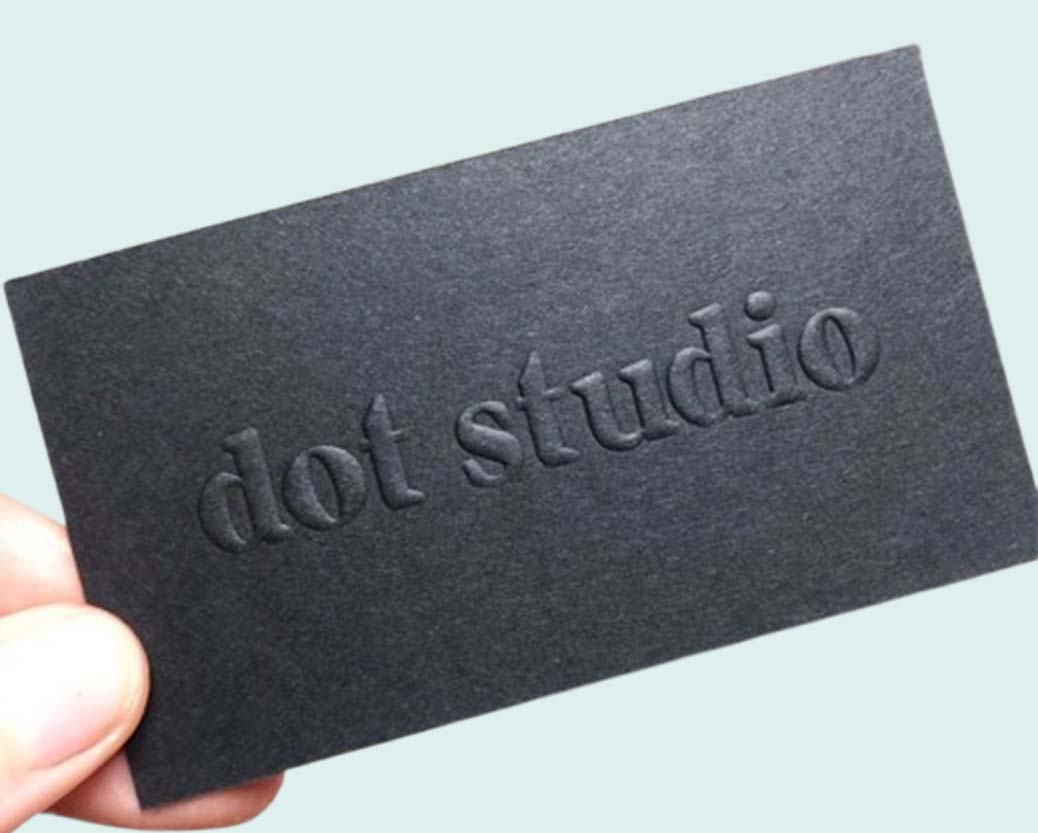
Our debossing technique imprints unique graphics into your packaging, creating a refined and tactile effect.
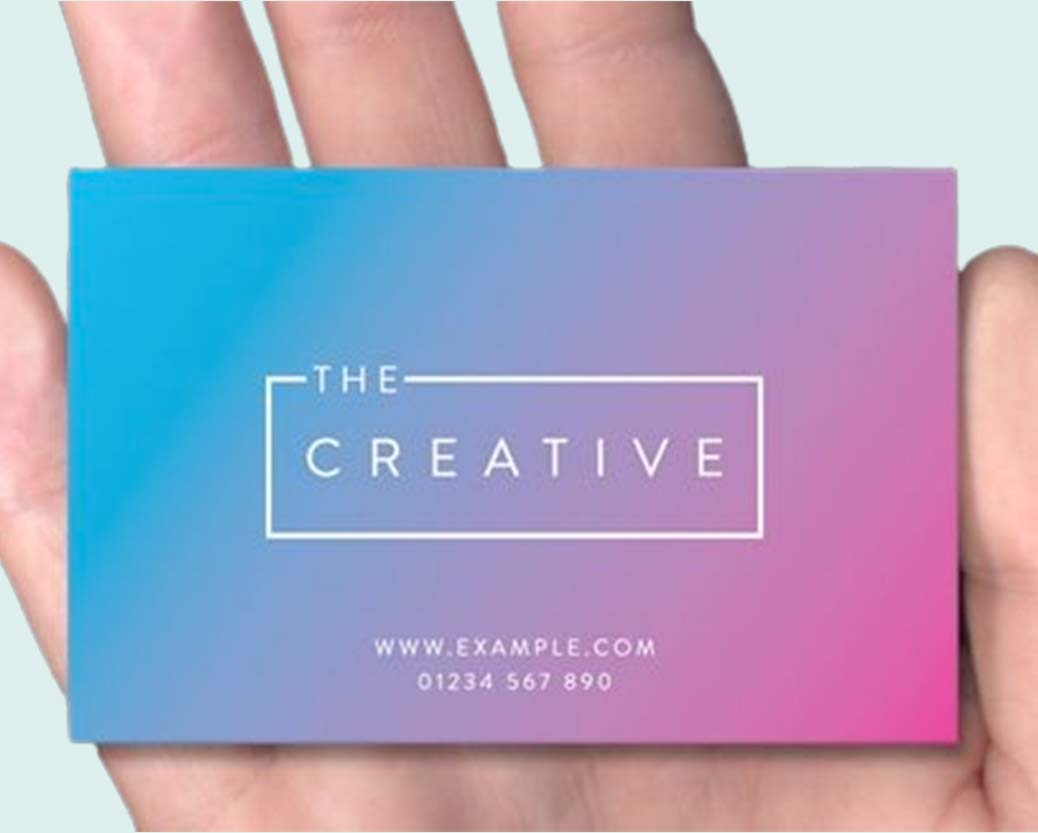
Our matte finish reduces the visibility of fingerprints and smudges, keeping your packaging looking clean and refined.
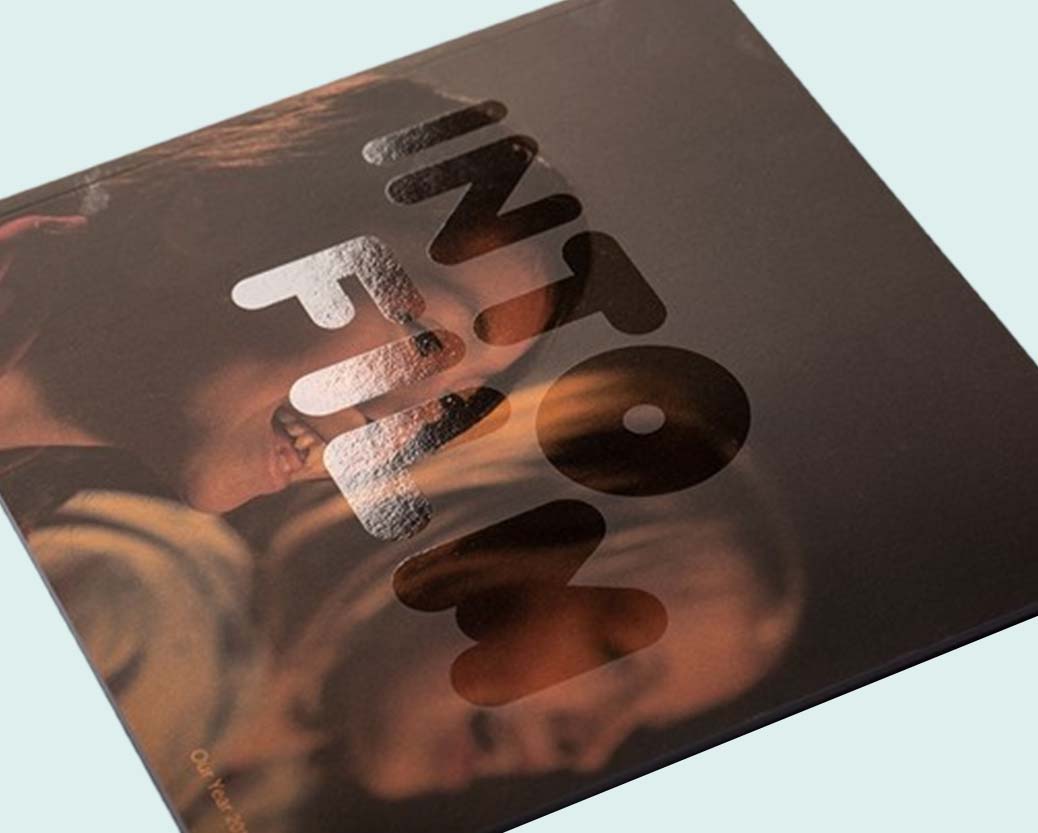
We apply a soft-touch lamination that adds an extra layer of protection, preventing toner chipping.
The channel decides the box
Ask most packaging suppliers what box you need and they'll ask what your product is. That's half the question. The other half is where it sells, because the same jar of honey needs a completely different package depending on whether it's handed over at a farm stand in Peace Dale, shipped to a customer in Providence, or sitting on a shelf in a shop that expects a case pack and a scannable barcode.
South Kingstown producers tend to move through all three stages, often within two or three years. Market stall first, then a website, then wholesale accounts across Washington County and beyond. Each step adds requirements the previous one didn't have. Ordering as though you're already at stage three costs money you don't need to spend. Ordering only for stage one means reprinting the moment a buyer says yes.
Here's what changes at each step
Stage one: selling it in person
At a farmers market, a farm stand or your own counter, you are standing next to the product. You explain it. The packaging doesn't have to work unsupervised, which removes most of the constraints.
What actually matters here:
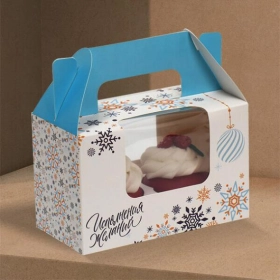
Carrying. People walk. If they buy three things, they need to hold three things. A box that stacks or a gable-style carton with a handle sells better than one that doesn't, and it's a real reason customers buy the second and third item.
Weather. Coastal Rhode Island markets run through salt air and unpredictable summer weather. Uncoated kraft looks right for an artisan product but softens quickly in damp conditions. A light matte lamination keeps the appearance without changing the aesthetic much.
Cost per unit at low volume. This is the constraint that decides everything at this stage. Keep the construction simple. A one-piece tuck-end carton with a two-colour design costs a fraction of a foiled and spot-UV'd box and sells just as well when you're there to talk about it.
Skip at this stage: barcodes, case packs, tamper evidence, elaborate finishing.
Stage two: shipping it yourself
The moment you ship, the box has to survive a journey and arrive without you there to explain it. Different problem entirely.
Two boxes, not one. Your retail carton and your shipping box are separate jobs. Trying to make one carton do both usually means a retail box that's too heavy or a shipper that looks disappointing. A printed corrugated mailer around a simple retail carton solves both cleanly.
Size it to the product. Carriers charge on dimensional weight, so shipping a small item in an oversized box means paying for air on every order. Boxes cut to your product's actual dimensions frequently recover their cost in freight alone, before you count the void fill you stop buying.
Print the inside. Interior printing is inexpensive relative to what it does. It's the moment the customer photographs, and for a South Kingstown brand with a story about the water or the farm, it's the panel where that story fits without cluttering the outside.
Test the drop. Before you commit to a run, pack a sample the way you'll actually pack it and ship one to yourself. It's the cheapest quality test available.
Stage three: wholesale into shops
This is where most producers get caught out, because a shop buyer's requirements arrive all at once and none of them were on your radar.
A scannable barcode. If you're going into any store that runs a POS system, you need a UPC, and it has to scan first time. Three things break barcodes on packaging: insufficient quiet zone (the clear margin either side of the bars), poor contrast, and placement over a fold or a curve. Dark bars on a light background scan; red bars generally don't, because scanners read red light and the bars vanish. Printing a barcode directly onto brown kraft is a common and expensive mistake. If you want kraft, put the barcode in a printed white panel.
A shelf-stable facing. Buyers think in shelf inches. A box that won't stand up on its own, or that's an awkward width, is harder to place. Ask the buyer what depth their shelving is before you finalise dimensions.
A case pack. Shops order by the case, not the unit. You need to decide how many units per case, whether the case is printed or plain, and what goes on the case label. A 12-count or 6-count shipper that opens into a display tray is worth asking about, because it saves the shop staff time and that makes reordering easier.
Required label copy. Food, beverage, cosmetic and supplement products each carry labelling obligations covering things like the product identity, net quantity, ingredients, allergens and a responsible-party name and address. What's required depends on your product category and how you're regulated, so check current FDA guidance and the Rhode Island Department of Health for your category, or have a labelling consultant review the artwork, before you print a run. What we can do is make sure the panel space exists to carry it.
Panel real estate: plan it before you design
This is the step that saves reprints. Before any design work starts, list everything that must physically appear on the box:
- Brand name and product identity
- Net weight or volume
- Ingredients and allergen statement, if applicable
- Responsible party name and address
- Barcode, with its quiet zone
- Any certification marks, recycling marks or lot and date coding
- Storage or use instructions
Then decide which panel each lives on. Front panel carries identity and the visual. A side or back panel carries the required copy. The barcode gets a flat, uninterrupted area with light background, not spanning a crease.
Do this on the dieline, not on a rectangle. Artwork designed on a flat shape and then dropped onto a real dieline frequently discovers that the glue flap eats a third of the back panel. We supply the dieline free with every quote, and the 3D mockup, so you can see exactly what survives folding.
Do you need three separate boxes?
Not necessarily. A common structure that carries a producer through all three stages is one printed retail carton, plus a plain or lightly printed corrugated shipper used both for direct orders and for wholesale case packs. Two SKUs of packaging, not three. Design the retail carton to stage-three requirements from the start, including the barcode panel even if you don't populate it yet, and you can grow into wholesale without reprinting.
Ordering around a seasonal year
Washington County's retail year is front-loaded into summer. If Memorial Day through Labor Day is when most of your volume moves, then your packaging decision happens in late winter, not in June.
Production runs 7–8 business days after proof approval, plus transit. Add time for the dieline, the mockup, a physical sample and at least one round of revisions, and a realistic timeline from first enquiry to boxes on your shelf is four to six weeks for a first order that you've never run before. Reorders of an approved spec are much faster.
Practical version: if you want packaging for the summer season, start the conversation in February or March. If you're pitching wholesale accounts for a fall or holiday placement, have the retail-ready carton finished before you pitch, because buyers decide faster when they can hold the finished thing.
Serving South Kingstown and Washington County
We supply businesses across South Kingstown, including Wakefield, Peace Dale, Kingston, Matunuck and Snug Harbor, and the surrounding Washington County towns, with free delivery on quoted orders. We're an online supplier rather than a Rhode Island facility, so everything runs through the quote form, email or phone.