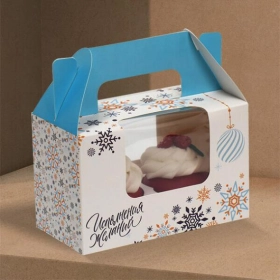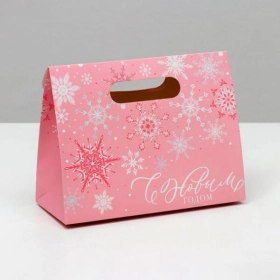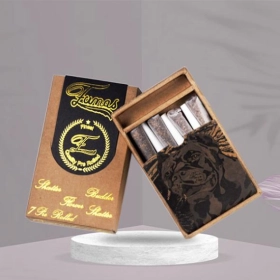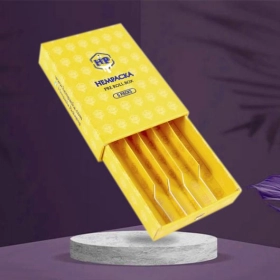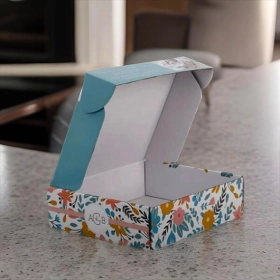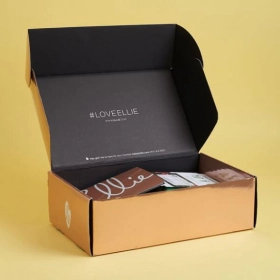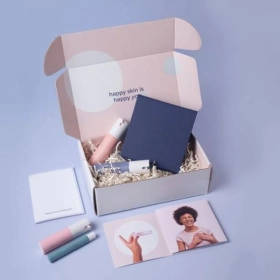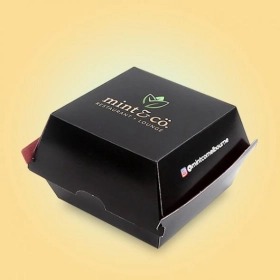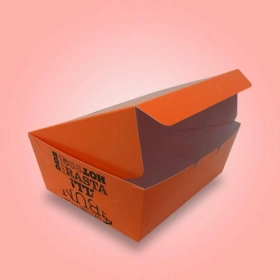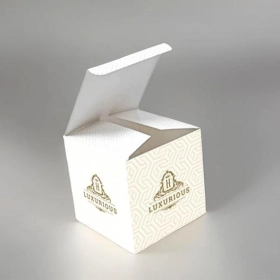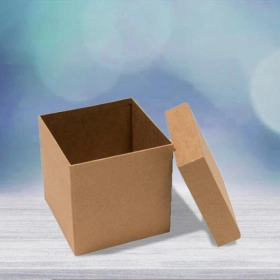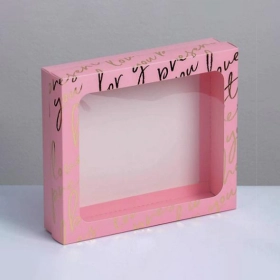





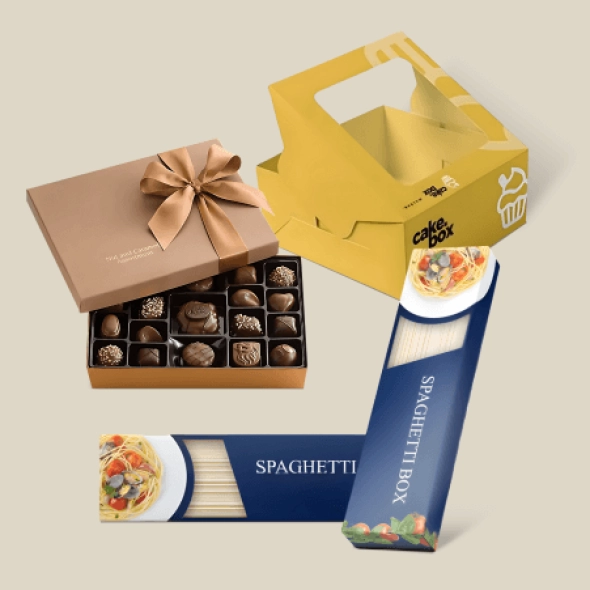

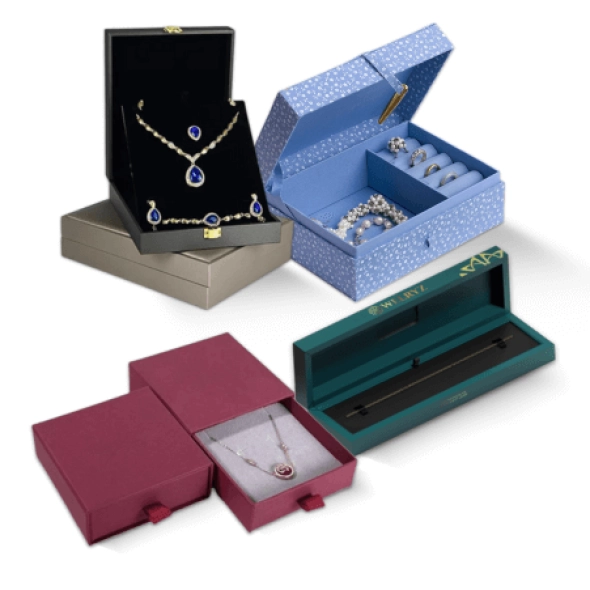














| Box Style | As Mention Above |
|---|---|
| Dimension (L + W + H) | All Custom Sizes & Shapes |
| Minimum Run ( For Boxes and Mylar Bags) | 100 Boxes - 1000 Mylar Bags ( 500 each design) |
| Paper Stock | 10pt to 28pt (60lb to 400lb) Eco-Friendly Kraft, E-flute Corrugated, Bux Board, Cardstock |
| Printing | No Printing, CMYK, CMYK + 1 PMS color, CMYK + 2 PMS colors |
| Finishing | Gloss Lamination, Matte Lamination, Gloss AQ, Gloss UV, Matte UV, Spot UV, Embossing, Foiling |
| Included Options | Die Cutting, Gluing, Scored,Perforation |
| Additional Options | Eco-Friendly, Recycled Boxes, Biodegradable |
| Proof | Flat View, 3D Mock-up, Physical Sampling (On request) |
| Turnaround | 7 - 8 Business Days |
| Shipping | FLAT Position |
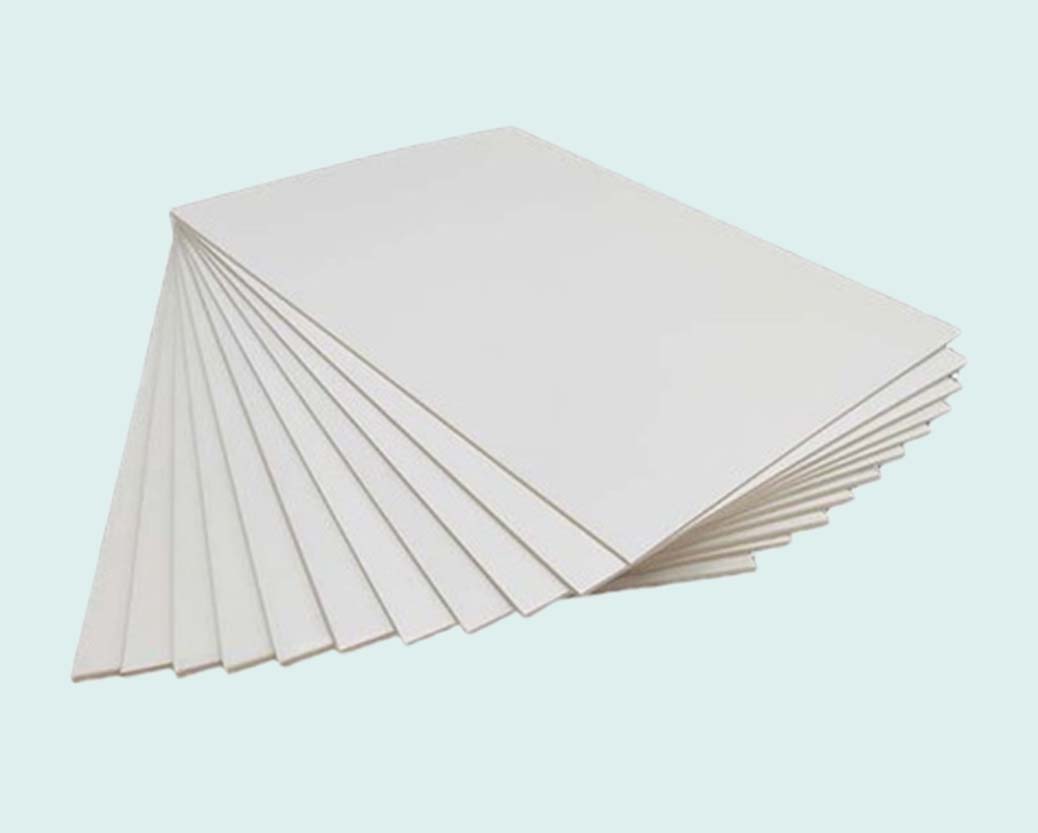
We use eco-friendly cardboard materials designed to minimize environmental impact and reduce waste.
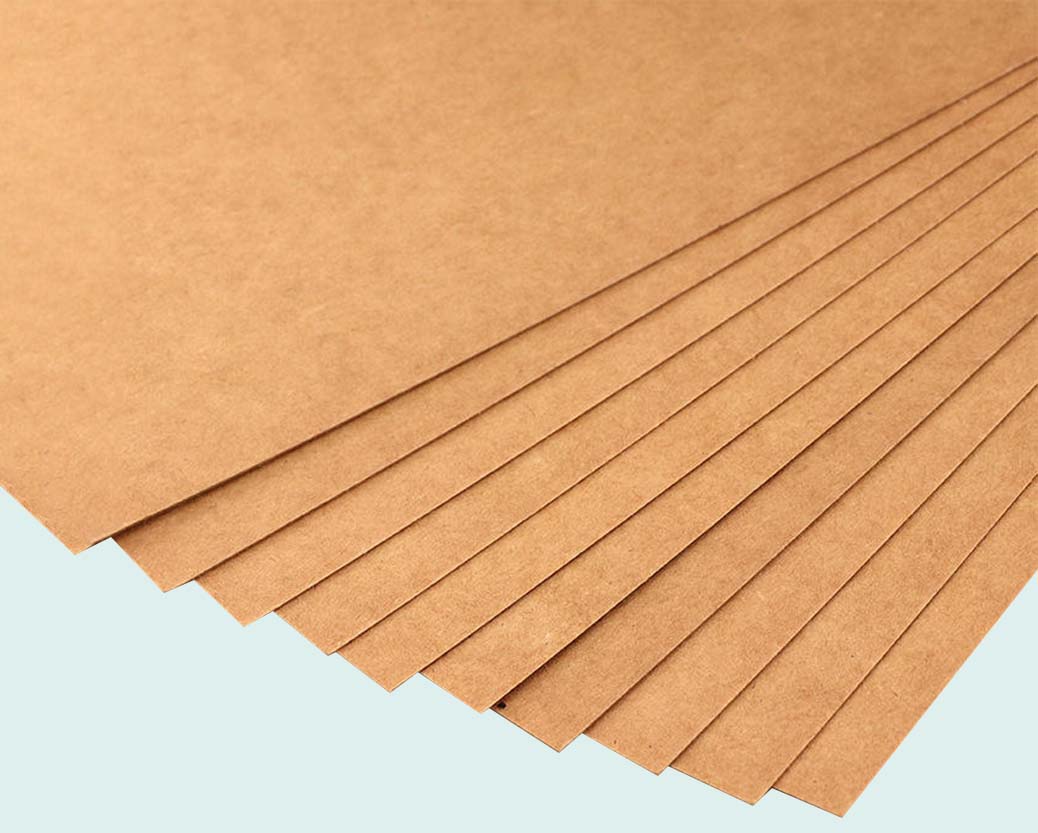
Kraft paper is a sturdy, durable, and dependable material used across multiple industries.
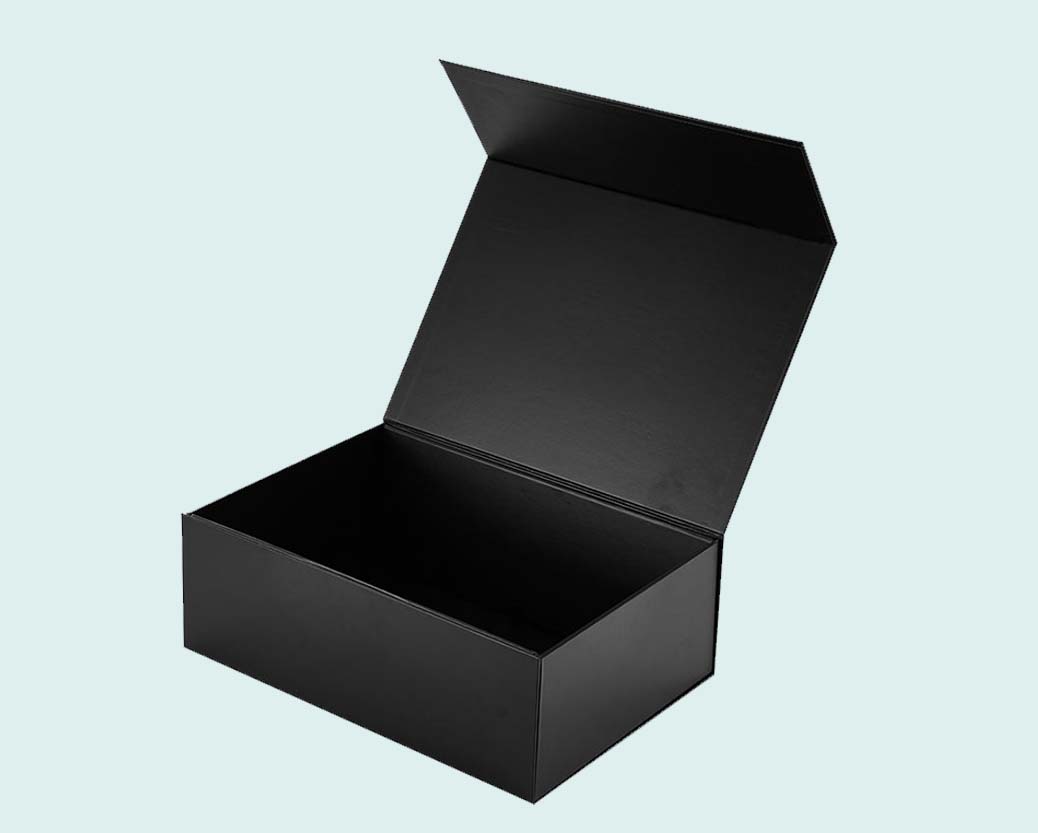
Rigid material is highly protective, cost-effective, and recyclable, offering maximum durability and security.
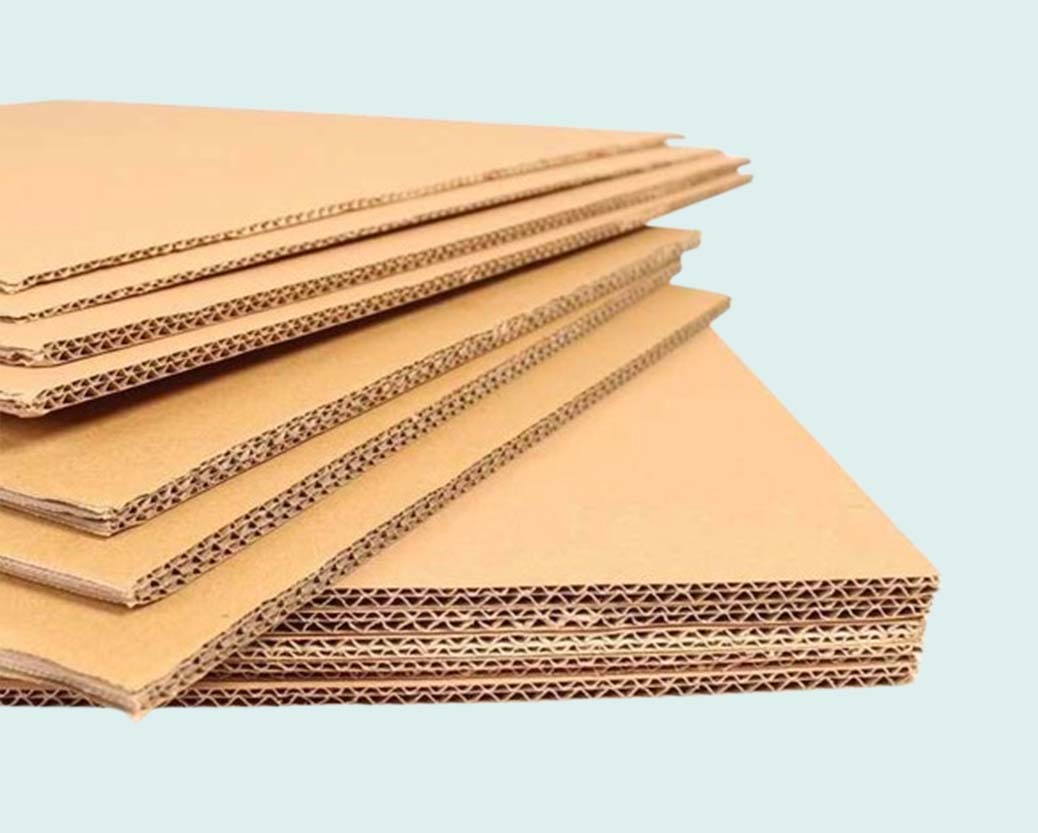
Corrugated material is customizable, cost-effective, and sustainable, making it an excellent choice for branding and shipping.
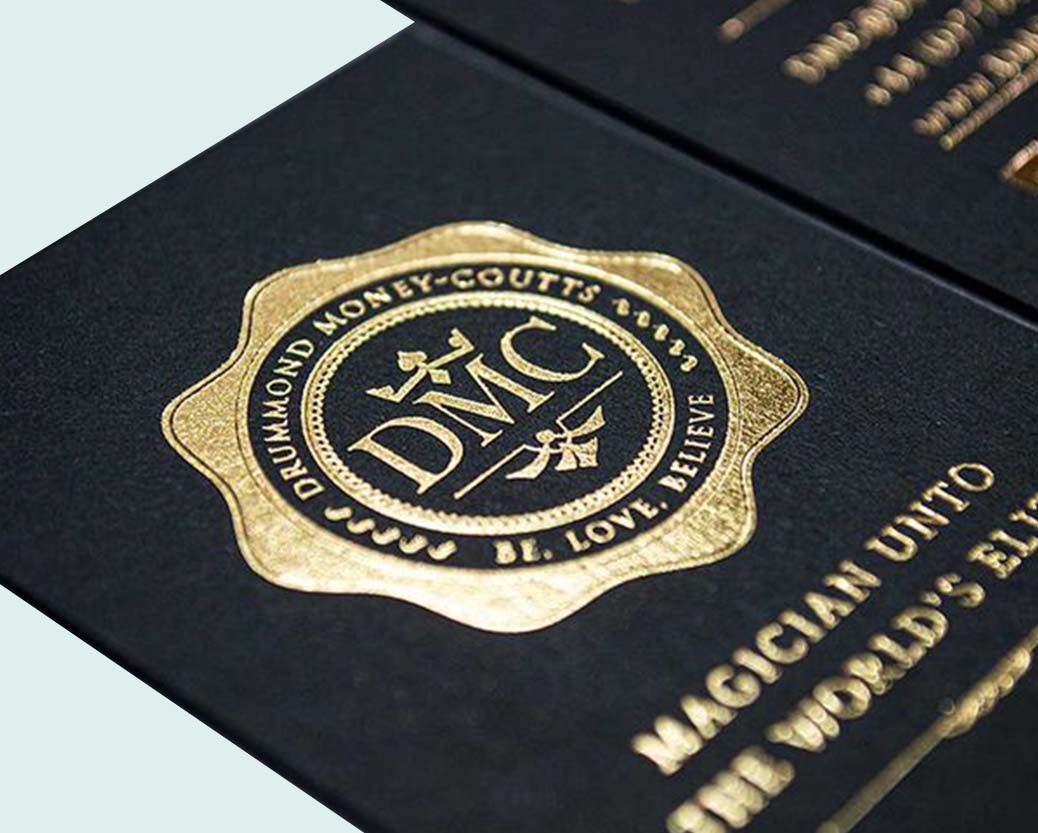
Enhance your product packaging with our premium foil stamping for a sophisticated touch.
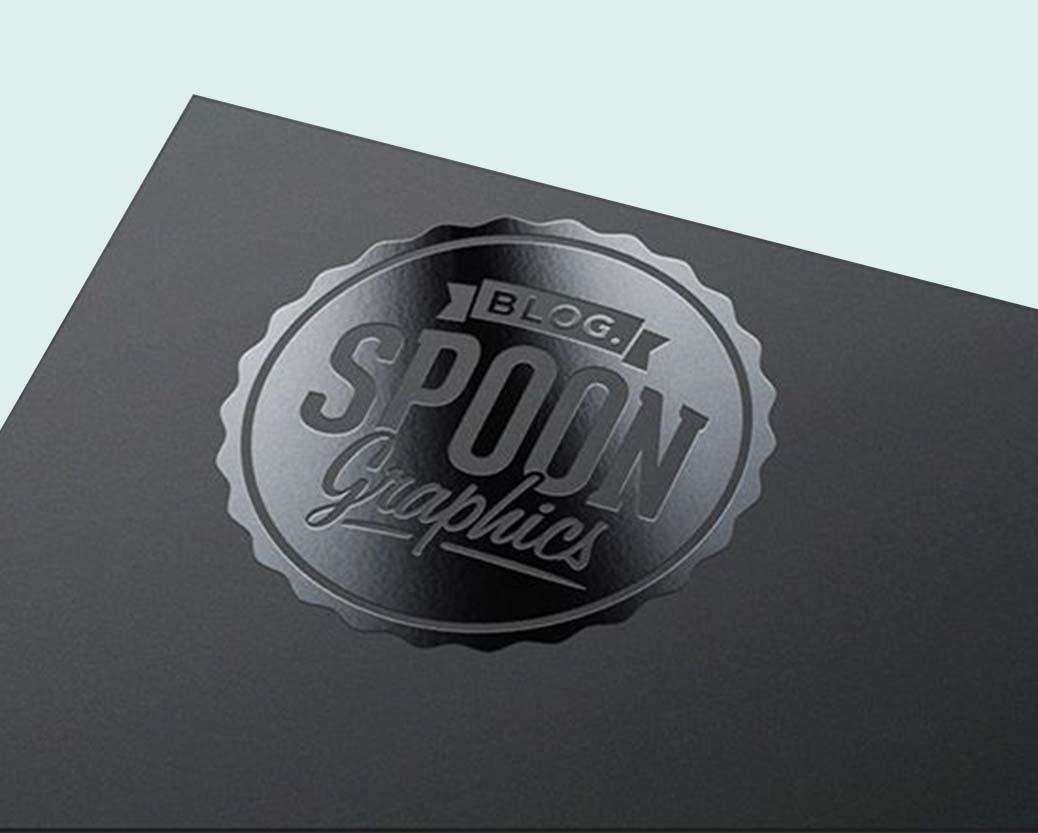
Our high-gloss UV coating enhances shine and provides a sleek, protective finish to your printed materials.
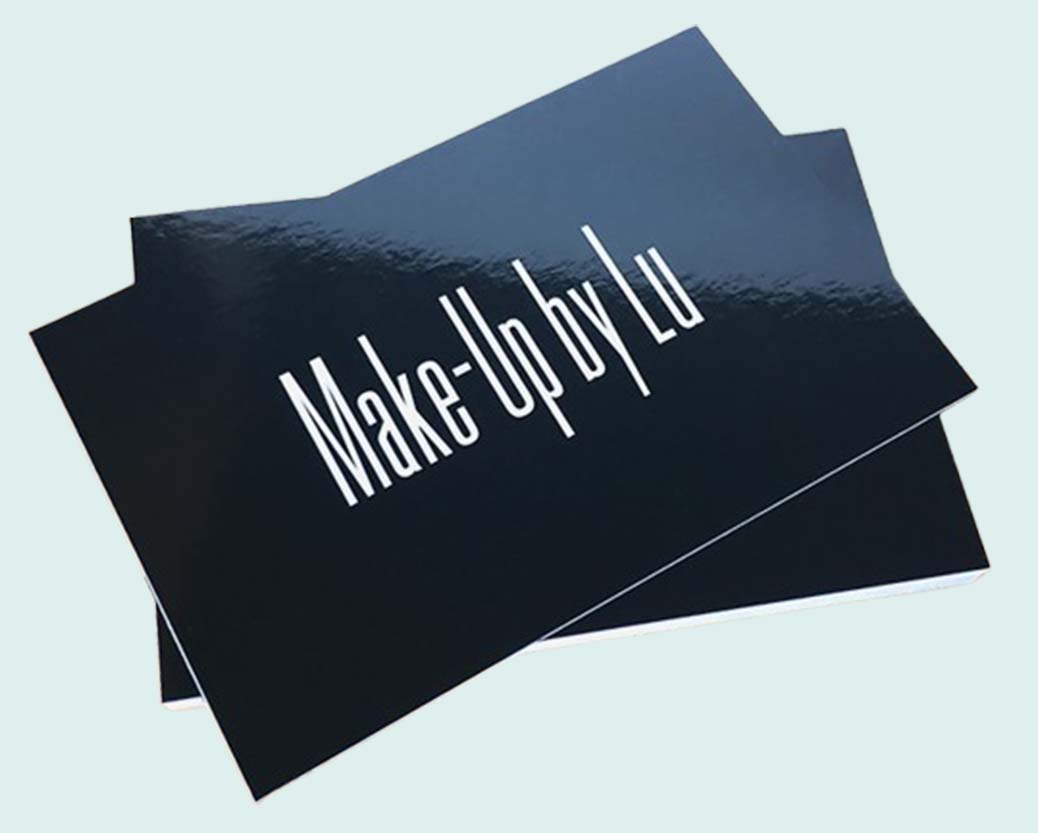
Our glossy finish adds a sleek, eye-catching shine to your packaging.
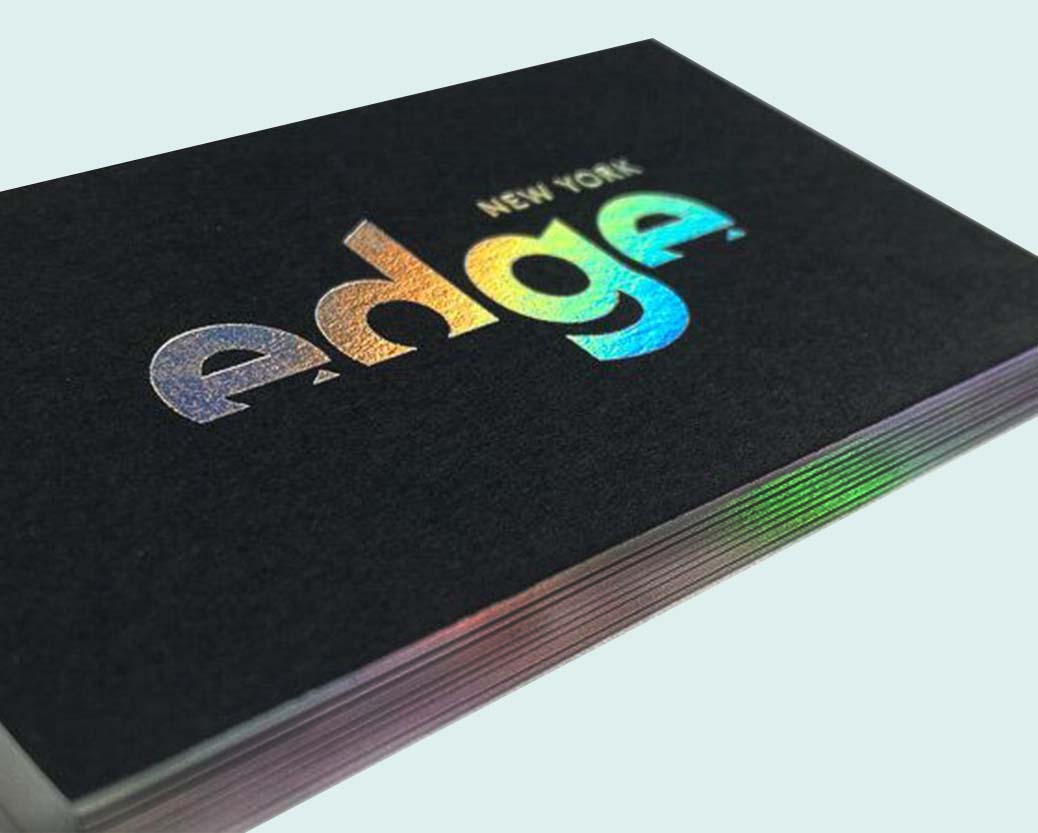
Holographic foil refracts light, creating a stunning rainbow effect from different angles.
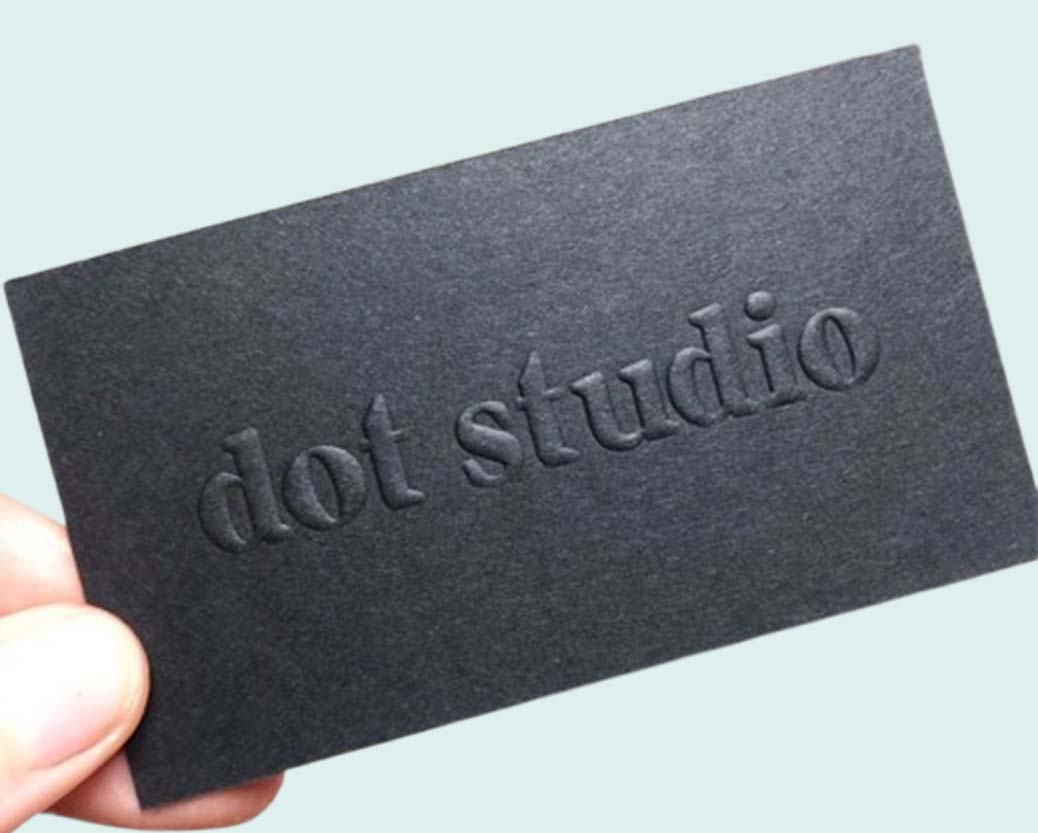
Our embossing technique captures the finest details, adding depth and elegance to your packaging.
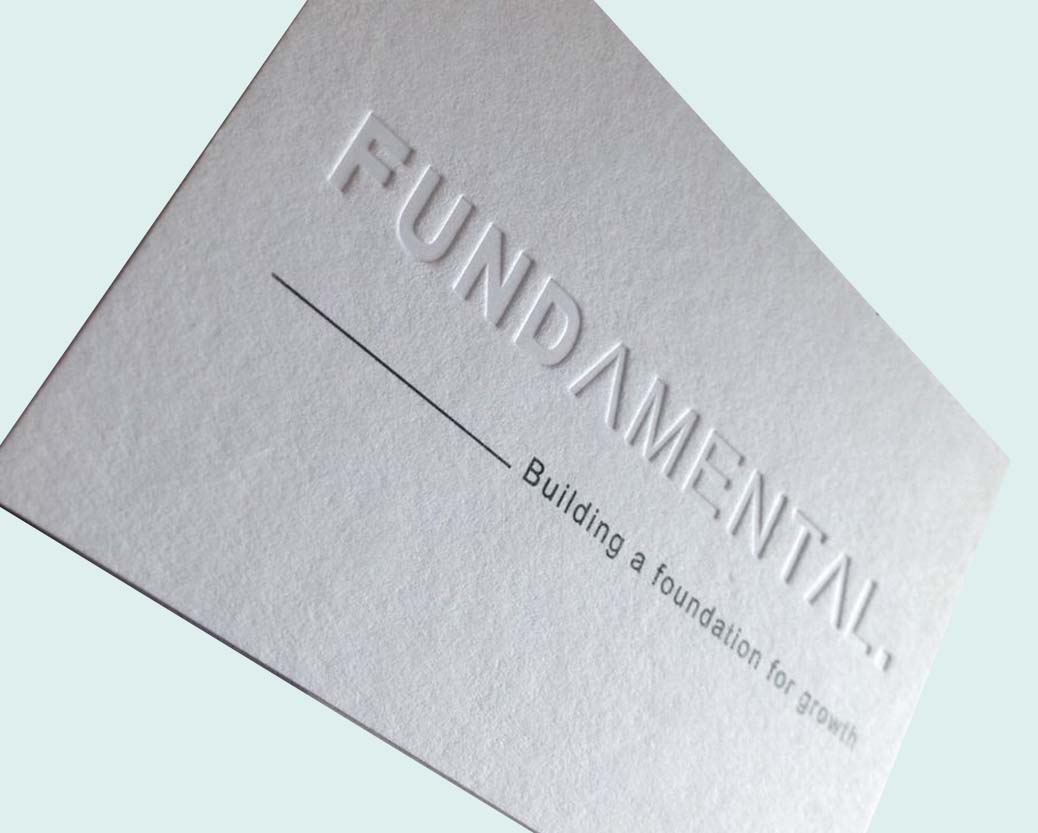
Our debossing technique imprints unique graphics into your packaging, creating a refined and tactile effect.
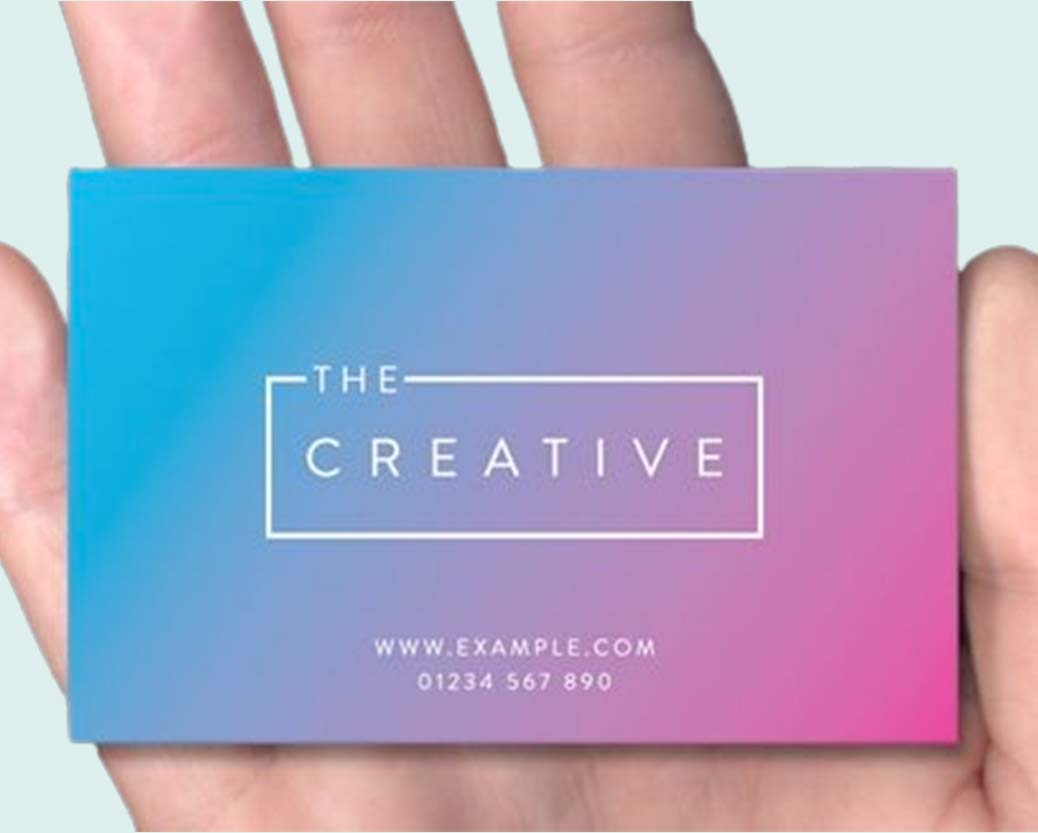
Our matte finish reduces the visibility of fingerprints and smudges, keeping your packaging looking clean and refined.
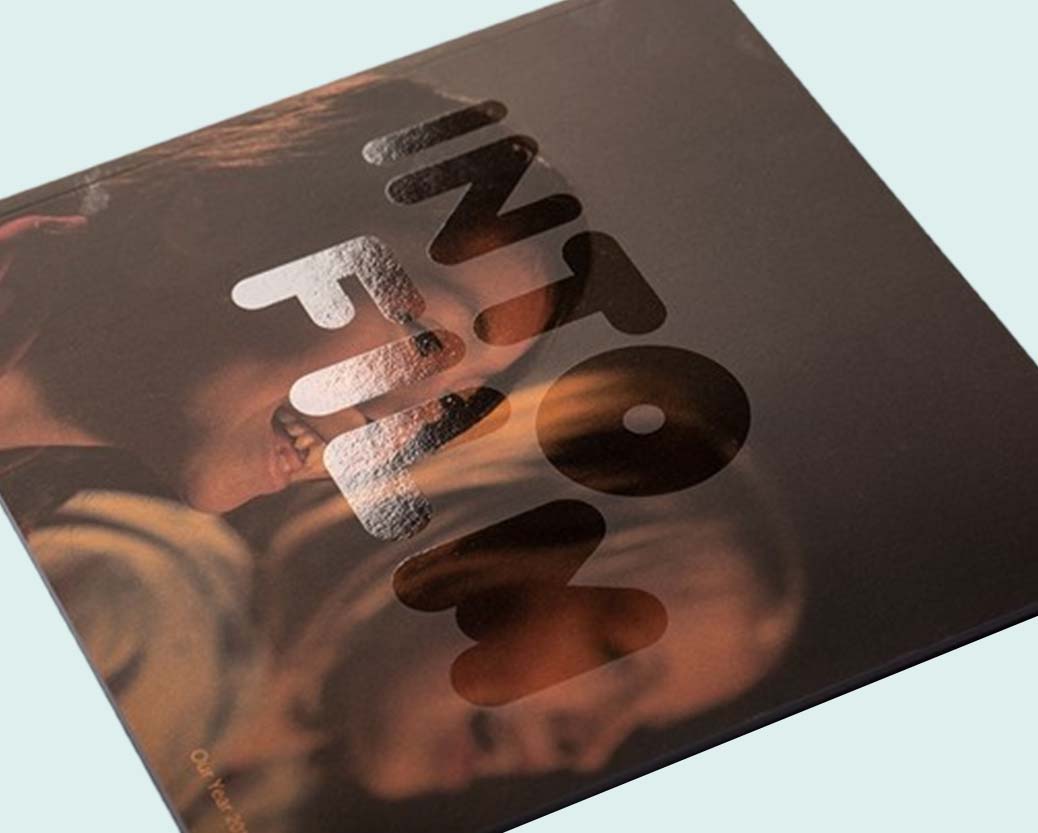
We apply a soft-touch lamination that adds an extra layer of protection, preventing toner chipping.
How to Check Packaging Before You Commit
Thousand Oaks has an unusually informed business base. Amgen anchors a biotech and life science cluster around Rancho Conejo, Teledyne and Sage are headquartered here, and roughly half of adults hold a degree. People here tend to ask good questions.
Here are the ones worth asking about packaging, and what to look for when a sample lands on your desk.
What to Check on the Digital Proof
The 3D proof is free and takes ten minutes to review properly. Almost every expensive packaging mistake is visible at this stage.
Anything near a fold. Logos, text, and important artwork sitting on or across a crease will distort when the box is folded. Move them, or accept the distortion knowingly.
Anything near a glue flap. Artwork printed on a glue tab disappears once the box is assembled. Check what is actually visible on the finished structure, not on the flat dieline.
Barcodes. Check placement, orientation and the quiet zone, the clear margin around the code. A barcode too close to an edge, a fold or dense artwork will fail at a till.
Text at final size. Proofs are often viewed enlarged on screen. Zoom to actual print size and check that ingredient panels, warnings and legal text are still legible.
Panel assignment. Confirm that front, back and side panels are where you think they are. Reversed panels are one of the most common errors we catch, and one of the easiest to miss.
What to Check on a Physical Sample
Physical samples are available on request for bulk orders, and for any significant run they are worth requesting. Here is what to look at.
Print registration. Look closely at where two colours meet. If you can see a thin misalignment — a white gap or a colour overlap at the edges — registration is off. Small drift is normal in any print process. Visible drift on a sample means worse drift across a full run.
Creasing. Fold the box. A properly scored crease folds cleanly and holds shape. A poor crease cracks the surface coating along the fold line, showing the board colour underneath. On dark printed boxes this is very visible and looks cheap.
Board caliper. Feel the thickness. If you ordered 24pt and the board feels thin, ask for a caliper measurement. Substituting lighter board is the easiest cost saving for a supplier to make quietly.
Glue lines. Try to pull a glued seam apart with moderate force. It should hold. Weak glue shows up in transit, not in your hands, so test it now.
Colour against your brand. Compare the sample to your brand reference under normal store lighting, not screen light. If your colour matters, this is why PMS spot matching exists CMYK gets close but drifts between runs.
Fit. Put your product in. Too tight and the box will not close cleanly at speed. Too loose and the product moves in transit. You want the product held without force.
Assembly time. Assemble the box once and time it. A structure that takes forty seconds instead of ten will cost you real labour across thousands of orders.
What Each Defect Actually Tells You
Cracked creases usually mean the board was scored in the wrong direction relative to the grain, or the coating is too brittle for the board weight. Fixable by respecifying.
Colour drift between boxes in the same batch means poor press control. This gets worse at volume, not better.
Bulging or gaping at the corners means the box was sized to the theoretical stack rather than the resting stack. A specification error, not a production error.
Soft, floppy corrugated often means the board has absorbed moisture, either in storage or in transit. Board recovers some strength when it dries, but not all.
Inconsistent box dimensions across a batch mean the die or the cutting was inaccurate. This is the defect most likely to break an automated packing line.
Questions Worth Asking Any Supplier
"What board weight are you quoting?" A quote without a specified caliper or flute is not a real quote. You cannot compare two prices unless you know both are for the same board.
"Is the die charge included or added later?" Ours is included. Many suppliers advertise a low unit price and add die and plate charges afterwards.
"Can I see a proof before production?" If the answer is no, or the proof costs extra, that tells you something.
"Will my reorder match this exactly?" Ask whether they keep your dieline, board spec, and print files on record. If they rebuild the spec each time, expect variation between orders.
"What is the minimum?" Ours is 50. A high minimum is not a quality signal it usually means the supplier cannot run short jobs economically.
What We Specify and Why
| Stock | Thickness | Best for |
|---|---|---|
| Cardstock | 18pt–24pt | Retail cartons, cosmetics, supplements, gifts |
| Kraft | 18pt–24pt | Food, bakery, natural brands |
| E-flute corrugated | 1.5mm | Light mailers |
| B-flute corrugated | 3mm | Heavier or fragile shipping |
| Double-wall corrugated | 6mm+ | Freight and heavy goods |
| Rigid board | 2mm+ | Premium gift and presentation |
For retail cartons, 18pt is the practical floor. Below that, boxes bend inside shipping cases.
For corrugated, flute profile drives protection. Send us the product weight rather than a guess, and we will specify it. Under-specifying is the more expensive mistake, because damaged stock costs more than heavier board.
On kraft: brown board shifts printed colour. Blues read muddy and white will not print white. Ask for a proof on the actual stock before committing.
On finishing: matte, gloss and soft touch lamination, spot UV, foil stamping, embossing and debossing are all available. One effect used well reads as more expensive than three stacked together, and costs considerably less.
Retail and Technical Requirements
If you are selling into retail chains, bring us the retailer's packaging specification barcode placement, case pack configuration and carton dimensions are usually fixed by them, not by you.
The Conejo Valley life science and technical cluster generates demand for protective cartons with fitted inserts and strict repeatability. For that work, we keep your dieline, board specification, and print files on record so every reorder is produced to the same spec.
On regulated products: we build outer and secondary packaging to a specification you supply. We do not certify regulatory compliance or produce validated primary packaging. Send us your requirements, and we build to them.
Terms
- Minimum: 50 boxes
- Standard production: 8 to 12 working days after proof approval
- Rush: 4 to 6 working days
- Capacity: 500,000+ units monthly
- Included: dieline, design support, 3D digital proof, die cutting, gluing, scoring, perforation, no die or plate charges
- Physical samples available on request for bulk orders
Send your product dimensions or product weight and type, plus quantity and sales channel. Itemised quote within 24 hours.