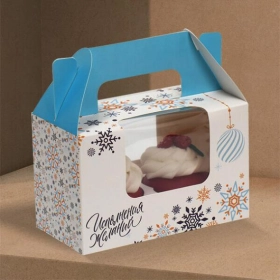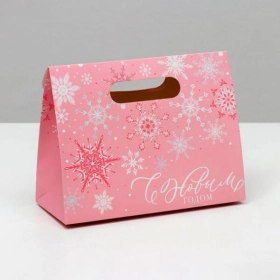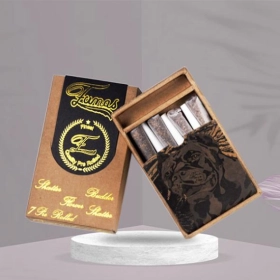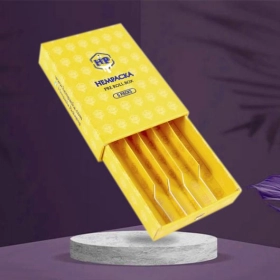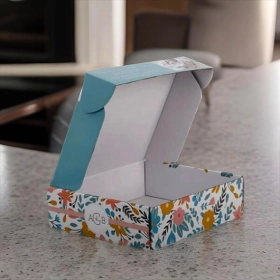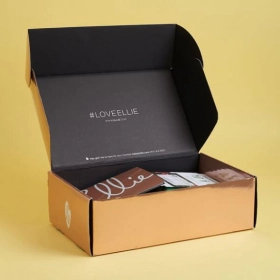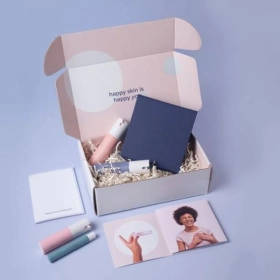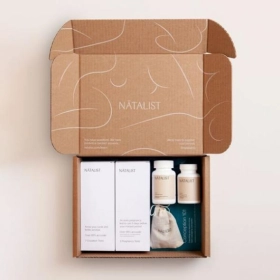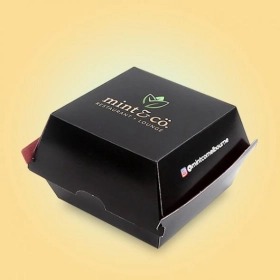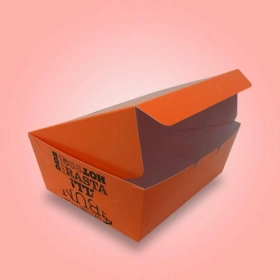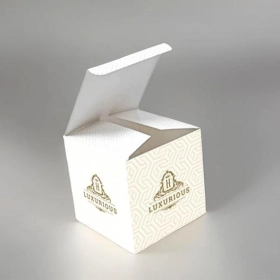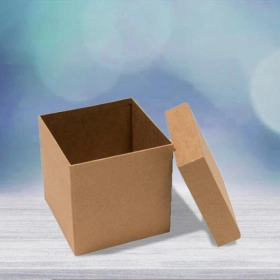





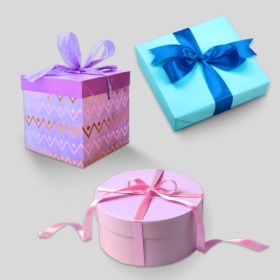
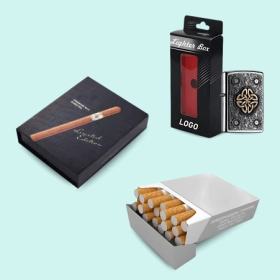












| Box Style | As Mention Above |
|---|---|
| Dimension (L + W + H) | All Custom Sizes & Shapes |
| Minimum Run ( For Boxes and Mylar Bags) | 100 Boxes - 1000 Mylar Bags ( 500 each design) |
| Paper Stock | 10pt to 28pt (60lb to 400lb) Eco-Friendly Kraft, E-flute Corrugated, Bux Board, Cardstock |
| Printing | No Printing, CMYK, CMYK + 1 PMS color, CMYK + 2 PMS colors |
| Finishing | Gloss Lamination, Matte Lamination, Gloss AQ, Gloss UV, Matte UV, Spot UV, Embossing, Foiling |
| Included Options | Die Cutting, Gluing, Scored,Perforation |
| Additional Options | Eco-Friendly, Recycled Boxes, Biodegradable |
| Proof | Flat View, 3D Mock-up, Physical Sampling (On request) |
| Turnaround | 7 - 8 Business Days |
| Shipping | FLAT Position |
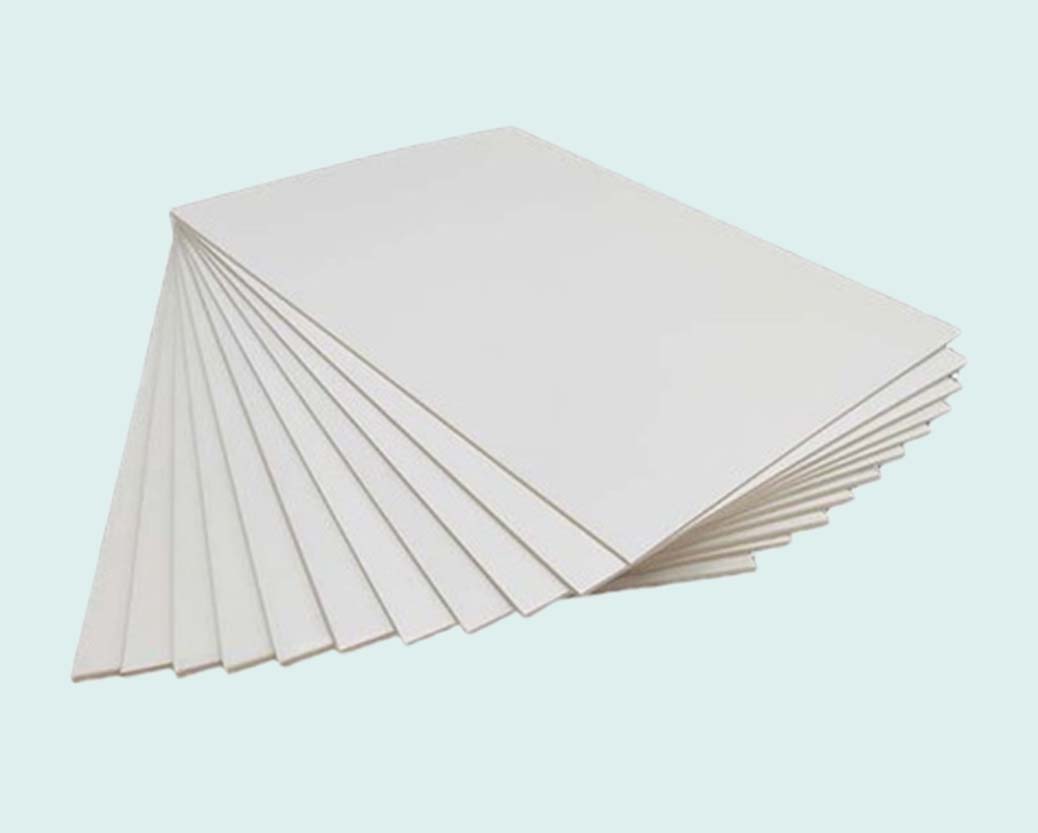
We use eco-friendly cardboard materials designed to minimize environmental impact and reduce waste.
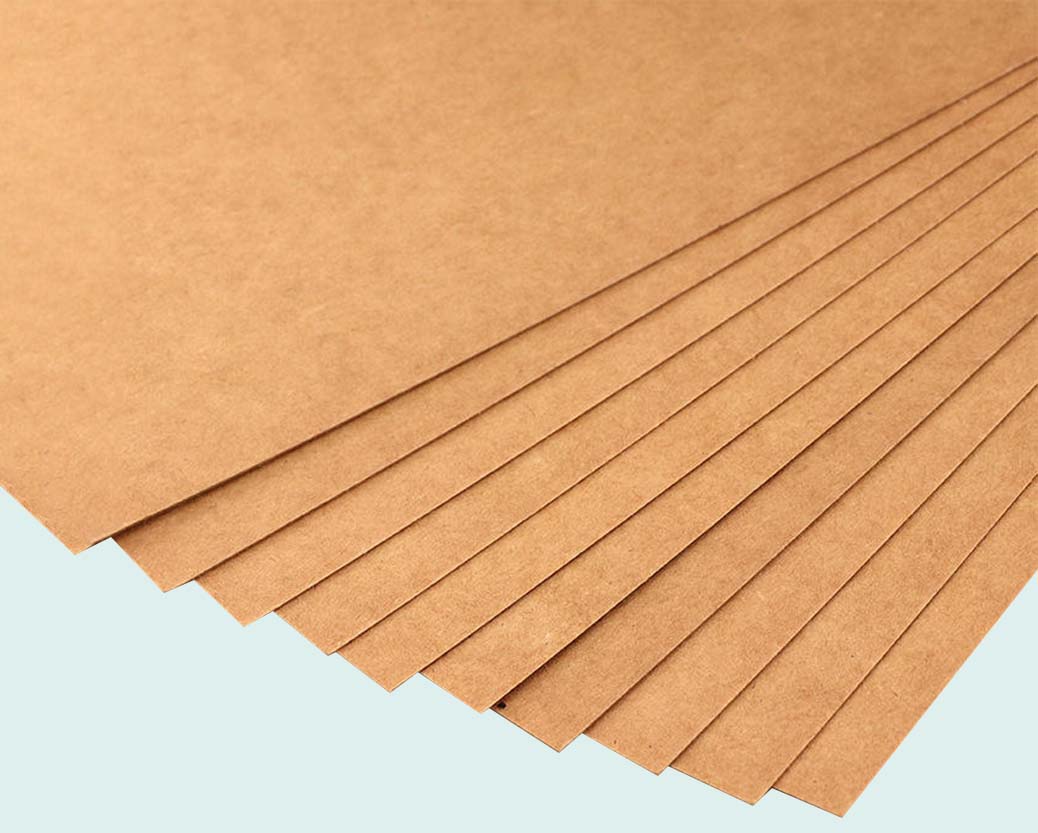
Kraft paper is a sturdy, durable, and dependable material used across multiple industries.
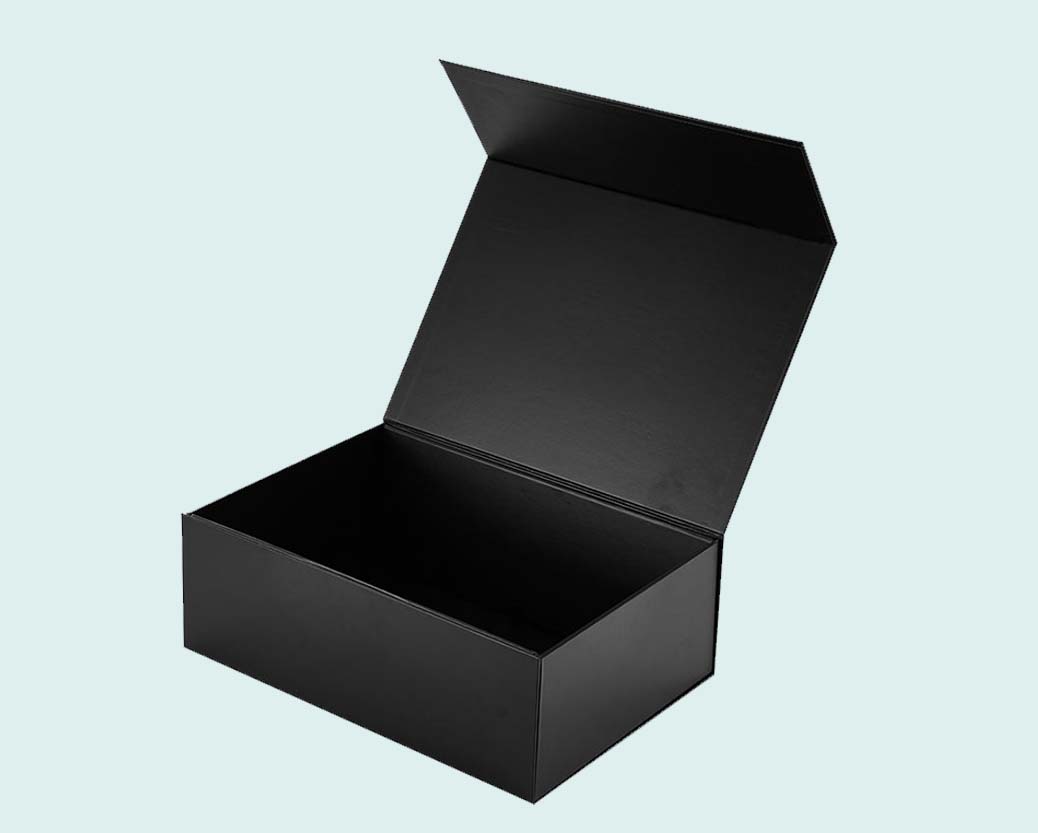
Rigid material is highly protective, cost-effective, and recyclable, offering maximum durability and security.
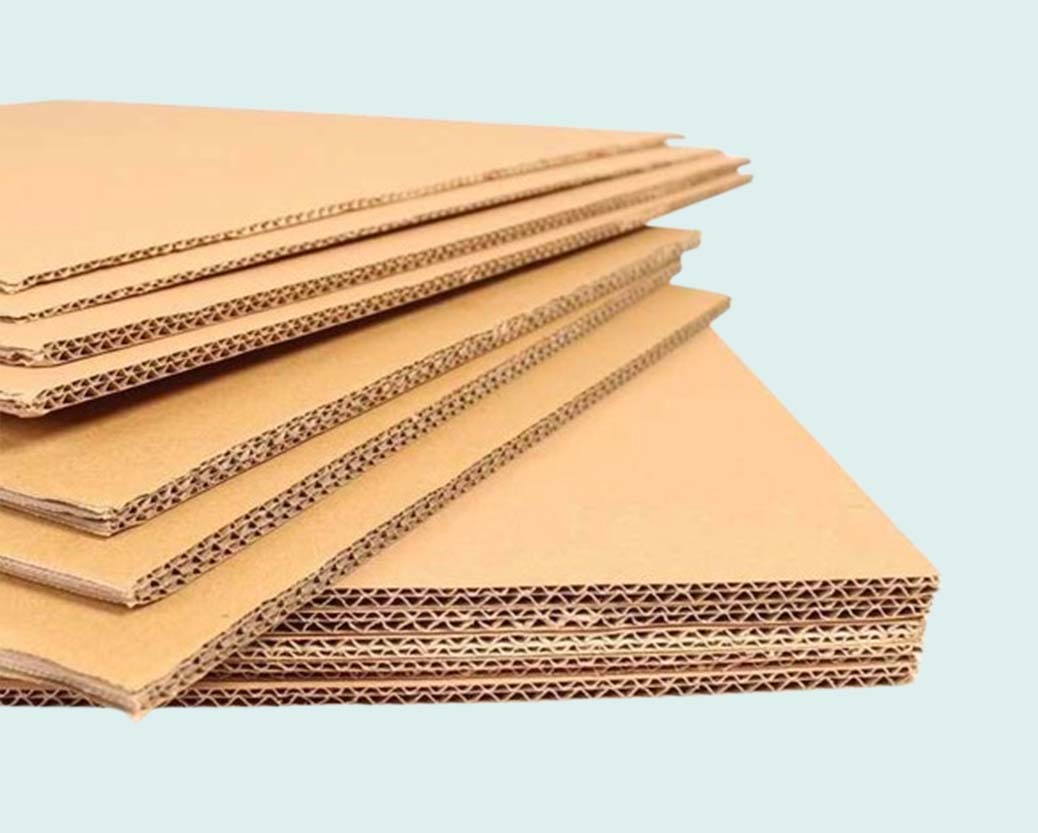
Corrugated material is customizable, cost-effective, and sustainable, making it an excellent choice for branding and shipping.
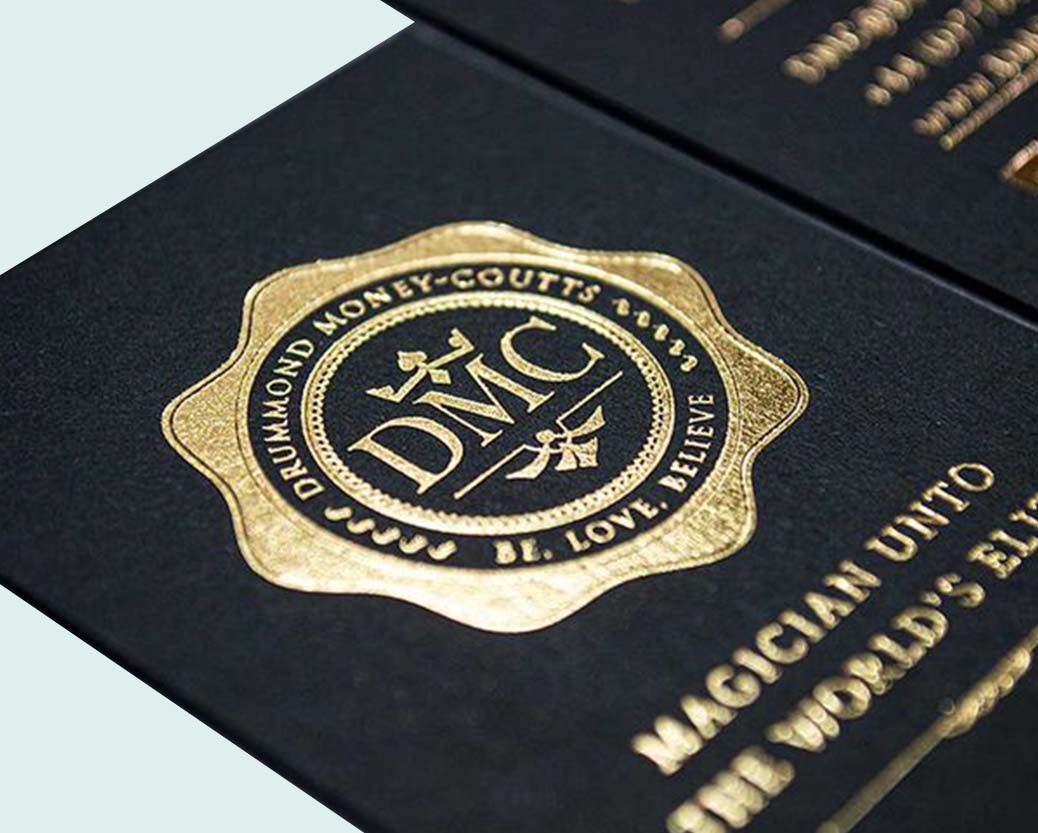
Enhance your product packaging with our premium foil stamping for a sophisticated touch.
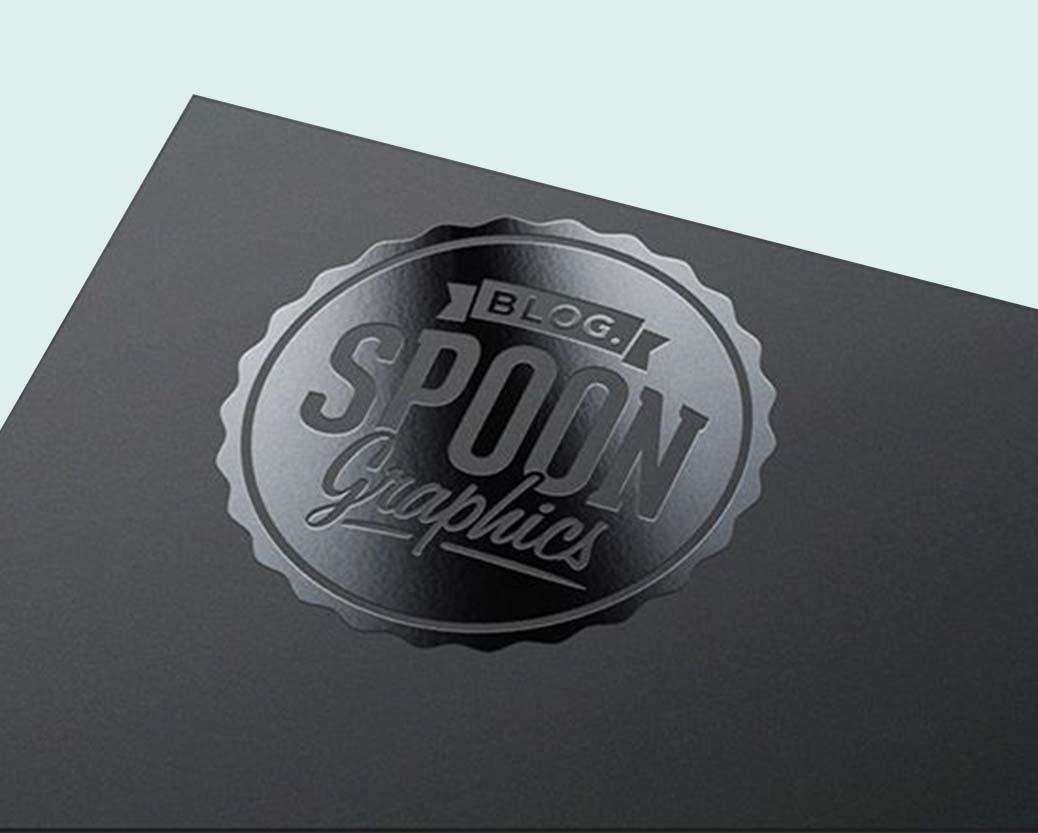
Our high-gloss UV coating enhances shine and provides a sleek, protective finish to your printed materials.
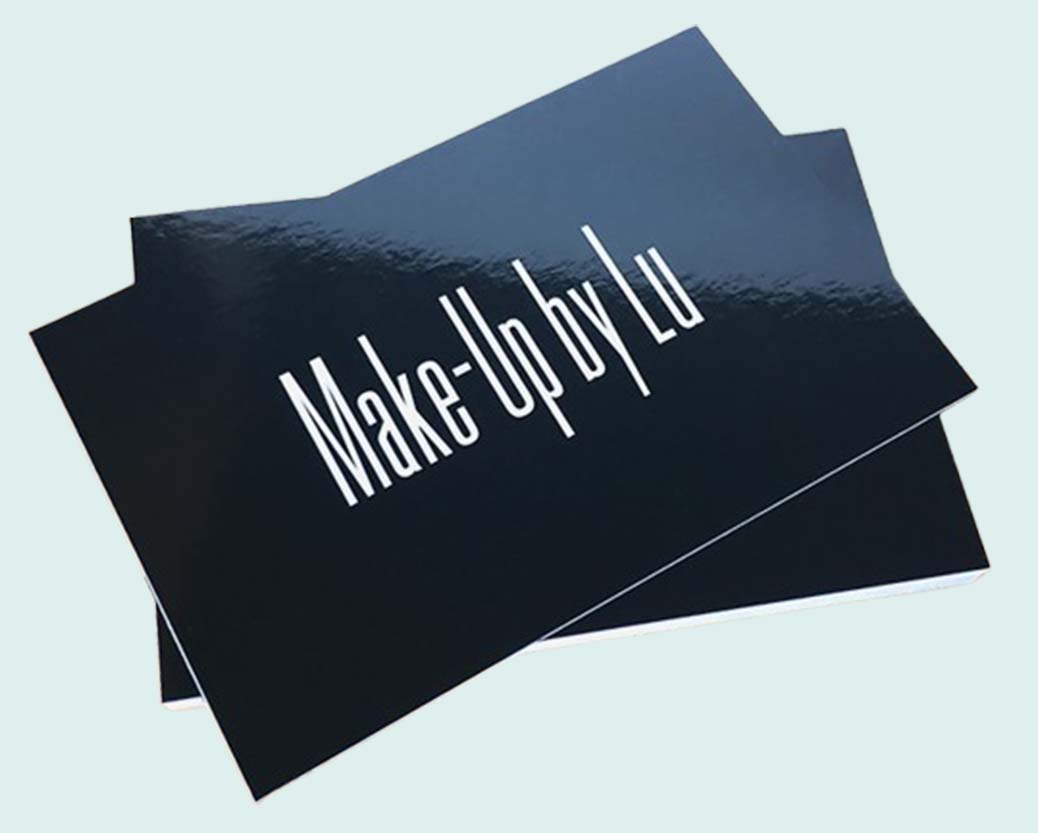
Our glossy finish adds a sleek, eye-catching shine to your packaging.
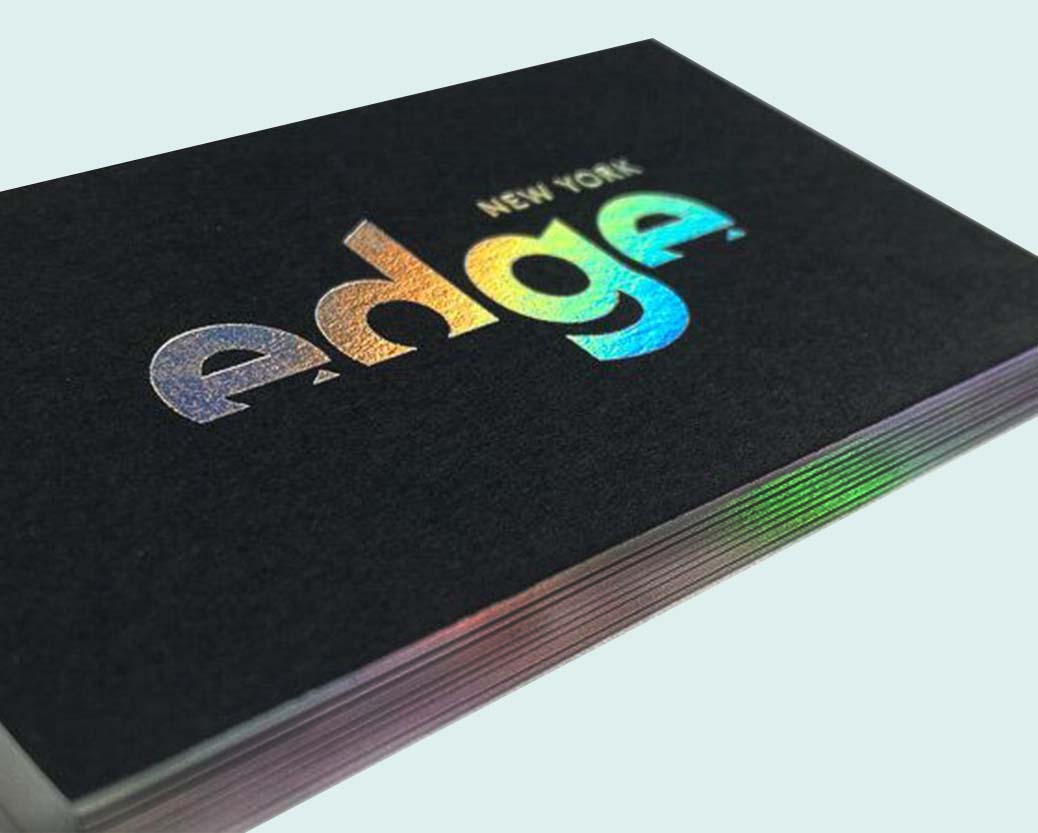
Holographic foil refracts light, creating a stunning rainbow effect from different angles.
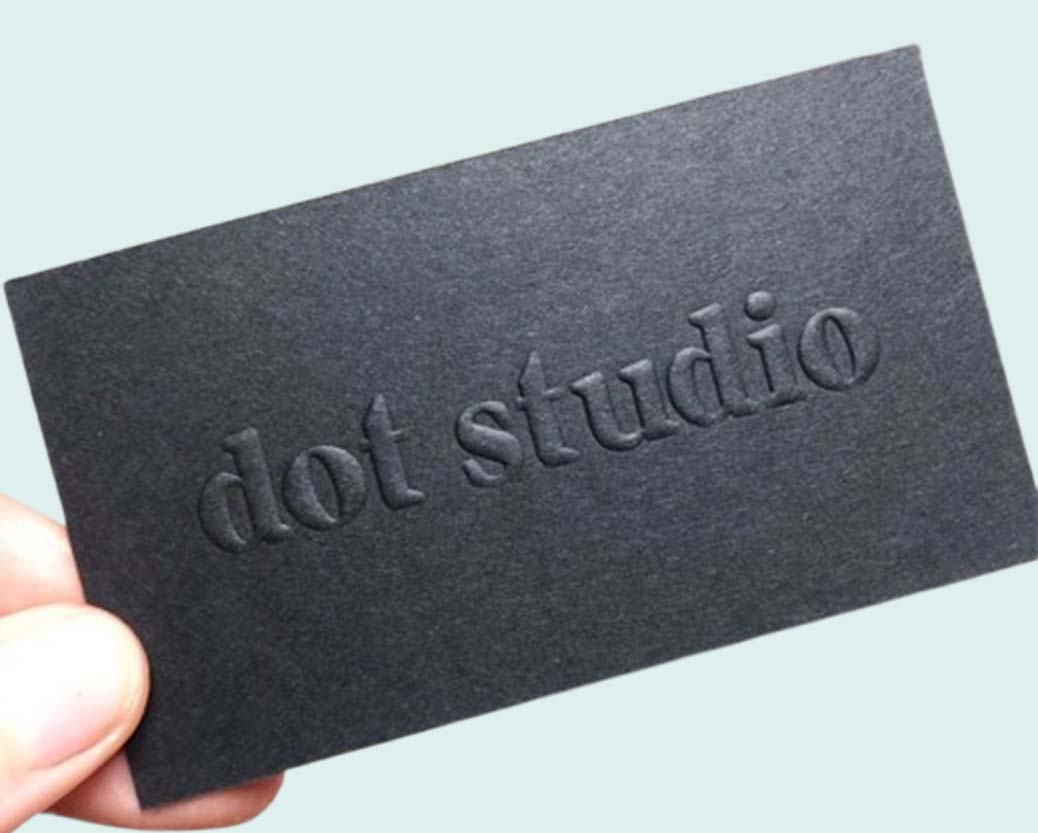
Our embossing technique captures the finest details, adding depth and elegance to your packaging.
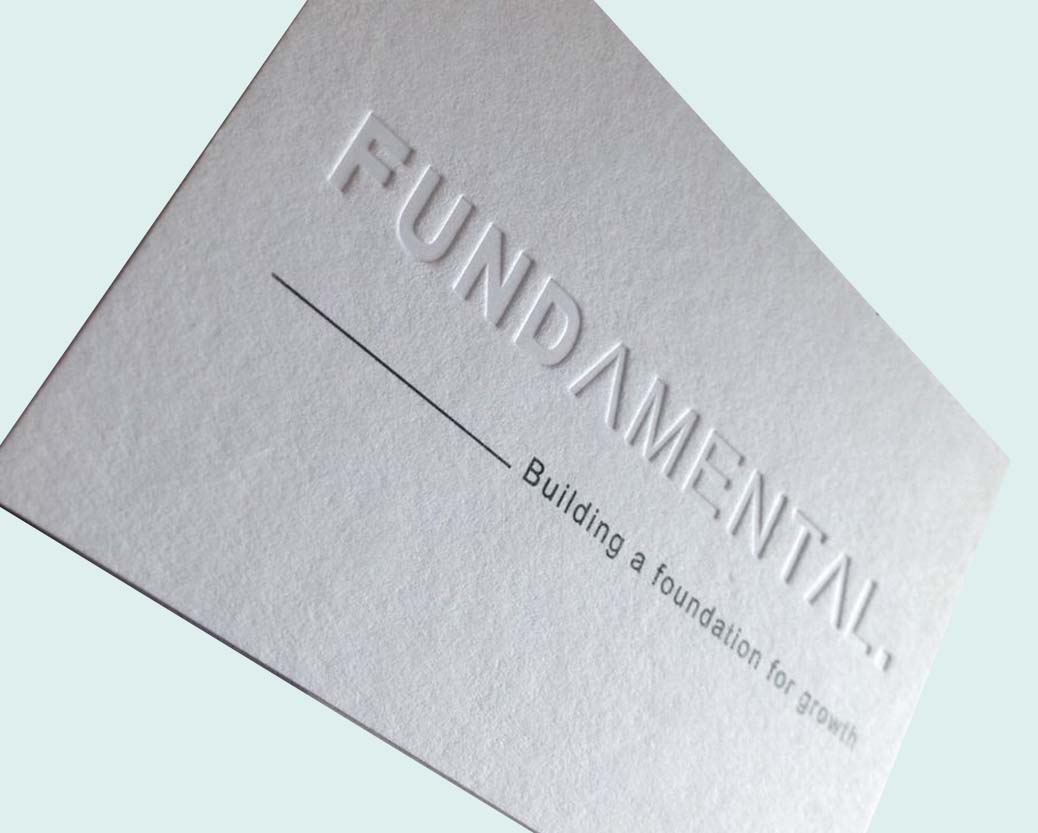
Our debossing technique imprints unique graphics into your packaging, creating a refined and tactile effect.
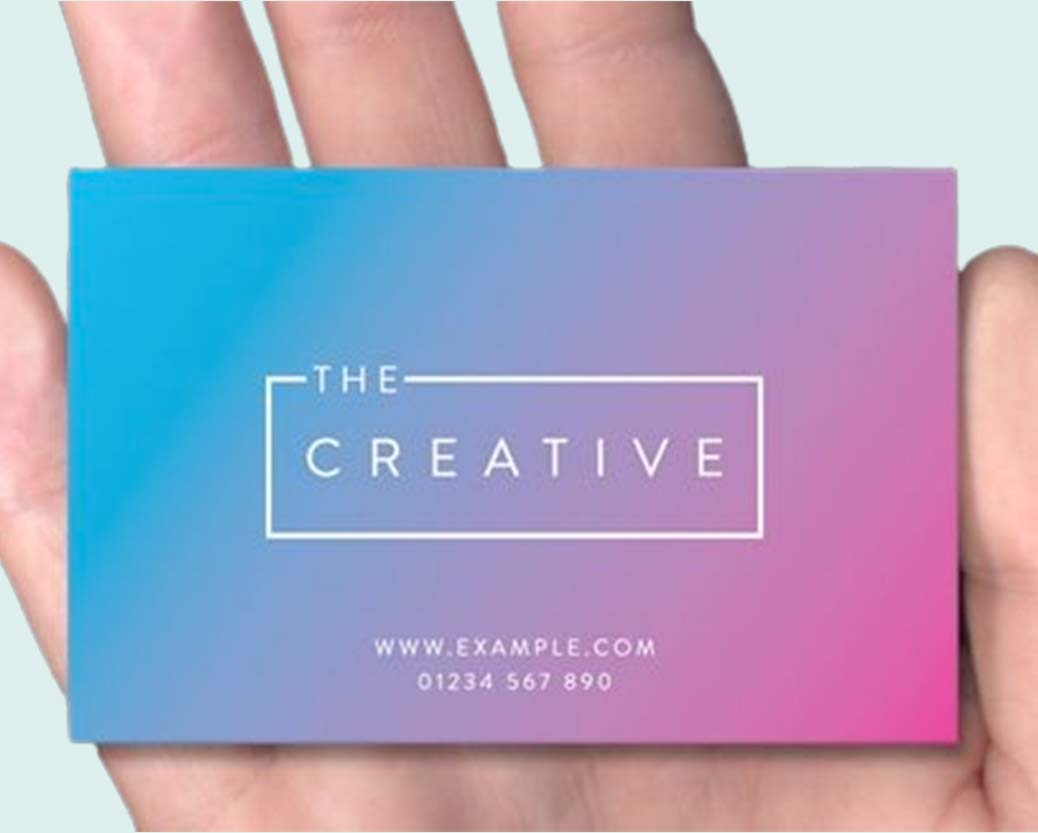
Our matte finish reduces the visibility of fingerprints and smudges, keeping your packaging looking clean and refined.
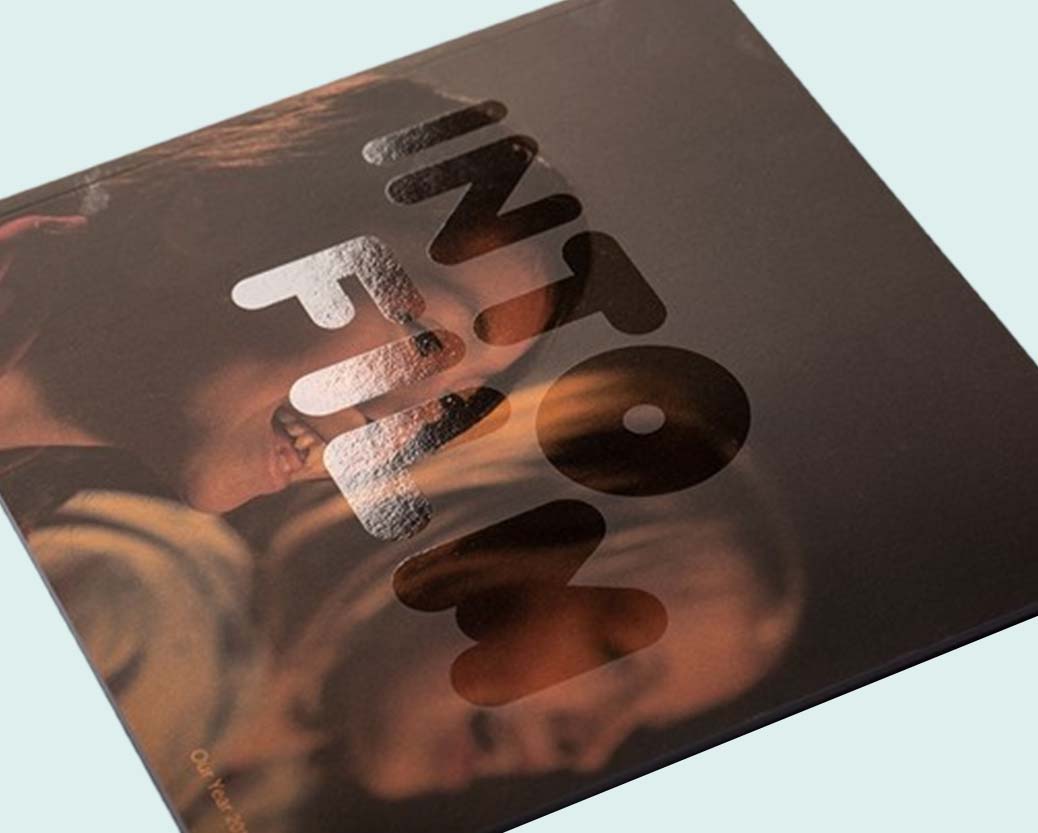
We apply a soft-touch lamination that adds an extra layer of protection, preventing toner chipping.
Should you order custom boxes at all?
Most packaging companies will not answer this, because the answer is sometimes no.
If you sell forty jars of jam a month at the farmers market, custom printed cartons are unlikely to be your best spend. A plain kraft box with a well-designed printed label does most of the same work for a fraction of the cost, and you can change the label whenever you want without reprinting anything.
Custom packaging starts earning its keep when one of four things is true: you are shipping enough volume that packaging affects your freight cost, you are selling into shops where shelf presentation decides placement, your product needs a structure a stock box does not provide, or you have reached the point where hand-labelling is eating hours you should be spending elsewhere.
If none of those apply yet, the honest advice is to wait. We would rather tell you that now than sell you 300 boxes you store in a garage for two years.
What does 50 boxes actually cost?
Our minimum is 50 boxes. That number matters more in a small market than in a city, so here is how the pricing behaves.
Unit cost falls steeply between 50 and 1,000 units, then flattens out. The reason is setup: preparing a job costs roughly the same whether you print 50 or 1,000, so at low volumes that fixed cost is divided across very few boxes.
There is no die charge and no plate charge, which means a box built to your exact dimensions costs no more in tooling than a stock size. Design support is free. Shipping is free.
What that adds up to depends on material, size and finishing. Tell us your product, quantity and rough budget, and we will send back what each price break looks like rather than a single number. If 50 units puts your cost per box higher than you can carry, we will say so.
When a stock box and a printed label is the better answer
This applies to more small producers than the packaging industry likes to admit.
A stock box plus a well-designed label wins when your volume is low, when you run several product variants in small quantities, when your artwork changes seasonally, or when you are still testing whether a product sells at all.
Labels are cheap, fast, and easy to change. A stock corrugated box with a good label and a printed sticker seal looks considered, costs very little, and does not commit you to a print run.
It loses when the box itself has to sell the product on a shelf, when you need a structure stock does not offer, or when the labour of labelling every box by hand starts costing more than the printing would have.
We print labels and stickers too, so this is not us sending you elsewhere. It is often just the right sequence: labels first, custom boxes when the volume justifies them.
What can you actually get at 50 units?
More than most people expect, and less than everything.
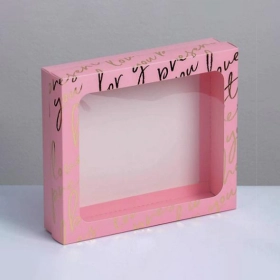
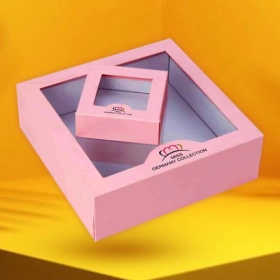
At 50 units, full-colour printing, a custom size, kraft or cardboard stock, and matte or gloss lamination are all available. So is a die-cut window.
What does not make sense at that volume is stacking finishes. Foil, embossing and spot UV are separate production passes, and at 50 units each pass is a large share of your unit cost. One well-chosen finish will serve you far better than three.
If you want a premium look on a small run, the highest-value option is matte lamination with spot UV on the logo alone. It is one extra pass and it does more visually than anything else at the price.
How does ordering work from 250 miles away?
There is no commercial box plant in Valley City, and none in Barnes County. Whoever you buy from, you are buying remotely, so the questions worth asking are about proofs and recourse rather than facilities.
Every order gets a free 3D digital proof — your artwork wrapped onto the actual structure, folds included. Nothing prints until you approve it. Physical samples are available on request for bulk orders.
A digital proof shows colour and layout. It cannot show thickness or feel. If you are choosing between two options, ask for both samples. It costs you nothing and settles the question in seconds.
What does North Dakota change?
Two things, and they are both real rather than decorative.
Cold and moisture. Corrugated absorbs moisture from the air and loses compression strength as it does. Boxes stored in an unheated shed or barn over a North Dakota winter can bow under stacking in a way the same boxes never would in a heated space. If your stock sits through winter before it sells, tell us we will specify the board for the storage condition, not just the shipping day.
Distance. Production runs 8 to 12 business days after proof approval, with rush available at 4 to 6 business days if requested at quote stage. Ground transit adds several days on top, and winter weather across I-94 can add more. Build a wider buffer into winter orders than summer ones, and order earlier than you think you need to.
What should you send us?
Four things get you an accurate quote in 24 hours:
Your product's dimensions, or the product photo and rough measurements if you are unsure. Your quantity. Whether the boxes go to a shelf, a market table, or into the mail. And your target cost per box, if you have one.
That last one saves the most time. If you tell us what the box needs to cost, we will build a specification that fits rather than quoting something you have to strip back.
Artwork is welcome but not required. A sketch works. Our team builds print-ready files at no charge.
Three straight answers
Do we have a location in Valley City? No. We manufacture and ship from our own facility. Any packaging supplier claiming a local presence in a town this size is describing a website — ask them for the address.
Should you use us for a rush job? Probably not. If you need boxes this week, a print shop in Fargo will serve you better. We are the right choice for a planned run with real lead time, where ordering direct gets you better pricing than an intermediary.
Is it worth it for your business? Send us your numbers and we will tell you honestly, including if the answer is not yet.