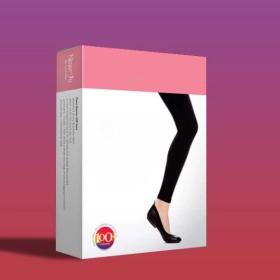
Custom Bra Boxes Made to Fit, Protect, and Sell
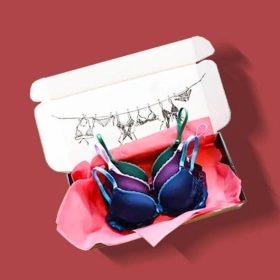
Anyone who has shipped a padded bra in the wrong box knows how it goes. The cups get pushed in, the straps end up tangled, and the customer opens a product that looks nothing like your photos. Our custom bra boxes fix that by starting with your product, not a stock template. You tell us the size, pick the material and style, and add your artwork. We then build packaging that keeps every bra in shape from our press to your customer's hands.
We work with new brands placing a first order of 100 boxes and with established labels reordering thousands. Either way, design help is free, and shipping anywhere in the USA is on us.
Why Bras Need Their Own Packaging
Bras are one of the trickiest apparel items to pack. Molded cups only hold their shape if nothing presses on them. Underwire can bend, and lace and mesh snag on rough edges. A plain mailer or a one-size-fits-all retail box just isn't built for that.
Good custom bra packaging solves the fit problem first, then does the selling. A box sized to your product keeps it from shifting around. A well-printed one looks great on a store shelf and even better in an unboxing video. That matters, because so many US shoppers now discover intimate brands on Instagram and TikTok.
Box Sizes Made to Your Measurements
We don't stock fixed bra box sizes. Every order is made in the exact length, width, and height you need. You can give us dimensions in inches, centimeters, or millimeters. If you're not sure, leave them blank on the quote form, and our team will help you work them out.
How to Measure Your Bra for a Box
Lay the bra the way you plan to pack it: flat, folded, or with the cups nested. Measure the longest side, the widest side, and the deepest point of the cups. Cup depth is the number most people forget, and it's the one that matters most for padded and push-up styles. Leave a little extra room if you're adding tissue paper or an insert. For a matching set, measure the bra and bottoms together, as they'll sit in the box.
Materials We Use
Our boxes are made from paper stock between 10 pt and 28 pt thick (about 60 lb to 400 lb). The right choice depends on where your bras will end up.
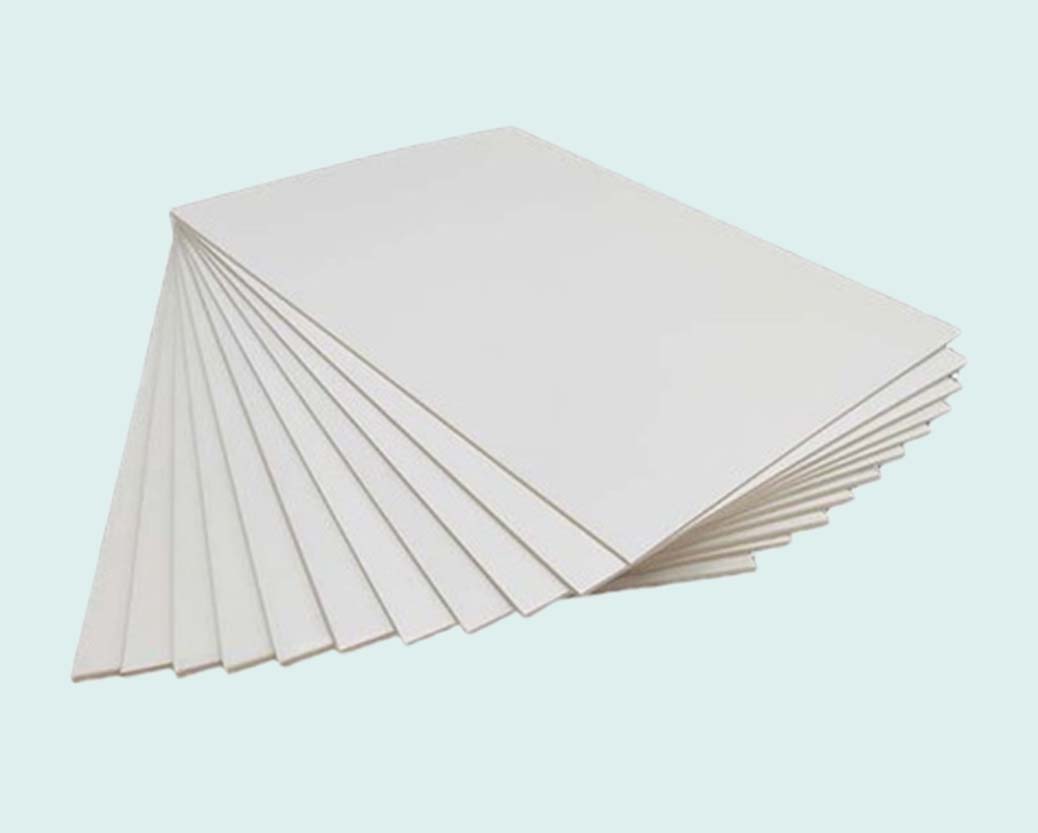
Cardstock and Bux Board
These smooth, coated boards give you the brightest colors and the sharpest folds. They're our go-to for boutique shelves, department store displays, and any box where the print really has to pop.
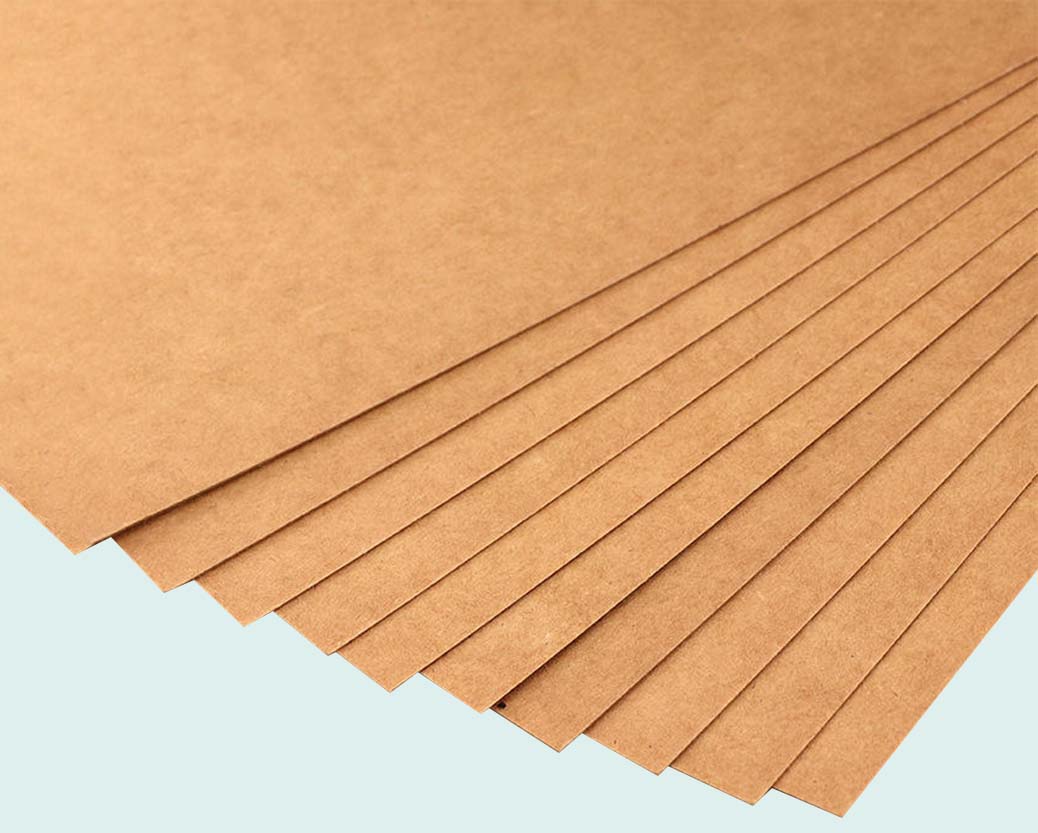
Kraft Board
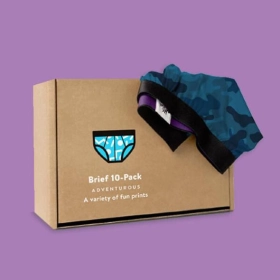
Brown or white kraft has a natural, understated look. It's a great match for organic cotton lines and for brands that want their packaging to feel sustainable without spelling it out. Simple, bold designs print best on it.
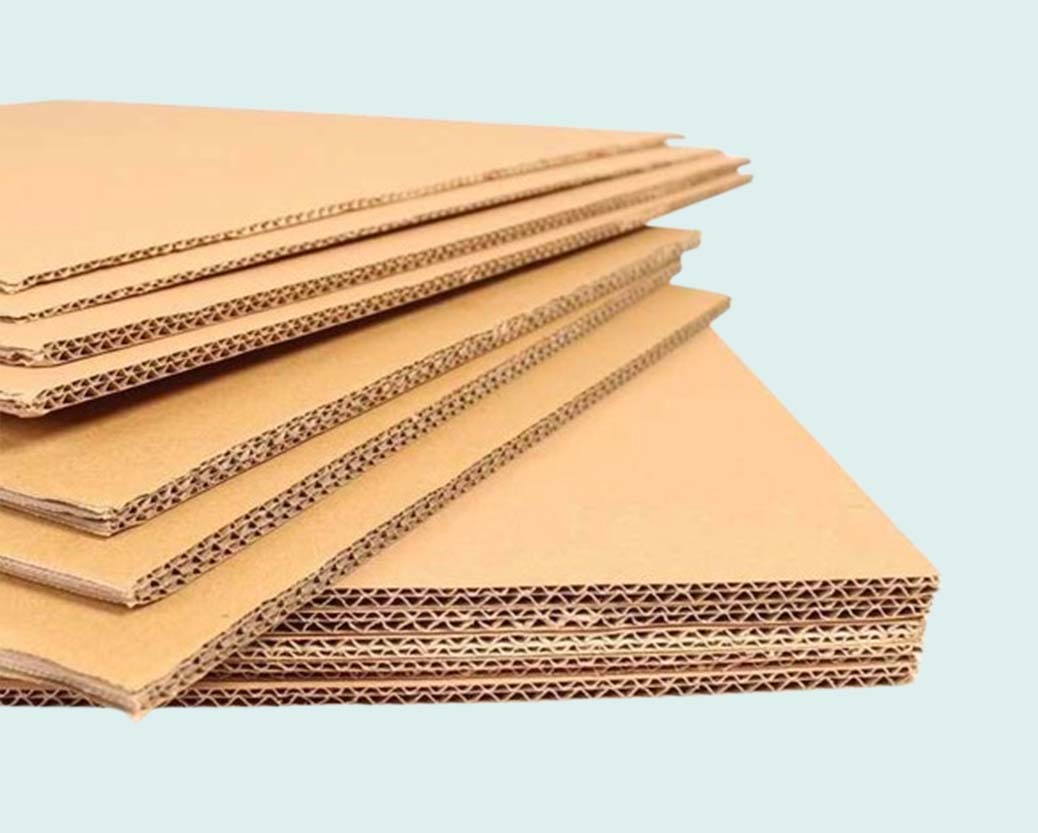
E-Flute Corrugated
If you sell online, this one is worth a look. E-flute is a thin corrugated board that stands up to stacking and rough handling by carriers without adding much bulk or weight.
Rigid Board
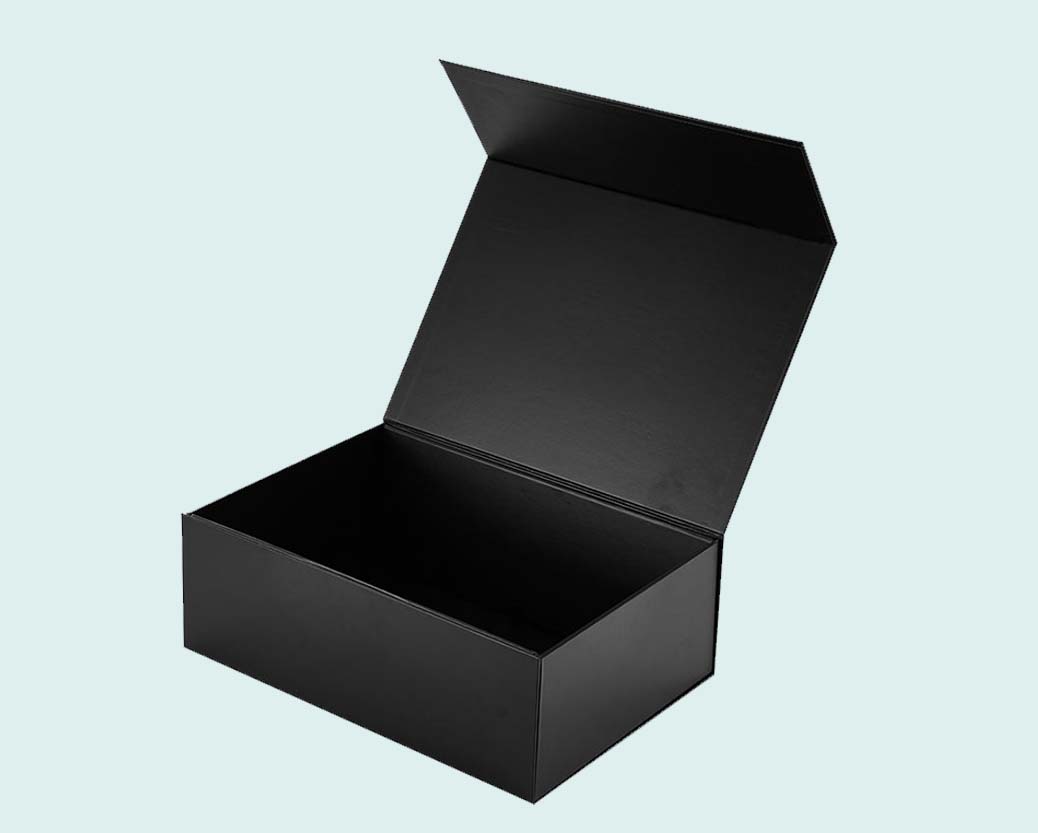
Rigid boxes feel solid and expensive in the hand. Customers tend to keep them, which makes rigid board a favorite for bridal sets, luxury lines, and gift collections.
Box Styles That Work Best for Bras
Two-Piece Lid and Base Boxes
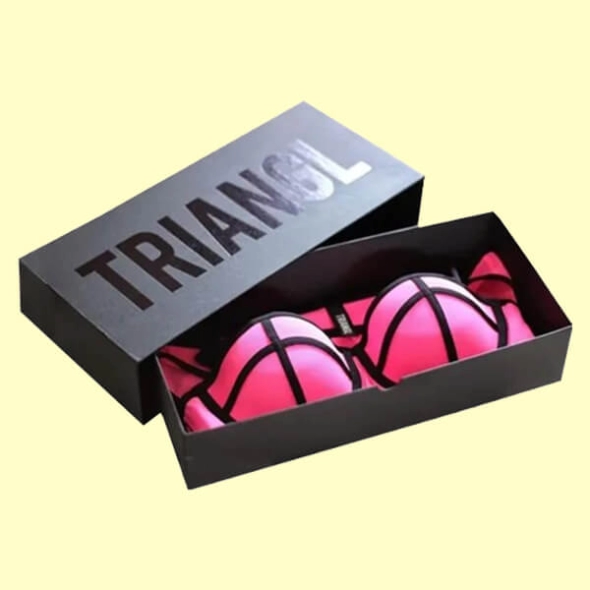
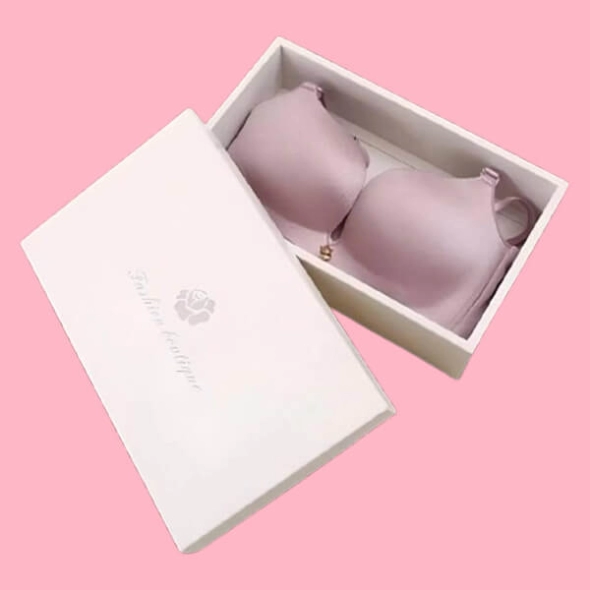
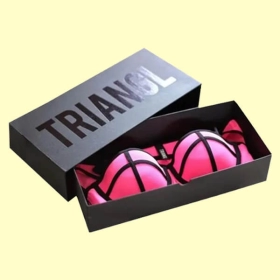
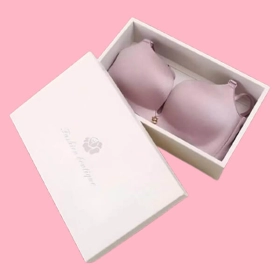
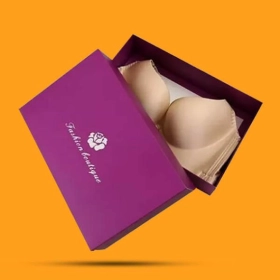
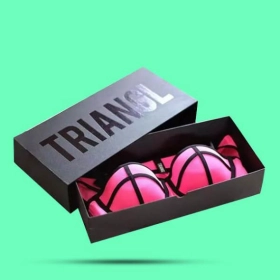
The lid lifts straight off without dragging across the cups, so the bra stays in shape. There's a reason this is the classic bra gift box style.
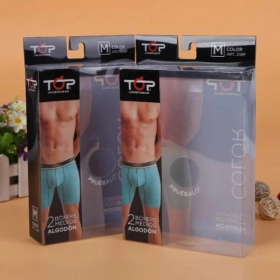
Window Boxes
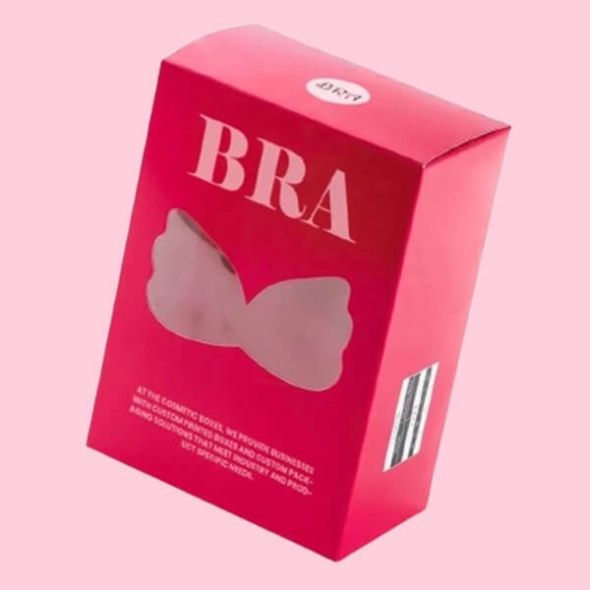
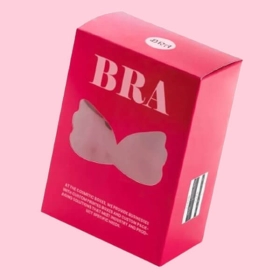
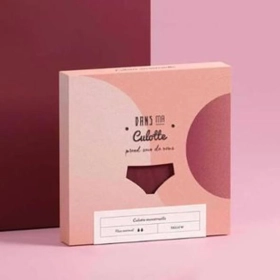
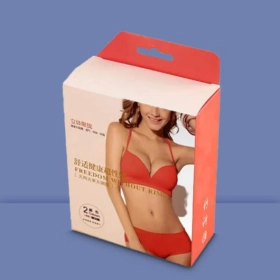
A die-cut window shows off the color and lacework before the box is even opened. In-store shoppers love seeing exactly what they're getting. We place the window so it doesn't hide size or care details.
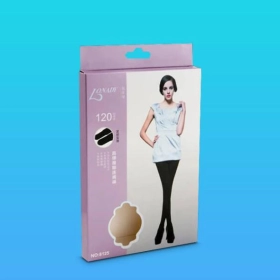
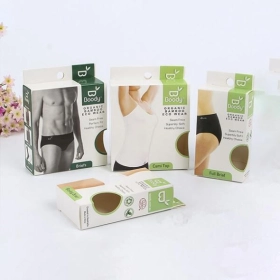
Hanger Boxes
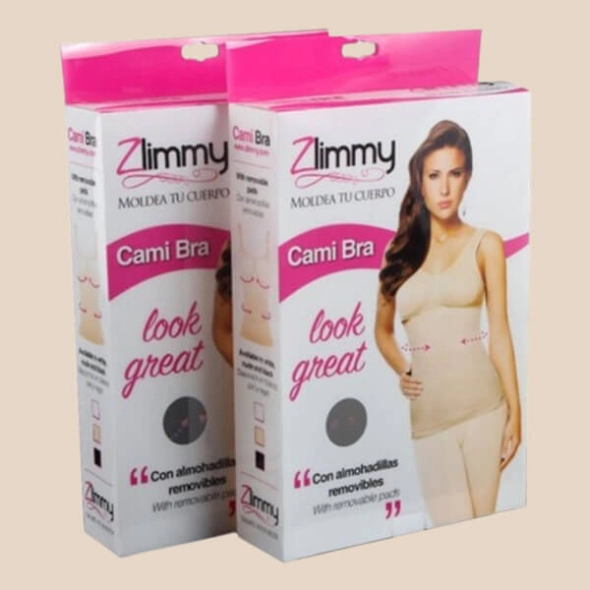
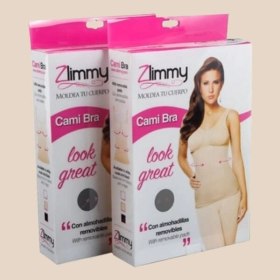
A built-in hanger tab lets retailers hang boxed bras on pegs or racks. It saves shelf space and keeps your product at eye level.
Tuck-End and Sleeve Boxes
Tuck-end boxes are the budget-friendly pick for higher volumes, and they're quick to pack. Sleeve or drawer boxes slide open for a gift-style reveal that suits premium lines.
Printing Options for Printed Bra Boxes
You can order boxes with no printing at all, but most brands go with full-color CMYK. If your brand color has to be exact, say a signature blush pink, you can add one or two PMS (Pantone) spot colors. That keeps your color consistent from box to box and from one reorder to the next.
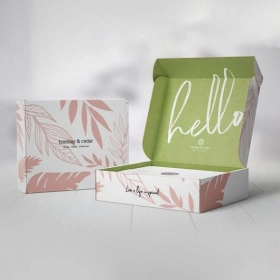
Printed bra boxes can carry artwork on the outside, the inside, or both. A printed interior is a nice little surprise when the lid comes off.
Bra Boxes With Logo and Brand Details
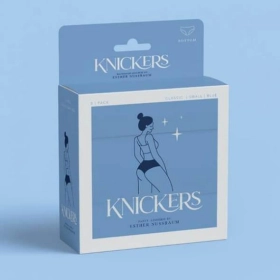
Most customers order bra boxes with logo placement on the lid or front panel, then add their website, social handles, or a short thank-you line. Some brands print fabric content, care instructions, or a size guide right on the box, which can cut down on extra cards and hang tags. Don't have print-ready artwork yet? Our designers will help you get there at no cost.
Finishes and Special Effects
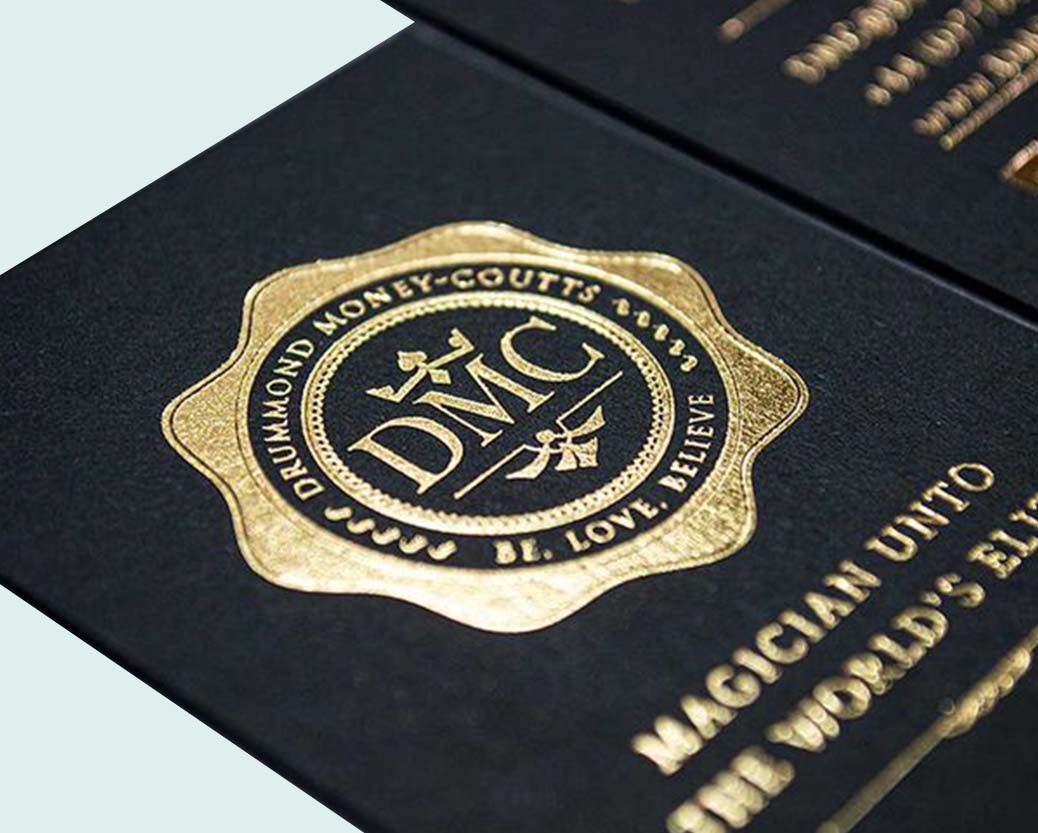
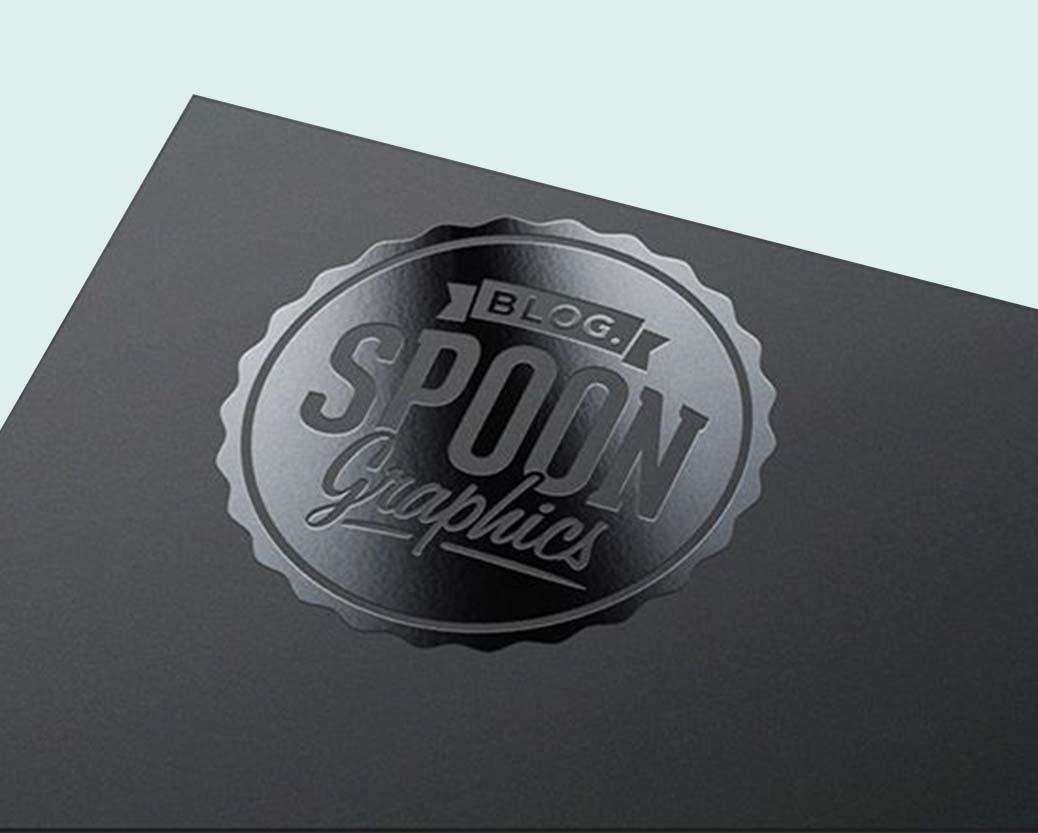
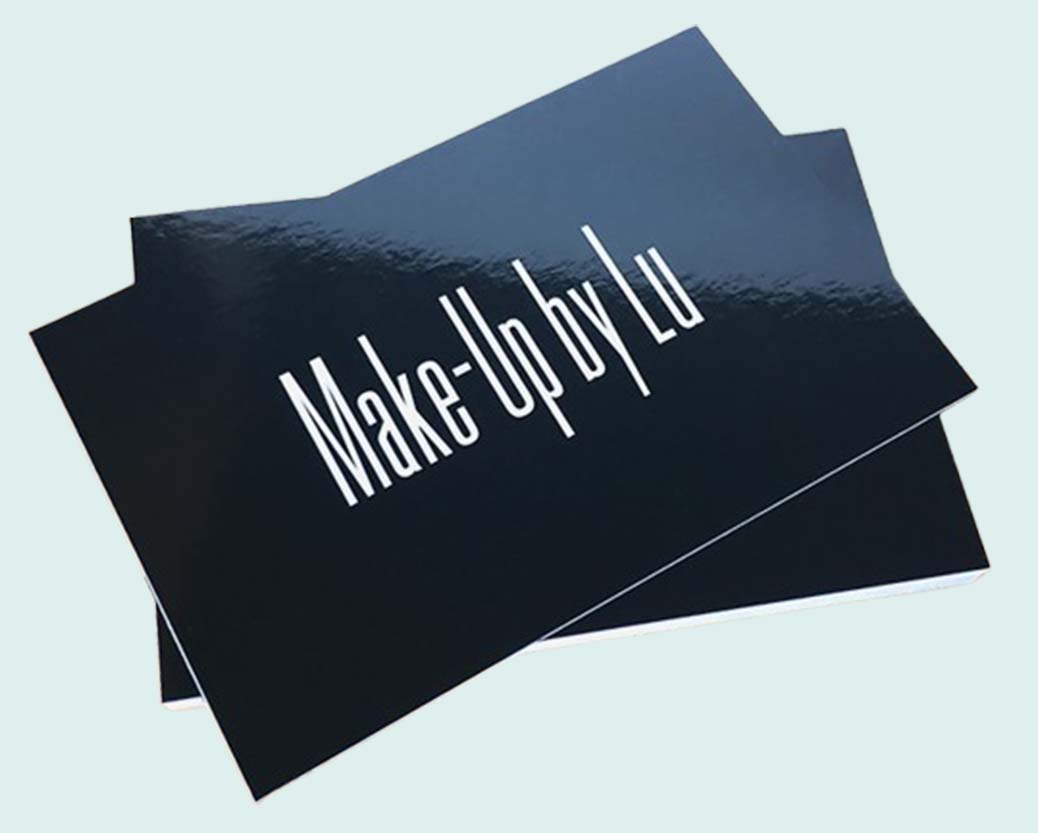
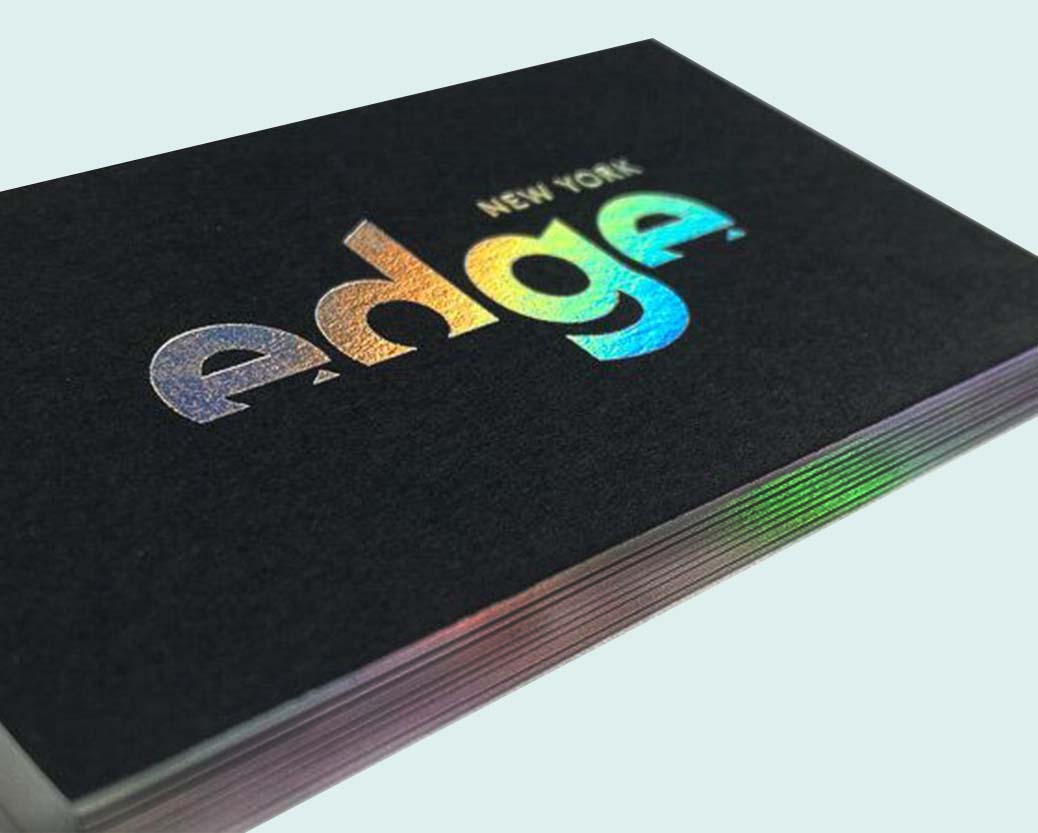
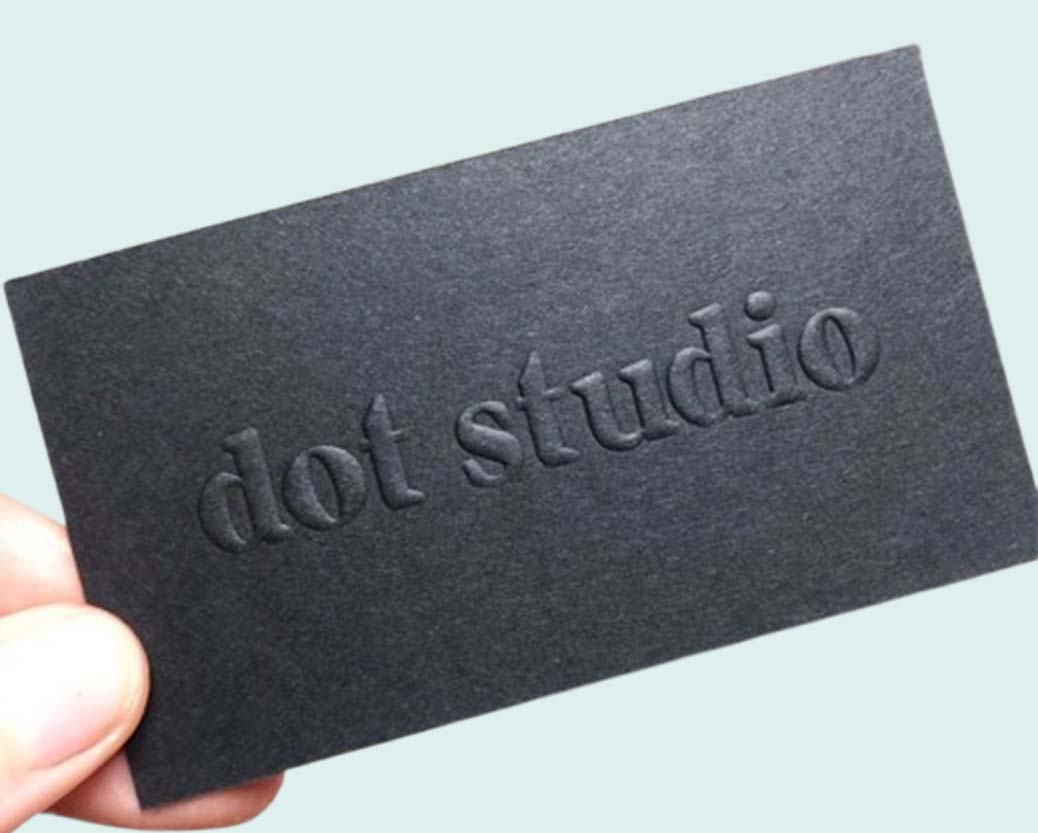
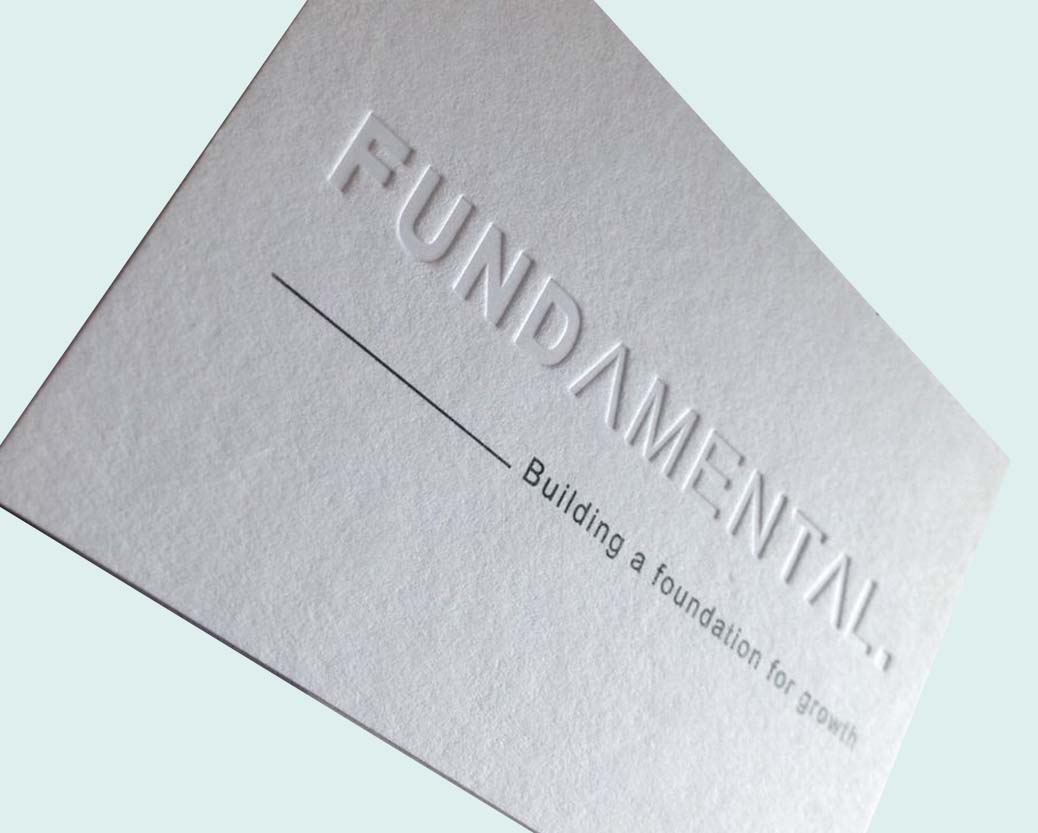
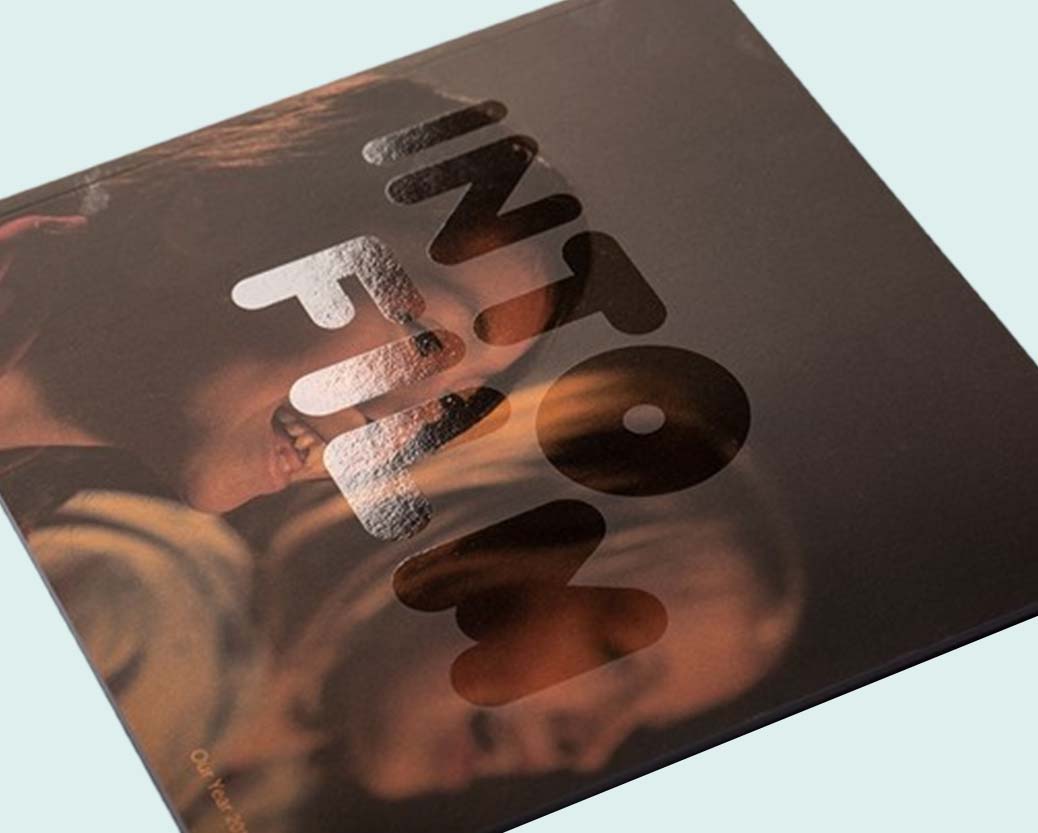
The finish is what people notice the moment they pick up the box. You can choose matte, gloss, or soft-touch lamination, gloss AQ coating, gloss UV, matte UV, or spot UV. For texture, there's embossing and debossing. For shine, there's foil stamping and holographic foil.
Our honest advice for lingerie brands is to go with matte or soft-touch. They feel smooth and quiet in the hand, almost like fabric. Add spot UV or foil to just the logo, and you get contrast without the whole box looking shiny.
Inserts and Packaging Features
Every order includes die cutting, gluing, scoring, and perforation wherever your design calls for it. You can also add paperboard inserts, folded platforms, dividers, or custom trays. These keep molded cups from collapsing and stop matching sets from sliding around. Tissue paper, ribbons, and sleeves are available for gift and premium lines.
Who Orders Our Custom Bra Boxes?
Our custom bra boxes go to all kinds of businesses:
- Startups and Etsy sellers often order a small first run to test a new design.
- Shopify and other online stores need boxes that survive shipping and still look good when opened.
- Established lingerie brands use them for retail and department store programs.
- Bridal boutiques want gift-ready packaging.
- Sports bra brands often need a sturdier box for thicker, compression-style pieces.
Ordering Bra Boxes Wholesale
Buying bra boxes wholesale brings down your cost per box and keeps your packaging consistent across every collection. Our minimum order is just 100 boxes, so small businesses can start small and scale up when sales pick up.
Here's how ordering works:
- Free quote within 24 hours: Send us your size, quantity, and artwork through the quote form.
- No setup fees: We don't charge for dies or printing plates.
- Proof before production: You'll get a flat view and a 3D mockup. Physical samples are available on request.
- Fast turnaround: Production usually takes 7 to 8 business days after you approve your proof.
- Free shipping in the USA: Boxes ship flat, so they take up less storage space until you're ready to pack.
Final pricing and production time are always confirmed before you pay, so there are no surprises.
Planning Your Order Size
A good rule of thumb is to order enough boxes to cover a few months of sales. You'll get a better unit price than you would by reordering small batches. You also won't tie up cash and storage space in boxes you won't need for a year.
Eco-Friendly Options
Plenty of shoppers now check whether packaging can be recycled before they toss it. You can choose recyclable cardboard, kraft board, recycled boxes, or biodegradable materials. Right-sized boxes help too, since they use less material and take up less room in the shipping carton.
Get a Free Quote on Your Bra Packaging
Tell us your bra size, quantity, and the look you're going for, and we'll send you a free quote within 24 hours. Whether it's your first run of custom bra boxes or your tenth reorder, our team will help you choose the right material, style, and finish for your brand and budget.