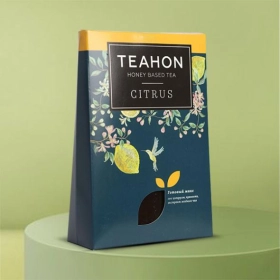
Custom Tea Boxes for Retail, Gifts, and Subscription Brands
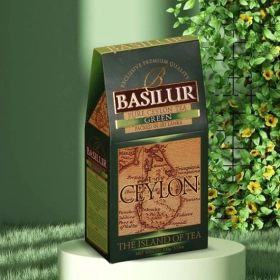
Present every blend with custom tea boxes created for tea bags, loose-leaf pouches, tins, sampler sets, and subscription orders. Choose custom dimensions, sturdy paperboard, premium finishes, branded printing, windows, dividers, and retail-ready closures. Custom Boxes Zone helps U.S. tea brands protect inner packs, organize product information, strengthen shelf appeal, and order dependable packaging in quantities suited to growing businesses nationwide.
Packaging Designed Around the Tea You Sell
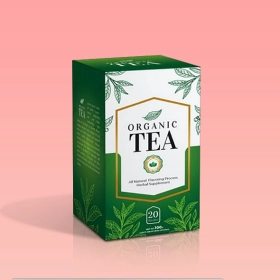
Tea packaging should fit the product format, retail channel, and customer experience. A folding carton for 20 individually wrapped tea bags needs a different structure from a loose-leaf pouch, metal tin, glass jar, gift assortment, or direct-to-consumer subscription kit.
The outer carton protects the primary pack, carries your branding, and presents essential product information. For loose tea or unwrapped sachets, use a suitable sealed inner pouch, liner, tin, or other food-contact component to help manage moisture, oxygen, light, and aroma loss.
Tea Bags and Individually Wrapped Sachets
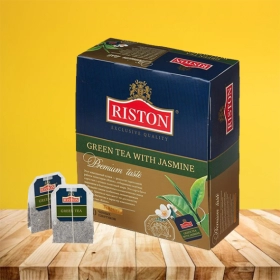
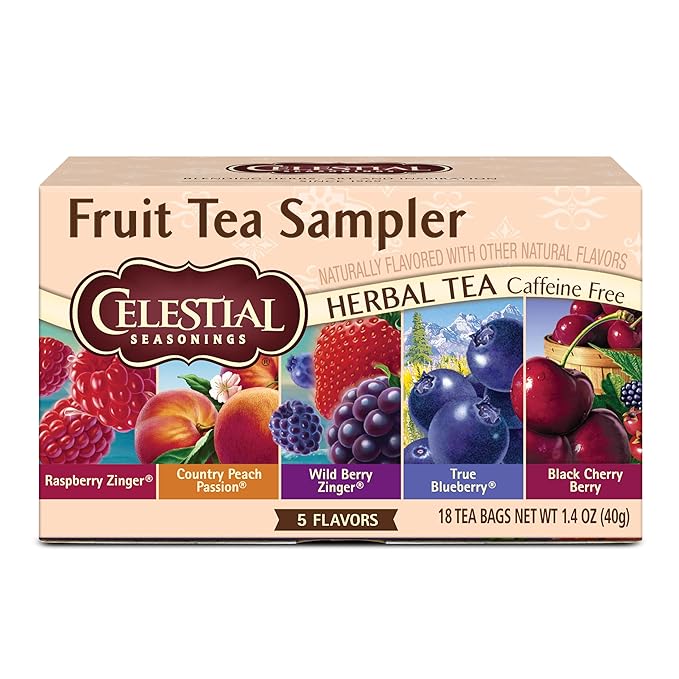
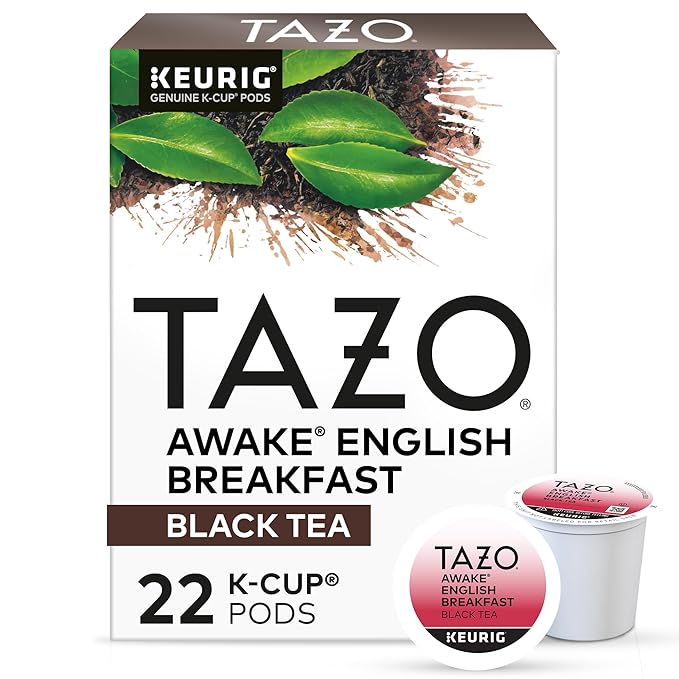
A compact folding carton works well for stacked or upright sachets. Internal paperboard dividers can organize flavors, while a perforated opening can turn the carton into a countertop dispenser. Confirm the sachet dimensions, count, stacking direction, and required headspace before approving the dieline. A snug fit limits movement without crushing wrappers or making the carton difficult to close.
Loose-Leaf Tea Pouches and Refill Packs
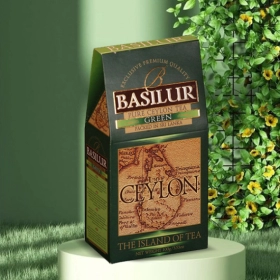
Loose-leaf tea is commonly sealed in a barrier pouch before it enters the paperboard carton. The carton improves shelf presentation, supports the pouch, and provides space for tasting notes, brewing directions, ingredients, and brand storytelling.
Measure the filled pouch rather than the empty film. Tea leaves can create an irregular shape, so the box needs enough clearance for packing without leaving excessive empty space.
Tea Tins, Jars, and Canisters
Sleeves, folding cartons, and rigid presentation boxes can be built around cylindrical or rectangular containers. Inserts help prevent movement and reduce contact between tins in multi-product sets. Provide the maximum outside dimensions of the filled container, including lids, seams, labels, and decorative features. Small tolerances should also account for normal manufacturing variation.
Samplers, Gift Sets, and Subscription Kits
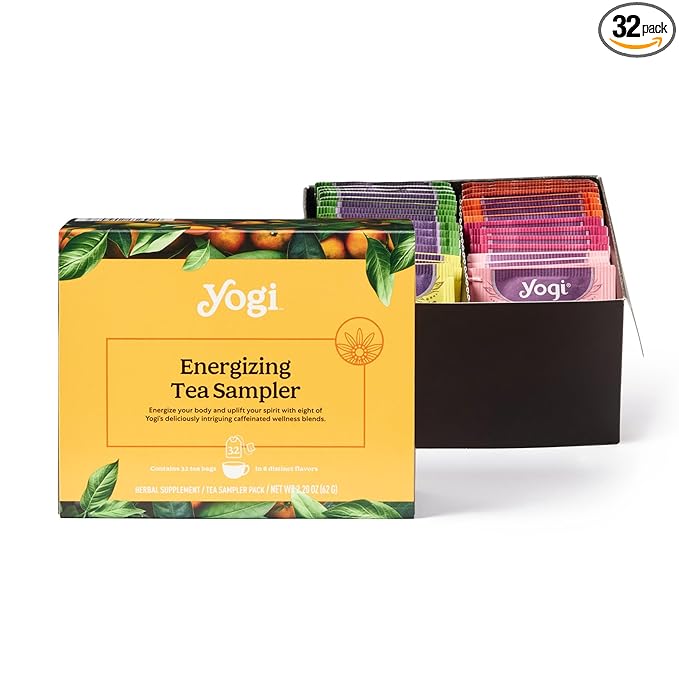
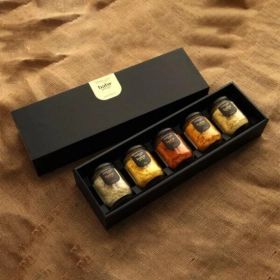
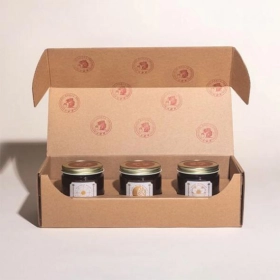
Sampler packaging may include individual compartments for sachets, mini tins, infusers, cups, honey sticks, or brewing accessories. A tray-and-sleeve or rigid box creates a guided unboxing experience and keeps each item in position. Subscription orders often need two packaging levels: attractive retail cartons around the tea and a corrugated mailer that withstands shipping. Designing both together can reduce scuffing, crushed corners, and wasted space.
Choose the Right Tea Box Size
There is no single standard size that fits every blend or package format. Start with the dimensions and count of the primary pack, then add practical clearance for loading, closing, inserts, and board thickness. Measure dimensions as length × width × height using the internal usable space. For a tapered, curved, or unusually shaped container, provide samples or a technical drawing so the structure can be tested accurately.
| Tea Product Format |
Useful Planning Range |
Important Fit Check |
| 20 tea bags or sachets |
About 3.25–4.5 × 2.25–3.5 × 4–6 inches |
Wrapper size, stacking direction, and dispenser opening |
| 40–50 tea bags |
About 4–6 × 3–4.5 × 5–7.5 inches |
Filled weight, carton bulging, and shelf depth |
| Loose-leaf pouch carton |
Sized around the filled pouch |
Pouch expansion, zipper position, and heat seals |
| Single tea tin or jar |
Matched to the container dimensions |
Lid clearance, insert fit, and movement during transit |
| Multi-flavor sampler |
Fully customized compartments |
Product count, divider strength, and presentation order |
| Subscription or gift set |
Based on all components together |
Shipping protection, empty space, and unboxing layout |
These ranges are starting points, not final production specifications. Always test a blank sample with the actual tea packs before ordering a complete production run.
Allow Space for Inserts and Closures
Paperboard dividers, platforms, window patches, locking tabs, and dust flaps all use internal space. Include these features during structural planning instead of adding them after the dimensions are finalized. The box should close without forcing the panels and should remain square when filled. Overly tight cartons slow packing, while oversized cartons increase material use and allow products to shift.
Materials for Strength, Printing, and Presentation
Material selection affects rigidity, color reproduction, surface texture, shipping performance, and cost. The best stock depends on whether the package is a retail carton, premium gift box, countertop display, or shipping mailer.
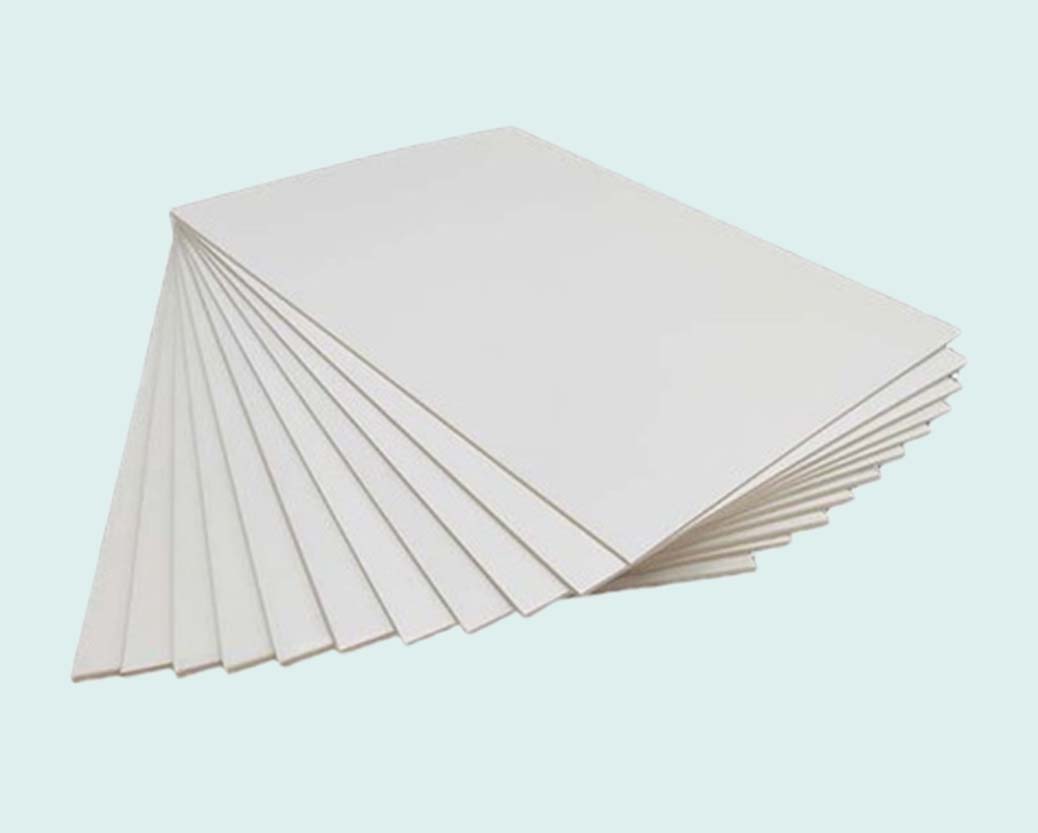
SBS Paperboard
Solid bleached sulfate paperboard has a smooth white surface that supports crisp graphics, fine text, and bright colors. It is a practical choice for premium tea bags, wellness blends, matcha, and retail products that need a clean appearance. Stock thickness should be chosen according to the finished size and product weight. A larger carton or heavy tin may require a stronger grade than a lightweight sachet box.
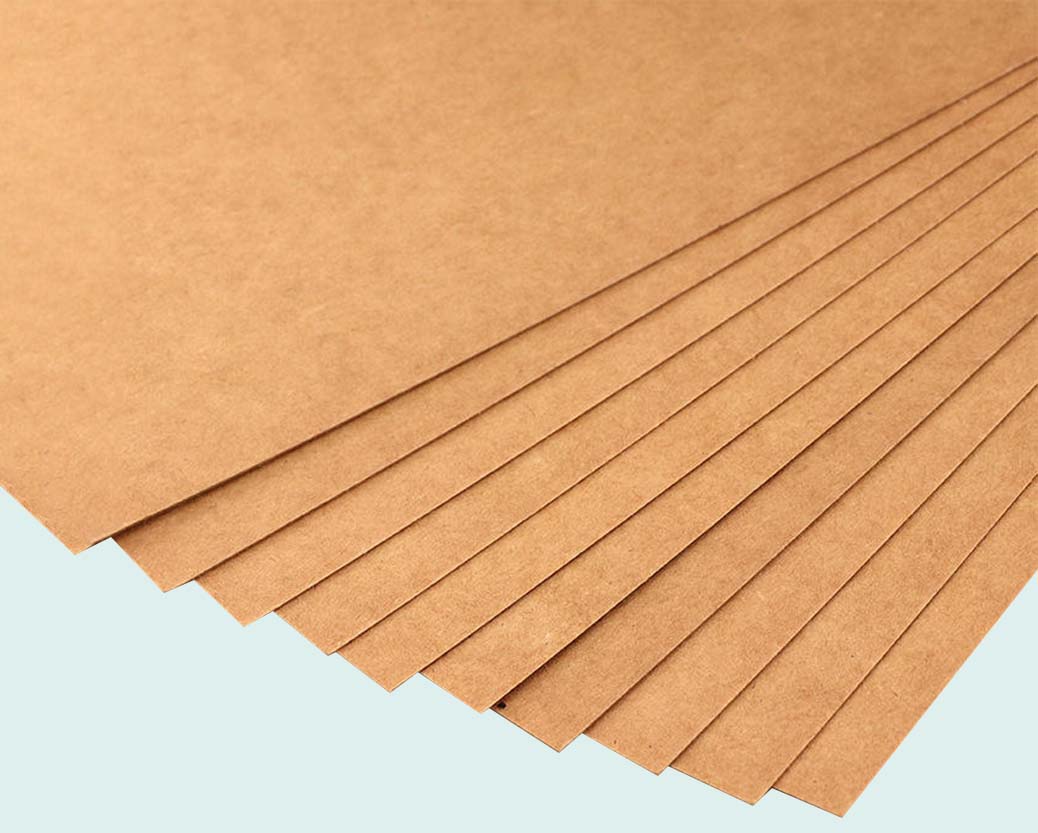
Natural Kraft Paperboard
Kraft paperboard provides an earthy, understated look that suits herbal, craft, botanical, and naturally positioned brands. Dark inks, simple illustrations, and selective white printing can create strong contrast. Do not treat the brown appearance alone as proof of sustainability. Ask for verified information about recycled content, sourcing, coatings, and end-of-life options before making environmental claims.
Recycled Paperboard
Recycled paperboard can be useful for selected folding cartons, sleeves, and inserts. Its reverse side and printing surface may differ from virgin white board, so samples help confirm color, texture, and finishing quality. When the carton surrounds a sealed pouch or tin, recycled board may be a practical secondary-packaging option. Direct-contact applications require material and compliance review for the intended use.
Rigid Chipboard
Rigid boxes use thick board wrapped with printed or specialty paper. They offer a substantial feel for luxury tea collections, holiday gifts, corporate sets, and limited editions. These boxes cost more and take up more storage space than folding cartons. Collapsible rigid structures may reduce freight and storage volume while preserving a premium presentation.
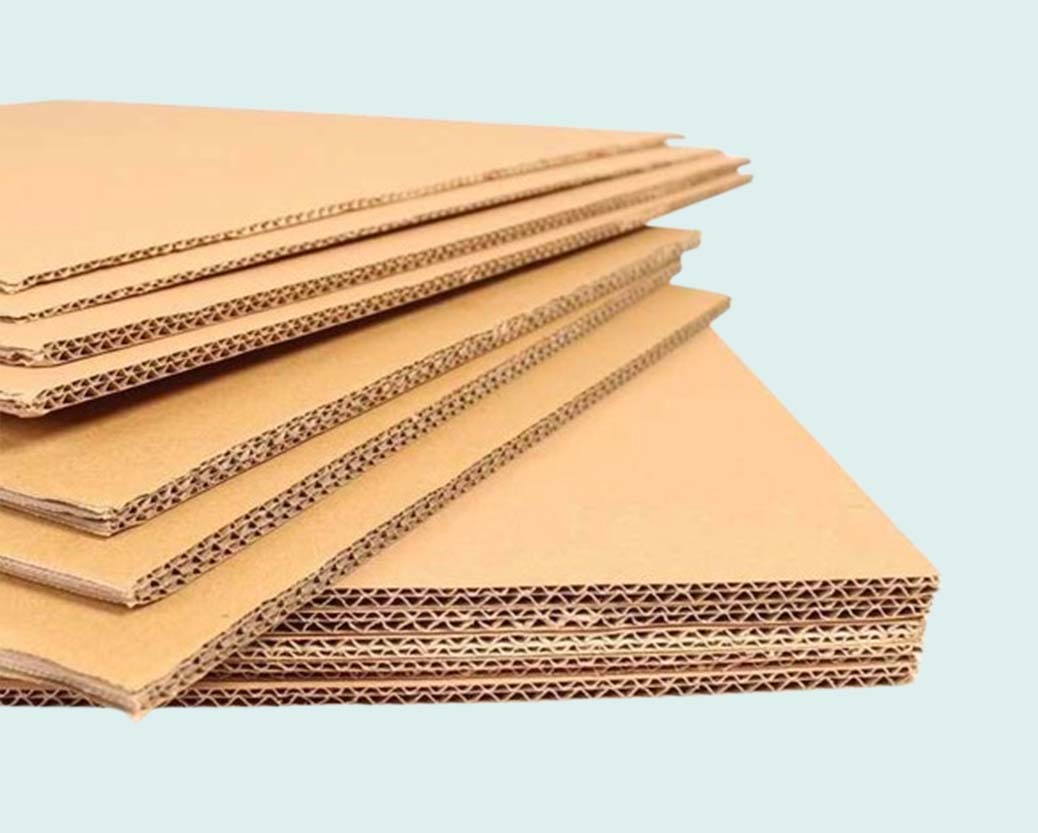
E-Flute C
Corrugated Board
E-flute corrugated material adds crush resistance for subscription kits, ecommerce shipments, multipack assortments, and heavier gift sets. It can be printed directly or covered with a high-graphics label or wrap. Use an insert or fitted interior when tins, jars, or several cartons must remain separated. Shipping tests should reflect the complete packed weight and actual fulfillment route.
Box Styles for Different Tea Products
The structure should support packing speed, shelf display, customer access, and transportation. Select a familiar style for everyday retail products or a more distinctive format for gifting and brand launches.
Straight Tuck-End Cartons
Both top and bottom flaps tuck in the same direction, creating a clean front panel and simple assembly. This style is suitable for tea bags, small pouches, and lightweight tins. It works best when the product does not place excessive pressure on the bottom. A bottom seal or stronger closure may be needed for heavier contents.
Reverse Tuck-End Cartons
The top and bottom closures tuck in opposite directions. This economical folding-carton style nests efficiently on the press sheet and suits many standard retail products. Panel orientation should be checked carefully so the front, back, and opening direction match the desired shelf presentation.
Auto-Lock and Snap-Lock Bottom Boxes
A locking bottom provides more support than a basic tuck closure. Auto-lock cartons open quickly during packing, while snap-lock bottoms are manually interlocked. These styles are useful for larger tea-bag counts, pouches, and small tins. Test the base using the complete packed weight before production.
Tray-and-Sleeve Boxes
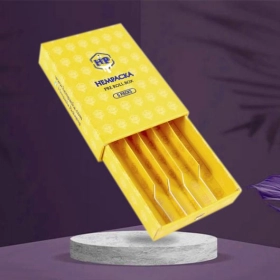
A sliding tray creates a gradual reveal and works well for tea samplers, premium sachets, tasting flights, and small gift sets. The sleeve provides a large, uninterrupted area for artwork. Finger notches, ribbon pulls, and fitted inserts can improve access. The tray should slide smoothly without opening accidentally during handling.
Window Tea Boxes
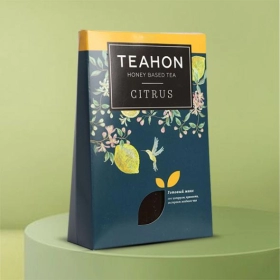
A die-cut window can display sachets, pouches, tins, or an organized sampler. The opening should be positioned where it adds value without weakening the box or covering required product information. Choose the window film or plastic-free alternative according to visibility, product protection, recycling goals, and supplier availability.
Dispenser and Counter Display Boxes
A perforated panel allows customers or staff to remove sachets one at a time. Dispenser structures are helpful for cafés, hotels, offices, tasting rooms, and retail counters. The opening must retain the remaining products and resist tearing during repeated use. Test the perforation with the actual wrappers and intended display position.
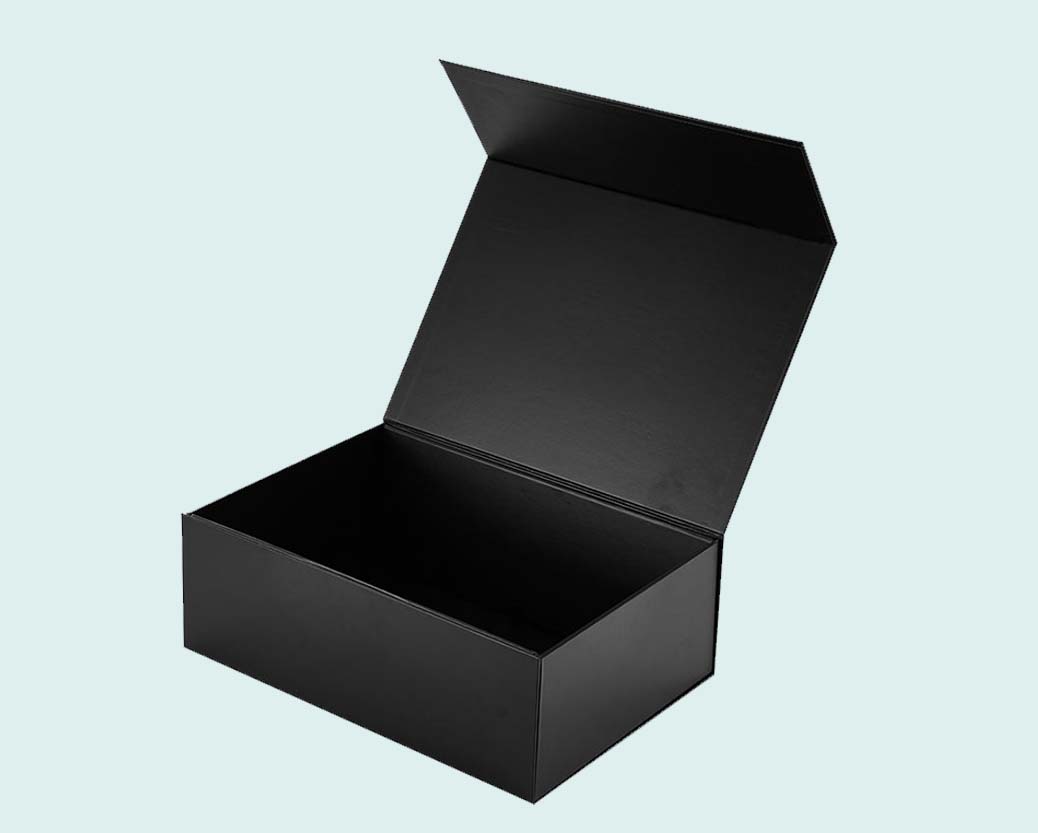
Magnetic and Book-Style Rigid Boxes
Magnetic closures and hinged book-style boxes create a premium gift experience. They provide space for storytelling, tasting menus, origin maps, and carefully arranged accessories. Magnets, ribbons, foam, and plastic inserts can complicate recycling. Paper-based alternatives may be preferable when end-of-life simplicity is a priority.
Custom Tea Boxes That Support Freshness and Product Protection
A paperboard carton alone is not usually the primary aroma barrier for loose tea. Freshness depends on the complete pack, including the sealed pouch, tin, liner, closure, storage conditions, and expected shelf life. Use a compatible inner package to manage exposure to humidity, oxygen, light, and surrounding odors. The carton should fit closely enough to protect the inner pack without puncturing seals or stressing closures.
Plan for Retail and Warehouse Conditions
Consider temperature changes, humidity, stacking pressure, shelf lighting, and transport vibration. A coating that looks attractive in a sample room may behave differently in a warehouse or delivery network. For ecommerce orders, test the retail carton inside its shipping mailer. Corners, windows, foil, and soft-touch surfaces may need additional protection against rubbing and impact.
Review Food-Contact Components
When any paper, coating, adhesive, ink, liner, or window component may contact tea directly, confirm that it is suitable for the intended food-contact use. The exact requirement depends on the pack construction and application. nKeep technical documentation from the material supplier and avoid broad claims such as “FDA approved” unless the claim accurately reflects the specific component and intended use.
Printed Tea Boxes for Clear Retail Communication
Strong packaging helps shoppers understand the blend quickly. Use the principal display panel for the product name, tea type, flavor cue, and net quantity, then organize supporting information on the side and back panels. High-resolution CMYK printing suits photographs, botanical illustrations, gradients, and multicolor designs. PMS colors may provide tighter consistency for important brand shades, especially across a coordinated product range.
Build a Clear Panel Hierarchy
The front should communicate the brand and blend at a glance. Side panels can carry tasting notes, origin, caffeine level, brewing temperature, steeping time, serving suggestions, and sustainability information that can be verified.
Reserve sufficient space for ingredients, allergen information when applicable, Nutrition Facts when required, net quantity, business details, lot coding, best-by information, and a UPC or another retail barcode. Final labeling should be reviewed for the specific product and U.S. sales channel.
Use Color to Organize Multiple Blends
A consistent master layout helps customers recognize the brand, while controlled color changes distinguish green, black, white, oolong, herbal, chai, wellness, and seasonal varieties. Keep text contrast high and avoid relying on color alone to communicate essential differences. Clear names and icons can support accessibility and faster shelf selection.
Add QR Codes Carefully
QR codes can link to brewing videos, sourcing information, subscriptions, loyalty programs, recipes, or laboratory documentation. Leave an uncluttered quiet zone around the code and test it at the final printed size. Do not place the code across a fold, curved edge, foil area, or highly reflective finish. The destination page should remain active and mobile-friendly.
Tea Boxes With Logo for Stronger Brand Recognition
A visible logo helps connect the retail package, website, social content, shipping experience, and repeat purchase. Keep the primary mark on the front panel and repeat it selectively rather than covering every surface. Logo size should be tested on a physical proof. Fine lines, tiny registered symbols, and delicate type may disappear when printed on textured kraft stock or covered by certain finishes.
Coordinate the Entire Product Range
Use shared typography, panel order, icon style, and finishing rules across every blend. This creates a recognizable family while leaving room for flavor-specific illustrations and color systems. Consistent dielines can also simplify production when several products use the same count and inner pack. Only the printed artwork changes, which may improve ordering efficiency.
Finishes and Add-Ons
Finishing should reinforce the price point and brand story without reducing readability or complicating packing. Request production samples when combining several decorative techniques.
Matte, Gloss, and Soft-Touch Lamination
Matte lamination reduces glare and creates a smooth, contemporary appearance. Gloss increases shine and color intensity, while soft-touch adds a velvety feel for premium product lines. Lamination can affect recyclability and should be evaluated against durability needs. Water-based coatings may be another option for selected carton applications.
Foil Stamping and Metallic Details
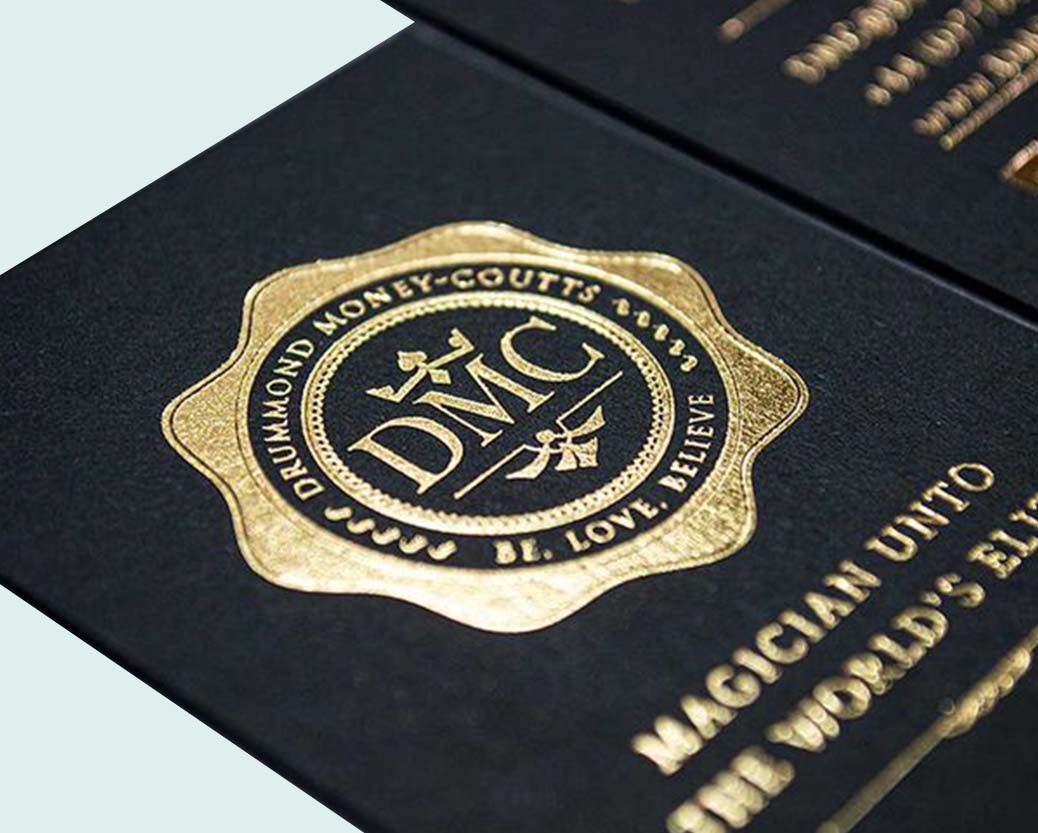
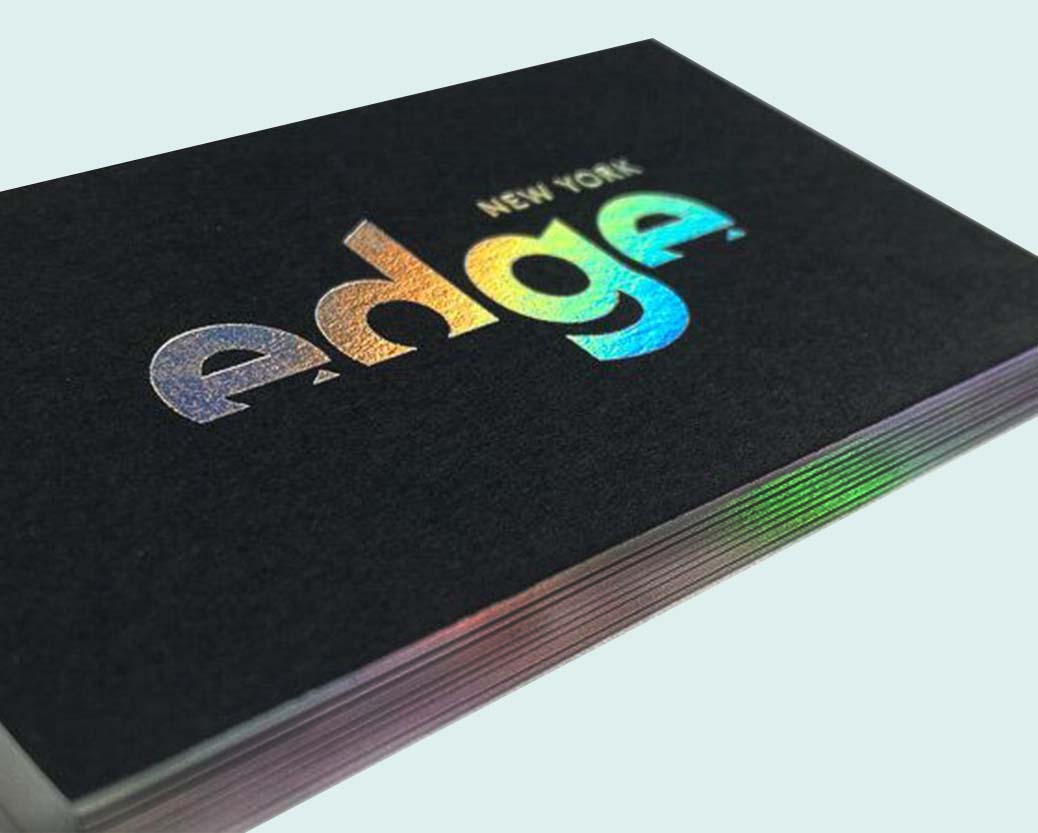
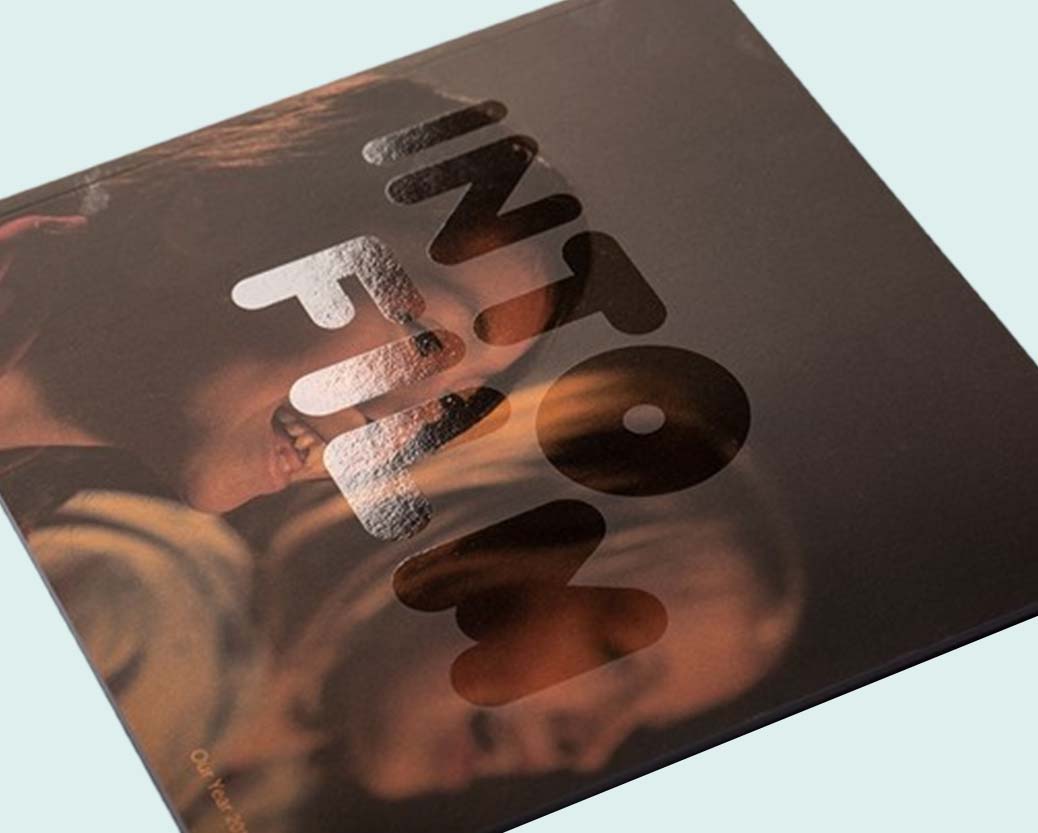
Gold, silver, copper, or colored foil can highlight a logo, tea origin, border, or limited-edition detail. Foil is most effective when used selectively rather than across large areas. Allow enough tolerance around small text and folds. Fine foil elements may fill in, crack, or misregister when the design is too delicate.
Embossing, Debossing, and Spot UV
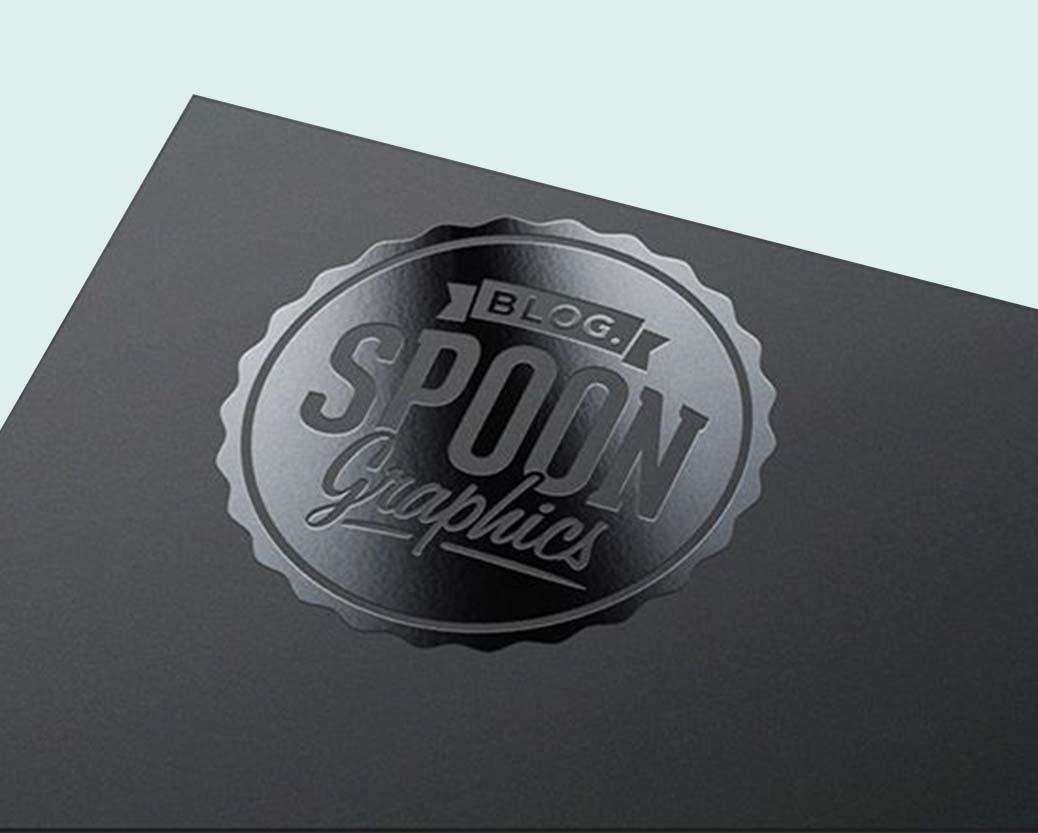
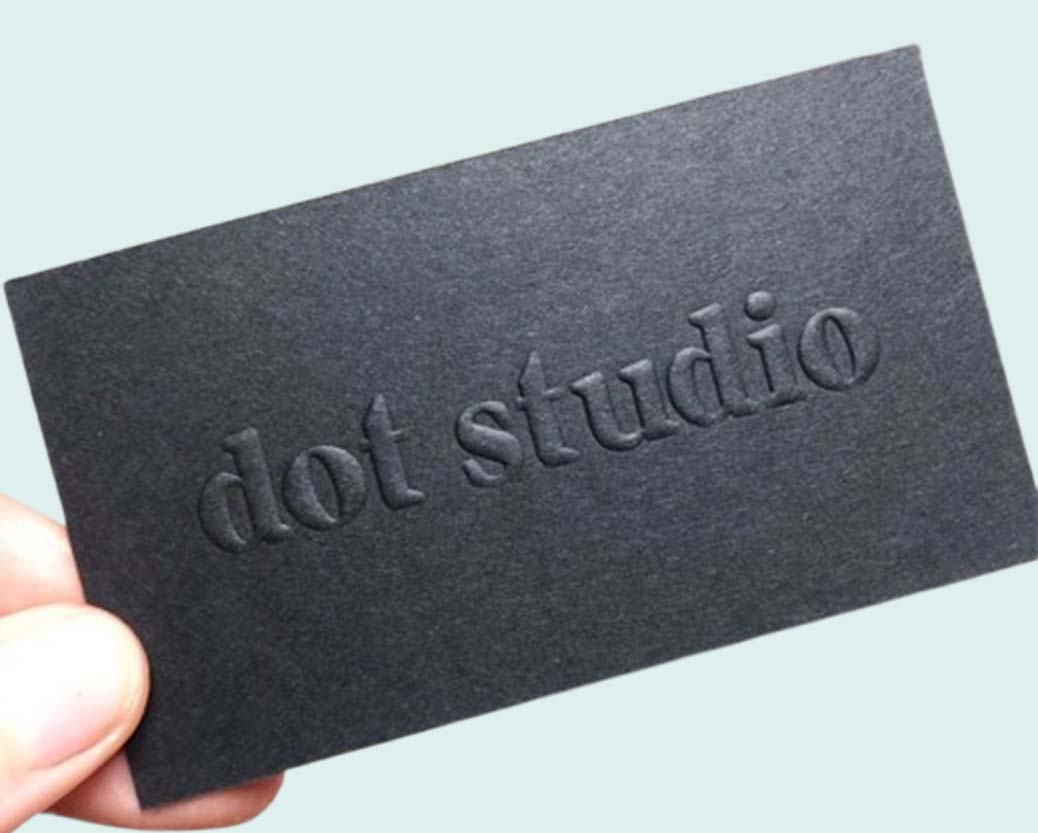
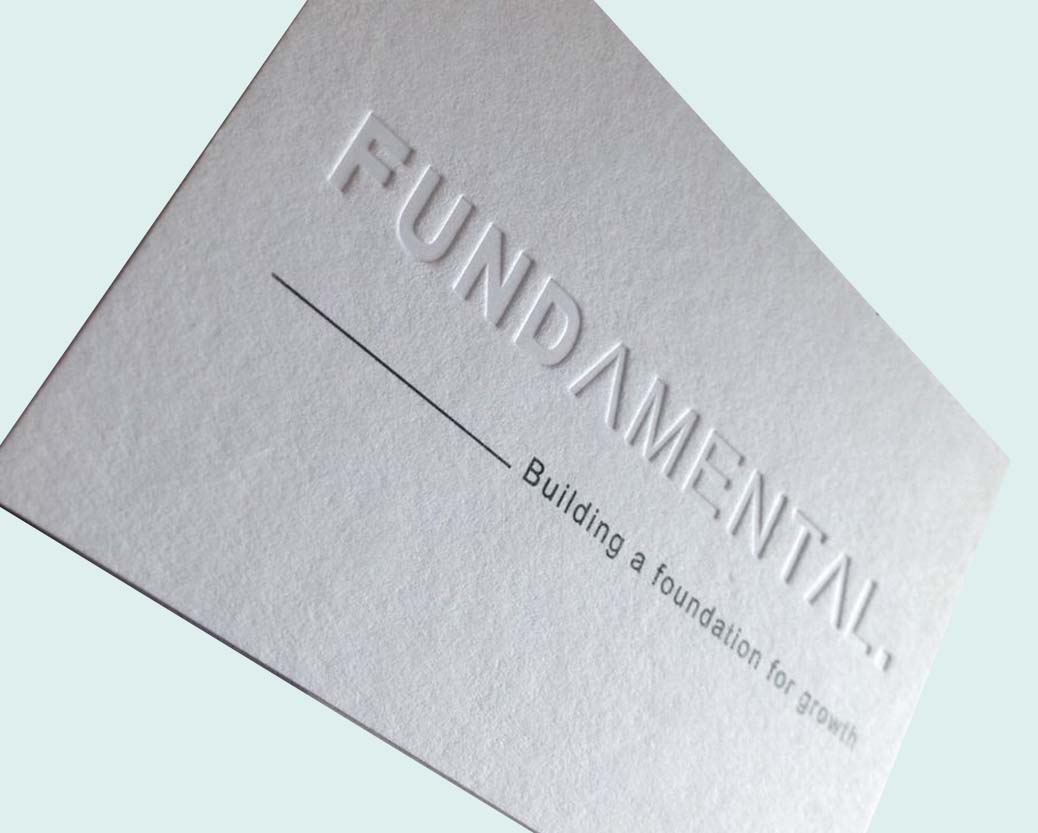
Embossing raises selected elements, debossing presses them inward, and spot UV adds localized shine. These techniques create contrast without changing the entire surface.Keep decorative effects away from barcodes, small regulatory copy, glue areas, and critical fold lines. A physical proof is especially useful for textured designs.
Windows, Inserts, Dividers, and Ribbon Pulls
Windows reveal the product, while inserts and dividers organize tins, sachets, and accessories. Ribbon pulls can make a tray or gift set easier to open.Choose paper-based inserts when practical and make every add-on serve a functional purpose. Unnecessary components increase cost, assembly time, and material use.
Custom Tea Packaging for Retail, Ecommerce, and Gifts
Retail cartons need strong shelf communication and efficient case packing. Ecommerce packs need additional protection against crushing and scuffing, while gift packaging places greater emphasis on presentation and organized product reveals. A coordinated system may include an inner pouch, retail carton, protective insert, corrugated mailer, tissue, and shipping-label area. Designing the complete system prevents one component from undermining another.
Tea Boxes Wholesale for Growing U.S. Brands
Bulk ordering can lower unit costs and keep materials, dimensions, and colors consistent across production runs. Custom Boxes Zone currently lists a minimum run starting at 100 boxes, subject to style, stock, printing, and finishing requirements. Request several quantity tiers instead of pricing only one volume. Comparing 100, 500, 1,000, 5,000, or more units helps balance cost per box, storage space, cash flow, and expected sales.
Plan Quantities by Product
Divide the total order by flavor, size, and artwork version. A 5,000-unit order spread across ten designs is not the same production setup as 5,000 identical cartons. Account for seasonal launches, label changes, promotional editions, and product reformulations. Avoid ordering so much inventory that legally required information or branding becomes outdated before the boxes are used.
Confirm Packing and Shipping Details
Ask how many cartons arrive per case, whether they ship flat, how they are bundled, and how much warehouse space they require. Folding cartons generally store more efficiently than assembled rigid boxes. Confirm production time and transit time separately. Rush manufacturing may not guarantee a specific arrival date unless shipping and approval deadlines are also documented.
Proofing Before Full Production
A flat digital proof helps verify text, colors, images, and panel orientation. A 3D mockup helps visualize the assembled box but cannot fully represent material feel, exact color, or structural performance. For a new dieline, premium finish, window, insert, or large order, request a physical sample when available. Fill it with the real product and test packing, opening, stacking, display, and shipping.
Final Artwork Checklist
Confirm the dieline version, dimensions, bleed, safe areas, fold direction, barcode quality, QR code, spelling, ingredient statement, net quantity, business information, and color references. Outline or package fonts, link high-resolution images, and keep important content away from cuts and creases. Production should begin only after the final artwork and specifications are approved.