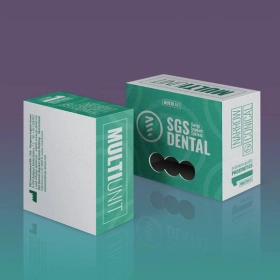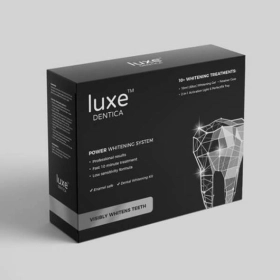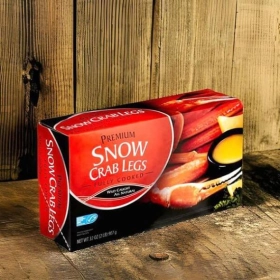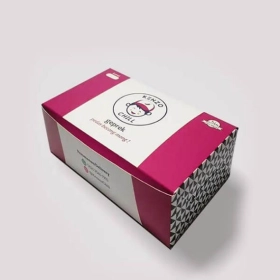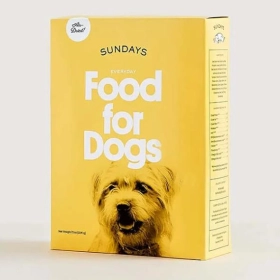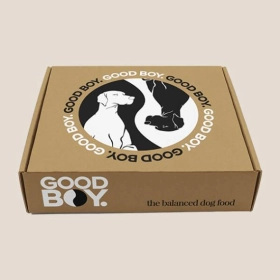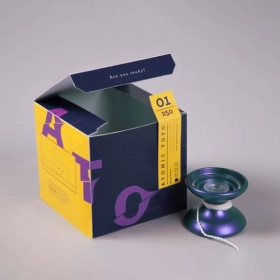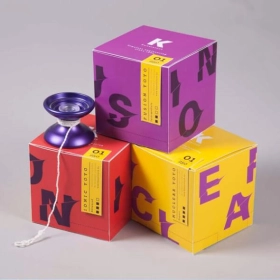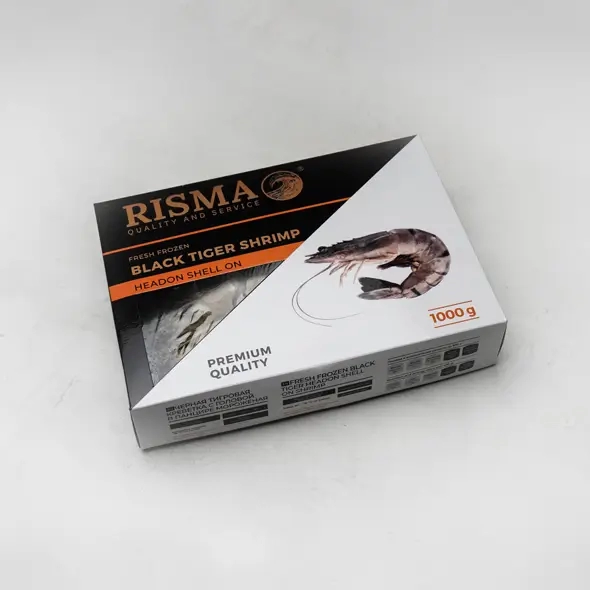
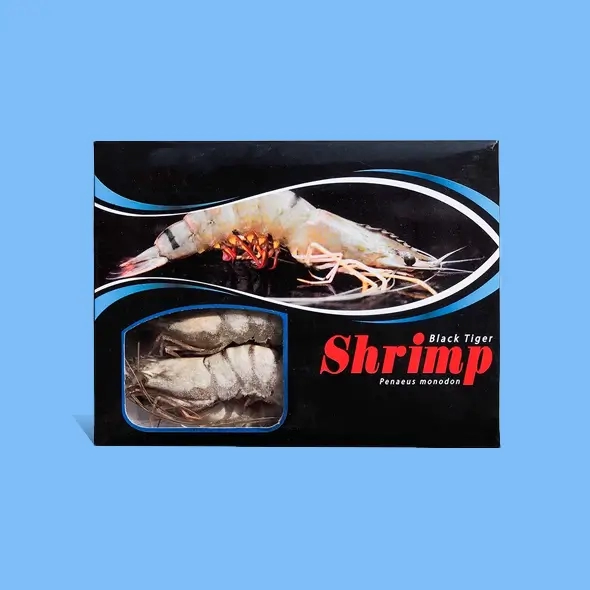
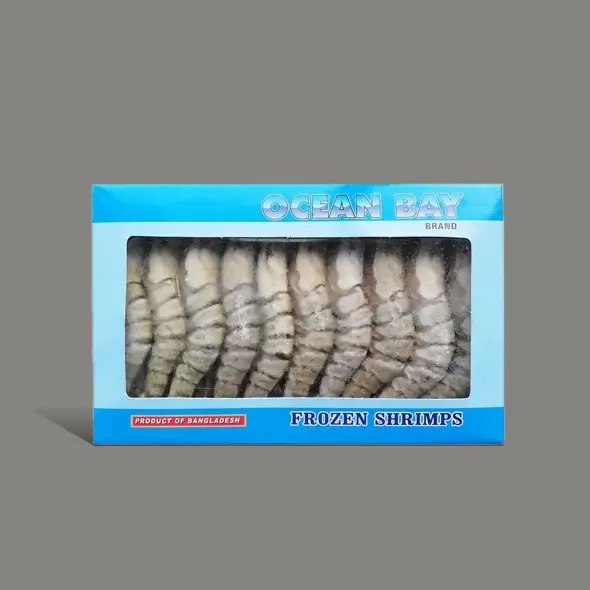
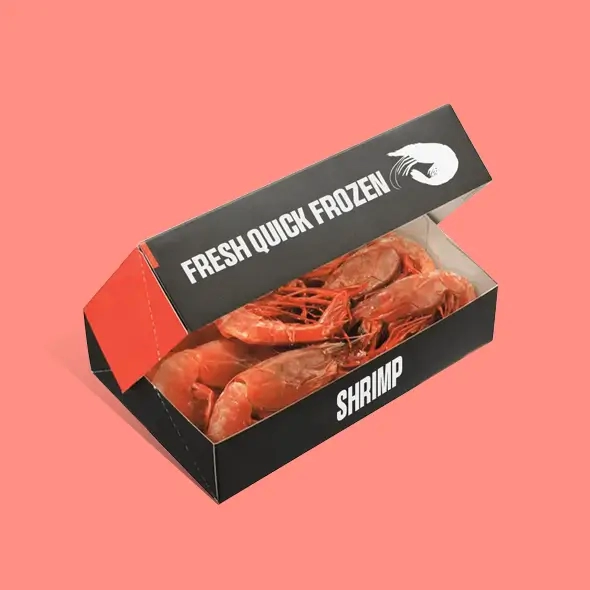












| Box Style | As Mention Above |
|---|---|
| Dimension (L + W + H) | All Custom Sizes & Shapes |
| Minimum Run ( For Boxes and Mylar Bags) | 100 Boxes - 1000 Mylar Bags ( 500 each design) |
| Paper Stock | 10pt to 28pt (60lb to 400lb) Eco-Friendly Kraft, E-flute Corrugated, Bux Board, Cardstock |
| Printing | No Printing, CMYK, CMYK + 1 PMS color, CMYK + 2 PMS colors |
| Finishing | Gloss Lamination, Matte Lamination, Gloss AQ, Gloss UV, Matte UV, Spot UV, Embossing, Foiling |
| Included Options | Die Cutting, Gluing, Scored,Perforation |
| Additional Options | Eco-Friendly, Recycled Boxes, Biodegradable |
| Proof | Flat View, 3D Mock-up, Physical Sampling (On request) |
| Turnaround | 7 - 8 Business Days |
| Shipping | FLAT Position |
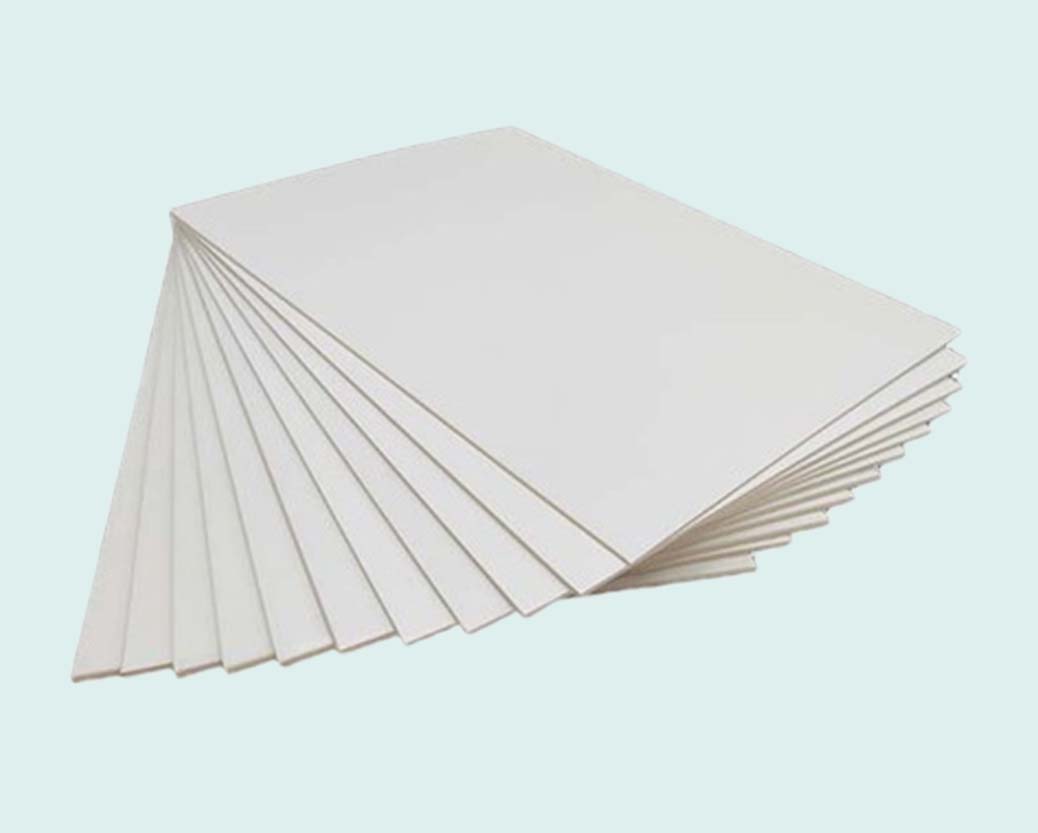
We use eco-friendly cardboard materials designed to minimize environmental impact and reduce waste.
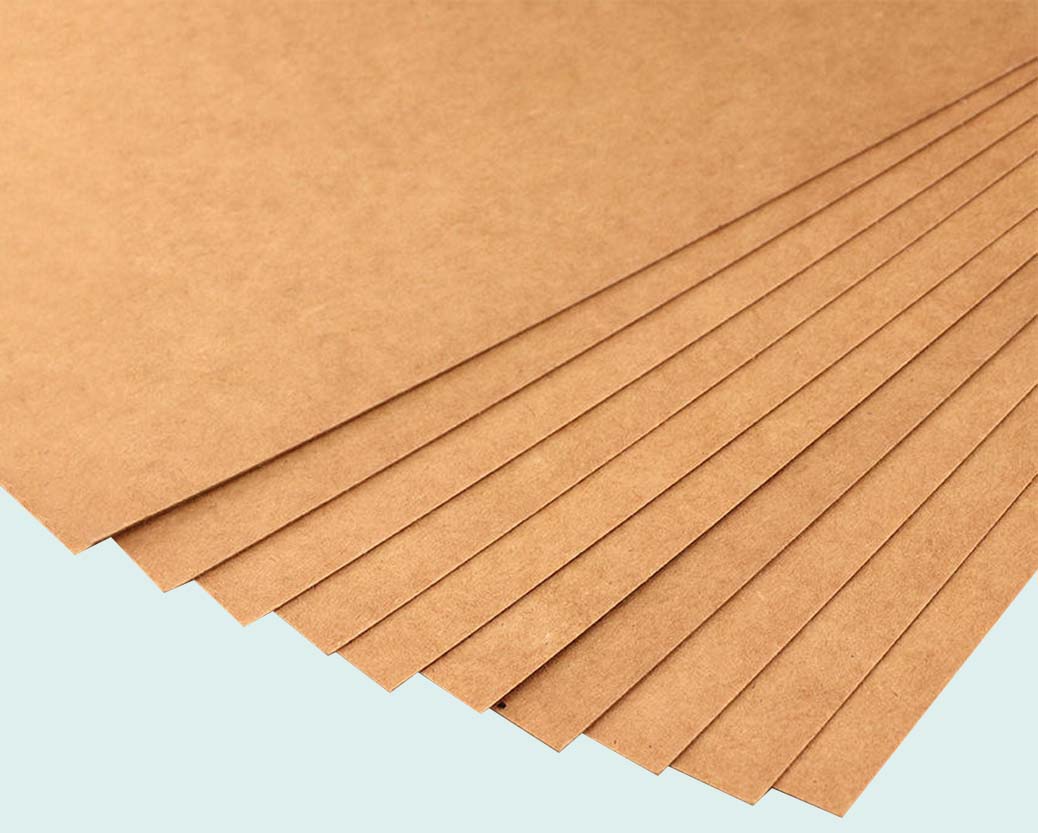
Kraft paper is a sturdy, durable, and dependable material used across multiple industries.
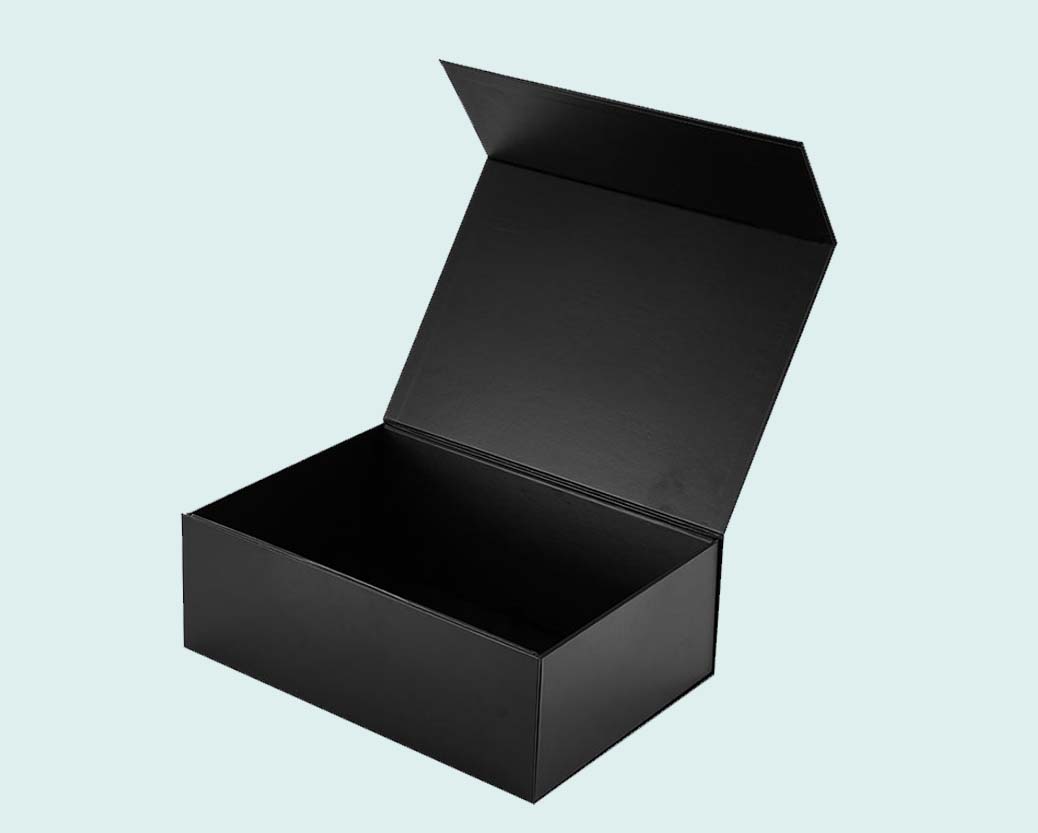
Rigid material is highly protective, cost-effective, and recyclable, offering maximum durability and security.
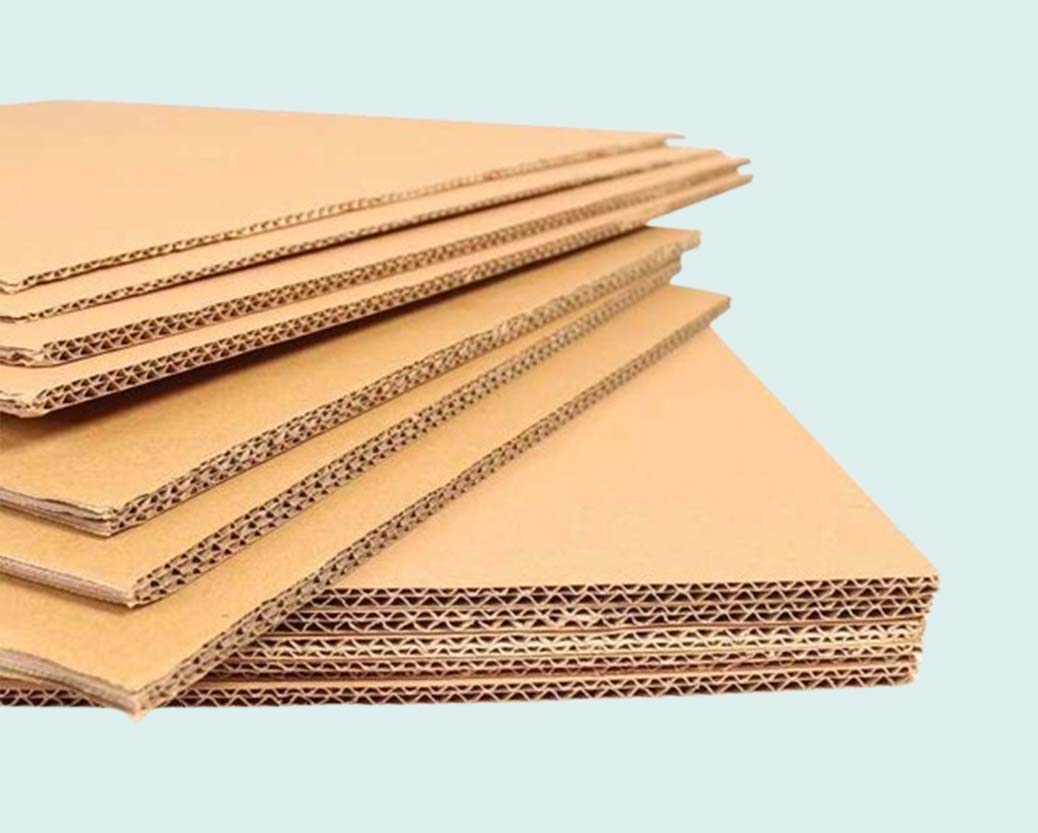
Corrugated material is customizable, cost-effective, and sustainable, making it an excellent choice for branding and shipping.
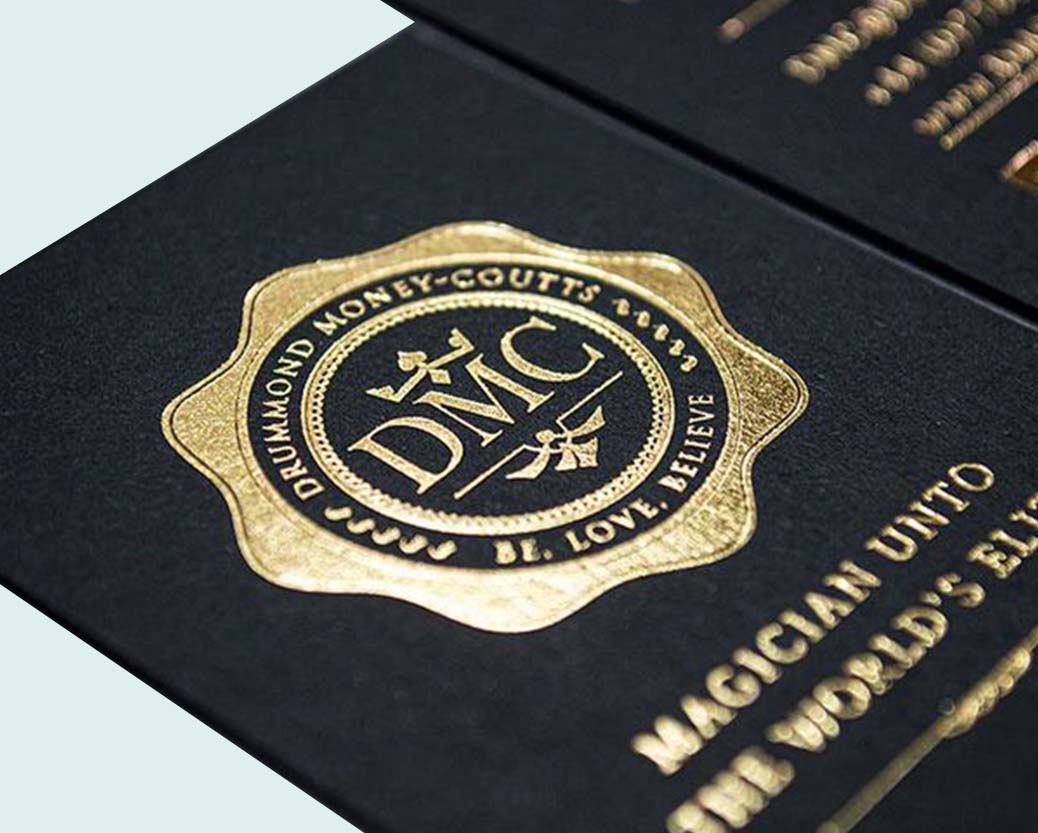
Enhance your product packaging with our premium foil stamping for a sophisticated touch.
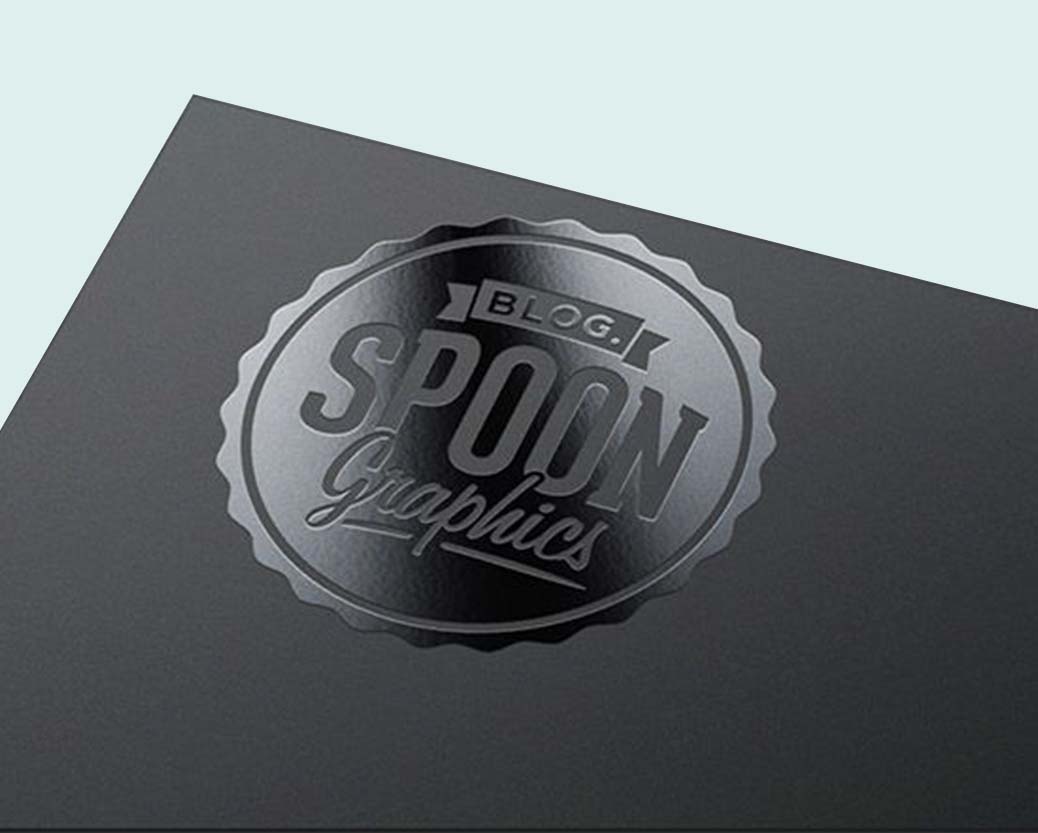
Our high-gloss UV coating enhances shine and provides a sleek, protective finish to your printed materials.
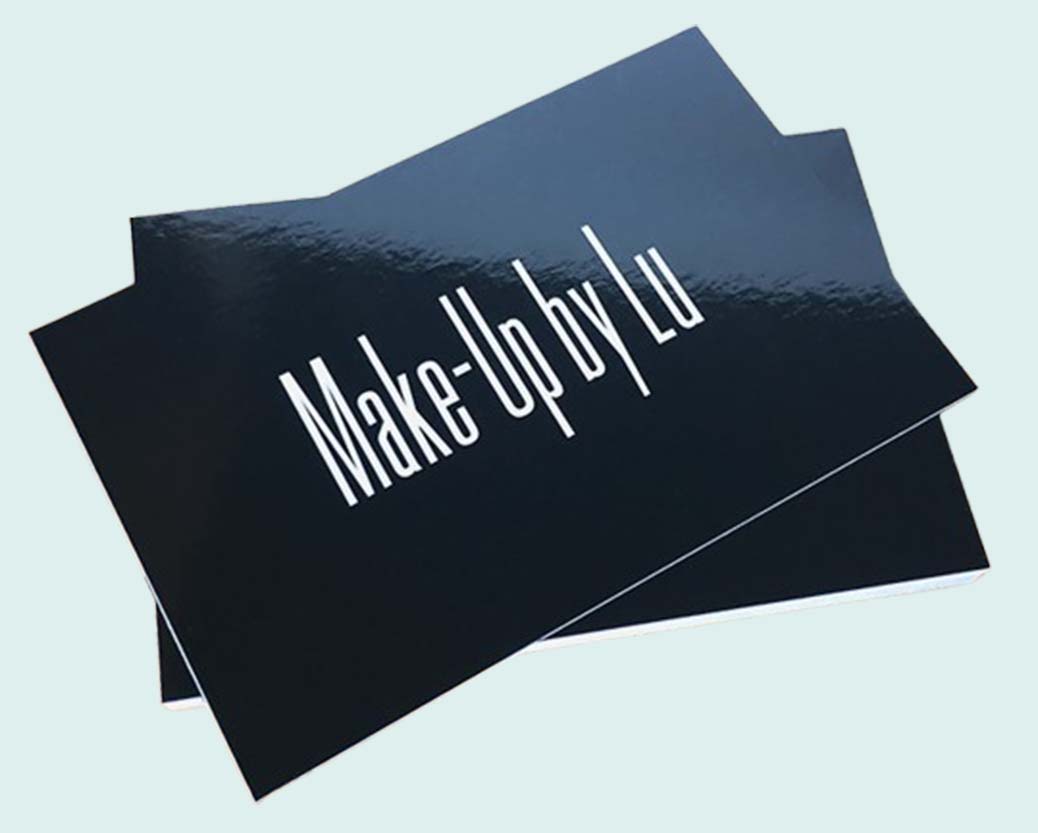
Our glossy finish adds a sleek, eye-catching shine to your packaging.
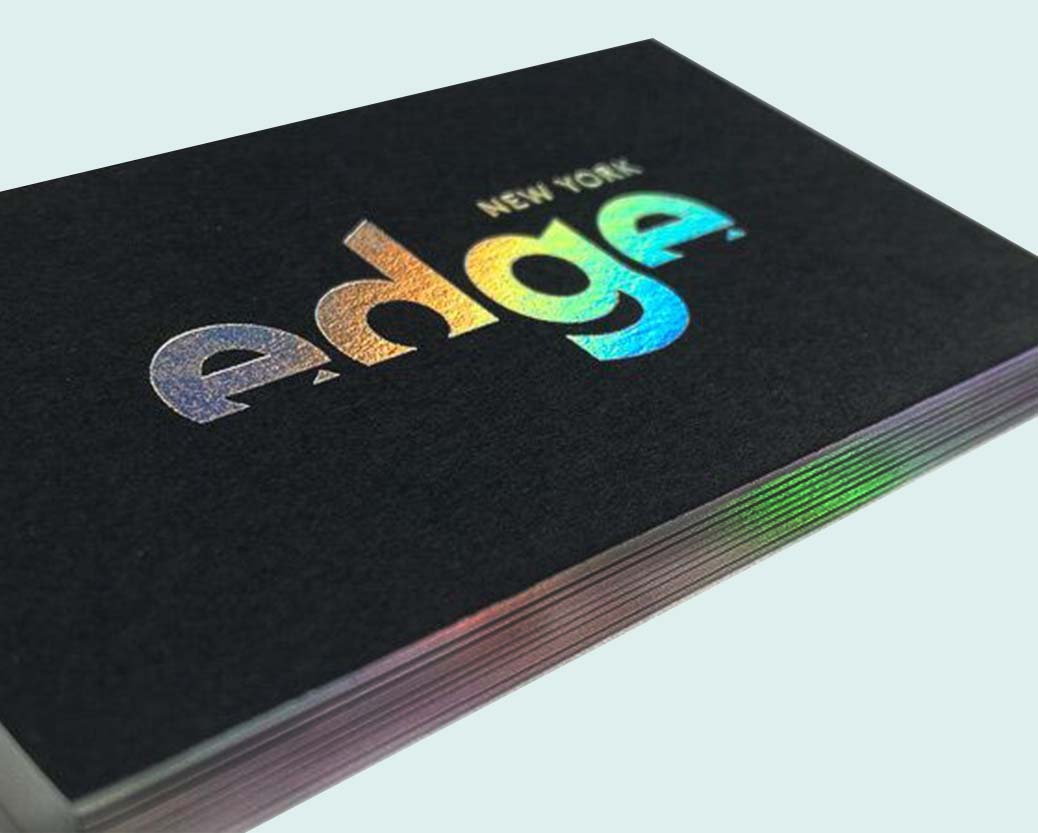
Holographic foil refracts light, creating a stunning rainbow effect from different angles.
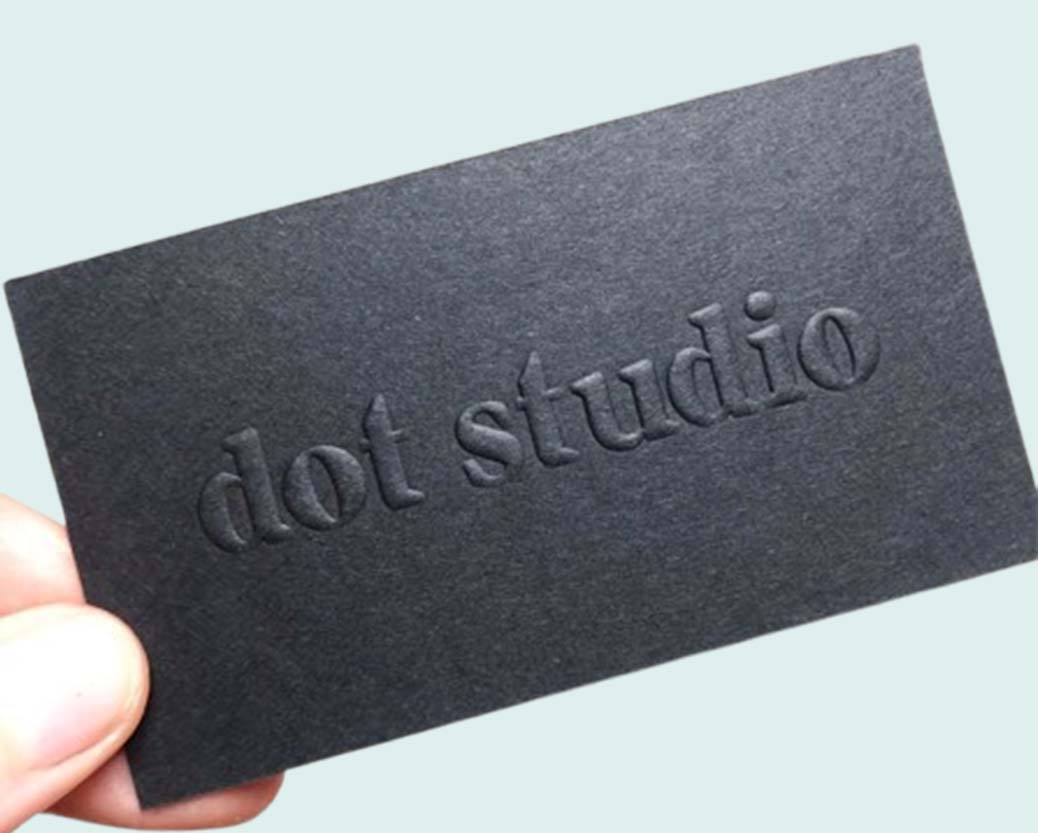
Our embossing technique captures the finest details, adding depth and elegance to your packaging.
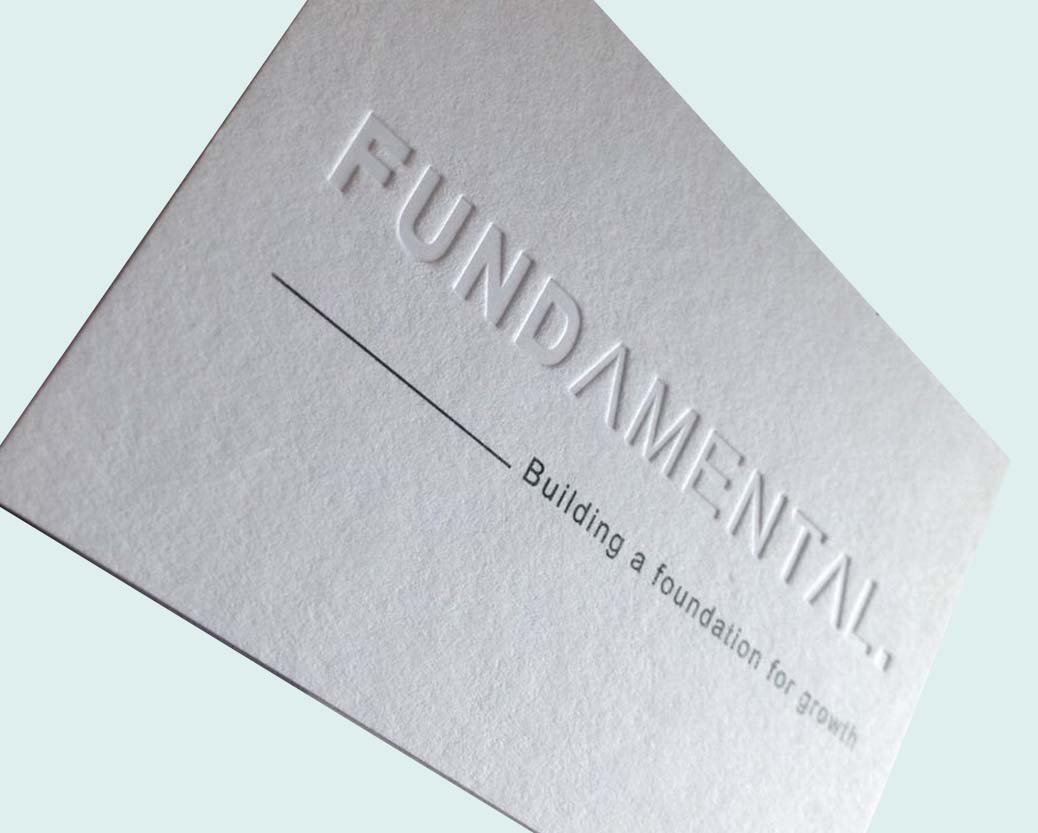
Our debossing technique imprints unique graphics into your packaging, creating a refined and tactile effect.
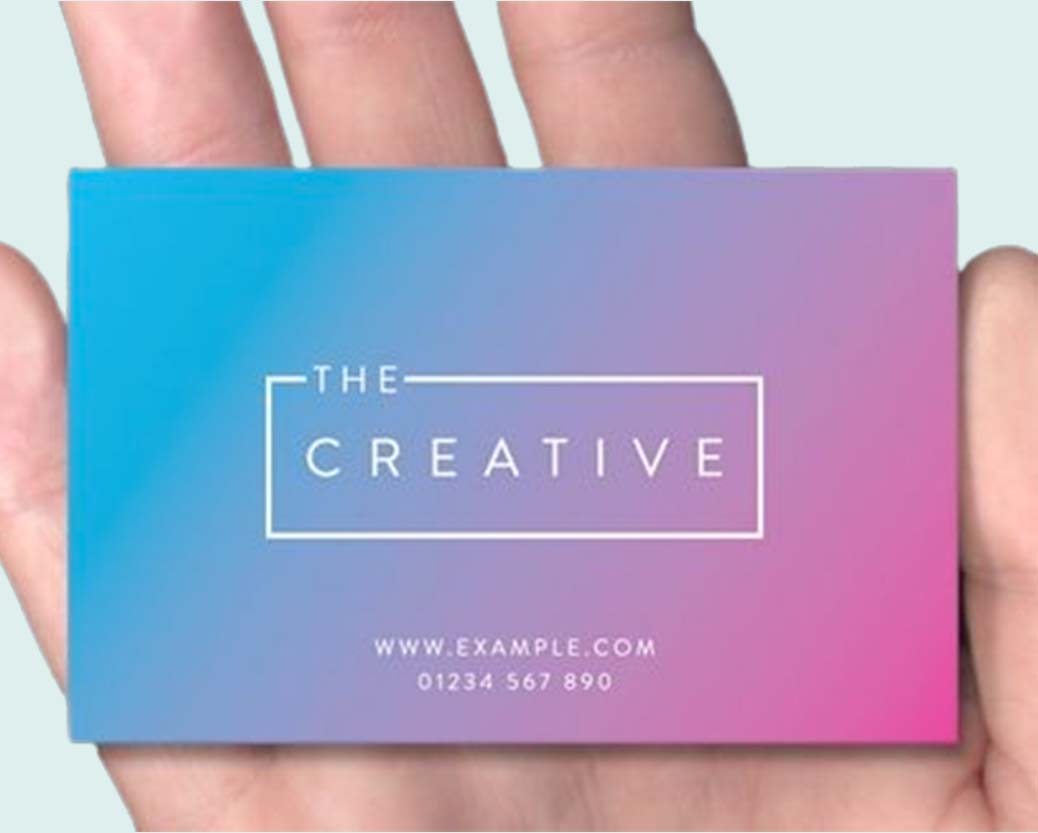
Our matte finish reduces the visibility of fingerprints and smudges, keeping your packaging looking clean and refined.
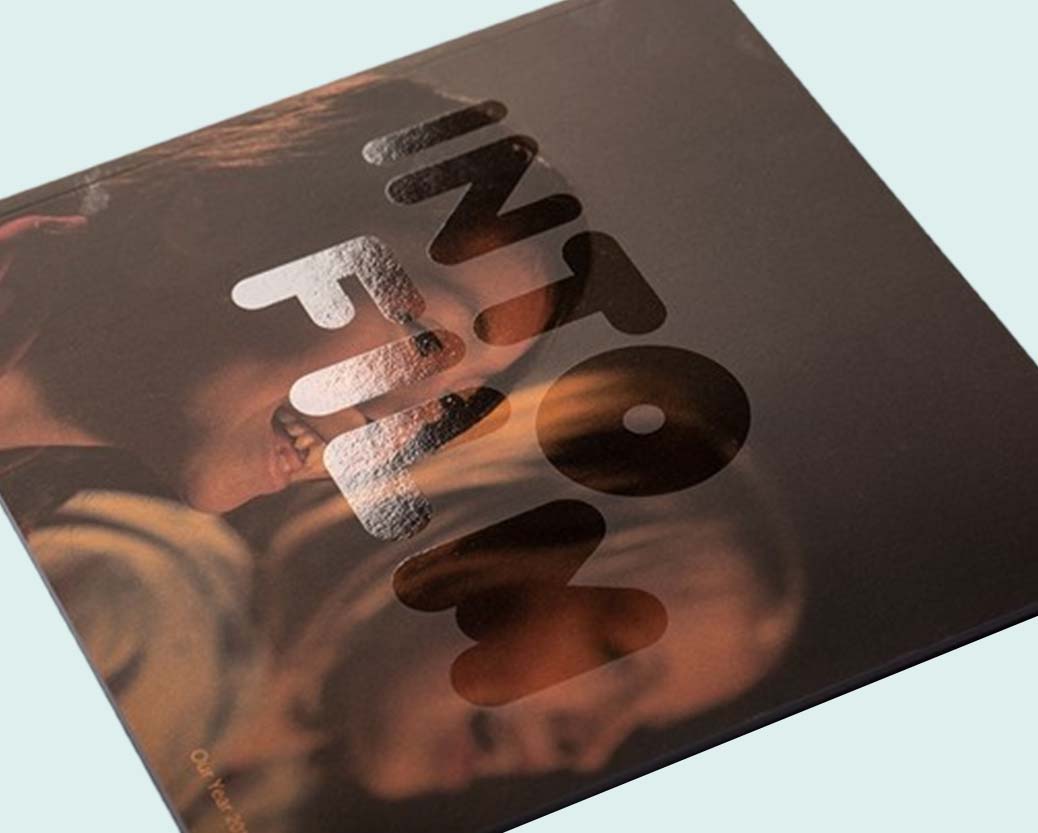
We apply a soft-touch lamination that adds an extra layer of protection, preventing toner chipping.
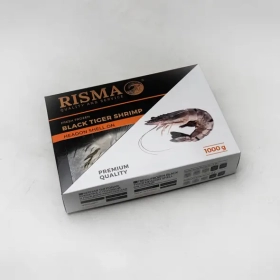
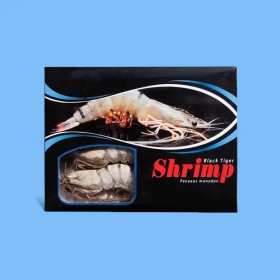
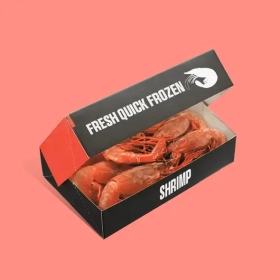
Why Choose Custom Shrimp Boxes?
Shrimp packaging needs to account for the product's intended use, storage conditions, handling requirements, and presentation. A package designed for chilled seafood distribution may require different materials and construction from one used to display a packaged shrimp product in a retail setting.
Custom boxes let businesses specify dimensions, artwork, and structural features around their products rather than relying on a one-size-fits-all design.
Product Protection and Secure Packaging
Shrimp products require careful handling and appropriate temperature control. Packaging should suit the product format and the handling conditions it will encounter. A printed outer box may support organization and presentation, but it should not replace a suitable food-contact container or temperature-controlled storage when those are necessary.
For frozen, chilled, or otherwise moisture-sensitive products, consider how condensation, leakage, and contact with ice may affect the packaging. The appropriate construction depends on whether the box holds a sealed inner package, supports a food-safe liner, or serves only as secondary packaging.
Professional Product Presentation
Clear branding helps customers identify a seafood business and distinguish its products. Printed shrimp boxes can display your business name, logo, product description, net weight, preparation suggestions, and other appropriate information.
For retail products, a well-organized design can make different shrimp varieties and package sizes easier to identify. For food service and wholesale operations, straightforward labeling can help staff distinguish products during receiving, storage, and order preparation.
Packaging for Different Business Needs
A seafood processor may need packaging for multiple product weights, while a restaurant supplier may prioritize practical storage and handling. A specialty seafood retailer might focus more on branded presentation. Custom shrimp boxes can be planned around these different requirements. The important first step is identifying whether the box will directly contain the product, surround an existing sealed package, or serve as an outer shipping or display carton.
Materials Used for Custom Shrimp Boxes
The material should match the box's purpose, the weight of its contents, and its exposure to moisture. A box designed to hold a sealed shrimp tray has different requirements from packaging that will encounter ice, condensation, or direct food contact.
Before selecting a material, determine whether the packaging will be used for chilled seafood, frozen products, dry secondary packaging, or retail display.
Cardboard and Paperboard Options
Paperboard and corrugated cardboard serve different packaging purposes. Paperboard can work well for lightweight retail cartons and branded outer packaging around sealed shrimp products. Its smooth printable surface supports product information, logos, and detailed artwork.
Corrugated cardboard is worth considering for outer cartons used to organize and transport multiple packaged products. Its construction provides more cushioning and stacking support than many lightweight folding cartons, depending on the board grade and box design.
Neither material should automatically be assumed suitable for direct contact with wet seafood. Ask about appropriate food-contact construction when the packaging will touch the product or its contents.
Kraft Packaging Options
Kraft-style packaging can suit seafood businesses that prefer a natural, understated appearance. Its brown surface pairs well with simple typography, restrained graphics, and clearly presented product details. However, uncoated kraft paperboard is not automatically moisture-resistant or suitable for direct food contact. If the packaging may encounter condensation, melted ice, or liquid, discuss the need for a compatible liner, coating, or separate sealed container before choosing this material.
Choosing the Right Material
Start with the conditions the box will face rather than choosing material based on appearance alone.
-
Retail cartons: Consider printable paperboard when the box surrounds an appropriately sealed food package.
-
Shipping cartons: Evaluate corrugated board according to packed weight, stacking, handling, and transportation requirements.
-
Moisture-sensitive applications: Assess liners, barriers, and the complete packaging system with your supplier.
-
Branded secondary packaging: Choose a material that accommodates your artwork and fits the intended presentation.
The final selection should account for food-contact requirements, moisture exposure, storage temperature, and the overall packaging cost.
Custom Sizes and Box Styles
Shrimp products come in different package formats, from small retail portions to larger food-service quantities. A useful box design accounts for the dimensions of the actual product container, the available storage space, and the way staff handle finished packages.
Custom Size Packaging
Measure the inner tray, pouch, carton, or other container before specifying the outer box. Record its length, width, and height, including any lid, seal, or closure that affects the fit. The box should accommodate the packed product without unnecessary movement or excessive empty space. If several shrimp varieties are sold in different weights, separate size specifications can help keep packaging consistent across the product range.
Ask your packaging supplier to confirm whether the quoted dimensions refer to the inside or outside of the box. This distinction matters when packaging must fit an existing tray or shipping carton.
Popular Box Styles for Shrimp Products
Folding cartons
These cartons suit lightweight retail packaging and branded sleeves around sealed shrimp products. They provide printable surfaces for product names, varieties, weights, and other relevant information.
Corrugated shipping boxes
These boxes are useful for grouping packaged seafood products for transportation. Their dimensions and board strength should reflect the shipment's weight, stacking conditions, and handling requirements.
Branded outer cartons
An outer carton can carry the business's visual identity while a separate container holds the shrimp. This arrangement is worth considering when product containment and retail presentation require different packaging materials. The appropriate style depends on the product and packaging function. Confirm the available constructions with CustomBoxesZone before finalizing the design.
Window Boxes and Product Visibility
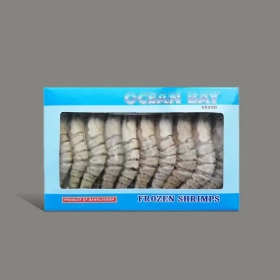
A window can help customers see a packaged product, but it is not necessary for every shrimp application. It may suit certain retail cartons that surround a sealed, visually appealing product package.
For chilled or frozen shrimp, the inner container must still provide the necessary product protection. A window does not make a paperboard box leakproof, moisture-resistant, or suitable for direct food contact. Condensation and the storage environment should also be considered when evaluating the design.
Custom Printing and Branding Options
Printed shrimp boxes give businesses a consistent way to identify their products across retail shelves, wholesale orders, and food-service packaging. The artwork should be easy to read and appropriate for the product's intended market.
Custom Logo and Artwork
Custom shrimp boxes with logo printing can feature a company name, logo, brand colors, and product-specific graphics. Seafood processors may prefer a straightforward design that prioritizes identification, while retail brands may choose more detailed artwork. Keep the logo visible without allowing decorative elements to overwhelm important product information. If your business sells several varieties, establish a consistent layout and use clear labels to distinguish each product.
Colors and Printing Options
Color selection should support readability and make different products easy to identify. Blue, navy, and other seafood-associated colors may suit some brands, while restrained neutral colors can support a simpler retail presentation. The artwork should also account for the material's surface. Colors may appear different on brown kraft board than on white coated paperboard, so ask for guidance on the expected printed appearance before approving production.
Printed shrimp boxes can incorporate product names, variety descriptions, net weight, storage instructions, and other information appropriate to the packaging and applicable labeling rules.
Finishing Options
Finishes should serve a practical design purpose rather than add cost without a clear benefit.
-
Matte finish: Can create a subdued appearance with reduced surface shine.
-
Gloss finish: May suit artwork that calls for a shinier surface.
-
Foil stamping: Can highlight a logo or selected graphic details where compatible with the material.
-
Embossing or debossing: Can add raised or recessed details to selected design elements.
-
Spot UV: Can create localized gloss contrast on compatible printed surfaces.
Availability depends on the chosen material, box construction, artwork, and production process. Confirm suitable options and any associated costs before approving your order.
Custom Shrimp Boxes for Different Industries
Different seafood businesses use packaging for different reasons. A retailer may need recognizable branding, while a processor or distributor may focus on product identification, storage, and transportation.
Seafood Retailers and Specialty Stores
Retailers can use branded outer cartons to organize shrimp varieties and communicate product details. A consistent design helps customers distinguish different offerings, package sizes, and product lines. Keep essential information easy to locate. The product name, net quantity, storage guidance, and any other required labeling should remain legible within the available space.
Seafood Processors and Distributors
Processors and distributors may handle multiple shrimp products, sizes, and order quantities. Packaging specifications should account for the weight of each packed unit and the way products move through storage and distribution. Standardized dimensions can simplify carton organization and inventory management. If different product lines require separate labels or artwork, establish clear specifications for each version before placing a bulk order.
Restaurants and Food-Service Suppliers
Restaurants and food-service suppliers may use outer cartons to organize sealed shrimp portions or group multiple packaged units. Their priorities often include practical handling, clear product identification, and compatibility with existing storage arrangements. Packaging that will be used near food preparation areas should be evaluated for its intended use. A decorative outer carton is not a substitute for an appropriate food-contact container.
Private-Label and Emerging Seafood Brands
Businesses developing a private-label seafood range may need packaging that carries their own logo and product identity. Printed cartons can help establish a consistent appearance across different varieties and package sizes. Before investing in several designs, determine which product formats will be sold first. Finalizing the dimensions, required labeling, and artwork together can reduce unnecessary revisions and help keep packaging specifications organized.
Wholesale Shrimp Boxes Packaging
Ordering shrimp boxes wholesale can help businesses plan packaging purchases around recurring demand. Wholesale orders may be appropriate for processors, retailers, distributors, and brands that use the same packaging specifications across regular production runs. The right order size depends on more than the unit price. Consider the amount of packaging consumed each week or month, available storage space, cash-flow requirements, and the possibility that artwork or product dimensions may change.
Benefits of Ordering Packaging in Bulk
Bulk purchasing may reduce the need to reorder packaging frequently and help businesses maintain consistent specifications across multiple shipments. Larger orders can also make it easier to coordinate packaging for products that share a common design. However, the overall value depends on the supplier's pricing structure, order requirements, storage costs, and packaging shelf life. Request a quotation based on the actual quantity you expect to use rather than assuming every larger order will deliver the lowest total cost.
Choosing the Right Order Quantity
Estimate your packaging requirements using expected sales or production volume. Then account for normal variations in demand, lead times, and the space available to store unused cartons. If your business is introducing a new shrimp product, consider whether a smaller initial order is more practical while the packaging design and demand are still being established. For established products, recurring usage can provide a more reliable basis for planning larger orders.
Before purchasing, confirm the minimum order quantity, pricing tiers, production timeline, shipping arrangements, and whether repeat orders can use the same approved artwork.
How to Choose the Right Custom Shrimp Boxes
A well-planned order begins with the product itself. Material, size, construction, printing, and intended use should work together rather than being selected independently.
Consider Your Product Dimensions
Measure the complete packaged unit, including its lid, seal, or any other feature that affects its dimensions. Decide whether the box will hold one unit or several. If the product comes in multiple net weights, check whether each size requires a separate box or whether one design can accommodate more than one format. Do not assume a box designed for a smaller package will safely accommodate a heavier one.
Choose the Right Material and Style
Match the construction to the packaging's job. A lightweight retail carton around a sealed tray has different requirements from a shipping carton carrying multiple packaged units. Consider moisture exposure, handling, stacking, storage conditions, and the required printed appearance. For applications involving direct food contact, verify that the complete packaging construction is suitable for that purpose.
Match Packaging With Your Brand
Prepare the logo, product names, artwork, and any required labeling before finalizing the design. Establish consistent colors and typography if your business sells several shrimp varieties. Check that the text remains legible at the actual printed size. Request confirmation of the available printing and finishing options, particularly if you plan to use special effects or print on kraft material.
Consider Retail and Shipping Requirements
Retail packaging should provide a clear presentation while fitting the display or shelf arrangement. Shipping packaging should be evaluated for packed weight, stacking, transportation, and the protection provided by the complete packaging system.
For chilled and frozen products, plan the inner container, insulation if needed, temperature control, and moisture management separately from the decorative outer carton. Paperboard alone should not be treated as a substitute for a properly designed cold-chain packaging system.