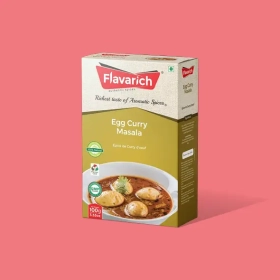
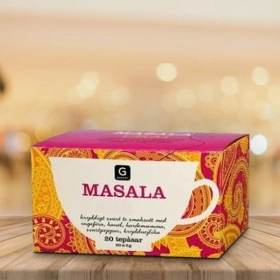
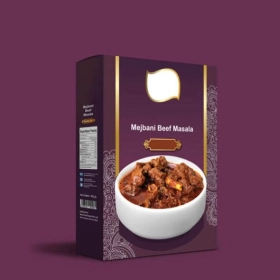
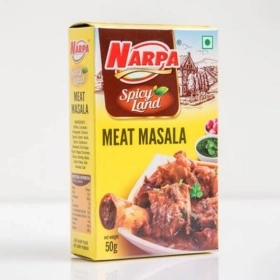
Why Custom Masala Boxes Matter for Spice Brands
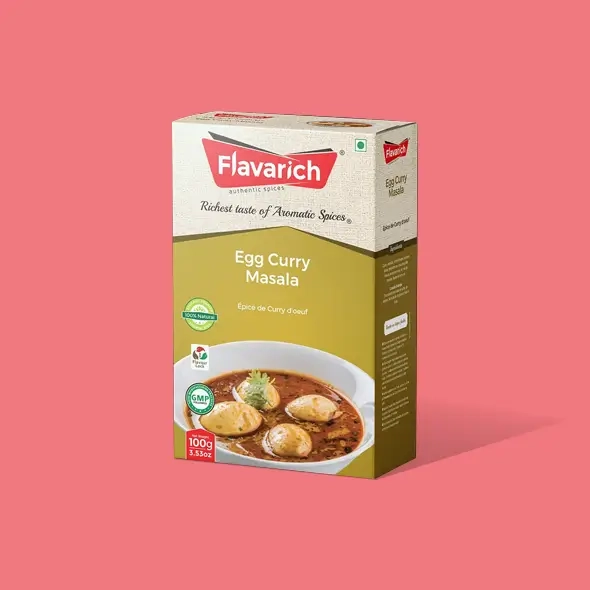
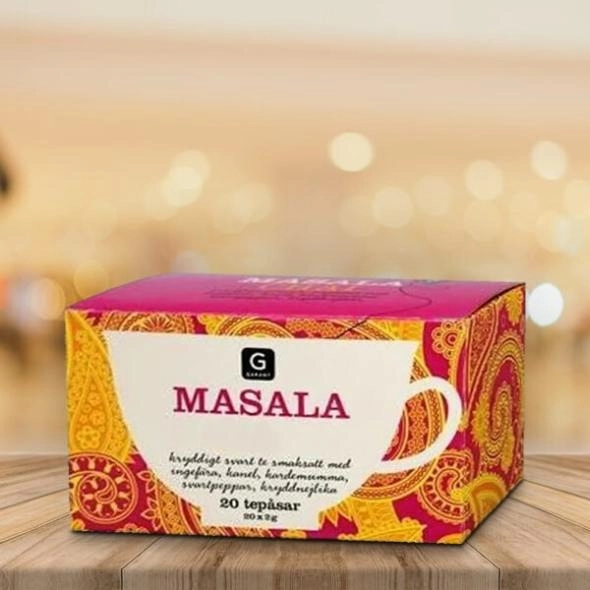
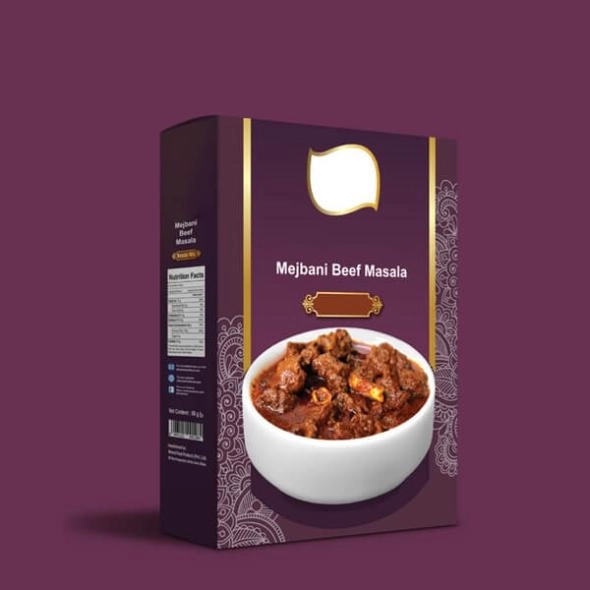
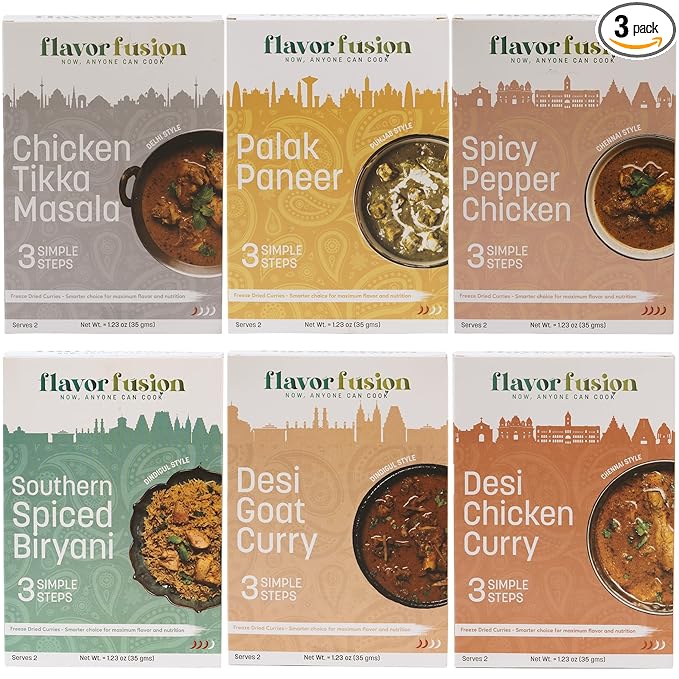
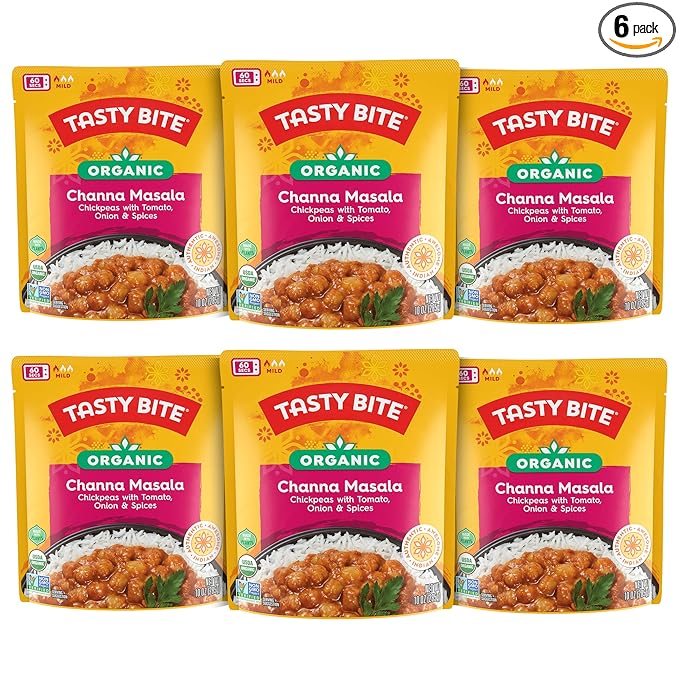
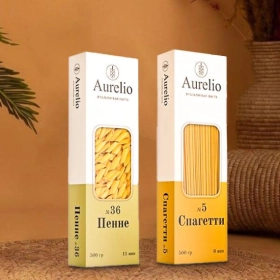
Spice packaging must look appealing, fit the product correctly, and remain stable during storage, display, and delivery. A well-built carton gives your brand space for product names, flavor cues, ingredients, usage directions, net weight, barcode placement, and required labeling.
The outer box also improves presentation around a sealed pouch, sachet, jar, bottle, or other primary container. This creates a cleaner retail display while giving customers useful product information before purchase.
Choose the Right Material for Your Masala Packaging
The best stock depends on product weight, sales channel, finish, and desired shelf appearance. Custom Boxes Zone offers paper stocks from 10pt to 28pt, allowing the structure to be adjusted for lightweight spice packs, larger cartons, and premium product lines.
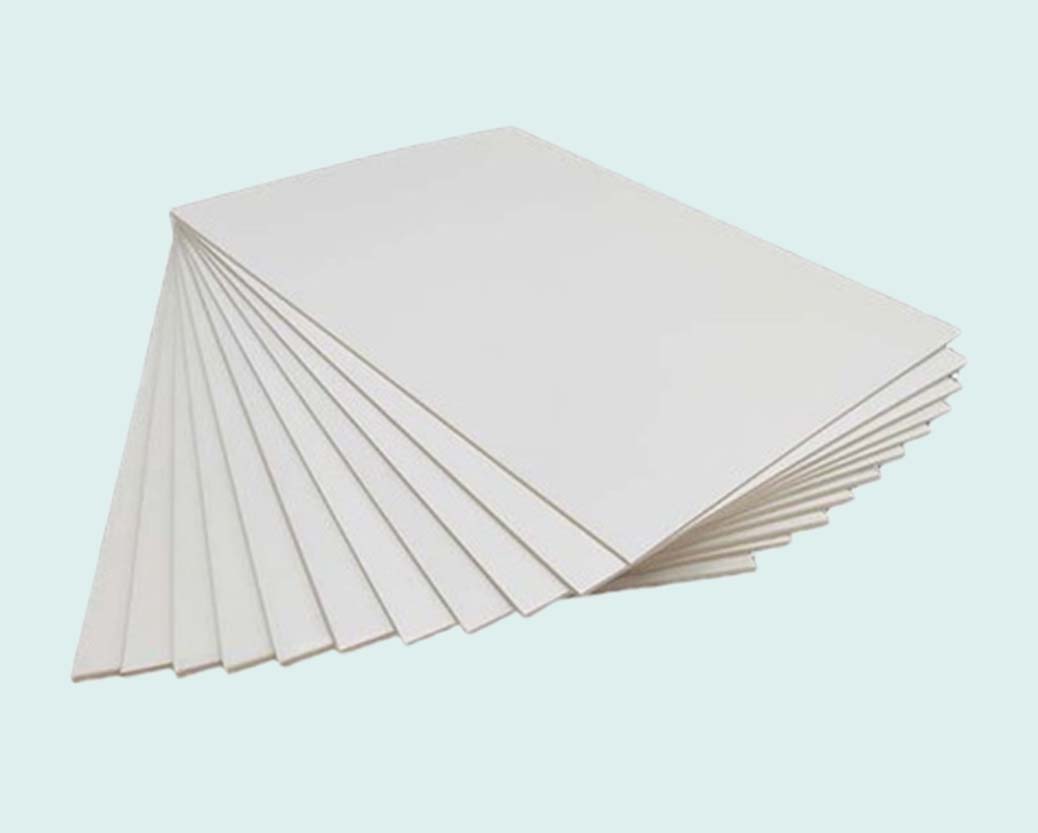
Cardstock for Everyday Retail Packaging
Cardstock is a practical choice for single spice packs and seasoning blends. Its smooth surface supports detailed graphics, small text, ingredient panels, and strong color reproduction. It is suitable for tuck-style cartons, sleeves, and lightweight retail boxes.
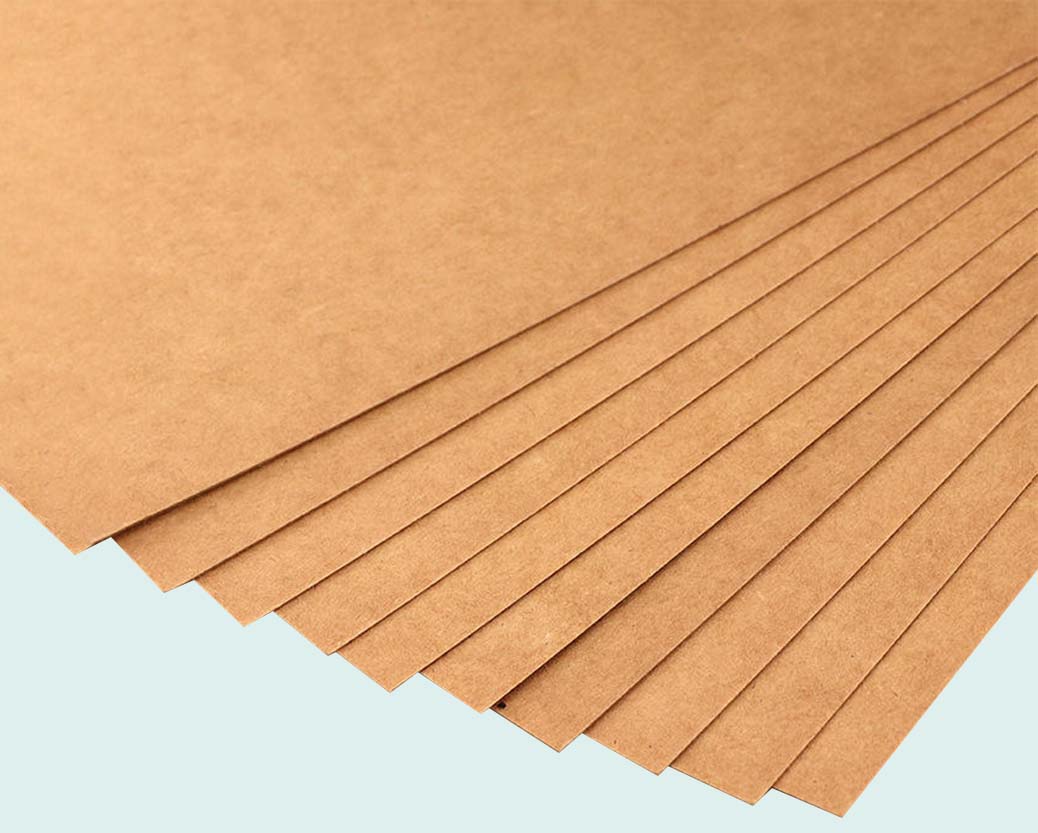
Kraft Stock for a Natural Appearance
Kraft paper gives packaging an earthy, simple, and craft-focused look. It works well for organic-style, traditional, handmade, and sustainability-led spice brands. Designs can use the natural brown surface or printed areas to create a clean contrast.
Bux Board for Added Strength
Bux board provides a firmer structure for products that need more support than standard lightweight cartons. It can be used for larger spice packs, multipacks, or boxes that may experience more handling during fulfillment and retail stocking.
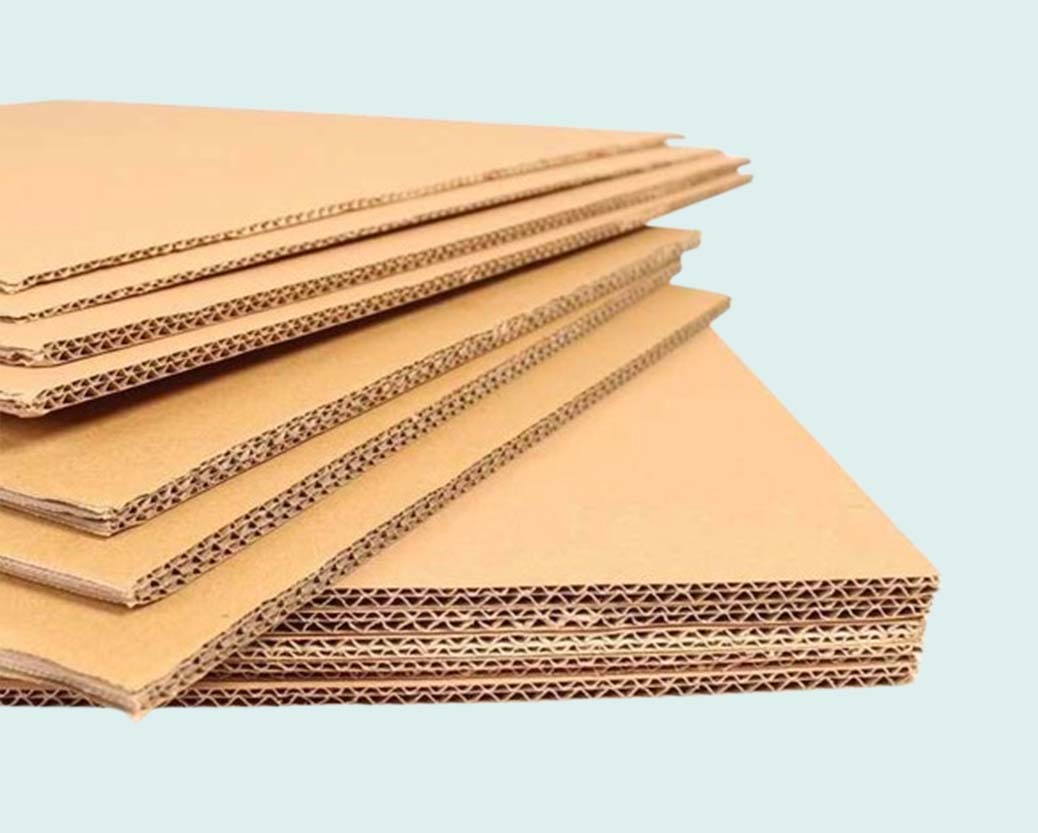
Corrugated Stock for Shipping and Heavy Packs
E-flute corrugated material is suitable for heavier products, subscription packs, gift sets, and shipping-focused packaging. Its fluted layer adds strength while leaving enough printable surface for branding, instructions, and product identification.
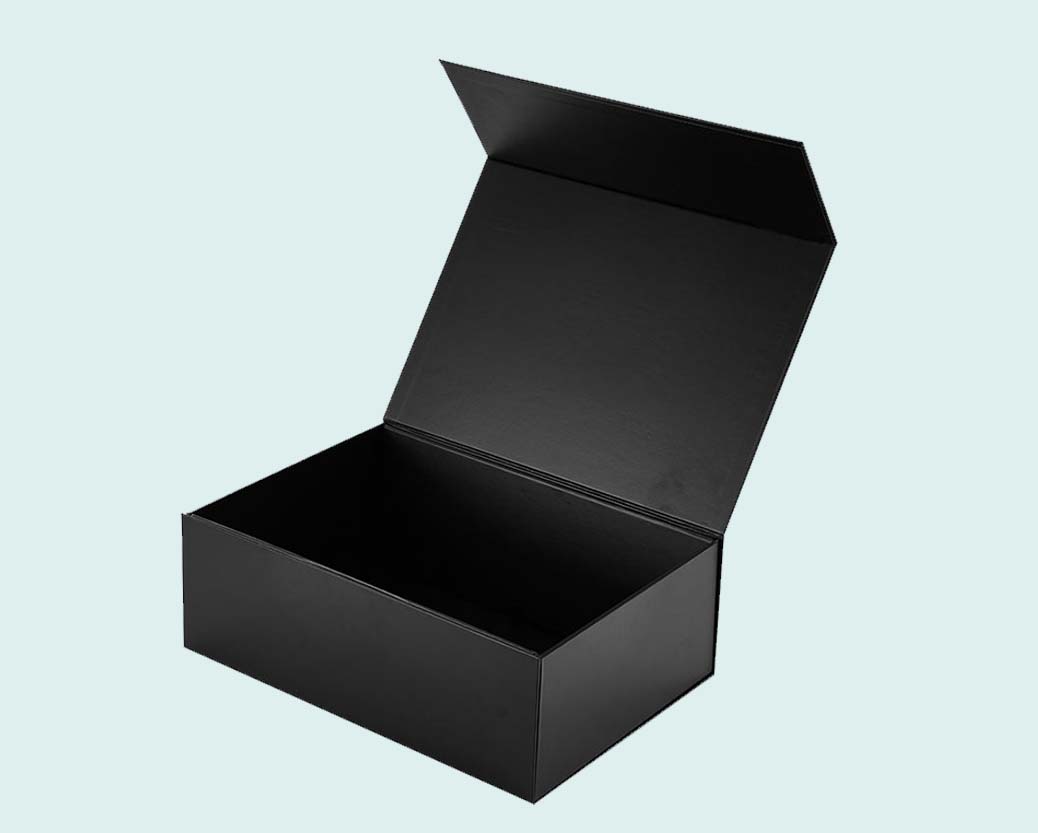
Rigid Stock for Premium Spice Collections
Rigid boxes are better suited to gift sets, luxury blends, festive collections, and high-value multipacks. Their solid construction creates a premium unboxing experience and can be paired with sleeves, inserts, foil details, and specialty finishes.
Custom Sizes Built Around Your Product
There is no single correct size for every masala product. The finished dimensions should follow the exact length, width, and height of the sealed pouch, jar, sachet bundle, or inner tray placed inside the carton.
Sizing for Sachets and Pouches
Slim cartons work well for flat sachets, while deeper boxes are better for stand-up pouches. The internal fit should prevent unnecessary movement without making insertion difficult during packing.
Sizing for Jars and Bottles
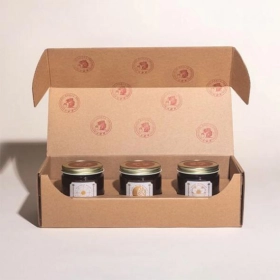
Jar cartons should account for the container diameter, lid height, label area, and a small working clearance. Inserts can be considered when the jar needs extra stability or when several containers are packed together.
Sizing for Multipacks and Gift Sets
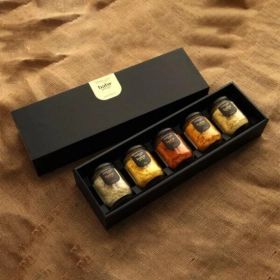
Wider formats can hold multiple spice varieties in one retail pack. Dividers or custom inserts help organize individual jars, packets, or sachets and improve the presentation when the box is opened. Before production, submit your required dimensions in inches or another preferred unit. A flat proof, 3D mockup, or physical sample can be used to review fit and layout before the full run.
Box Styles for Retail, Display, and Shipping
The box structure should match the product weight, filling process, and customer experience. Popular options include straight tuck end, reverse tuck end, tuck top, auto-lock bottom, seal end, sleeve, window, display, and multipack cartons.
Straight and Reverse Tuck End Boxes
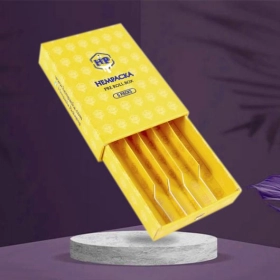
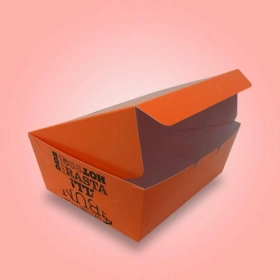
Tuck-end cartons are lightweight, easy to assemble, and suitable for many spice sachets and small pouches. Straight tuck end boxes create aligned closure panels, while reverse tuck end boxes use opposite-facing closures for efficient production.
Auto-Lock and 1-2-3 Bottom Boxes
Bottom-locking structures provide extra support for jars, larger packs, and products that need a stronger base. Auto-lock bottoms speed up assembly, while 1-2-3 bottom cartons offer a secure manual locking sequence.
Seal End Boxes
Seal end cartons are closed with adhesive at both ends. They are useful for machine-packed or high-volume products that need a neat, tamper-conscious retail structure.
Sleeve and Tray Packaging
A printed sleeve around a tray creates a refined presentation for gift sets, tasting collections, and premium masala assortments. The sliding format also gives the brand more room for storytelling and decorative design.
Window and Display Packaging
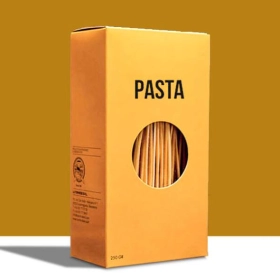
A die-cut window can reveal the inner pouch, jar, or product set without opening the box. Counter display formats can hold several units together and make small spice packs easier to organize near checkout areas or on promotional shelves.
Printed Masala Boxes with Clear Product Information
Good packaging design should attract attention without making essential information difficult to read. CMYK printing is suitable for full-color photographs, illustrations, and branded layouts. PMS colors can be added when a specific brand shade requires closer color consistency.
Front Panel Design
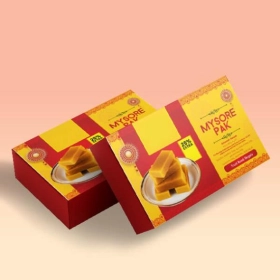
Use the front panel for the brand name, product variety, key flavor cue, net weight, and a strong visual hierarchy. Avoid filling every empty area; clear spacing makes the pack easier to recognize from a distance.
Side and Back Panel Content
Reserve these panels for ingredients, allergen statements, preparation guidance, storage instructions, nutrition information, barcodes, manufacturer details, and any labeling required for your product and sales market.
Artwork and Proofing
You can upload JPG, PNG, or PDF artwork with your quote request. Flat views and 3D mockups help confirm panel placement, folds, colors, and logo position before printing. Physical sampling may also be requested when accurate fit or finish review is important.
Masala Boxes with Logo for Stronger Brand Recognition
A clearly positioned logo helps shoppers identify your product line across different flavors and pack sizes. Keep the logo placement consistent, then use controlled color changes, spice imagery, or variety names to separate each blend.
Premium Finishing Options
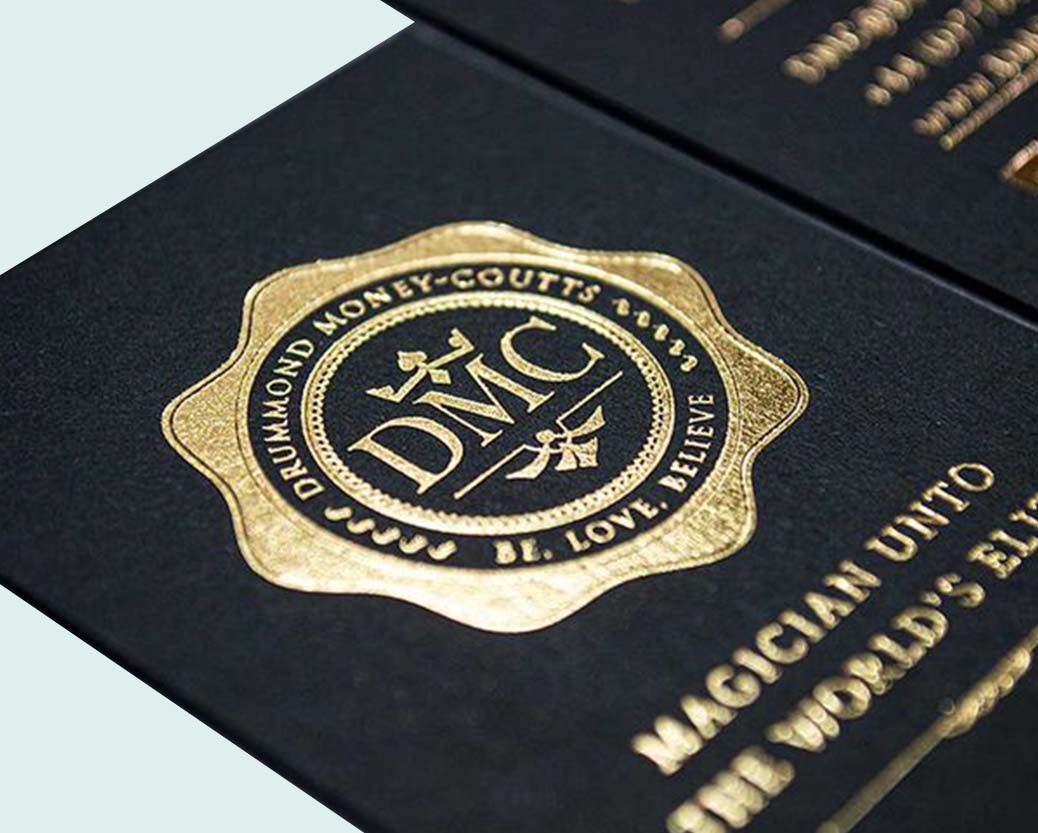
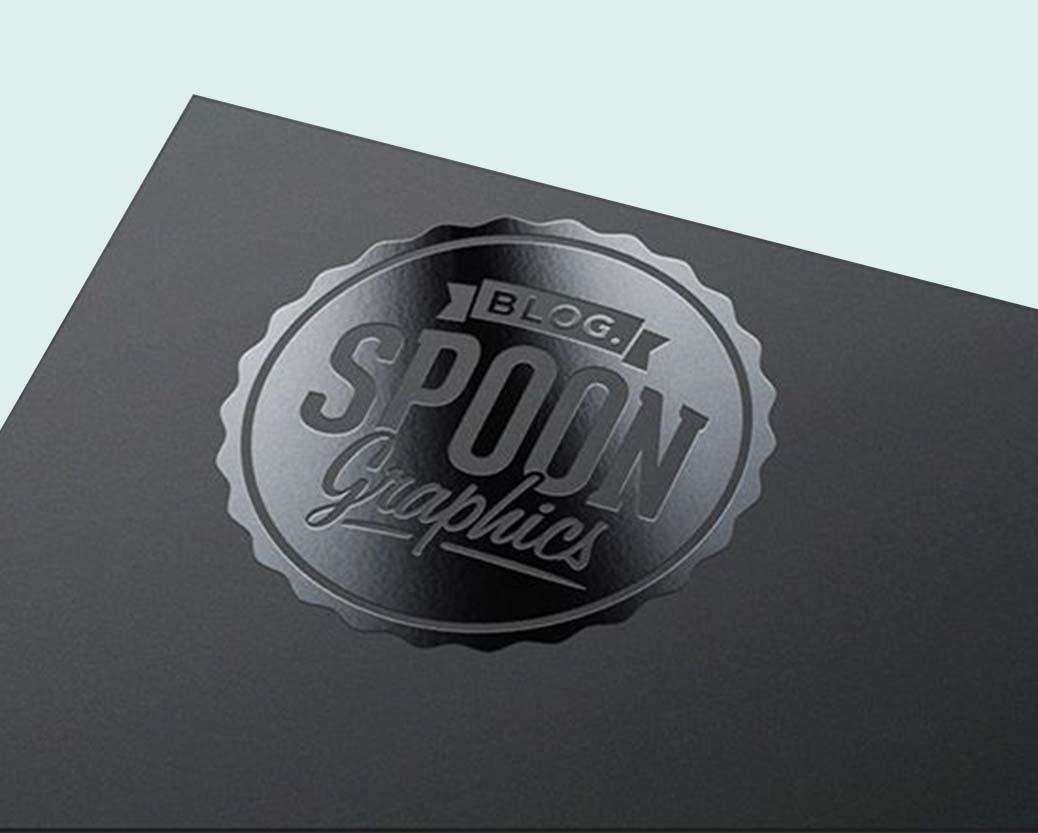
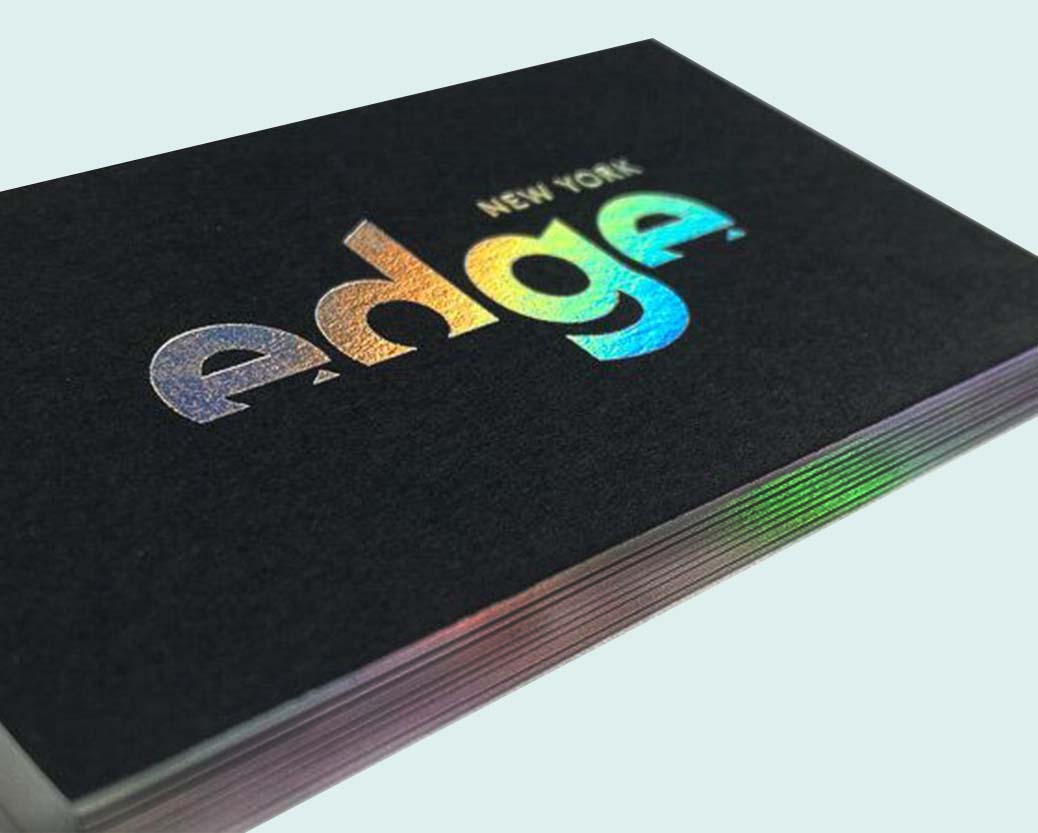
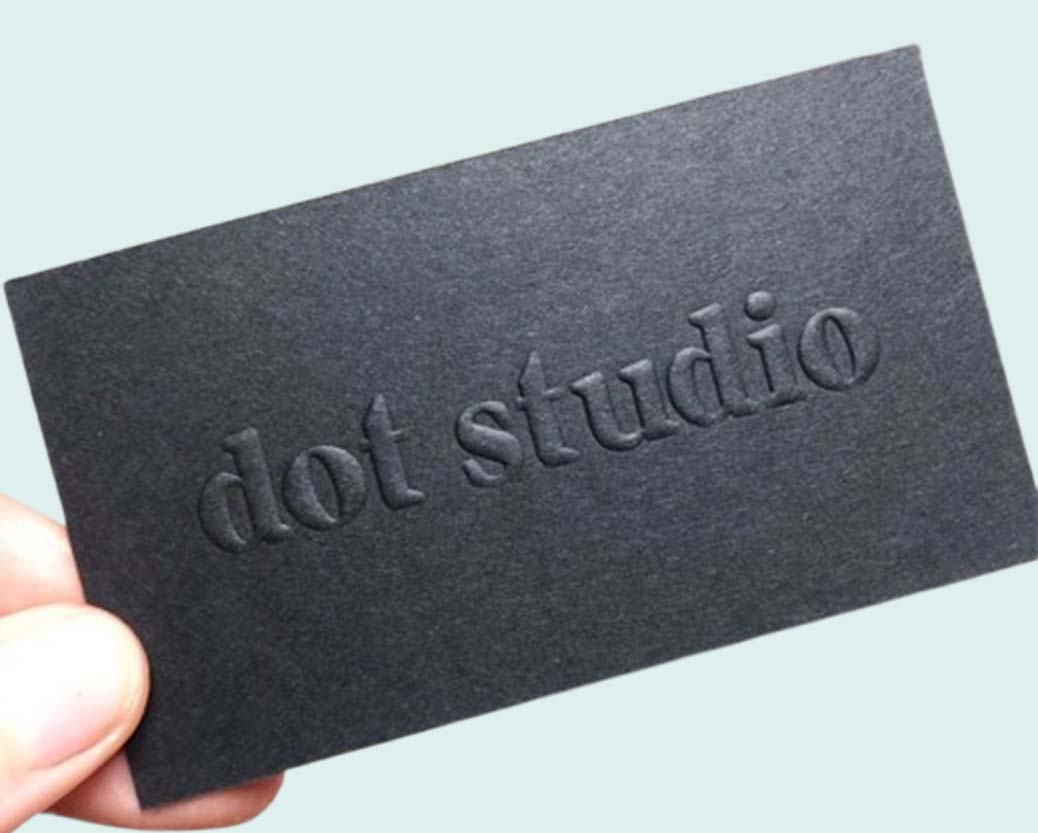
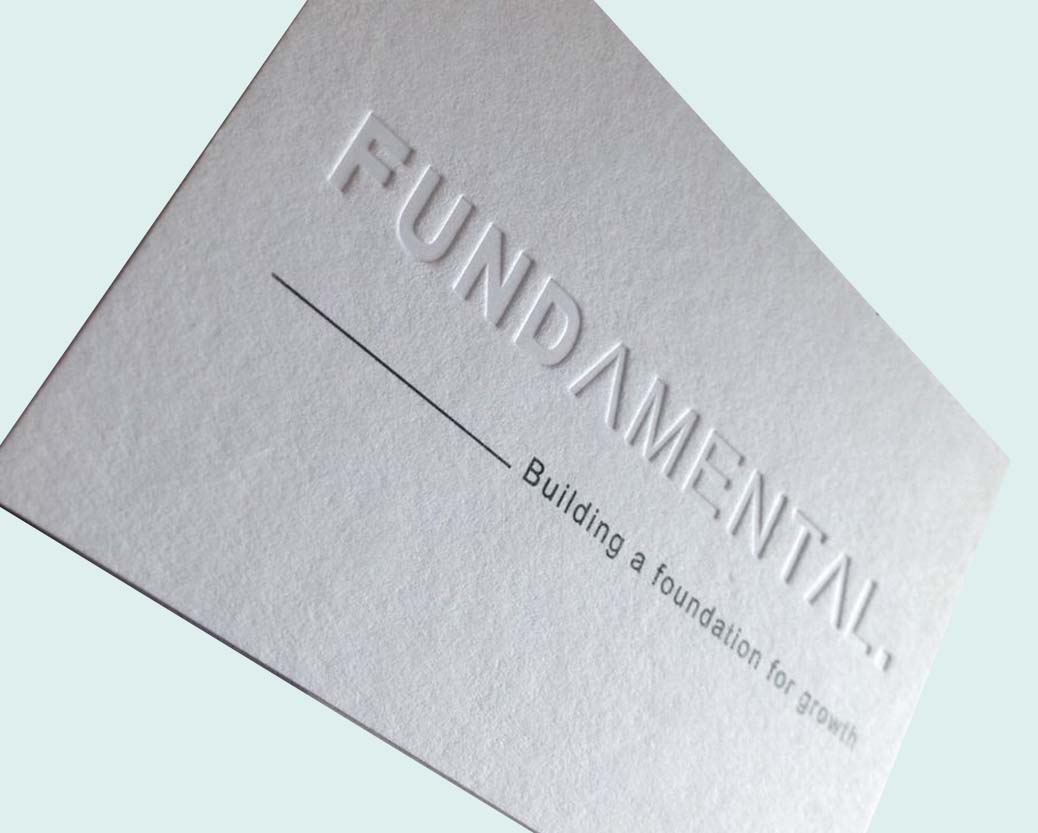
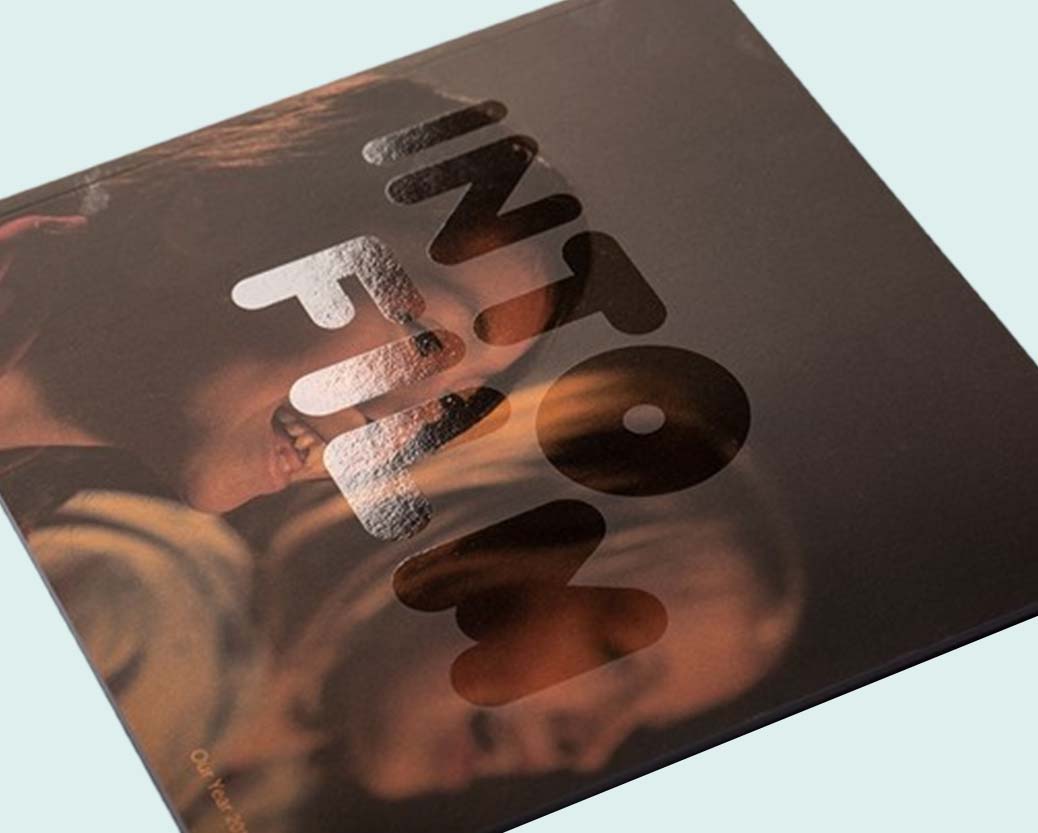
Choose matte lamination for a smooth, understated appearance or gloss lamination for brighter color and shine. Spot UV can highlight selected artwork, while embossing or debossing adds a raised or recessed texture. Foil stamping is available for metallic brand details, borders, badges, and limited-edition designs. Soft-touch lamination can add a refined feel, while holographic foil creates a more energetic effect for bold retail concepts.
Packaging Protection and Product Freshness
A paper carton supports presentation, handling, and secondary protection, but it should not replace the main moisture and aroma barrier for powdered spices. Masala is best packed inside a properly sealed primary container such as a pouch, sachet, liner, jar, or bottle selected for the product.
The carton can then protect that inner pack from scuffing, improve stacking, reduce direct light exposure, and provide a larger printable area. For direct food contact or specialized barrier requirements, confirm the material, coating, and compliance needs before production.
Order Masala Boxes Wholesale for Small or Large Product Lines
Bulk ordering creates consistent packaging across retail launches, distributor orders, subscription programs, and growing product ranges. The listed minimum run starts at 100 boxes, making the service accessible to both emerging brands and established spice businesses. Our custom masala boxes can be ordered with no printing, full CMYK printing, or CMYK combined with one or two PMS colors. Included production options cover die-cutting, gluing, scoring, and perforation, depending on the selected structure.
Standard production is listed at approximately 7 to 8 business days after artwork and specifications are approved. Final timing can vary by quantity, material, finish, sampling, and delivery requirements, so confirm the schedule on your quotation.
A Simple Custom Packaging Process
Share Your Product Details
Provide the product type, dimensions, quantity, preferred material, box style, and delivery location. Mention whether the carton will hold a pouch, jar, sachet, bottle, or multipack.
Upload or Request Artwork Support
Send your print-ready design or explain the visual direction you need. Include your logo, colors, product text, barcode area, and any finish you want applied to specific elements.
Review the proof.
Check the dieline, panel order, text placement, dimensions, folds, and finish notes. Approve production only after all product information and measurements have been verified.
Approve Production and Delivery
After approval, the boxes move into printing, finishing, die-cutting, assembly preparation, quality review, and flat-packed shipping.